
For many people, social gatherings are energizing. Laughter, conversation, and connection leave them feeling uplifted and fulfilled. But for introverts, the same events often lead to exhaustion—no matter how enjoyable they were. The need to retreat afterward isn’t antisocial or shy behavior; it’s a biological necessity. Introverts recharge by being alone because their nervous systems respond differently to stimulation. This article explores the neuroscience, psychology, and evolutionary roots behind this phenomenon, offering insight into how solitude functions as a vital recovery process for introverted individuals.
The Biological Basis of Introversion
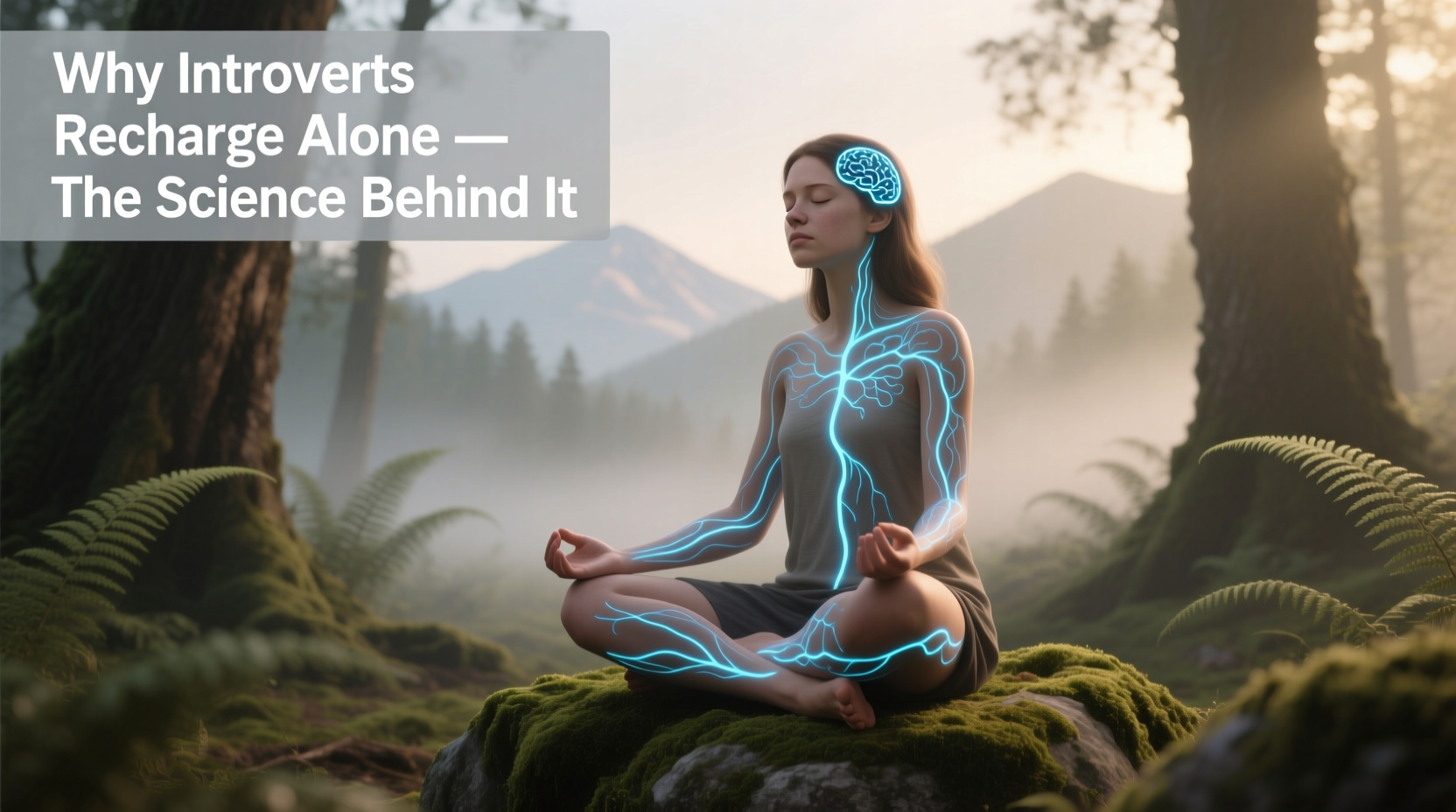
Introversion is not simply a personality preference—it has deep roots in brain chemistry and neurophysiology. One of the most compelling explanations comes from Hans Eysenck’s arousal theory of personality. According to Eysenck, introverts have naturally higher levels of cortical arousal at rest than extroverts. This means their brains are already operating closer to maximum capacity even in quiet environments.
When external stimuli—like conversations, loud music, or crowded spaces—enter the equation, introverts reach cognitive overload more quickly. Their brains don't require much additional input to become overstimulated. In contrast, extroverts tend to have lower baseline arousal, so they seek out stimulation to feel engaged and alert.
This difference is tied to the brain's dopamine system. Dopamine is a neurotransmitter associated with reward, motivation, and pleasure. Extroverts are more sensitive to dopamine rewards from external sources: social approval, novelty, excitement. Introverts, however, gain less reward from these stimuli and may even find them overwhelming due to increased activity in brain regions linked to internal processing.
“Introverts aren’t anti-social—they’re just optimized for depth over breadth. Their brains prioritize meaningful engagement over high-volume interaction.” — Dr. Marti Laney, author of *The Introvert Advantage*
Neural Pathways: Internal vs. External Focus
Brain imaging studies reveal that introverts and extroverts use different neural pathways when processing information. Functional MRI scans show that introverts exhibit greater blood flow in areas associated with internal thought: the frontal lobe, anterior cingulate cortex, and temporoparietal junction. These regions govern planning, problem-solving, self-reflection, and memory retrieval.
In contrast, extroverts show heightened activity in sensory-processing areas linked to external cues—sights, sounds, and social signals. This divergence suggests that introverts are wired to turn inward after stimulation. Solitude allows them to process experiences, regulate emotions, and restore mental clarity.
One key structure involved is the default mode network (DMN), which activates during rest and mind-wandering. Introverts tend to spend more time in DMN-dominant states, even when awake. This network supports introspection, autobiographical memory, and future planning—all crucial functions that occur best without distraction.
Stimulation Thresholds and Sensory Processing Sensitivity
A significant factor in why introverts need solitude is sensory processing sensitivity (SPS). Research by Dr. Elaine Aron shows that about 20% of people—across species—are “highly sensitive,” meaning they process sensory data more deeply. While SPS is not exclusive to introverts, there’s substantial overlap.
Highly sensitive individuals notice subtle changes in lighting, tone of voice, facial expressions, and ambient noise. This depth of processing enriches experience but also increases mental fatigue. For example, attending a party might mean simultaneously tracking multiple conversations, interpreting body language, managing personal responses, and filtering background sounds. Each layer demands cognitive resources.
Solitude provides a low-stimulus environment where the nervous system can down-regulate. Heart rate slows, cortisol levels drop, and the parasympathetic nervous system takes over—promoting relaxation and restoration. Without this downtime, chronic overstimulation can lead to burnout, anxiety, or emotional numbness.
Do’s and Don’ts for Managing Stimulation Levels
| Do | Don’t |
|---|---|
| Take short walks in nature after intense meetings | Jump straight into another social event after a long day |
| Use noise-canceling headphones in busy environments | Push through fatigue to appear “available” |
| Set boundaries around availability (e.g., no calls after 8 PM) | Apologize excessively for needing space |
| Plan solo time proactively, not reactively | Wait until you’re overwhelmed to disengage |
A Real-Life Scenario: Maria’s Workweek
Maria is a software developer and self-described introvert working in an open-office environment. Her week begins with back-to-back team stand-ups, client calls, and collaborative coding sessions. By Wednesday afternoon, she feels mentally drained—her focus wavers, her patience thins, and she struggles to articulate ideas clearly.
On Thursday, she experiments with change. She blocks off 90 minutes each morning for deep work in a quiet conference room. After lunch, she takes a 15-minute walk alone instead of joining colleagues at the café. She declines an optional happy hour invitation and spends the evening reading and journaling.
By Friday, Maria reports feeling more present, creative, and emotionally balanced. She completes a complex debugging task that had stalled earlier in the week. Her manager notices improved output and clarity in communication. What changed wasn’t effort—it was recovery. The intentional solitude allowed her brain to reset, integrate information, and operate at full capacity.
This case illustrates that recharging isn’t passive—it’s an active neurological process essential for sustained performance.
The Role of Solitude in Cognitive Restoration
Solitude isn’t just about escaping noise—it serves specific cognitive functions critical to mental health and productivity. Psychologists refer to Attention Restoration Theory (ART), which posits that directed attention (used in focused tasks) depletes over time and requires restorative environments to recover.
Natural settings, quiet rooms, or any low-demand space allows the brain’s involuntary attention system to take over—engaging effortlessly with soft fascination like rustling leaves or drifting clouds. This shift reduces mental fatigue and restores executive function.
For introverts, solitude acts as a form of cognitive maintenance. It enables:
- Memory consolidation—linking new experiences to existing knowledge
- Emotional regulation—processing feelings without external pressure
- Creative incubation—allowing subconscious connections to form
- Decision-making clarity—reducing cognitive clutter
Without regular access to restorative solitude, introverts may experience decision fatigue, irritability, and reduced problem-solving ability—even if they’ve been socially successful.
Step-by-Step Guide: Building a Recharge Routine
- Assess Your Energy Patterns: Track when you feel most alert and when you crash. Note which activities drain or renew you.
- Identify Low-Stimulus Zones: Find places where you can be undisturbed—your bedroom, a park bench, a library corner.
- Schedule Solitude Like a Meeting: Block 20–60 minutes daily for uninterrupted time. Treat it as non-negotiable.
- Choose Restorative Activities: Read, meditate, sketch, walk, journal—anything that doesn’t demand social output.
- Communicate Boundaries: Let housemates or coworkers know you’ll be offline during this time.
- Evaluate Weekly: Reflect on whether your recharge time is sufficient and adjust as needed.
Myths About Introversion and Alone Time
Despite growing awareness, misconceptions persist. Some believe introverts dislike people, lack confidence, or avoid responsibility. None of these are true. Introversion is about where one draws energy—not social skill or emotional depth.
Another myth is that solitude equals loneliness. But for introverts, alone time is often deeply fulfilling. It fosters self-awareness, creativity, and authenticity. Loneliness is the distress of unwanted isolation; solitude is chosen aloneness that brings peace.
Finally, some assume that technology replaces the need for solitude. Yet scrolling through social media or watching videos still engages the brain’s reward circuitry and sensory processing systems. True recharging requires disengagement from all forms of external input—including digital ones.
Checklist: Signs You Need More Solitude
- You feel irritable or emotionally reactive after social events
- You struggle to concentrate the day after group activities
- You fantasize about canceling plans or hiding from others
- You experience physical symptoms like headaches or fatigue post-interaction
- You feel mentally “foggy” despite adequate sleep
- You avoid making decisions when surrounded by people
Frequently Asked Questions
Is it unhealthy to spend too much time alone?
Not inherently. For introverts, solitude is a healthy, necessary part of self-care. However, if isolation leads to avoidance of meaningful relationships or causes distress, it may signal depression or anxiety—conditions that require professional support. The key distinction is choice: healthy solitude is empowering; forced isolation is draining.
Can extroverts benefit from alone time too?
Absolutely. Everyone benefits from occasional reflection and mental rest. Extroverts may not need as much solitude, but practices like journaling, meditation, or solo walks can enhance emotional intelligence and creativity. The difference lies in dosage and timing—extroverts typically recharge faster and prefer shorter durations of solitude.
What if my job requires constant interaction?
Many introverts thrive in high-contact roles—from teaching to sales to leadership. Success comes from strategic recovery. Use micro-breaks (bathroom visits, silent commutes), create buffer zones between meetings, and prioritize post-work downtime. Communicating needs to managers using terms like “cognitive recovery” rather than “needing space” can make requests more professionally acceptable.
Conclusion: Honor Your Natural Rhythm
Understanding why introverts recharge by being alone isn’t just about personal comfort—it’s about respecting neurobiological reality. The brain’s response to stimulation varies widely among individuals, and introversion reflects a valid, adaptive strategy for navigating a noisy world. Solitude isn’t withdrawal; it’s recalibration. It allows introverts to process, reflect, and return to engagement with renewed clarity and purpose.
In a culture that often values visibility and constant connectivity, choosing solitude can feel counterintuitive—or even risky. But protecting your mental energy isn’t selfish; it’s sustainable. Whether you're an introvert seeking validation or someone trying to understand a partner, colleague, or friend, recognizing the science behind alone time fosters empathy and better support systems.




 浙公网安备
33010002000092号
浙公网安备
33010002000092号 浙B2-20120091-4
Comments
No comments yet. Why don't you start the discussion?