
Every autumn, landscapes across temperate regions transform into dazzling displays of red, orange, yellow, and purple. The changing colors of leaves are one of nature’s most reliable and breathtaking seasonal events. While many people enjoy the spectacle, few understand the intricate biological processes that drive this transformation. Behind the beauty lies a precise sequence of biochemical changes influenced by light, temperature, and plant physiology. This article explores the science of fall foliage, explaining how and why leaves change color, what environmental factors affect their brilliance, and how climate patterns may be altering these natural displays.
The Role of Pigments in Leaf Color
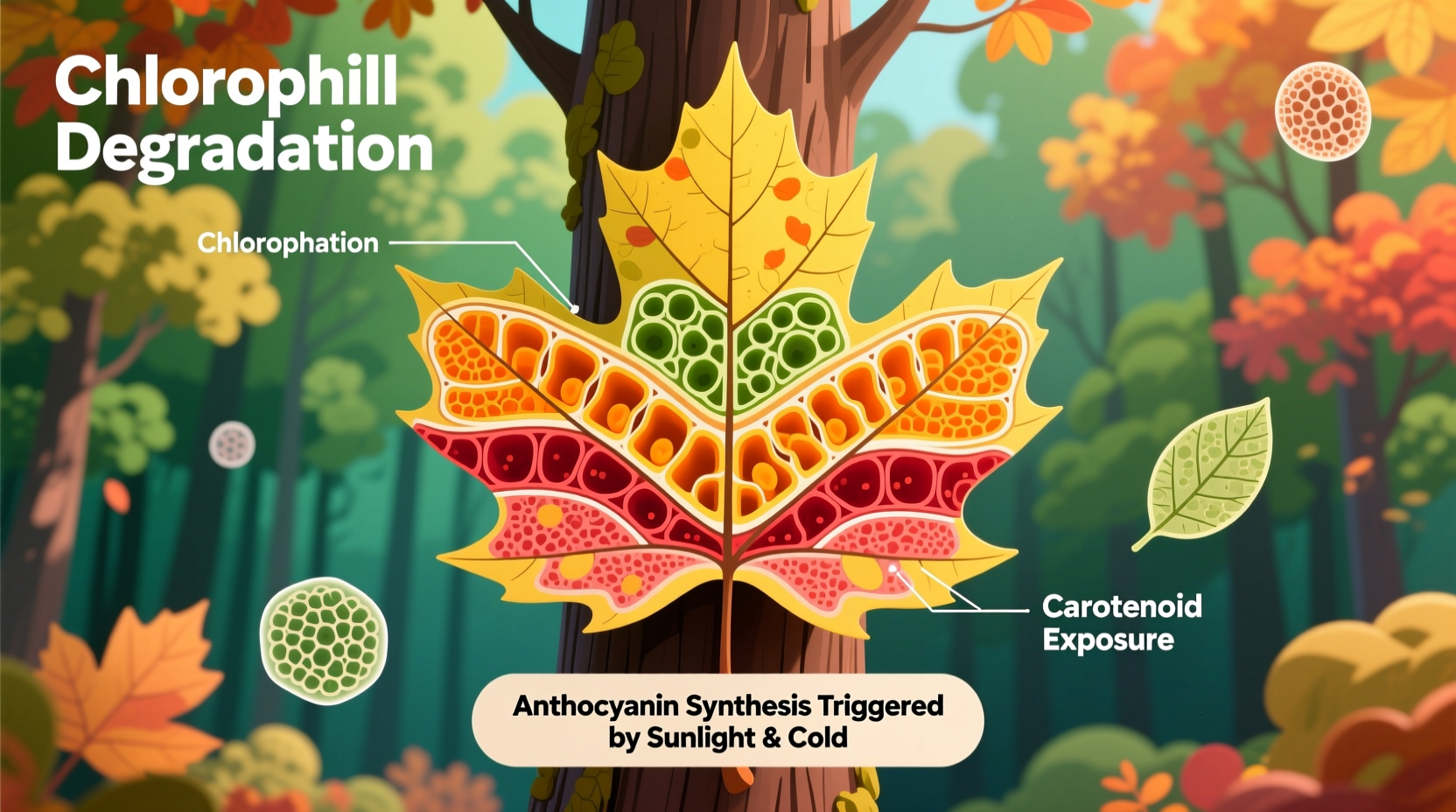
Leaf color is determined by the presence and concentration of various pigments within plant cells. During the growing season, most leaves appear green due to the dominance of chlorophyll—a pigment essential for photosynthesis. However, as daylight shortens and temperatures drop in autumn, trees begin preparing for winter dormancy, triggering a cascade of chemical changes that reveal other pigments long hidden beneath the green.
Three main types of pigments contribute to autumn leaf colors:
- Chlorophyll: Responsible for the green color, it absorbs sunlight to convert carbon dioxide and water into glucose. As days shorten, trees reduce chlorophyll production and begin breaking down existing molecules to reclaim valuable nutrients like nitrogen before shedding their leaves.
- Carotenoids: These pigments produce yellow, orange, and brown hues. They are present in leaves throughout the year but are masked by chlorophyll during spring and summer. Carotenoids assist in photosynthesis by capturing light energy that chlorophyll cannot absorb and also protect leaf tissues from oxidative damage.
- Anthocyanins: Unlike carotenoids, anthocyanins are not present during the growing season. They are newly synthesized in autumn under specific conditions—particularly bright light and excess sugars trapped in the leaf. These pigments create vivid reds, purples, and crimson tones seen in species like maples, oaks, and dogwoods.
The combination and proportion of these pigments determine the final color of a leaf. For example, a sugar maple may turn brilliant red if high levels of anthocyanins develop, while a birch will turn golden yellow due to dominant carotenoids once chlorophyll fades.
How Weather Influences Fall Foliage
While the timing of leaf color change is primarily governed by photoperiod—the length of daylight—weather conditions play a crucial role in determining the intensity and duration of autumn colors.
Ideal conditions for vibrant foliage include:
- Bright, sunny autumn days: Promote sugar production through residual photosynthesis. When combined with cool nights, sugars become trapped in the leaves, stimulating anthocyanin synthesis.
- Cool (but not freezing) nights: Temperatures just above freezing slow the movement of sugars out of the leaf, enhancing red pigment development.
- Adequate moisture during summer: Drought-stressed trees may drop their leaves early or display duller colors due to reduced physiological activity.
- Frost-free periods: Early frosts can damage leaves prematurely, cutting short the color display.
Conversely, warm autumn nights, cloudy weather, or excessive rain can mute fall colors. Warm temperatures keep leaf veins open longer, allowing sugars to exit the leaf before anthocyanins accumulate. Cloudy skies reduce photosynthetic activity, limiting sugar production needed for red pigments.
“Fall color isn’t just about temperature—it’s a dance between light, sugar metabolism, and nutrient recycling.” — Dr. Linda Chalker-Scott, Horticulture Scientist, University of Washington
Tree Species and Their Signature Colors
Different tree species exhibit predictable fall color patterns based on their genetic makeup and pigment profiles. Understanding which trees contribute to specific hues helps explain regional variations in autumn scenery.
| Tree Species | Typical Fall Color | Primary Pigment(s) | Notable Regions |
|---|---|---|---|
| Sugar Maple | Bright red, orange | Anthocyanins, carotenoids | Northeastern U.S., Canada |
| Red Maple | Deep red, crimson | Anthocyanins | Eastern North America |
| Birch | Golden yellow | Carotenoids | Canada, northern U.S. |
| Oak | Red-brown, russet | Anthocyanins, tannins | Eastern and central U.S. |
| Aspen | Brilliant yellow | Carotenoids | Rocky Mountains, western U.S. |
| Dogwood | Purple-red | Anthocyanins | Woodlands across eastern U.S. |
Tannins, another group of compounds found in some leaves, contribute to brownish hues, particularly in oak species. These are waste products left over after nutrient reabsorption and become visible as other pigments break down.
Regional Variations in Foliage Timing
Peak foliage varies by latitude, elevation, and local climate. In general, color change begins earlier in northern and higher-elevation areas where cooler temperatures arrive sooner. For instance:
- In New England, peak colors typically occur from late September to mid-October.
- In the Appalachian Mountains, elevations dictate timing—higher peaks show color weeks before valleys.
- In the Pacific Northwest, deciduous trees like vine maple display modest color shifts compared to eastern species.
The Biological Purpose of Leaf Drop
Leaf senescence—the aging and eventual shedding of leaves—is not merely a response to cold weather but a strategic adaptation to conserve resources. Deciduous trees shed their leaves to survive winter when water availability drops and photosynthesis becomes inefficient.
The process unfolds in several stages:
- Photoperiod detection: Trees use specialized proteins to sense decreasing day length, initiating hormonal signals that start the senescence process.
- Chlorophyll breakdown: Enzymes disassemble chlorophyll molecules, allowing other pigments to emerge visually.
- Nutrient recovery: Nitrogen, phosphorus, and other elements are transported from the leaves back into twigs and trunk for storage.
- Formation of abscission layer: A cork-like layer forms at the base of the leaf stem, gradually sealing off the connection and weakening the attachment.
- Leaf drop: Eventually, wind or gravity causes the leaf to detach, leaving behind a sealed bud ready for spring growth.
This efficient recycling system allows trees to reuse up to 50% of the nitrogen and 70% of the phosphorus from their leaves, reducing the need to extract these nutrients from the soil each spring.
Climate Change and Shifting Foliage Patterns
Emerging research suggests that climate change is altering the timing, duration, and intensity of fall foliage. Warmer temperatures, shifting precipitation patterns, and increased atmospheric CO₂ levels all influence tree physiology in ways that impact autumn color displays.
Key observed and projected changes include:
- Delayed onset of color change: Warmer autumns extend the growing season, pushing back the start of senescence by several days per decade in some regions.
- Shortened color duration: Rapid temperature swings or unseasonal storms increase the risk of premature leaf drop, reducing the window of peak color.
- Reduced color intensity: Prolonged droughts and heat stress impair sugar production and pigment synthesis, leading to duller displays.
- Species migration: Some trees may shift their ranges northward or to higher elevations, potentially changing regional forest composition over time.
A study published in Nature Climate Change found that peak foliage dates in the northeastern U.S. have shifted later by an average of 1.3 days per decade since the 1980s. While this might seem minor, it disrupts ecological synchrony—for example, affecting migratory birds that rely on visual cues for navigation or insects whose life cycles are tied to leaf phenology.
“We’re seeing a ‘fall delay’ across much of the temperate zone. What was once a predictable three-week spectacle may become more erratic.” — Dr. William M. Hammond, Plant Ecologist, Florida State University
Mini Case Study: Vermont’s Changing Maple Season
Vermont, renowned for its fiery sugar maple displays, has experienced noticeable shifts in foliage patterns over the past 30 years. Local arborists and tourism officials report that peak color now arrives up to a week later than historical averages. Additionally, warmer fall nights have diminished the vibrancy of red hues in some lowland areas.
In response, researchers at the University of Vermont have launched a citizen science initiative called “Foliage Watch,” encouraging hikers and residents to submit geotagged photos of trees each autumn. The data helps track regional changes and refine predictive models for future seasons. Preliminary findings suggest that higher-elevation forests still maintain strong coloration, but valley trees are increasingly affected by urban heat retention and dry soils.
This case illustrates how localized environmental pressures interact with global trends to reshape a culturally and economically significant natural phenomenon.
How to Observe and Appreciate Fall Foliage Like a Scientist
Understanding the science behind leaf color enhances the experience of viewing autumn landscapes. Here’s a practical checklist for observing and interpreting fall foliage with deeper insight:
🍁 Foliage Observation Checklist
- Start early: Begin monitoring trees in late summer for subtle changes like slight yellowing or browning of edges.
- Note species differences: Compare maples, oaks, and birches side by side to see how pigments vary.
- Check sun exposure: Observe whether sunlit leaves on the south side of a tree show brighter colors than shaded ones.
- Track weather patterns: Record recent rainfall, temperature highs/lows, and cloud cover to correlate with color development.
- Look for gradients: Notice how color progresses from the top of a tree downward, reflecting internal nutrient transport.
- Document changes: Take weekly photos of the same tree to visualize the progression of senescence.
This observational approach turns a scenic drive into a living biology lesson, revealing the quiet drama of plant survival strategies playing out in real time.
FAQ
Why don’t evergreen trees change color?
Evergreen trees, such as pines, spruces, and firs, retain their needles year-round. Their needles are structurally adapted to withstand cold and dry conditions, with thick waxy coatings and anti-freeze compounds. While they do replace old needles gradually (often every 2–5 years), this happens incrementally and isn’t synchronized like deciduous leaf drop, so there’s no dramatic color shift.
Can I make my yard’s trees have brighter fall colors?
You can encourage vibrant foliage by ensuring trees receive adequate water during summer, avoiding late-season fertilization (which promotes tender growth vulnerable to frost), and planting species known for strong coloration—like red maple or sweetgum. However, you cannot control natural factors like sunlight and temperature, which are the primary drivers of pigment intensity.
Do all deciduous trees change color?
No. Some deciduous trees, especially in milder climates, may simply turn brown and drop their leaves without showing bright colors. Others, like certain poplars or alders, display only pale yellow hues. Colorful displays are most common in temperate-zone species evolved under strong seasonal contrasts.
Conclusion
The changing colors of autumn leaves are far more than a visual delight—they are a testament to the precision of plant biology and the interconnectedness of climate, chemistry, and survival. From the breakdown of chlorophyll to the creation of radiant anthocyanins, every hue tells a story of adaptation and resource management. As climate patterns continue to evolve, so too may our familiar fall traditions, making it all the more important to understand and appreciate the science behind the spectacle.




 浙公网安备
33010002000092号
浙公网安备
33010002000092号 浙B2-20120091-4
Comments
No comments yet. Why don't you start the discussion?