
Lights flickering in a home or office can range from a minor annoyance to a serious electrical red flag. While occasional flickering—especially when a large appliance kicks on—is often normal, persistent or widespread flickering may point to deeper issues within your electrical system. Understanding the difference between harmless fluctuations and dangerous malfunctions is essential for safety, energy efficiency, and preventing costly damage.
This article breaks down the science behind light flicker, identifies common causes, highlights when it’s time to take action, and offers practical steps to protect your home and family.
Understanding Light Flicker: The Basics
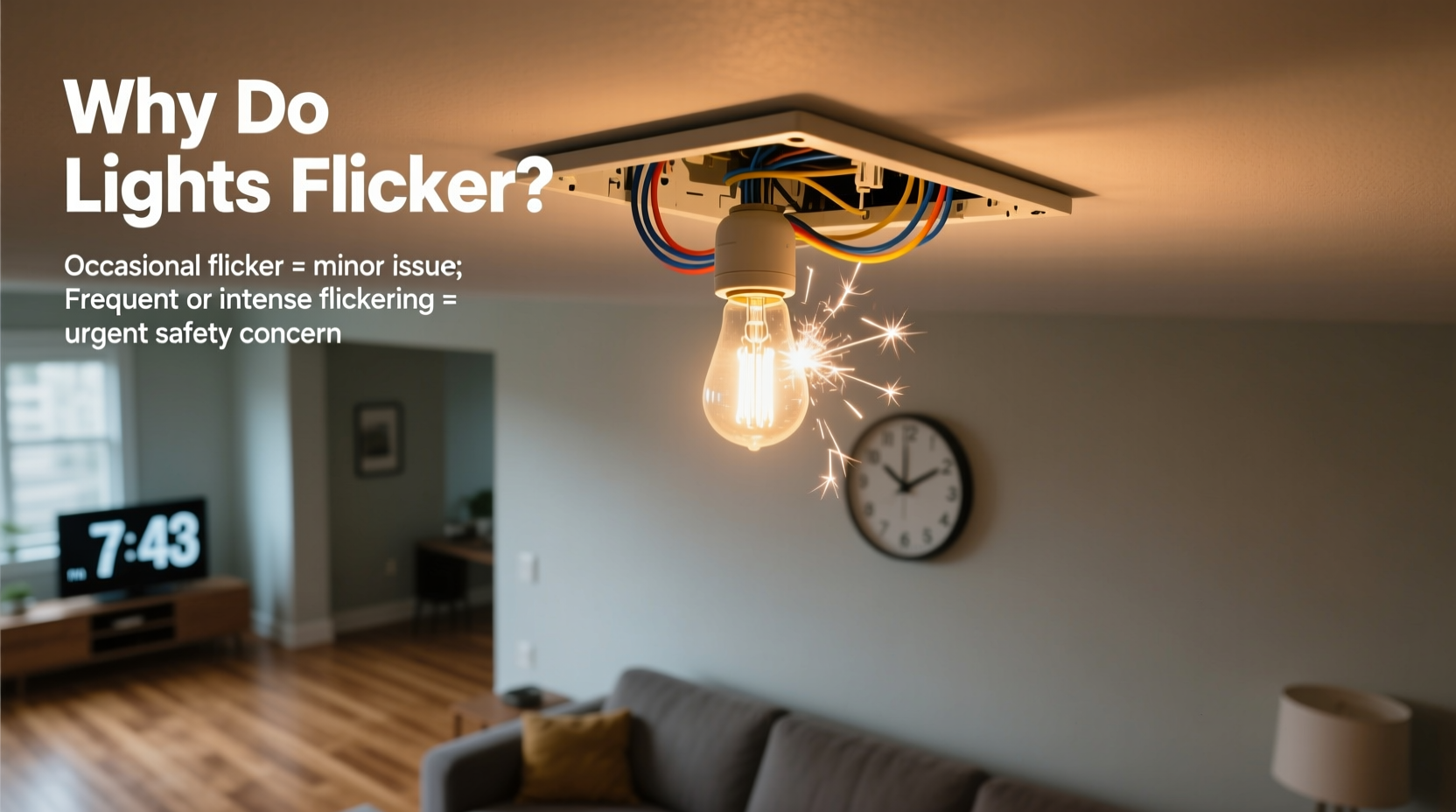
Flickering lights occur when there’s a variation in the voltage supplied to the lighting fixture. Voltage instability affects how consistently the bulb receives power, which in turn impacts its brightness. In incandescent bulbs, this fluctuation is more visible because the filament heats and cools rapidly. With LEDs and CFLs, flicker may be less obvious but can still manifest as a subtle strobe or dimming effect.
Not all flicker is created equal. Some types are inherent to certain technologies:
- LED flicker: Many low-quality LED drivers don’t regulate current smoothly, leading to high-frequency flicker that may cause eye strain or headaches over time.
- Fluorescent flicker: Older magnetic ballasts cycle at 60 Hz, making flicker more noticeable, especially in cold environments.
- Incandescent lag: These bulbs have thermal inertia—the filament stays hot briefly after power drops—so they’re less prone to visible flicker than other types.
The human eye typically detects flicker below 50–90 Hz. Above that threshold, it becomes imperceptible, though some people remain sensitive even to high-frequency flicker.
Common Causes of Occasional Flickering
Many instances of flickering are benign and tied to everyday household operations. Recognizing these normal triggers helps avoid unnecessary concern.
- Appliance startup: Large appliances like air conditioners, refrigerators, or washing machines draw a surge of power when starting up. This momentary voltage drop can cause lights on the same circuit to dim or flicker briefly.
- Loose bulbs: A bulb not fully screwed in can create an intermittent connection, resulting in flicker. This is especially common in ceiling fixtures subject to vibration.
- Dimming switches: Incompatible or aging dimmers can cause flickering, particularly with non-dimmable LEDs or when the dimmer is overloaded.
- Weather conditions: High winds or storms can cause tree branches to brush against power lines, leading to brief interruptions in service and flickering lights.
- Utility-side fluctuations: Power companies sometimes adjust load distribution or perform maintenance, causing short-term voltage changes.
In most of these cases, the flicker is momentary, isolated to one or two fixtures, and doesn’t worsen over time. No immediate intervention is needed unless the behavior becomes frequent or severe.
When Flickering Signals a Serious Problem
While occasional flicker may be normal, certain patterns suggest underlying electrical hazards. Ignoring these signs can lead to fire risk, equipment damage, or electrocution.
Warning Signs That Demand Attention
- Flickering across multiple rooms or throughout the house
- Accompanying symptoms like buzzing outlets, burning smells, or warm switch plates
- Sparks or popping sounds from outlets or breaker panels
- Breakers tripping frequently alongside flickering
- Flicker that increases in frequency or duration over days or weeks
“Persistent or whole-house flickering is never something to ignore. It often indicates loose wiring, overloaded circuits, or failing service connections—all of which pose fire risks.” — James Rutherford, Master Electrician & NFPA Contributor
Potential Electrical Faults Behind Dangerous Flicker
| Issue | Symptoms | Risk Level |
|---|---|---|
| Loose service conductors | Flickering during wind or rain; affects entire house | High (fire, outage) |
| Overloaded circuit | Flicker when multiple devices run; breaker trips | Moderate (equipment damage) |
| Faulty breaker or panel | Inconsistent power, buzzing, scorch marks | High (electrical fire) |
| Loose neutral wire | Random flickering, appliances malfunctioning | Very High (voltage imbalance) |
| Damaged wiring in walls | Flicker in specific areas, especially after renovations | High (hidden hazard) |
A loose neutral wire is particularly dangerous. Because it disrupts the return path for electricity, it can cause unpredictable voltage swings—some lights may burn brighter than normal, while others dim. This imbalance can destroy electronics and increase fire risk.
Mini Case Study: The Flickering Kitchen Lights
Mark, a homeowner in Portland, noticed his kitchen lights flickered every time the dishwasher started. At first, he assumed it was normal. But over three months, the flickering spread to the living room and hallway. He also began smelling a faint metallic odor near the breaker box.
He called an electrician who discovered a corroded main service lug—a connection point where utility power enters the home. The loose connection was overheating, causing voltage drops and posing a serious fire hazard. The electrician replaced the damaged component and upgraded the grounding system. Mark avoided what could have been a catastrophic failure.
This case illustrates how a seemingly minor issue can escalate silently. Early intervention saved thousands in potential fire damage and ensured family safety.
Step-by-Step Guide: Diagnosing and Addressing Flickering Lights
Follow this logical sequence to determine whether flickering is harmless or hazardous:
- Observe the pattern: Is the flicker momentary or continuous? Does it happen with appliance use or randomly?
- Check the bulb: Turn off the power and ensure the bulb is tightly secured. Replace if old or incompatible.
- Test another bulb: Swap in a known-working bulb of the same type to rule out bulb failure.
- Isolate the circuit: Turn off other devices on the same circuit. If flickering stops, an overload may be the cause.
- Inspect switches and dimmers: Ensure dimmers are rated for your bulb type (e.g., LED-compatible). Replace outdated models.
- Monitor other symptoms: Note any buzzing, heat, or smell near outlets or the panel.
- Contact your utility company: If flickering occurs during storms or affects neighbors, report it—they may have line issues.
- Hire a licensed electrician: If flickering persists, spreads, or involves warning signs, schedule a professional inspection.
Do not attempt to open the breaker panel or inspect internal wiring unless you are qualified. High-voltage components can be lethal.
Prevention Checklist: Keep Your Lighting Stable
Use this checklist to minimize flickering and maintain a safe electrical environment:
- ✅ Use bulbs compatible with your fixtures and dimmers
- ✅ Tighten bulbs regularly, especially in high-vibration areas
- ✅ Upgrade old dimmer switches to modern, load-appropriate models
- ✅ Avoid overloading circuits with high-wattage appliances
- ✅ Schedule periodic electrical inspections (every 5–10 years)
- ✅ Install surge protectors to guard against voltage spikes
- ✅ Trim trees near overhead power lines to prevent storm damage
- ✅ Label your breaker panel for quick identification during issues
FAQ: Common Questions About Flickering Lights
Is it normal for lights to flicker when the AC turns on?
Yes, a brief dim or flicker when a large motor starts is common due to the initial power surge. However, if the lights stay dim, flicker excessively, or affect multiple rooms, it may indicate an overloaded circuit or inadequate electrical service.
Can LED flickering cause health problems?
While not directly harmful, persistent flicker—especially at lower frequencies—can contribute to eye strain, headaches, or migraines in sensitive individuals. Using high-quality, flicker-free LEDs and proper drivers reduces this risk.
Should I worry if only one light flickers?
If only one light flickers and it stops after changing the bulb or tightening the fixture, it’s likely not a major issue. However, if the problem returns or spreads, investigate further. A single faulty fixture can sometimes reflect a larger circuit problem.
Conclusion: Stay Alert, Stay Safe
Flickering lights are more than just a nuisance—they’re signals. When understood correctly, they help you distinguish between routine electrical behavior and hidden dangers. Most homes will experience minor flicker from time to time, but consistent, widespread, or worsening flickering demands attention.
Your electrical system powers everything from heating to communication. Protecting it isn’t just about convenience—it’s about safety. By staying informed, performing basic checks, and knowing when to call a professional, you safeguard your property and loved ones.




 浙公网安备
33010002000092号
浙公网安备
33010002000092号 浙B2-20120091-4
Comments
No comments yet. Why don't you start the discussion?