
Lips are one of the most sensitive parts of the skin, lacking oil glands and a protective outer layer. This makes them prone to dryness, cracking, and chapping. Many people apply lip balm religiously, only to find their lips still flaking, peeling, or stinging. If you’ve experienced this frustrating cycle, you’re not alone. The truth is, lip balm alone may not be enough—and in some cases, it could even be making things worse. Understanding the deeper reasons behind persistent chapped lips is essential for effective relief.
This article explores the science of lip health, examines common misconceptions about lip balms, and identifies underlying medical, environmental, and behavioral causes that contribute to chronic chapping—even when protection seems to be in place.
The Science Behind Lip Dryness
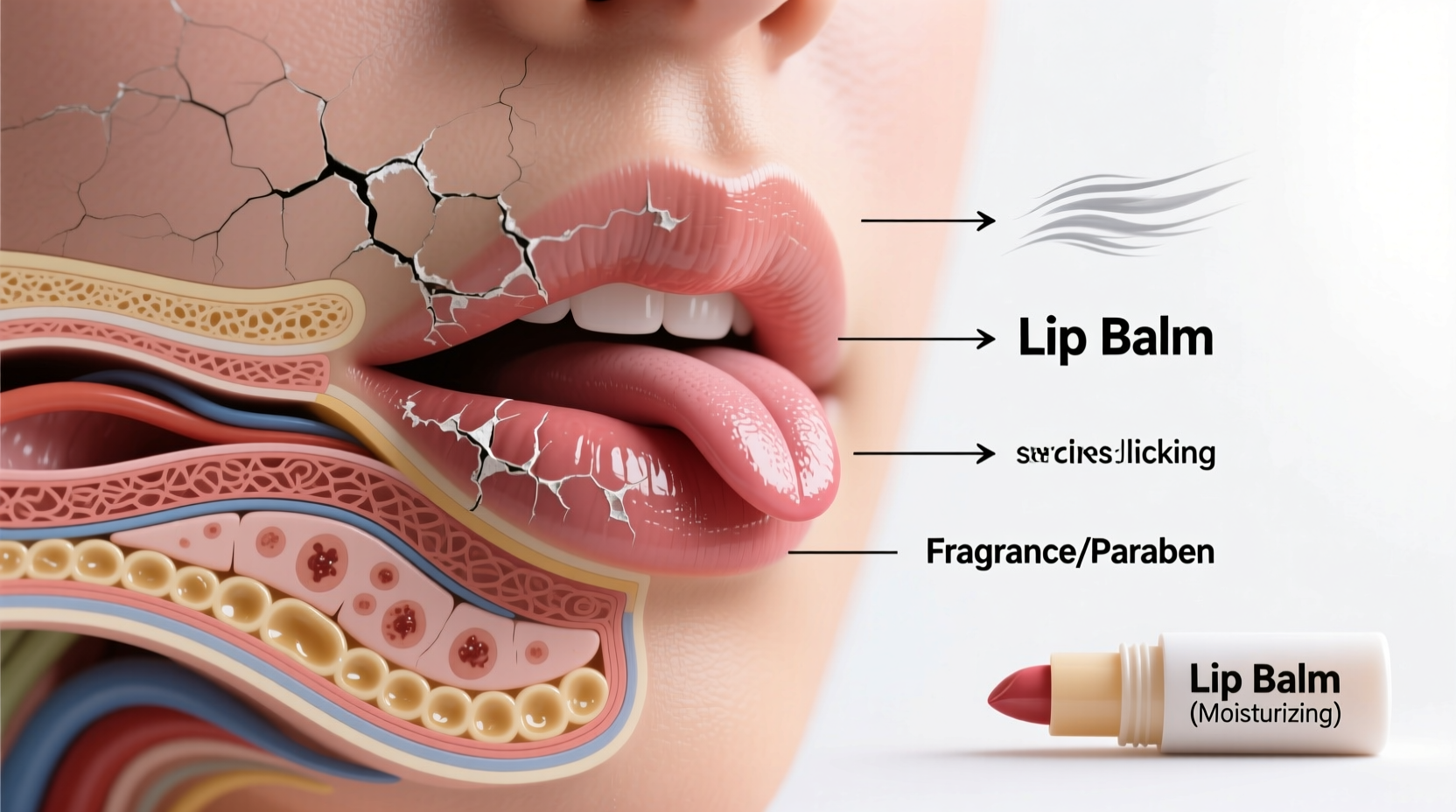
The skin on the lips differs significantly from the rest of the face. It’s thinner, has no sebaceous (oil) glands, and contains fewer layers of keratin. These structural differences mean lips cannot retain moisture as effectively and are more vulnerable to environmental stressors like wind, cold, and UV exposure.
When the lips lose moisture faster than it can be replenished, they begin to crack. Initially, this triggers a natural healing response—increased blood flow and mild inflammation. But repeated damage disrupts this process, leading to chronic chapping.
Lip balms work by forming an occlusive barrier that slows down moisture loss. However, not all balms are created equal. Some ingredients provide temporary relief but fail to support long-term healing. Worse, certain components can irritate or sensitize the skin over time.
Why Lip Balm Isn’t Always the Solution
Ironically, frequent use of lip balm can sometimes perpetuate the very problem it's meant to solve. This phenomenon, known as “lip balm dependency,” occurs when the lips become conditioned to rely on external moisturizers because natural hydration mechanisms are disrupted.
Many popular lip balms contain ingredients like menthol, camphor, phenol, or salicylic acid. While these create a cooling or tingling sensation that feels soothing initially, they are actually mild irritants. Over time, they strip the delicate lip tissue, increasing sensitivity and prompting more frequent application—a vicious cycle.
Additionally, flavored or scented balms often include artificial fragrances and allergens. Repeated exposure can lead to contact dermatitis, a condition where the lips swell, redden, and peel due to an allergic reaction.
“Some patients come in using lip balm every hour, thinking they’re helping. But their symptoms are actually being worsened by the product itself.” — Dr. Lena Torres, Dermatologist and Skin Barrier Specialist
Common Underlying Causes of Persistent Chapping
If your lips remain dry despite consistent balm use, consider these potential root causes:
1. Dehydration and Poor Nutrition
Even mild dehydration affects the body’s ability to maintain skin moisture. The lips show signs of fluid imbalance before other areas. In addition, deficiencies in key nutrients—especially B vitamins (like B2, B3, B6, and B12), iron, and zinc—can impair skin repair and lead to angular cheilitis (cracks at the corners of the mouth).
2. Allergic or Irritant Contact Cheilitis
This form of inflammation results from exposure to allergens or irritants found in toothpaste, lip products, foods, or dental materials. Common culprits include:
- Sodium lauryl sulfate (SLS) in toothpaste
- Fragrances and flavorings in lipsticks and balms
- Metal alloys in braces or dental fillings
- Cinnamaldehyde in cinnamon-flavored products
3. Medication Side Effects
Several prescription drugs list dry lips as a side effect. Notable examples include:
- Isotretinoin (Accutane) – used for acne, severely dries mucous membranes
- Retinoids – topical or oral forms reduce skin oil production
- Diuretics – increase fluid loss, contributing to systemic dehydration
- Antihistamines – reduce saliva and mucus production, drying oral tissues
4. Environmental Exposure
Cold, dry air saps moisture from the skin. Indoor heating during winter further reduces humidity. Conversely, excessive sun exposure damages lip tissue and increases the risk of actinic cheilitis, a precancerous condition caused by UV radiation.
5. Chronic Licking or Biting Habits
Habitual lip licking—often subconscious—exposes lips to saliva, which contains enzymes like amylase that break down organic matter. While helpful for digestion, these enzymes degrade the protective layer of the lips. Similarly, biting or picking at flakes removes new skin, delaying healing.
6. Medical Conditions
Persistent chapped lips can signal broader health issues:
- Eczema (Atopic Dermatitis): Can affect the lips, causing dry, itchy, inflamed skin.
- Psoriasis: May appear on lips as thick, scaly patches.
- Sjögren’s Syndrome: An autoimmune disorder that reduces moisture production in eyes, mouth, and skin.
- Oral Thrush or Fungal Infections: Often cause cracked corners of the mouth and discomfort.
- Autoimmune Cheilitis: Rare but serious conditions like lupus can manifest with severe lip inflammation.
Do’s and Don’ts: A Practical Guide to Healthier Lips
| Do | Don't |
|---|---|
| Use fragrance-free, hypoallergenic lip balm with occlusive agents (e.g., petrolatum) | Use balms with menthol, camphor, or alcohol |
| Stay hydrated—aim for 8–10 glasses of water daily | Ignore signs of dehydration like dark urine or fatigue |
| Apply balm after meals and before bed | Lick your lips to moisten them |
| Treat underlying nutrient deficiencies with diet or supplements | Use expired or shared lip products |
| Wear a broad-spectrum SPF lip balm during daylight hours | Leave lips unprotected in sun or wind |
Real-Life Example: When Lip Balm Made Things Worse
Sophie, a 32-year-old teacher from Colorado, used a popular mint-flavored lip balm several times a day during winter. Despite constant application, her lips became increasingly dry, cracked, and painful. She visited a dermatologist after developing sores that wouldn’t heal.
Testing revealed an allergy to cinnamaldehyde, a common flavoring agent in lip products. Sophie had unknowingly been reapplying an allergen throughout the day. After switching to a plain petrolatum-based ointment and eliminating flavored balms, her symptoms resolved within three weeks.
Her case highlights how seemingly harmless ingredients can trigger chronic irritation—especially when applied repeatedly to compromised skin.
Step-by-Step: How to Break the Chapping Cycle
If your lips won’t heal, follow this structured approach to identify and resolve the issue:
- Stop Using All Lip Products Temporarily
Allow your lips to return to a baseline state. For 3–5 days, avoid balms, glosses, and makeup to assess natural healing. - Hydrate Internally
Drink plenty of water and monitor urine color (pale yellow indicates good hydration). - Switch to a Medicated Ointment if Needed
If there’s visible cracking or infection, use a non-irritating ointment like plain petroleum jelly or a prescription barrier cream. - Eliminate Suspect Ingredients
Check labels for menthol, phenol, lanolin, fragrances, and flavors. Replace with a minimal-ingredient balm. - Assess Your Oral Care Routine
Switch to SLS-free toothpaste and avoid mouthwashes with alcohol. - Review Medications
Talk to your doctor if you're on isotretinoin, diuretics, or antihistamines and experiencing severe dryness. - Consult a Specialist if Symptoms Persist
See a dermatologist or allergist for patch testing or evaluation of systemic conditions.
Frequently Asked Questions
Can drinking more water really help chapped lips?
Yes. While topical treatment is important, internal hydration supports overall skin integrity. Dehydrated bodies cannot maintain moisture in vulnerable areas like the lips. Drinking adequate water improves cellular function and aids recovery—but it must be combined with external protection.
Is it bad to exfoliate chapped lips?
Exfoliation should be approached with caution. Gentle removal of dead skin can help balm penetrate better, but aggressive scrubbing worsens micro-tears. Use a soft toothbrush or warm washcloth lightly, no more than once a week. Never peel flakes with fingers.
Why do my lips chap only in winter?
Cold air holds less moisture, and indoor heating reduces humidity. This combination accelerates transepidermal water loss. Wind exposure also damages the lipid barrier. Using a humidifier indoors and wearing a scarf over the mouth in extreme weather can help prevent seasonal chapping.
Conclusion: Beyond the Balm Tube
Chronic chapped lips are rarely just a surface-level issue. While lip balm plays a role in protection, it’s not a cure-all. True healing requires understanding the interplay between product ingredients, lifestyle habits, environmental exposure, and underlying health conditions.
Instead of reaching for the balm tube every time your lips feel dry, pause and ask: What’s causing this? Is my product helping—or harming? Could a deficiency, medication, or habit be at play?
By shifting focus from symptom management to root-cause resolution, you can break the cycle of recurring dryness and achieve healthier, more resilient lips for the long term.




 浙公网安备
33010002000092号
浙公网安备
33010002000092号 浙B2-20120091-4
Comments
No comments yet. Why don't you start the discussion?