
Excessive underarm sweating—known medically as axillary hyperhidrosis—affects millions of people worldwide. While sweating is a natural bodily function that helps regulate temperature, constant or uncontrollable armpit perspiration can be uncomfortable, embarrassing, and disruptive to daily life. The condition often begins in adolescence and may persist into adulthood if left unmanaged. Understanding the underlying causes and available treatments can make a significant difference in regaining comfort and confidence.
Understanding Normal vs. Excessive Sweating
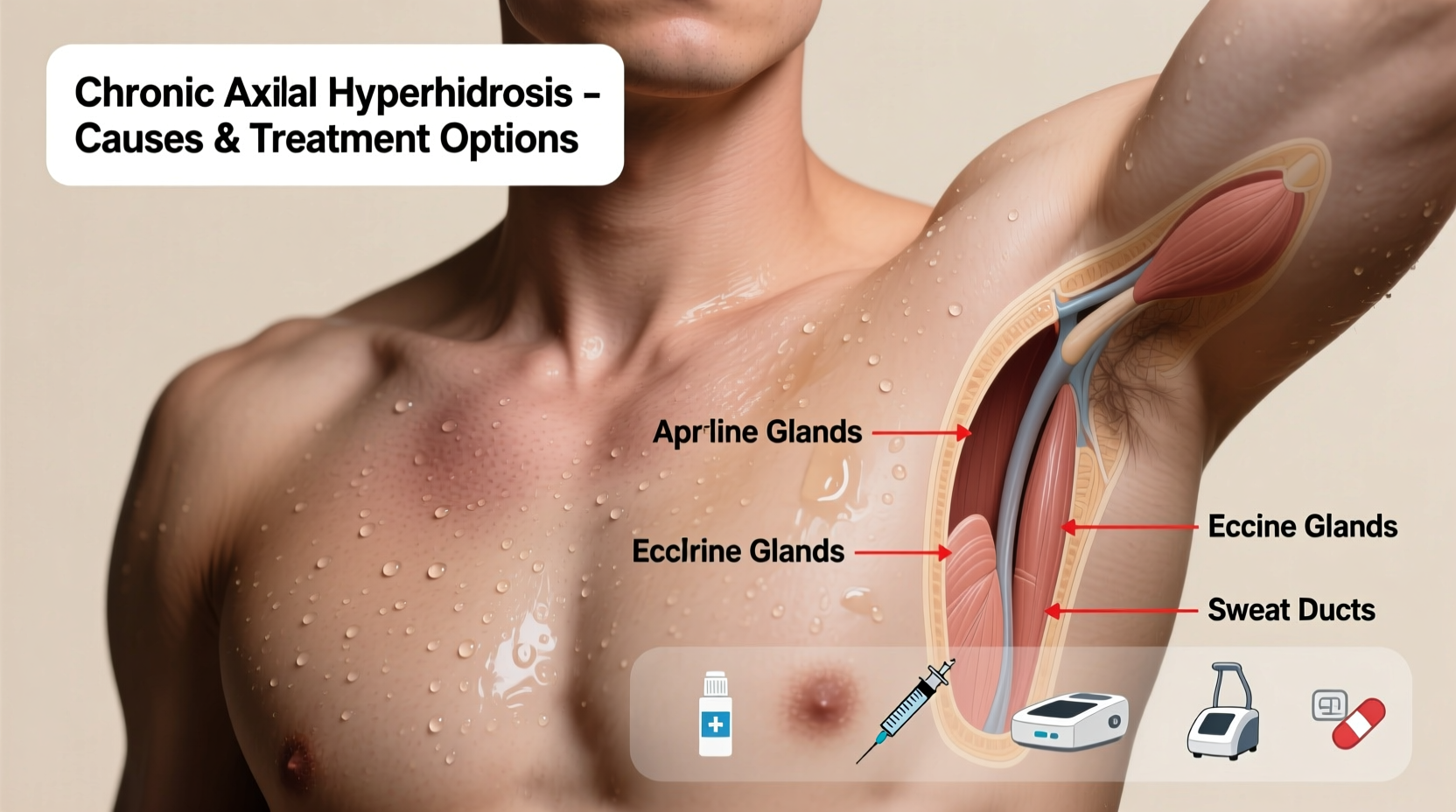
The human body contains approximately 2 to 4 million sweat glands, with a high concentration located in the armpits. Eccrine glands produce a clear, odorless fluid to cool the body during heat or physical activity. Apocrine glands, active after puberty, secrete a thicker fluid that interacts with bacteria on the skin, causing body odor.
Normal sweating occurs in response to heat, exercise, or stress. However, when armpits sweat excessively without an apparent trigger—soaking through clothing even at rest—it may indicate hyperhidrosis. Primary focal hyperhidrosis affects specific areas like palms, feet, face, and underarms, typically without an underlying medical cause. Secondary hyperhidrosis, on the other hand, results from medical conditions or medications and often involves generalized sweating across the body.
Common Causes of Constant Armpit Sweating
Several factors contribute to persistent underarm perspiration. Some are physiological, while others stem from lifestyle or health-related issues.
- Genetics: Hyperhidrosis often runs in families. If one or both parents experienced excessive sweating, there’s a higher likelihood you will too.
- Hormonal changes: Puberty, pregnancy, menopause, or thyroid disorders can increase sweat production due to hormonal fluctuations.
- Anxiety and stress: Emotional triggers activate the sympathetic nervous system, prompting sweat glands to overproduce.
- Medications: Antidepressants, hormone therapies, and certain diabetes drugs list sweating as a side effect.
- Obesity: Excess body weight increases metabolic activity and insulation, leading to more sweating.
- Diet: Spicy foods, caffeine, and alcohol can stimulate thermoregulatory responses, increasing perspiration.
- Medical conditions: Diabetes, hyperthyroidism, infections, and some cancers (e.g., lymphoma) may present with night sweats or generalized hyperhidrosis.
“Primary hyperhidrosis is not dangerous, but it can severely impact quality of life. Patients often avoid social interactions or change clothes multiple times a day.” — Dr. Linda Chen, Dermatologist and Sweat Disorder Specialist
Treatment Options for Excessive Underarm Sweating
Effective management depends on the severity and underlying cause. Mild cases may respond well to over-the-counter solutions, while moderate to severe hyperhidrosis may require clinical intervention.
1. Over-the-Counter Antiperspirants
Antiperspirants containing aluminum salts block sweat ducts temporarily. Apply at night when sweat glands are less active for maximum absorption. Look for products labeled “clinical strength” for better results.
2. Prescription Treatments
Dermatologists may prescribe stronger antiperspirants like aluminum chloride hexahydrate (Drysol), topical wipes with glycopyrronium (Qbrexza), or oral medications such as anticholinergics. These reduce nerve signals to sweat glands but may cause dry mouth or blurred vision as side effects.
3. Botulinum Toxin (Botox) Injections
Botox injections block acetylcholine release, preventing sweat gland activation. Results last 4–6 months and require repeat sessions. FDA-approved for severe axillary hyperhidrosis, this treatment offers significant relief for most patients.
4. Microwave Thermolysis (miraDry)
This non-invasive procedure uses electromagnetic energy to destroy sweat glands permanently. Typically completed in one or two sessions, miraDry provides long-term reduction in underarm sweating and odor. Some discomfort and swelling may occur post-treatment.
5. Iontophoresis
Though commonly used for hands and feet, specialized devices can target underarms. This method passes mild electrical currents through water-soaked pads to temporarily disable sweat glands. Requires regular sessions for maintenance.
6. Surgical Options
In extreme cases, procedures like sympathectomy (cutting nerves that control sweating) or excision/liposuction of sweat glands may be considered. Surgery carries risks, including compensatory sweating in other body areas, and is usually a last resort.
| Treatment | Effectiveness | Duration | Cost Range (USD) |
|---|---|---|---|
| OTC Antiperspirants | Mild | 24 hours | $5–$20 |
| Prescription Wipes | Moderate | Daily use needed | $200–$400/month |
| Botox Injections | High | 4–6 months | $1,000–$1,500/session |
| miraDry | Very High | Long-term/Permanent | $2,000–$3,500/treatment |
| Iontophoresis | Moderate | Requires maintenance | $300–$800 (device) |
Step-by-Step Guide to Managing Armpit Sweat
- Assess your symptoms: Determine frequency, triggers, and impact on daily life. Keep a sweat diary for one week.
- Try clinical-strength antiperspirant: Apply nightly for 3–5 nights, then weekly maintenance.
- Wear breathable fabrics: Choose cotton, moisture-wicking materials, or specialized undershirts.
- Consult a dermatologist: If OTC methods fail, seek professional evaluation to rule out secondary causes.
- Explore medical treatments: Discuss Botox, miraDry, or prescription options based on severity and lifestyle.
- Adopt supportive habits: Manage stress, avoid dietary triggers, and maintain good hygiene.
Real-Life Example: Sarah’s Experience with Hyperhidrosis
Sarah, a 28-year-old teacher, struggled with underarm sweating since high school. She avoided wearing light-colored shirts and dreaded raising her hand in meetings. After years of embarrassment, she consulted a dermatologist who diagnosed her with primary focal hyperhidrosis. She started using Qbrexza wipes daily and noticed a 70% reduction in sweating within two weeks. Though the cost was high, Sarah reported improved confidence and no longer felt self-conscious during parent-teacher conferences.
Do’s and Don’ts for Managing Armpit Sweat
| Do’s | Don’ts |
|---|---|
| Apply antiperspirant at night | Use deodorant instead of antiperspirant |
| Wear moisture-wicking clothing | Overapply product, risking skin irritation |
| Shower daily and dry thoroughly | Ignore signs of infection or rash |
| Seek medical advice early | Assume nothing can be done |
Frequently Asked Questions
Can anxiety really cause excessive armpit sweating?
Yes. Anxiety activates the sympathetic nervous system, which directly stimulates sweat glands. Chronic stress can lead to persistent sweating, even in cool environments. Cognitive behavioral therapy (CBT) and relaxation techniques may help reduce emotional triggers.
Is it possible to sweat too much and become dehydrated?
While hyperhidrosis increases fluid loss, the body usually compensates by signaling thirst. However, individuals with severe sweating should monitor hydration, especially in hot climates or during physical activity. Drinking water throughout the day helps maintain balance.
Will shaving my armpits reduce sweating?
Shaving doesn’t reduce sweat production, but it can improve the effectiveness of antiperspirants by removing hair that traps moisture and bacteria. It may also reduce visible wetness and odor by allowing faster evaporation.
Take Control of Your Comfort
Constant armpit sweating doesn’t have to define your daily experience. From simple hygiene adjustments to advanced medical therapies, effective solutions exist. The key is recognizing the problem, understanding its roots, and taking proactive steps. Whether it’s switching to a stronger antiperspirant or scheduling a consultation with a dermatologist, small actions can lead to meaningful improvements in comfort and self-esteem.




 浙公网安备
33010002000092号
浙公网安备
33010002000092号 浙B2-20120091-4
Comments
No comments yet. Why don't you start the discussion?