
Armpit pain is more common than many people realize, yet it often raises concern due to its proximity to vital organs and lymph nodes. While most cases stem from minor, treatable conditions like muscle strain or skin irritation, persistent or severe discomfort can sometimes signal underlying health issues. Understanding the root causes—and knowing when to take action—can prevent complications and provide peace of mind.
Common Causes of Armpit Pain
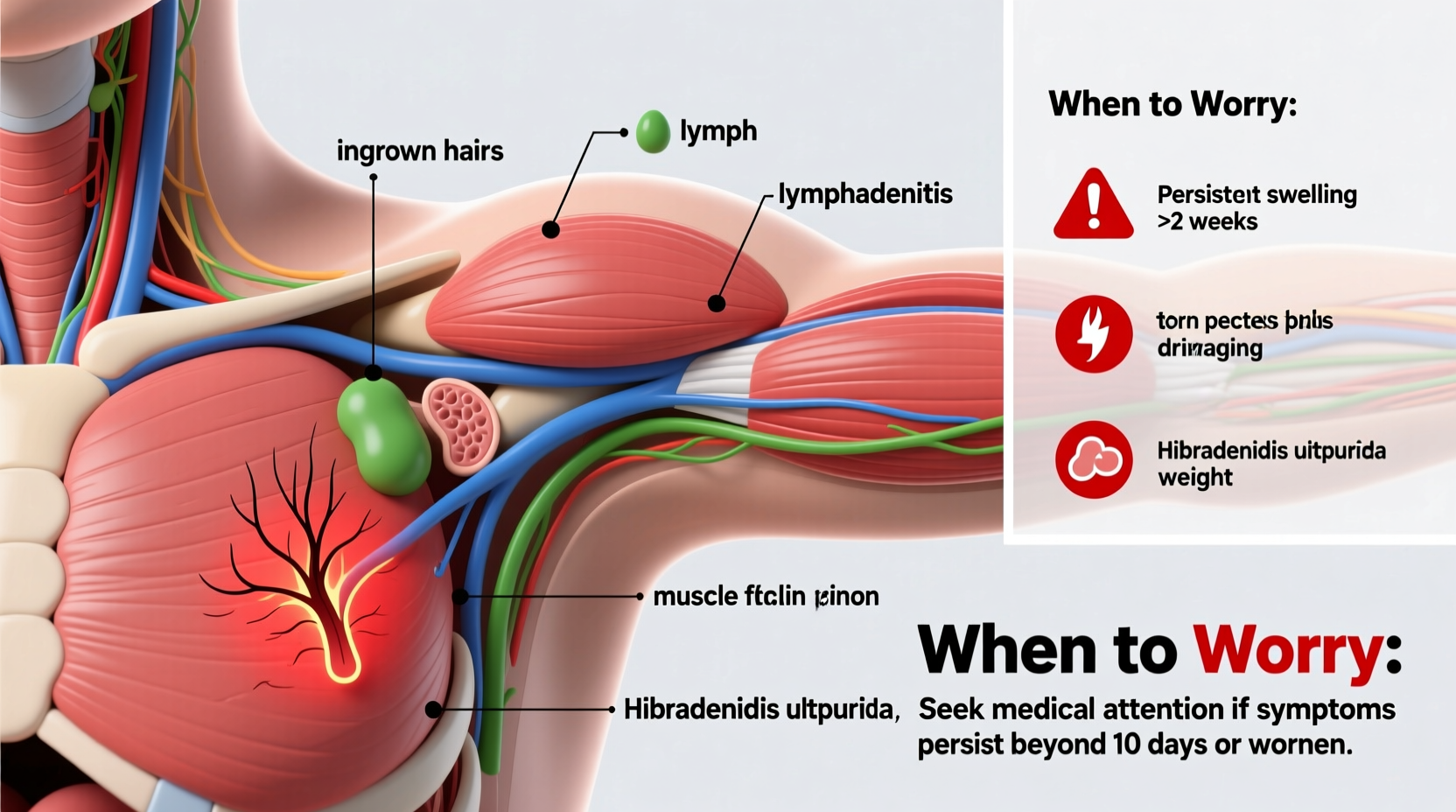
The armpit contains a network of blood vessels, nerves, sweat glands, hair follicles, and lymph nodes, all of which can contribute to discomfort under certain conditions. Most causes are benign and resolve with time or simple treatment.
- Lymph node swelling: One of the most frequent reasons for armpit tenderness. Lymph nodes react to infections such as colds, flu, or skin infections in the arm or chest area.
- Shaving irritation: Razor burn, ingrown hairs, or folliculitis (inflammation of hair follicles) can cause localized pain, redness, and bumps.
- Muscle strain: Overuse of the arms during workouts, lifting, or repetitive motions can lead to soreness that radiates into the armpit.
- Skin infections: Bacterial or fungal infections like boils or candidiasis thrive in warm, moist areas and may produce pain along with rash or discharge.
- Deodorant or antiperspirant reaction: Some individuals experience allergic reactions or chemical irritation from ingredients like aluminum or fragrances.
When Armpit Pain Could Signal Something Serious
While occasional discomfort is usually harmless, certain symptoms should prompt immediate evaluation by a healthcare provider. The armpit houses axillary lymph nodes, which play a crucial role in immune function and can reflect systemic conditions.
“Persistent unilateral armpit pain without clear cause should not be ignored—especially if accompanied by a lump, skin changes, or unexplained fatigue.” — Dr. Lena Patel, Internal Medicine Specialist
Potentially serious causes include:
- Breast cancer: Tumors can spread to nearby lymph nodes, causing firm, immovable lumps under the arm. Pain may not always be present, but any new mass warrants imaging.
- Lymphoma: A type of cancer affecting the lymphatic system. Symptoms include painless swelling, night sweats, weight loss, and fatigue.
- Infections requiring antibiotics: Abscesses or cellulitis may develop from untreated folliculitis and require drainage or prescription medication.
- Post-vaccination reactions: Especially following mRNA COVID-19 vaccines, temporary lymph node swelling in the armpit is well-documented and typically resolves within weeks.
Do’s and Don’ts: Managing Armpit Discomfort at Home
| Do | Don’t |
|---|---|
| Apply warm compresses to reduce swelling from cysts or inflamed nodes | Pop or squeeze painful bumps—this increases infection risk |
| Wear loose-fitting, breathable clothing to minimize friction | Use scented soaps or alcohol-heavy deodorants on irritated skin |
| Monitor changes in lump size, texture, or associated symptoms | Ignore a hard, painless lump that persists beyond 3–4 weeks |
| Practice gentle shaving techniques with clean tools | Shave over active rashes or infected areas |
Real-Life Example: Recognizing When to Seek Help
Sarah, a 38-year-old teacher, noticed a tender spot under her right arm two weeks after a routine flu shot. Initially dismissing it as vaccine-related swelling, she became concerned when the lump didn’t shrink after a month and began feeling fatigued. She also detected subtle dimpling on her breast skin. After consulting her doctor, an ultrasound revealed enlarged lymph nodes. Further testing led to an early-stage breast cancer diagnosis. Thanks to timely intervention, Sarah underwent successful treatment with minimal long-term impact.
This case highlights how seemingly routine symptoms can overlap with serious conditions—and why vigilance matters.
Step-by-Step Guide: Evaluating Your Symptoms
If you're experiencing armpit pain, follow this structured approach to determine whether self-care is sufficient or medical evaluation is needed:
- Assess onset and duration: Did the pain start suddenly or gradually? Has it lasted more than two weeks?
- Check for lumps: Gently feel the area. Note if the lump is soft or hard, movable or fixed, tender or painless.
- Review recent activities: Consider shaving, new deodorants, intense exercise, or infections (e.g., cold, skin wound).
- Look for systemic signs: Fever, night sweats, unexplained weight loss, or fatigue suggest possible infection or illness.
- Examine the breast tissue: Check for skin changes (dimpling, redness), nipple discharge, or additional lumps.
- Decide on next steps: Mild, transient pain likely doesn’t require urgent care. Persistent, worsening, or concerning symptoms need professional assessment.
Frequently Asked Questions
Can stress cause armpit pain?
Stress itself doesn’t directly cause armpit pain, but it can exacerbate muscle tension or trigger habits like teeth grinding or shoulder clenching, which may refer pain to the underarm area. Additionally, stress weakens immunity, potentially prolonging recovery from infections.
Is armpit pain normal after a vaccine?
Yes. Swollen lymph nodes under the arm—especially after vaccines like those for COVID-19, tetanus, or HPV—are common immune responses. This typically appears within days and resolves within 2–6 weeks. If swelling persists longer or grows, consult your physician.
Should I go to the doctor for a painful lump under my arm?
You should see a doctor if the lump is hard, doesn’t move, continues growing, or remains beyond four weeks. Also seek help if you have fever, unexplained weight loss, or skin changes on the breast.
Prevention and Daily Care Checklist
Minimizing armpit discomfort starts with consistent hygiene and awareness. Use this checklist to stay proactive:
- ✔️ Shave carefully using sharp, clean razors and moisturizing gel
- ✔️ Avoid sharing personal items like towels or deodorants
- ✔️ Rotate deodorant brands if irritation occurs
- ✔️ Wear moisture-wicking fabrics during physical activity
- ✔️ Perform regular self-exams of armpits and breasts
- ✔️ Stay up to date with vaccinations and routine health screenings
Conclusion: Listen to Your Body
Armpit pain is often fleeting and easily explained by daily habits or minor injuries. But because the region is rich in lymphatic tissue, it can also serve as an early warning system for deeper health concerns. Ignoring persistent symptoms could delay diagnosis of treatable—but serious—conditions. By combining self-awareness with timely medical consultation, you protect not just comfort but overall well-being.




 浙公网安备
33010002000092号
浙公网安备
33010002000092号 浙B2-20120091-4
Comments
No comments yet. Why don't you start the discussion?