
Itchy armpits are more than just a minor annoyance—they can disrupt your day, affect your confidence, and even signal an underlying health issue. While occasional itching may be harmless, persistent or severe discomfort deserves attention. The underarm area is sensitive, prone to moisture, friction, and exposure to irritants, making it a hotspot for irritation. Understanding the root causes and knowing how to respond can bring fast relief and prevent recurrence.
Common Causes of Armpit Itching
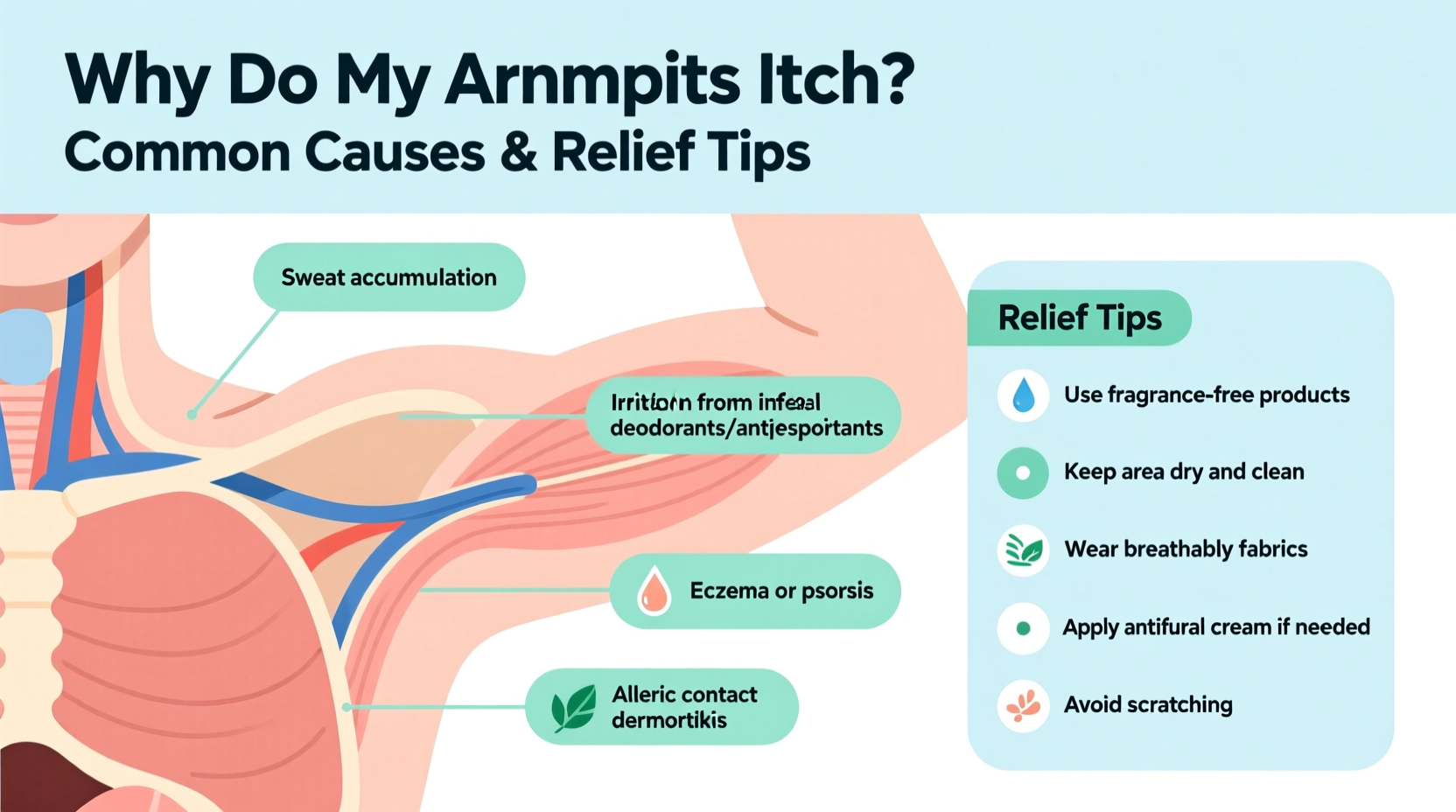
The skin under your arms faces unique challenges: constant movement, sweat accumulation, and frequent contact with deodorants, fabrics, and shaving tools. These factors contribute to several possible triggers for itching.
- Sweat and Moisture Buildup: Sweat itself isn’t irritating, but when it mixes with bacteria on the skin, it can lead to inflammation and itching. Trapped moisture in warm weather or tight clothing worsens this effect.
- Irritation from Deodorants or Antiperspirants: Many products contain alcohol, fragrances, or aluminum compounds that can trigger allergic reactions or contact dermatitis, especially after shaving.
- Fungal Infections (e.g., Candida or Tinea): Warm, moist areas like the armpits are ideal environments for fungi. A red, itchy rash with defined borders may indicate a yeast infection.
- Bacterial Infections: Conditions like erythrasma—caused by *Corynebacterium minutissimum*—produce scaly, itchy patches often mistaken for fungal issues.
- Shaving Irritation or Folliculitis: Razor burn, ingrown hairs, or inflamed hair follicles commonly cause localized itching and small bumps.
- Allergic Reactions (Contact Dermatitis): Beyond deodorants, laundry detergents, fabric softeners, or new clothing materials can provoke immune responses leading to itching.
- Hidradenitis Suppurativa: A chronic condition involving blocked sweat glands, causing deep lumps, pain, and intense itching. Often misdiagnosed early on.
- Psoriasis or Eczema: These skin disorders can appear in body folds, including the armpits, causing dryness, flaking, and relentless itching.
When to See a Doctor
While most cases resolve with simple changes, some symptoms warrant medical evaluation. Persistent itching lasting more than two weeks, spreading rashes, open sores, foul odor, or fever suggest an infection or systemic condition needing diagnosis.
“Recurrent armpit itching should never be ignored. What seems like simple irritation could be an early sign of hidradenitis suppurativa or a fungal overgrowth requiring targeted treatment.” — Dr. Lena Torres, Board-Certified Dermatologist
Additionally, if you notice swollen lymph nodes under the arm, unexplained weight loss, or night sweats alongside itching, consult a healthcare provider promptly to rule out rare but serious conditions such as lymphoma.
Effective Relief Strategies and Prevention Tips
Treating itchy armpits begins with identifying the likely cause and adjusting habits accordingly. Here’s a practical approach to soothe irritation and prevent future flare-ups.
Step-by-Step Guide to Soothing Itchy Armpits
- Stop Using Potential Irritants: Pause all deodorants, antiperspirants, and fragranced products for at least 48 hours.
- Clean Gently: Wash the area once daily with lukewarm water and a fragrance-free, hypoallergenic cleanser. Avoid scrubbing.
- Pat Dry Thoroughly: Use a clean towel to pat—not rub—the area dry. Residual moisture encourages fungal growth.
- Apply a Soothing Agent: Use over-the-counter hydrocortisone cream (1%) for up to seven days to reduce inflammation and itching. For suspected fungal causes, try clotrimazole or miconazole cream.
- Wear Breathable Clothing: Choose loose-fitting, cotton-based garments that allow airflow and wick moisture away.
- Resume Product Use Gradually: After symptoms subside, reintroduce one product at a time to identify triggers.
Checklist: Daily Armpit Care Routine
- ✔ Shower daily with mild soap
- ✔ Dry armpits completely after washing
- ✔ Wear breathable, non-restrictive clothing
- ✔ Avoid heavily fragranced deodorants
- ✔ Shave carefully with a clean razor
- ✔ Monitor for new rashes or bumps
Do’s and Don’ts: Managing Armpit Health
| Do’s | Don’ts |
|---|---|
| Use fragrance-free skincare products – They minimize allergy risk. | Use alcohol-heavy antiperspirants – They strip natural oils and worsen irritation. |
| Change razors frequently – Dull blades increase friction and nicks. | Share towels or personal care items – This spreads bacteria and fungi. |
| Apply cornstarch-based powders – They absorb moisture without clogging pores. | Scratch intensely – This damages skin and invites infection. |
| See a dermatologist for recurring issues – Early diagnosis prevents complications. | Ignore worsening symptoms – Delayed care can lead to scarring or chronic conditions. |
Real-Life Example: From Chronic Itching to Lasting Relief
Sarah, a 34-year-old teacher, struggled with itchy armpits for months. She assumed it was due to sweating during long school days and tried stronger antiperspirants, which only made things worse. Eventually, she developed a red, scaly rash that stung when touched. After visiting a dermatologist, she was diagnosed with a combination of allergic contact dermatitis and candidiasis—a yeast infection thriving in the moist environment her antiperspirant created.
Her treatment plan included discontinuing her deodorant, using a prescription antifungal cream, and switching to a mineral-based, fragrance-free alternative. Within three weeks, her symptoms cleared. Sarah now checks ingredient labels carefully and uses breathable undershirts during summer—simple changes that transformed her comfort.
Frequently Asked Questions
Can stress make my armpits itch?
Yes. Stress increases sweat production and weakens the skin barrier, making you more susceptible to irritation and infections. Emotional stress can also exacerbate conditions like eczema or psoriasis in sensitive areas.
Is it safe to use hydrocortisone cream under my arms?
Yes, short-term use (up to one week) of 1% hydrocortisone cream is generally safe for reducing inflammation and itching. However, prolonged use can thin the skin, especially in delicate areas. Always follow label instructions or consult a doctor.
Can natural deodorants cause itching?
They can. Despite being marketed as “gentler,” many natural deodorants contain baking soda, essential oils, or plant extracts that are common allergens. Patch testing behind the ear before full use is recommended.
Final Thoughts and Call to Action
Itchy armpits are common but not something you have to live with. Whether the cause is simple irritation or a deeper skin condition, relief is possible through informed care and timely intervention. Start by evaluating your hygiene routine, eliminating potential irritants, and adopting gentle, breathable practices. Pay attention to your body’s signals—persistent itching is a message, not just a nuisance.




 浙公网安备
33010002000092号
浙公网安备
33010002000092号 浙B2-20120091-4
Comments
No comments yet. Why don't you start the discussion?