
There’s nothing more frustrating than pulling freshly washed clothes from the machine only to be met with a damp, earthy, or mildew-like odor. It defeats the entire purpose of laundering. Musty smells in clean laundry aren’t always due to poor washing habits—they often stem from hidden issues within the washing machine itself. The good news? Most causes are preventable, and many fixes require no tools or costly service calls. With a few smart, science-backed machine hacks, you can eliminate lingering odors and ensure your laundry comes out smelling fresh every time.
Understanding the Root Causes of Musty Smells
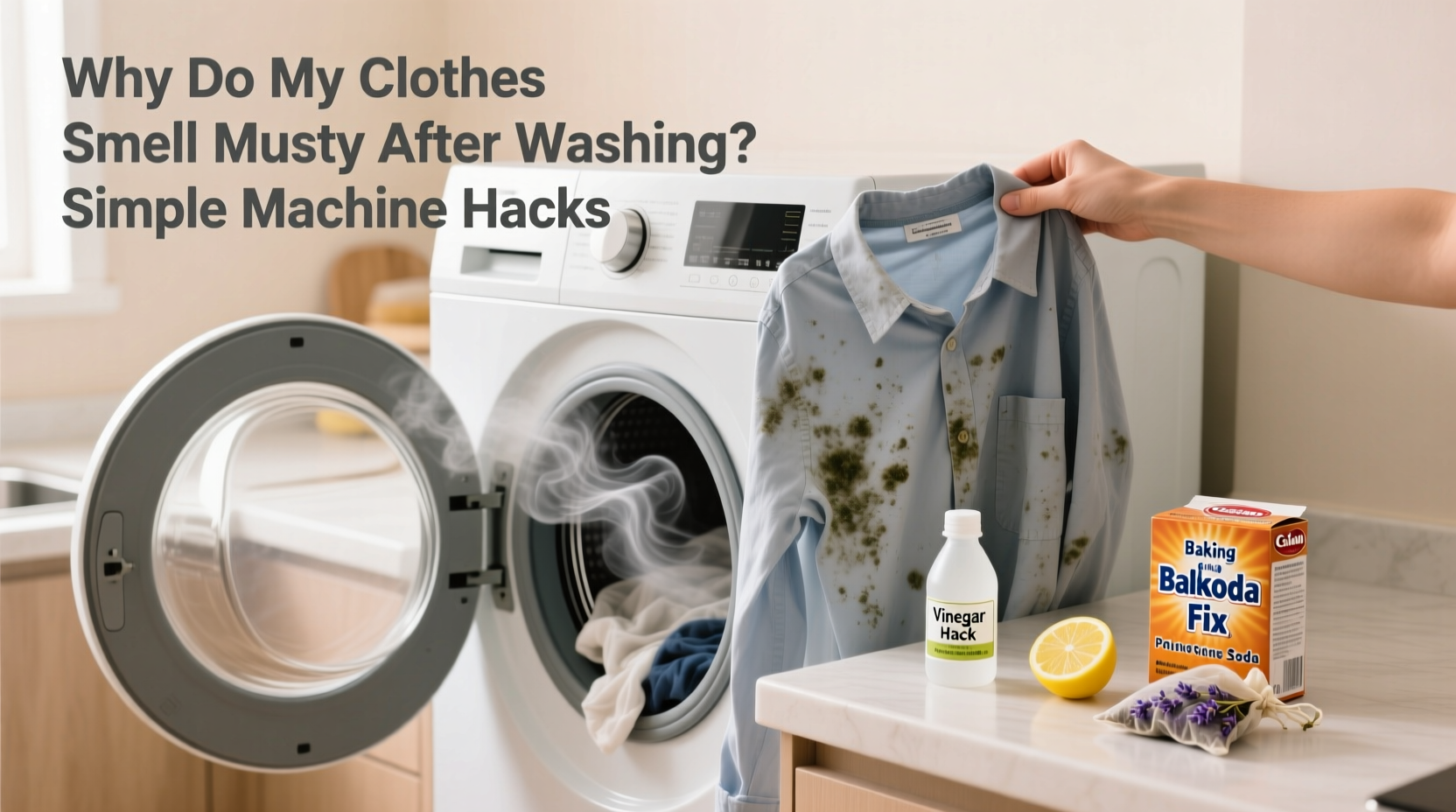
A musty odor in washed clothes typically points to microbial growth—mold and mildew—thriving in moist, dark environments. Your washing machine, especially front-load models, provides the perfect breeding ground when moisture, detergent residue, and organic matter (like body oils and lint) accumulate over time. Unlike top-loaders that fully drain and dry between cycles, front-loading machines retain water in gaskets, hoses, and internal compartments, creating a persistent dampness that fosters bacterial colonies.
Another common culprit is using too much detergent. Excess suds don’t rinse away completely, leaving behind a soapy film that traps moisture and attracts bacteria. High-efficiency (HE) machines are particularly sensitive to overdosing. Even fabric softener buildup can coat drum surfaces and reduce airflow, contributing to odor retention.
Environmental factors also play a role. Washing in cold water regularly without occasional hot cycles allows biofilm to build up inside the machine. Similarly, leaving wet clothes sitting for hours after the cycle ends creates a humid microclimate ideal for mold spores.
Simple Machine Hacks to Eliminate Mustiness
The best way to stop musty smells is to attack the source—not just the symptoms. These practical, low-cost machine maintenance hacks take minutes but deliver lasting results.
1. Run a Monthly Cleaning Cycle with White Vinegar
Vinegar is a natural disinfectant and descaler. Its acetic acid breaks down soap scum, mineral deposits, and kills odor-causing bacteria. To deep-clean your machine:
- Set your washer to the hottest, longest cycle (usually “Clean Washer” or “Sanitize”).
- Add 2 cups of distilled white vinegar directly into the drum—do not use detergent.
- Let the cycle complete. Pause mid-cycle if possible to allow vinegar to soak for 30–60 minutes.
- Wipe down the rubber gasket, door, and detergent tray with a vinegar-dampened cloth afterward.
This removes grime from hard-to-reach areas and neutralizes odors at the microbial level.
2. Use Baking Soda to Deodorize and Scrub Residue
Baking soda acts as a gentle abrasive and pH neutralizer. Once every two months, follow your vinegar wash with a baking soda treatment:
- Sprinkle ½ cup of baking soda into the drum.
- Run a hot water cycle without clothes or detergent.
- Focus on scrubbing the door seal crevices where gunk collects—use an old toothbrush for precision.
This combination dissolves sticky residues and leaves the interior smelling clean and neutral.
3. Clean the Detergent Dispenser and Drain Filter Regularly
Most people overlook these components, but they trap water and debris. The detergent drawer can harbor mold, while the drain pump filter collects lint and foreign objects that restrict drainage.
To clean the dispenser:
- Remove the drawer according to your model’s instructions (often a simple slide-and-release).
- Soak in warm vinegar water for 15 minutes.
- Scrub with a brush and rinse thoroughly before reinserting.
For the drain filter:
- Locate it at the front lower panel of your machine (consult your manual).
- Place towels underneath—it may release standing water.
- Unscrew the cap, pull out the filter, and clean off hair, coins, or sludge.
- Replace securely and run a short rinse cycle to check for leaks.
Optimizing Wash Habits to Prevent Future Odors
Maintenance isn’t just about cleaning the machine—it’s also about how you use it. Adjusting everyday habits can drastically reduce the risk of musty laundry.
Use the Right Amount of Detergent
More detergent does not mean cleaner clothes. In fact, excess suds cling to fabrics and the drum, creating a breeding ground for bacteria. Follow the manufacturer’s dosage recommendations, especially for HE machines. If you have soft water, you may need even less.
Switch to High-Efficiency (HE) Detergents
HE detergents are formulated to dissolve quickly and produce fewer suds, making them ideal for modern machines. They rinse cleaner and reduce residue buildup. Avoid regular detergents in HE washers—they cause overflow and incomplete rinsing.
Don’t Overload the Drum
Packing too many clothes limits water and detergent circulation. Garments won’t get properly cleaned or rinsed, leading to trapped sweat and odor. As a rule, fill the drum only ¾ full, allowing room for movement.
Dry Clothes Promptly
Never let wet laundry sit for more than 30–60 minutes post-cycle. Bacteria begin multiplying within hours in warm, damp conditions. If you can’t transfer clothes immediately, use the “wrinkle prevent” setting, which tumbles intermittently to keep air flowing.
Wash Towels and Workout Gear at Higher Temperatures
Towels, gym clothes, and bedding collect the most oils and microbes. Wash them weekly in hot water (at least 60°C/140°F) to sanitize fibers and prevent odor retention. Cold-only washing lets bacteria survive and transfer to other loads.
“Regular cleaning and proper loading are the two most overlooked aspects of washer hygiene. A machine that smells bad is usually a victim of neglect, not defect.” — Dr. Lena Patel, Home Appliance Microbiologist
Do’s and Don’ts: A Quick Reference Table
| Do | Don’t |
|---|---|
| Leave the door and detergent drawer open after each use | Close everything tightly after washing |
| Use high-quality HE detergent in recommended amounts | Dump in extra detergent “just to be safe” |
| Run a hot vinegar cycle monthly | Wait until the smell becomes unbearable |
| Remove laundry immediately after the cycle ends | Leave clothes in the washer overnight |
| Clean the door gasket weekly with a dry cloth | Ignore black spots or slime in the rubber seal |
Real-Life Case Study: Sarah’s Front-Loader Turnaround
Sarah, a mother of two in Portland, Oregon, struggled with consistently smelly laundry despite using premium detergents and scent boosters. Her children’s sports uniforms, in particular, emerged from the wash with a stale, basement-like odor. Frustrated, she nearly replaced her three-year-old front-loading machine, assuming it was defective.
After consulting a local appliance technician, she learned the issue wasn’t mechanical—it was microbial. The technician showed her thick black mold growing in the door gasket and explained that cold-water washing, combined with closed-door storage, had created a perfect storm.
Sarah implemented a simple routine: she began leaving the door ajar, switched to HE detergent, and ran a vinegar wash every four weeks. She also started wiping the gasket weekly. Within one month, the musty smell disappeared. Now, her clothes come out fresh, and she avoids unnecessary chemical additives.
Her experience highlights a key truth: most odor problems are correctable with awareness and consistent care—not replacement.
Frequently Asked Questions
Can I use bleach instead of vinegar to clean my washer?
Yes, but sparingly. Chlorine bleach effectively kills mold and sanitizes stainless steel drums. However, frequent use can degrade rubber seals and hoses over time. Use bleach only once every 2–3 months, and never mix it with vinegar (it creates toxic fumes). For regular maintenance, stick with vinegar or oxygen-based cleaners.
Why do my towels still smell after washing, even with these hacks?
Towels often retain odors due to fabric softener buildup, which coats fibers and traps moisture. Stop using liquid fabric softener and dryer sheets. Instead, add ½ cup of white vinegar to the rinse cycle occasionally to strip residues. Also, avoid over-drying towels—excessive heat can bake in odors. Tumble dry on medium and remove while slightly warm.
Is a smelly washer harmful to health?
Prolonged exposure to mold spores from a contaminated washer can trigger allergies, respiratory irritation, or skin reactions in sensitive individuals. While occasional exposure isn’t dangerous, chronic mold growth should be addressed promptly. Keeping your machine clean protects both your clothes and your household’s well-being.
Final Checklist: Keep Your Machine Fresh All Year
Preventing musty smells doesn’t require constant effort—just consistency. Use this checklist monthly to stay ahead of odor buildup:
- ✅ Run a hot cycle with 2 cups of white vinegar
- ✅ Clean the detergent drawer and door seal
- ✅ Remove and clean the drain filter
- ✅ Wipe down the rubber gasket with a dry cloth
- ✅ Check for standing water in the drum or under the machine
- ✅ Switch to HE detergent if not already using it
- ✅ Leave the door and drawer open between washes
- ✅ Wash heavily soiled items at higher temperatures monthly
Conclusion: Take Control of Your Laundry’s Freshness
Musty-smelling clothes aren’t inevitable. They’re a warning sign from your washing machine—one that’s easy to heed with the right knowledge. By understanding how mold and bacteria infiltrate your appliance and adopting a few simple, proactive habits, you can transform your laundry experience. No more guessing why your shirts smell off. No more wasted money on fragranced detergents that mask rather than solve.
The solutions are straightforward, affordable, and entirely within your control. Start today: clean your machine, adjust your detergent use, and commit to better post-wash practices. Your clothes—and your nose—will thank you.




 浙公网安备
33010002000092号
浙公网安备
33010002000092号 浙B2-20120091-4
Comments
No comments yet. Why don't you start the discussion?