
There’s nothing more frustrating than pulling freshly dried clothes from the dryer—only to be met with a sour, musty odor. You washed them, dried them, and expected freshness. Instead, you’re left wondering: what went wrong? The truth is, sour-smelling laundry isn’t always about poor washing habits. It often points to deeper issues in your laundry routine or appliance maintenance. Understanding the root causes and implementing targeted fixes can restore freshness to your wardrobe and prevent future disappointments.
Sour smells typically stem from trapped moisture, bacterial growth, or detergent buildup. These issues thrive in damp environments, especially within modern high-efficiency (HE) washing machines that use less water. Left unaddressed, these conditions not only affect your clothes but can compromise the hygiene of your entire laundry process. This guide breaks down the science behind sour odors, identifies common culprits, and provides actionable solutions—including expert-backed washing machine hacks—to keep your laundry smelling clean and crisp.
The Science Behind Sour-Smelling Clothes
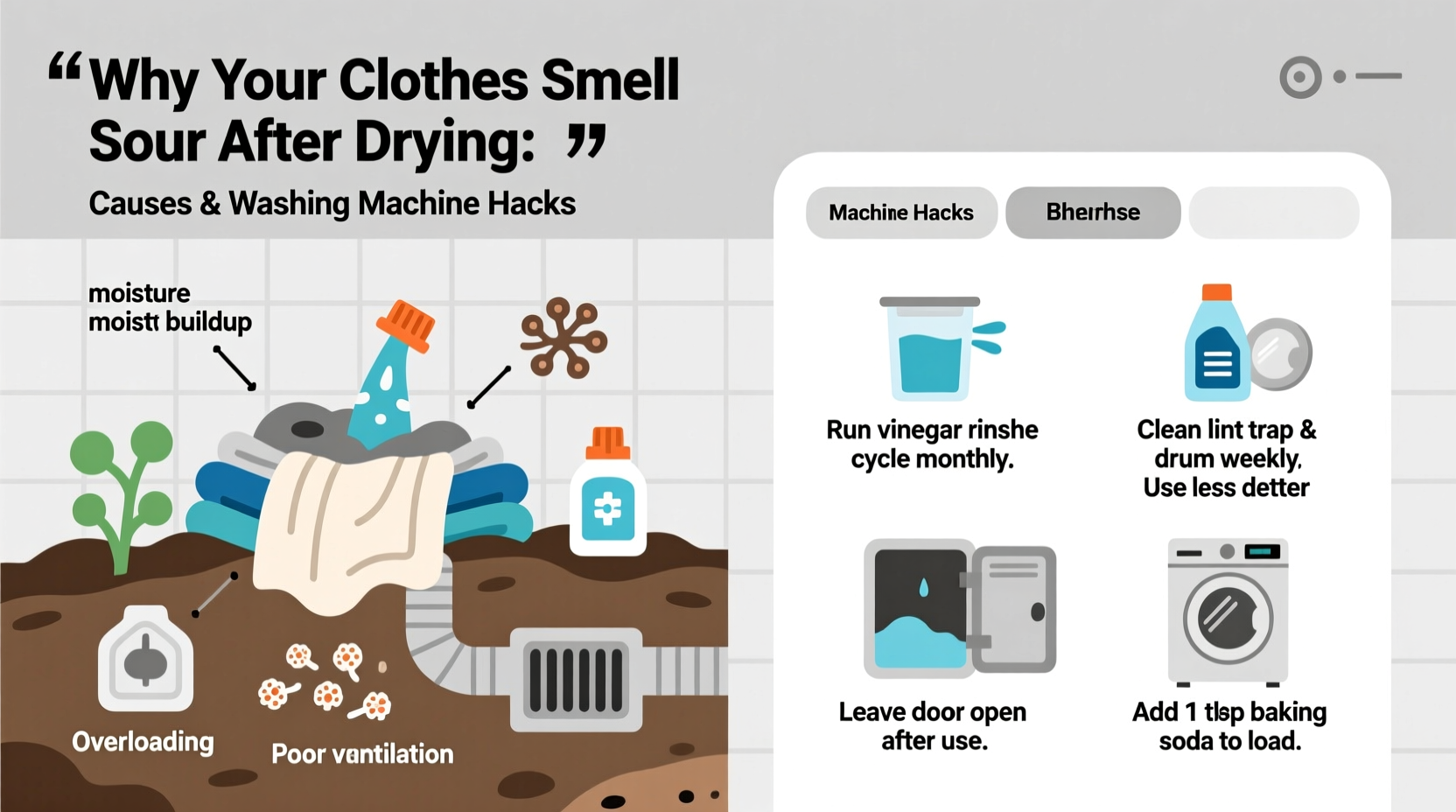
Clothes develop a sour odor when bacteria and mold grow in moist environments. These microorganisms feed on organic residues like sweat, body oils, food stains, and even leftover detergent. When fabrics remain damp for extended periods—whether during washing, rinsing, or drying—they become breeding grounds for odor-causing microbes. The resulting smell is often described as vinegar-like, musty, or similar to mildew.
Modern washing machines, particularly front-loaders, are prone to trapping moisture in rubber gaskets, drain pumps, and internal hoses. Unlike top-loading machines that fully submerge clothes, HE models use minimal water, which reduces rinsing efficiency. Over time, this leads to biofilm formation—a slimy layer of bacteria and fungi inside the drum. Every wash cycle then reintroduces these contaminants to your clothes, even if they appear visually clean.
“Odor problems in laundry are rarely about the fabric itself—it’s usually microbial contamination in the machine or improper drying practices.” — Dr. Linda Peterson, Textile Microbiologist at CleanLiving Labs
Common Causes of Post-Dry Sour Smell
Understanding the specific reasons behind sour-smelling clothes is essential for effective troubleshooting. Below are the most frequent causes:
- Leaving wet laundry in the washer too long: Even 1–2 hours can allow bacteria to multiply rapidly, especially in warm environments.
- Overloading the washer: Crowded loads restrict water and detergent movement, leading to incomplete cleaning and residue retention.
- Using too much detergent: Excess suds don’t rinse away completely, leaving sticky residues that trap moisture and attract bacteria.
- Mold and mildew in the washing machine: Front-loaders are especially vulnerable due to their door seals and internal components.
- Drying clothes incompletely: Tumble drying on low heat or interrupting cycles can leave residual dampness.
- Poor ventilation in laundry areas: Humid rooms slow drying times and encourage mold growth on both clothes and machines.
- Wearing damp clothes before they’re fully dry: Re-wearing slightly damp items reintroduces bacteria into the next wash load.
Washing Machine Hacks to Eliminate Sour Odors
Your washing machine plays a critical role in whether your clothes come out fresh or funky. Regular maintenance is non-negotiable. Here are proven, step-by-step hacks to deep-clean your machine and prevent future odor issues.
1. Monthly Deep Clean with White Vinegar and Baking Soda
Vinegar acts as a natural disinfectant and deodorizer, while baking soda scrubs away residue without damaging surfaces.
- Remove any visible debris from the door seal and detergent drawer.
- Pour 2 cups of white vinegar into the detergent dispenser.
- Run a hot water cycle (preferably the “Clean Washer” or “Sanitize” setting).
- Once complete, sprinkle ½ cup of baking soda directly into the drum.
- Run a second hot cycle to neutralize and scrub remaining deposits.
2. Wipe the Door Gasket Weekly
Front-loaders have a rubber seal that traps water and lint. Use a microfiber cloth dampened with vinegar to wipe it down weekly. Pay attention to crevices where black mold often forms.
3. Leave the Door and Dispenser Open After Each Use
This simple habit allows moisture to evaporate, reducing humidity that promotes microbial growth. Do not close the lid or door tightly until the interior is dry.
4. Clean the Detergent Drawer Monthly
Most drawers slide out for easy access. Soak in warm soapy water, scrub with an old toothbrush, and rinse thoroughly before reinserting.
5. Run Empty Hot Cycles with Affresh or OxiClean
Commercial washing machine cleaners like Affresh or Tide Washing Machine Cleaner dissolve mineral deposits and kill odor-causing bacteria. Use one tablet per month according to package instructions.
| Hack | Frequency | Best For |
|---|---|---|
| Vinegar + Baking Soda Cycle | Monthly | All machines, especially front-loaders |
| Door Seal Wipe Down | Weekly | Front-loading machines |
| Leave Door Open | After every use | Preventing mold buildup |
| Clean Detergent Drawer | Monthly | Removing soap scum and mildew |
| Use Washing Machine Tablets | Monthly | Deep descaling and sanitizing |
Laundry Routine Adjustments That Make a Difference
Beyond appliance care, small changes in how you handle laundry can dramatically improve results. Many people unknowingly sabotage their efforts with habits that promote odor retention.
Use the Right Amount of Detergent
More detergent does not equal cleaner clothes. In fact, excess suds cling to fibers and create a sticky base for bacteria. Follow manufacturer guidelines based on load size and soil level. For HE machines, use only HE-formulated detergents, which produce fewer suds.
Avoid Fabric Softener Buildup
Liquid fabric softeners coat fibers and washing machine components with waxy residues that trap moisture and odors. Consider switching to wool dryer balls or using vinegar as a natural softener (½ cup in the rinse cycle).
Don’t Overload the Washer or Dryer
Crowding prevents proper agitation and airflow. As a rule, fill the drum no more than ¾ full. Clothes should have room to move freely during the wash and tumble freely in the dryer.
Dry Clothes Completely—And Promptly
If line-drying, ensure garments are hung with space between them. Indoors, use fans or dehumidifiers to speed up drying. For machine drying, use the “Extra Dry” setting if needed, and remove items immediately upon completion.
Wash Workout Clothes Immediately
Activewear holds sweat and bacteria far longer than cotton. Wash gym clothes within 1–2 hours of wearing. Add ½ cup of vinegar to help break down synthetic fiber buildup.
“High-performance fabrics like polyester retain odor molecules more than natural fibers. Immediate washing and thorough drying are crucial.” — Sarah Lin, Sustainable Laundry Consultant
Real-Life Example: How One Family Fixed Their Chronic Odor Problem
The Thompson family in Portland had struggled for months with sour-smelling towels and children’s clothing. Despite using expensive detergents and running extra rinse cycles, the problem persisted. They assumed it was their water quality—until a technician pointed out black mold growing under the rubber door seal of their front-loading washer.
They implemented a strict monthly cleaning regimen: vinegar-baking soda cycles, weekly seal wipes, and leaving the door open after each use. Within three weeks, the odor disappeared. They also switched to measuring detergent precisely and stopped using liquid softener. Today, their laundry comes out consistently fresh—even when air-dried during rainy seasons.
Their experience highlights a key insight: symptoms (smelly clothes) often originate from hidden sources (machine mold). Addressing the root cause—not just surface-level habits—is what delivers lasting results.
Step-by-Step Guide to Fresh, Odor-Free Laundry
Follow this comprehensive checklist to eliminate sour smells permanently:
- Inspect your washing machine: Check the door seal, detergent drawer, and drain filter for mold or sludge.
- Clean the machine: Run a hot vinegar cycle followed by a baking soda cycle.
- Adjust detergent use: Measure precisely; avoid over-sudsing formulas.
- Switch to vinegar or dryer balls: Replace fabric softener to reduce residue.
- Wash promptly: Don’t let sweaty or damp clothes sit in hampers.
- Transfer quickly: Move laundry from washer to dryer within 30 minutes.
- Dry completely: Ensure no lingering dampness, especially in thick fabrics.
- Maintain monthly: Repeat deep cleaning and inspect seals regularly.
Frequently Asked Questions
Can I use bleach to clean my washing machine?
Yes, but sparingly. Chlorine bleach effectively kills mold and bacteria, but frequent use can degrade rubber seals and hoses. Use bleach only once every few months, and never mix it with vinegar (toxic fumes result). For regular cleaning, stick with vinegar or commercial washer tablets.
Why do my clothes smell bad even after using scent boosters?
Scent boosters mask odors—they don’t eliminate them. If your clothes already harbor bacteria or detergent buildup, adding fragrance can create a misleading mix of smells. Focus on deep cleaning first, then consider light fragrances if desired.
Is air-drying better than machine drying for preventing odors?
Only if done correctly. Air-drying in humid or poorly ventilated areas increases the risk of incomplete drying and mold growth. Machine drying on high heat kills more bacteria, but over-drying damages fabrics. The best approach is indoor drying with airflow (fans/open windows) or outdoor drying in sunlight, which naturally disinfects.
Take Control of Your Laundry Hygiene Today
Sour-smelling clothes are not inevitable. With consistent care, proper techniques, and proactive machine maintenance, you can enjoy fresh, clean laundry every time. The solution lies not in buying more products, but in understanding the systems at play—from microbial growth to appliance design. Start with one change: clean your washing machine this week. Then build sustainable habits around loading, drying, and detergent use. Your clothes—and your nose—will thank you.




 浙公网安备
33010002000092号
浙公网安备
33010002000092号 浙B2-20120091-4
Comments
No comments yet. Why don't you start the discussion?