
There’s nothing quite like slipping on a pair of classic Converse sneakers—lightweight, stylish, and effortlessly cool. But if every step you take is accompanied by an annoying squeak, that confidence can quickly fade. You’re not alone. Thousands of Converse wearers face this issue, often without understanding the cause or knowing how to fix it fast. The good news? Squeaky Converse are usually easy to resolve with the right approach. This guide dives into the science behind the sound, identifies common causes, and delivers practical, immediate fixes you can apply at home—no special tools required.
Understanding Why Converse Squeak: The Science Behind the Sound
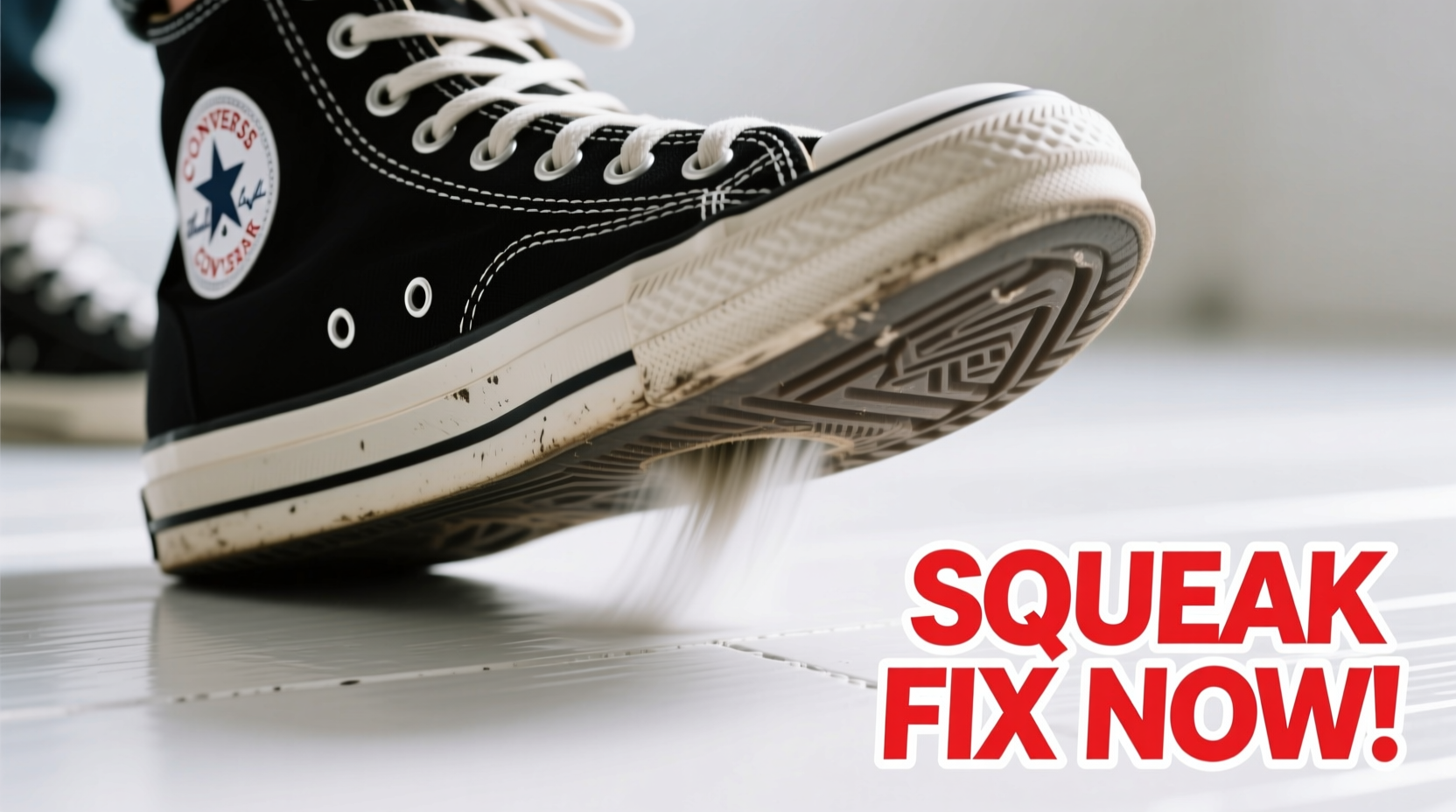
Squeaking in footwear typically results from friction between two surfaces rubbing together. In Converse sneakers, which are primarily made of canvas and rubber with minimal internal cushioning, this friction often occurs between the insole and midsole, within the sole layers, or even between the shoe and your socks or flooring.
The most common culprits include:
- Moisture buildup: Sweat, humidity, or damp conditions can create a slick surface between layers, causing a high-pitched squeak as materials shift.
- Loose insoles: Over time, the foam insole may detach slightly from the midsole, creating movement and noise with each step.
- Internal debris: Small particles like sand, dust, or lint can get trapped inside the shoe, acting as abrasives.
- Floor type interaction: Smooth surfaces like gym floors, tile, or hardwood amplify squeaks due to reduced traction and increased resonance.
- Wear and compression: As the rubber sole compresses unevenly, air pockets may form and release with pressure, producing a squeaky sound.
“Squeaking isn’t just about material—it’s about micro-movements. Even a 0.5mm gap between layers can generate audible noise under repeated pressure.” — Dr. Lena Patel, Footwear Acoustics Researcher, MIT Materials Lab
Instant Fixes to Stop Converse Squeaking (Step-by-Step)
You don’t need to throw out your favorite sneakers or wait days for a solution. Most squeaks can be silenced in under 15 minutes using household items. Follow this step-by-step guide for fast, lasting results.
- Remove the insole: Gently peel back the fabric-covered foam insole from the shoe base. Use your fingers or a spoon edge if it's stuck. This gives access to the cavity where friction commonly occurs.
- Inspect and clean: Check for dirt, moisture, or grit. Wipe the interior with a dry microfiber cloth. If damp, let the shoe air-dry completely before proceeding.
- Dust with baby powder or cornstarch: Sprinkle a light layer of baby powder or cornstarch directly onto the midsole (the flat rubber base). These powders absorb moisture and reduce friction. Avoid talc-heavy products if you have sensitive skin.
- Reinsert the insole: Press it firmly back into place, ensuring full contact across the surface. Run your fingers along the edges to eliminate air pockets.
- Test walk: Put the shoes on and walk around for a minute. If the squeak persists, repeat the process or try one of the alternative methods below.
Alternative Solutions Based on Squeak Type
Not all squeaks are created equal. Identifying the source helps choose the best fix. Below is a breakdown of different squeak types and targeted remedies.
| Squeak Type | Likely Cause | Solution |
|---|---|---|
| High-pitched, rhythmic | Insole friction | Dust midsole with baby powder; reseat insole |
| Soft creaking or crunching | Debris inside sole layers | Vacuum opening; tap shoe to dislodge particles |
| Loud squeal on smooth floors | Outsole-rubber interaction | Rub floor-safe anti-slip spray on outer sole edges |
| Squeak only when wet | Moisture in shoe cavity | Dry overnight with silica gel packets inside |
| Noise from heel area | Compression gap in heel pad | Add thin adhesive foam patch under insole |
Using Talc-Free Alternatives
If you're avoiding traditional baby powder, consider these safe substitutes:
- Cornstarch: Natural, moisture-absorbing, and widely available.
- Baking soda: Light abrasive that neutralizes odor and reduces slip.
- Arrowroot powder: Gentle on sensitive skin and highly absorbent.
Apply any of these using a small sock or tissue as a makeshift puff—fill it with powder, tie it shut, and gently tap inside the shoe for even distribution.
Long-Term Prevention Strategies
While quick fixes solve immediate issues, preventing future squeaks requires consistent care. Here’s how to keep your Converse silent and comfortable over time.
Checklist: Prevent Squeaky Converse
- ✅ Air out shoes after each wear—never store them damp.
- ✅ Replace worn insoles every 6–12 months.
- ✅ Use moisture-wicking socks to minimize sweat transfer.
- ✅ Store in a ventilated area, away from direct sunlight.
- ✅ Clean canvas exteriors monthly with mild soap and water.
- ✅ Apply a light dusting of powder every few weeks as preventive maintenance.
Additionally, avoid machine washing Converse, as this can weaken glue bonds and warp internal layers—both leading causes of long-term squeaking. Instead, hand-clean with a soft brush and lukewarm water.
Real-World Example: A Student’s Gym Class Dilemma
Jamal, a college freshman, started noticing his black Chuck Taylors squeaked loudly during morning gym classes. The sound echoed in the empty locker room, drawing stares and jokes from classmates. Embarrassed, he tried stuffing tissues under the insole—temporarily helping, but the paper crumpled by midday.
After researching online, he removed the insole and discovered a fine layer of chalky dust from the gym floor had settled beneath it. He cleaned the cavity, applied cornstarch, and resealed the insole. The squeak vanished immediately. “I was shocked something so simple worked,” he said. “Now I check my shoes weekly, and they’ve stayed quiet for months.”
This case highlights how environmental factors combine with minor design gaps to create nuisance noises—and how basic maintenance can restore peace with minimal effort.
When to Consider Replacement or Professional Repair
Some squeaks indicate deeper structural issues. If your Converse continue to squeak despite multiple treatments, examine the following signs:
- Visible separation between sole and upper canvas
- Cracks or bubbles in the rubber outsole
- Permanent indentation in the insole foam
- Squeaking accompanied by instability or foot fatigue
In such cases, the shoe’s integrity may be compromised. While cobblers can sometimes reattach soles or replace insoles, Converse’s low-cost construction often makes replacement more economical than repair.
“Once the midsole foam degrades or the sole delaminates, no amount of powder will fix the root issue. It’s time to retire the pair.” — Marcus Reed, Certified Footwear Technician, ShoeRevive Workshop
Frequently Asked Questions
Can I use WD-40 to stop my Converse from squeaking?
No. While WD-40 is sometimes used on mechanical squeaks, it’s not suitable for footwear. It can degrade rubber, stain canvas, and leave a slippery residue. Stick to dry, non-oily solutions like baby powder or cornstarch.
Why do my new Converse squeak right out of the box?
Even brand-new Converse can squeak due to factory dust between layers or slight misalignment in the insole. Break-in periods vary, but applying powder immediately can silence the noise faster. If it persists beyond a week, contact the retailer—it could be a manufacturing defect.
Is the squeak harmful to my feet or posture?
No, the squeak itself poses no health risk. However, if the noise comes from a collapsed insole or unstable sole, lack of support could contribute to foot fatigue or discomfort over time. Address structural issues promptly.
Final Tips for Silent, Stylish Steps
Squeaky Converse don’t mean the end of your favorite shoes. In most cases, the fix is simple, fast, and free. Whether it’s a sprinkle of powder, a quick vacuum of debris, or reseating a loose insole, you can reclaim quiet comfort in minutes. The key is acting early—before minor friction turns into chronic wear.
Build a habit of inspecting and airing out your sneakers weekly. Treat them not just as fashion statements, but as functional gear that benefits from basic upkeep. With proper care, a pair of Converse can last years, staying silent and stylish through seasons of daily wear.




 浙公网安备
33010002000092号
浙公网安备
33010002000092号 浙B2-20120091-4
Comments
No comments yet. Why don't you start the discussion?