
Cuticles are the thin layer of dead skin that overlaps the base of your fingernails, forming a protective seal between the nail plate and the surrounding tissue. When this delicate barrier dries out, it can become brittle, split, or crack—especially during colder months or in low-humidity environments. Cracked cuticles aren’t just unsightly; they can be painful and increase the risk of infection. Understanding the science behind this common issue is the first step toward healing and prevention. More importantly, targeted care routines can repair damage overnight, restoring moisture and resilience to your fingertips.
The Science Behind Cuticle Cracking in Dry Weather
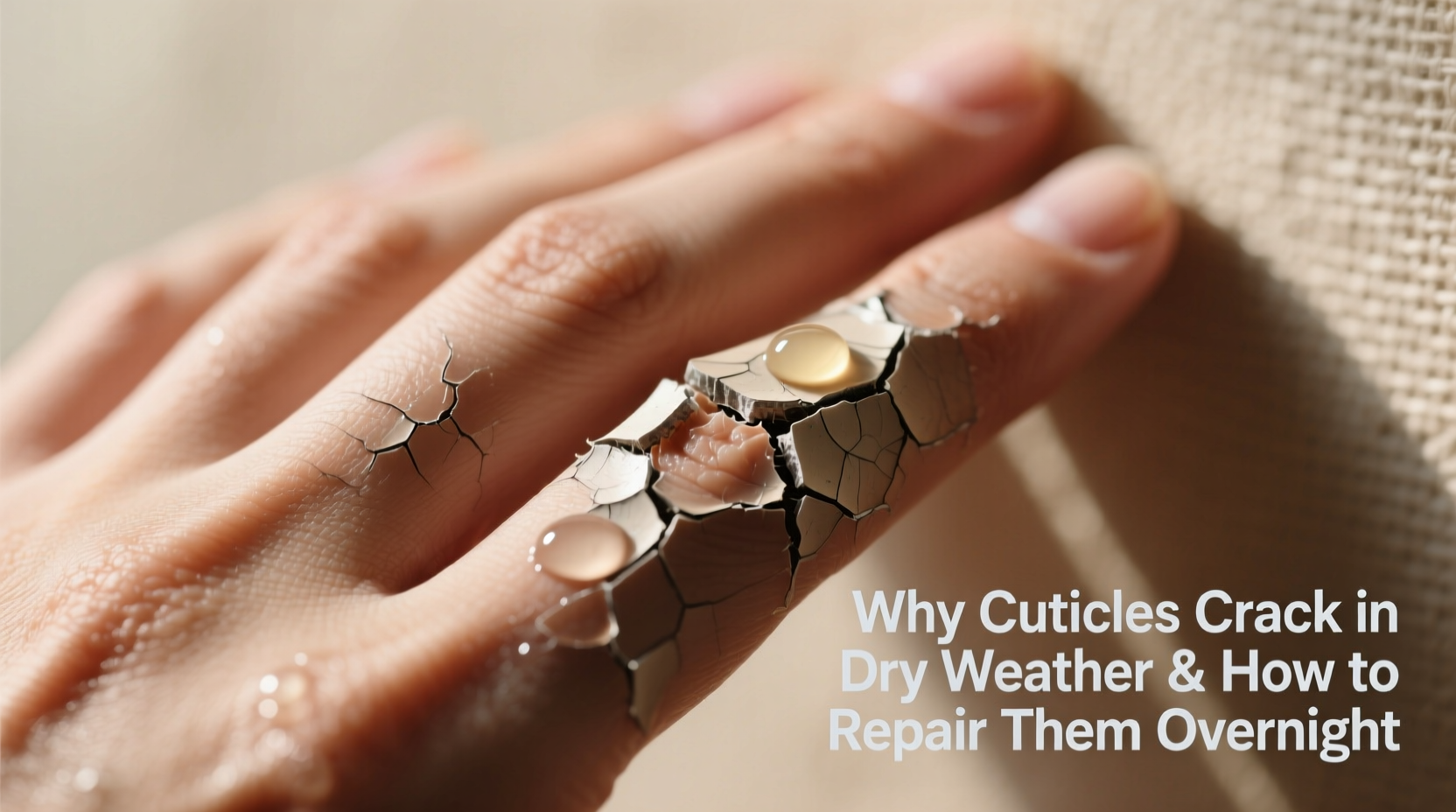
Skin health depends heavily on moisture retention. The stratum corneum—the outermost layer of skin—relies on natural oils and water content to remain flexible. In dry weather, especially when indoor heating reduces ambient humidity, the air pulls moisture from exposed skin. Hands are particularly vulnerable because they’re frequently washed and exposed to environmental stressors.
Cuticles lack sebaceous (oil) glands, meaning they don’t produce their own moisturizing oils like other areas of the skin. Instead, they depend on natural oil migration from adjacent skin and regular external hydration. When humidity drops below 40%, the skin’s water loss accelerates, leading to dehydration. This causes the cuticle to shrink and lose elasticity, eventually cracking under minor mechanical stress—like typing, washing dishes, or even rubbing against fabric.
According to Dr. Lena Peterson, a board-certified dermatologist specializing in hand care:
“The cuticle acts as a biological sealant for the nail matrix. Once it cracks, bacteria and irritants can penetrate, increasing the risk of paronychia—an infection of the nail fold. Preventing dryness isn’t just cosmetic; it’s a hygiene imperative.”
Key Factors That Worsen Cuticle Dryness
- Frequent handwashing: Soap strips away natural lipids, disrupting the skin’s moisture barrier.
- Harsh chemicals: Detergents, sanitizers, and cleaning products often contain alcohol or sulfates that dehydrate skin.
- Cold temperatures: Cold air holds less moisture, accelerating trans-epidermal water loss.
- Poor nutrition: Deficiencies in omega-3 fatty acids, vitamin E, and biotin impair skin repair.
- Nail habits: Biting, picking, or aggressive cuticle trimming weakens the protective layer.
Overnight Repair: A Step-by-Step Guide to Healing Cracked Cuticles
Overnight treatment leverages extended exposure time and reduced hand movement during sleep, allowing deeply penetrating ingredients to work without interference. Here’s a proven five-step routine to repair cracked cuticles by morning:
- Prep with Warm Soak (5–10 minutes): Fill a small bowl with warm (not hot) water. Add one tablespoon of olive oil and a few drops of tea tree oil for antimicrobial support. Soaking softens hardened skin and opens pores for better absorption.
- Gently Exfoliate (Optional): After soaking, use a soft washcloth or cuticle pusher to gently lift dead skin. Avoid cutting or forcing separation—this can worsen micro-tears.
- Apply a Thick Occlusive Treatment: Use a nourishing oil blend such as jojoba, almond, or avocado oil. These mimic the skin’s natural sebum and penetrate deeply. Massage 2–3 drops into each cuticle, focusing on cracked areas.
- Seal with an Ointment: Follow with a thick layer of petroleum jelly or a lanolin-based balm. This creates an occlusive barrier that prevents moisture evaporation throughout the night.
- Wear Cotton Gloves: Slip on clean cotton gloves to prevent the product from transferring to bedding and to enhance penetration through gentle warmth.
Repeat this process nightly for three consecutive nights for severely damaged cuticles. Most users report noticeable improvement—reduced flaking, softened edges, and diminished discomfort—by the second morning.
Best Ingredients for Cuticle Repair: What Works and Why
Not all moisturizers are equally effective. The right ingredients target both hydration and lipid restoration. Below is a comparison of key components commonly found in cuticle treatments:
| Ingredient | Function | Evidence-Based Benefit |
|---|---|---|
| Jojoba Oil | Mimics human sebum, penetrates deeply | Restores lipid balance; reduces transepidermal water loss by up to 30% (Journal of Cosmetic Dermatology, 2020) |
| Vitamin E (Tocopherol) | Antioxidant, supports cell regeneration | Accelerates healing of micro-cracks and protects against oxidative damage |
| Shea Butter | Rich emollient with fatty acids | Improves skin elasticity and reduces scaling in dry conditions |
| Lanolin | Natural occlusive from wool wax | Superior moisture retention; used in clinical settings for chapped skin |
| Petroleum Jelly | Occlusive barrier | Reduces water loss by 98%; FDA-approved for wound protection |
Avoid products containing alcohol, synthetic fragrances, or mineral oil derived from petroleum, which may clog pores without offering nutritional benefit.
Real-Life Example: Recovery from Winter Damage
Sarah, a 34-year-old teacher from Minnesota, struggled with painful cuticle cracks every winter. Her hands were constantly exposed to chalk dust, sanitizer, and cold air during her commute. “By January, my cuticles were splitting open,” she recalls. “I couldn’t write on the board without wincing.”
After consulting a dermatology nurse at a local clinic, Sarah began an overnight regimen using warmed almond oil and petroleum jelly, wearing gloves to bed. Within two nights, she noticed reduced tightness. By day five, the cracks had sealed, and new skin appeared smooth. “It felt like I got my hands back,” she said. “Now I start the routine in November, before problems begin.”
Daily Prevention Checklist
While overnight repair works quickly, long-term cuticle health requires consistent habits. Use this checklist to maintain strong, hydrated cuticles year-round:
- ✅ Apply cuticle oil twice daily (morning and bedtime)
- ✅ Wear gloves when washing dishes or using cleaners
- ✅ Use fragrance-free, pH-balanced hand soap
- ✅ Limit hand sanitizer use; opt for alcohol-free versions when possible
- ✅ Stay hydrated—drink at least 2 liters of water daily
- ✅ Eat foods rich in omega-3s (salmon, walnuts, flaxseed) and vitamin E (spinach, almonds)
- ✅ Never cut cuticles—push them back gently after showers when soft
Common Mistakes That Delay Healing
Even with good intentions, certain habits can sabotage recovery:
- Cutting cuticles: Removes the protective seal, leaving the nail bed vulnerable.
- Using nail polish remover too often: Acetone is extremely drying; limit use and follow with oil.
- Ignoring early signs: Flaking and tightness are warning signals—act before cracks form.
- Skipping gloves in cold weather: Wind and subzero temperatures accelerate moisture loss.
- Over-washing: Excessive cleansing disrupts the acid mantle of the skin.
Instead of aggressive removal, treat cuticles like facial skin—nourish, protect, and support renewal.
Frequently Asked Questions
Can I use coconut oil on cracked cuticles?
Yes, coconut oil has natural antimicrobial properties and is rich in lauric acid, which helps strengthen skin barriers. However, some people find it slightly comedogenic (pore-clogging). If you experience milia or white bumps, switch to jojoba or grapeseed oil, which are lighter and more similar to human sebum.
How long does it take for cracked cuticles to heal completely?
With proper overnight treatment, visible improvement occurs within 1–2 nights. Full healing of deeper fissures typically takes 5–7 days. Chronic damage may require 2–3 weeks of consistent care. Prevent recurrence by continuing preventive measures after repair.
Is it safe to use Vaseline on cuticles every night?
Yes. Petroleum jelly is non-comedogenic for most people and inert, meaning it doesn’t react with skin. It’s one of the most effective occlusives available. Just ensure your hands are clean before application to avoid trapping bacteria.
Final Thoughts: Make Cuticle Care a Non-Negotiable Habit
Cracked cuticles in dry weather are not inevitable—they’re a sign of compromised skin defense. With understanding and simple, science-backed interventions, you can reverse damage quickly and build resilience over time. Overnight repair is powerful because it combines deep hydration with uninterrupted recovery. But lasting results come from integrating care into your daily rhythm: protecting your hands, feeding them essential nutrients, and treating them with the same diligence as any other part of your body.
Start tonight. Warm some oil, apply a thick balm, and slip on gloves. Wake up to smoother, healthier cuticles—and a renewed sense of control over your skin’s well-being.




 浙公网安备
33010002000092号
浙公网安备
33010002000092号 浙B2-20120091-4
Comments
No comments yet. Why don't you start the discussion?