
It happens to many: you're sitting quietly, not overheated or exercising, when suddenly your ears begin to burn with heat. There's no obvious reason—no spicy food, no embarrassment—but the sensation is unmistakable. Ear warmth can be fleeting and harmless, but in some cases, it may point to deeper physiological or emotional triggers. Understanding why this occurs—and when it might require medical attention—is essential for maintaining both comfort and health.
The human body uses blood flow as a primary method of temperature regulation, and the ears, rich in blood vessels and exposed to the environment, are particularly sensitive to changes in circulation. When blood rushes to the outer ear, it can cause a sudden feeling of warmth, redness, or even mild discomfort. While most episodes are temporary and benign, recurring or intense episodes warrant closer inspection.
Common Causes of Sudden Ear Heat
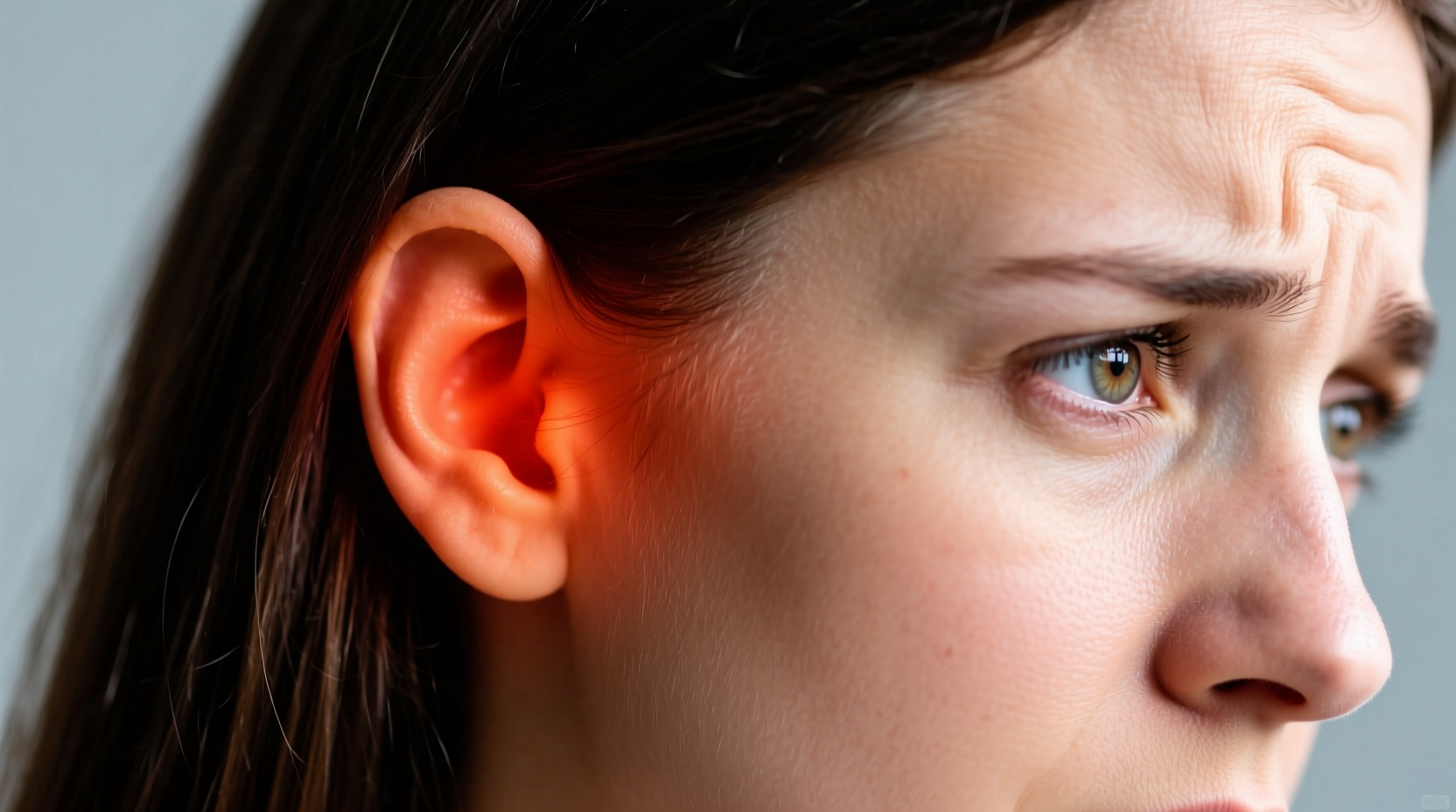
The sensation of hot ears arises from increased blood flow to the skin of the outer ear. This vasodilation (widening of blood vessels) can be triggered by a range of everyday factors:
- Emotional responses: Blushing due to embarrassment, stress, anger, or anxiety activates the sympathetic nervous system, increasing circulation to facial areas including the ears.
- Temperature changes: Moving from a cold to warm environment—or wearing heavy hats—can trap heat and cause ears to feel hot.
- Spicy foods: Capsaicin in chili peppers stimulates nerve receptors that create a burning sensation, often spreading to the face and ears.
- Alcohol consumption: Alcohol dilates blood vessels, leading to facial flushing that commonly includes the ears.
- Hormonal shifts: Especially during menopause, hot flashes can radiate to the head and ears without warning.
In most cases, these triggers produce short-lived symptoms that resolve on their own. However, when hot ears occur frequently without clear cause, they may reflect more complex underlying mechanisms.
When Hot Ears May Signal a Health Concern
While occasional ear warmth is normal, persistent or unexplained episodes could indicate an underlying condition. The following medical issues are associated with recurrent ear flushing or heat sensations:
1. Rosacea
A chronic skin condition affecting over 16 million Americans, rosacea often begins with frequent facial flushing. It can progress to visible blood vessels, acne-like breakouts, and persistent redness—especially in the cheeks, nose, and ears. According to the National Rosacea Society, flare-ups are commonly triggered by sun exposure, stress, and certain foods, but the root cause involves immune and vascular dysregulation.
“Rosacea isn’t just about redness—it’s a neurovascular disorder where inflammation and blood vessel reactivity play key roles.” — Dr. Linda Stein Gold, Dermatologist and Clinical Researcher
2. Autonomic Dysfunction
The autonomic nervous system controls involuntary functions like heart rate, digestion, and blood vessel tone. Conditions such as postural orthostatic tachycardia syndrome (POTS), diabetes-related neuropathy, or autoimmune disorders can disrupt this system, leading to abnormal blood flow regulation. Patients may experience episodic flushing, dizziness, and temperature dysregulation—including sudden ear heating.
3. Carotid Artery Issues
Though rare, unilateral (one-sided) ear heat accompanied by pulsing sensations or neck pain could suggest carotid artery inflammation or dissection. These require immediate evaluation, especially if paired with headache, vision changes, or neurological symptoms.
4. Hyperthyroidism
An overactive thyroid increases metabolic rate, often causing heat intolerance, sweating, and flushed skin. Individuals may report frequent sensations of warmth in the face and ears even at rest.
5. Mast Cell Activation Syndrome (MCAS)
This emerging condition involves inappropriate release of histamine and other inflammatory mediators. Flushing episodes—including isolated ear redness and warmth—are hallmark symptoms, often mistaken for allergies.
Do’s and Don’ts: Managing Recurrent Ear Heat
| Do’s | Don’ts |
|---|---|
| Track episodes with time, activity, diet, and mood | Ignore persistent one-sided ear heat |
| Stay hydrated and avoid known triggers (e.g., alcohol, spice) | Use harsh skincare products on sensitive ear skin |
| Cool the area gently with a damp cloth if needed | Assume all flushing is harmless without evaluation |
| Consult a doctor if episodes increase in frequency or intensity | Self-diagnose based on internet research alone |
Real-Life Example: Recognizing a Pattern
Sarah, a 38-year-old teacher, began noticing her ears turning hot several times a week. At first, she dismissed it as stress from work. But over time, the episodes became more frequent—even occurring while grading papers at home. She started logging her symptoms and realized most flares happened after drinking wine, eating aged cheese, or during moments of public speaking.
After consulting her physician, Sarah was evaluated for rosacea and MCAS. Blood tests revealed elevated tryptase levels, suggesting mast cell involvement. With antihistamines and dietary adjustments, her symptoms improved significantly. Her case underscores how tracking seemingly minor symptoms can lead to meaningful diagnoses.
Step-by-Step: What to Do If Your Ears Get Hot Frequently
If you’re experiencing regular or distressing episodes of ear warmth, follow this practical timeline to assess and address the issue:
- Week 1–2: Monitor Symptoms
Record each episode: time, duration, triggers (food, emotion, environment), and whether one or both ears are affected. - Week 3: Eliminate Common Triggers
Avoid alcohol, spicy foods, caffeine, and extreme temperatures temporarily to see if symptoms decrease. - Week 4: Consult Your Primary Care Provider
Bring your symptom log. Request evaluation for rosacea, thyroid function (TSH, free T4), and signs of autonomic dysfunction. - Follow-Up (if needed): See a Specialist
Depending on findings, you may benefit from seeing a dermatologist (for skin-related flushing), endocrinologist (hormonal causes), or neurologist (autonomic issues). - Ongoing: Implement a Management Plan
Whether it’s medication, lifestyle changes, or stress reduction techniques, consistency is key to reducing flare frequency.
Expert Insight: When to Seek Medical Advice
Not every bout of hot ears requires a doctor’s visit. But certain red flags should prompt professional evaluation:
- Episodes lasting longer than 30 minutes
- One-sided heat or redness without explanation
- Accompanying symptoms: palpitations, dizziness, headaches, or shortness of breath
- Visible swelling, rash, or pain in the ear
- Interference with daily life or sleep
“If flushing becomes a pattern rather than an exception, it’s worth investigating. The body rarely sends signals without reason.” — Dr. Anjali Mahto, Consultant Dermatologist and Author
Frequently Asked Questions
Can anxiety really make my ears feel hot?
Yes. Anxiety activates the fight-or-flight response, which increases blood flow to the brain and sensory organs—including the ears. This can create a sensation of heat or tingling, even without visible redness. Deep breathing and mindfulness techniques may help reduce the frequency of these episodes.
Is it possible to have rosacea only in the ears?
Rosacea typically affects the central face, but some patients experience involvement of the outer ears, especially in subtype 1 (erythematotelangiectatic rosacea). While rare as an isolated site, ear redness combined with facial flushing should be evaluated by a dermatologist.
Why do my ears get hot at night?
Nocturnal ear warmth may be linked to hormonal fluctuations, room temperature, or evening habits like consuming alcohol or spicy foods with dinner. In perimenopausal women, night-time hot flashes often include the ears. Ensuring a cool sleeping environment and avoiding late stimulants can help mitigate this.
Conclusion: Listen to Your Body’s Signals
Sudden ear heat is usually a fleeting and innocent reaction to emotion, temperature, or diet. But when it recurs without clear cause, it may serve as an early warning sign of conditions ranging from rosacea to autonomic imbalance. Rather than dismissing these sensations, approach them with curiosity and care. Tracking symptoms, eliminating triggers, and seeking timely medical input can transform confusion into clarity.
Your body communicates through subtle cues—heat in the ears may seem minor, but it reflects complex interactions between nerves, hormones, and circulation. By paying attention now, you empower yourself to maintain long-term well-being and catch potential issues before they escalate.




 浙公网安备
33010002000092号
浙公网安备
33010002000092号 浙B2-20120091-4
Comments
No comments yet. Why don't you start the discussion?