
Earwax—medically known as cerumen—is a natural substance produced by glands in the ear canal. While it plays a crucial role in protecting the ear from dust, bacteria, and foreign particles, excessive buildup can lead to discomfort, hearing issues, and even infections. If you find yourself asking, “Why do my ears get waxy so fast?” you're not alone. Millions of people experience rapid wax accumulation, often due to biological, environmental, or behavioral factors. The good news is that with proper understanding and care, managing earwax doesn’t have to be complicated—or risky.
This article explores the science behind rapid earwax production, identifies common causes, and provides practical, medically sound strategies for safe management. Whether you're prone to blockages or simply want to maintain healthy ears, the information here will help you make informed decisions without resorting to harmful home remedies.
The Role of Earwax in Ear Health
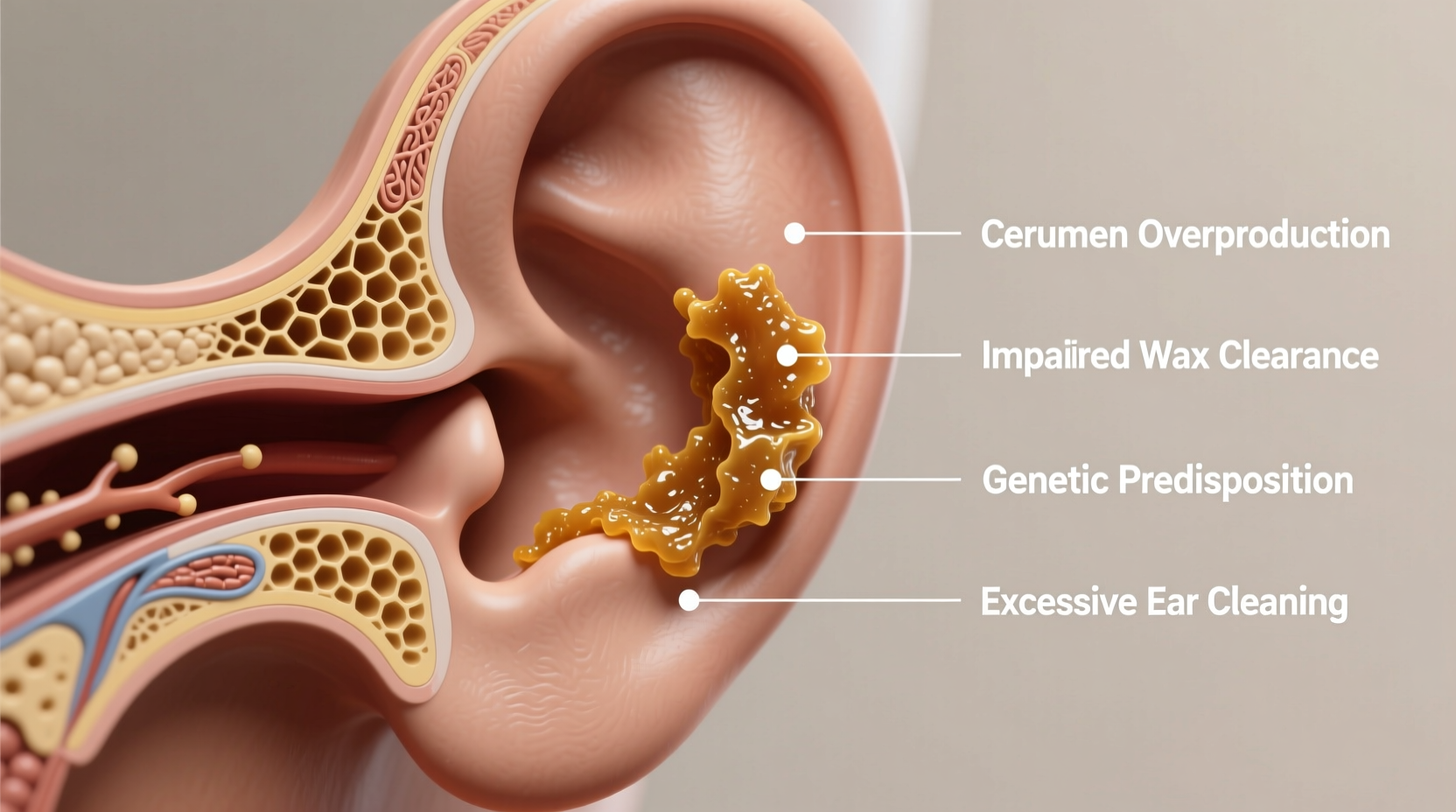
Earwax isn't dirt—it's a protective mechanism. Produced by sebaceous and apocrine glands in the outer third of the ear canal, cerumen traps debris, repels water, and has antimicrobial properties that help prevent infections. It also lubricates the skin of the ear canal, reducing itchiness and dryness.
Normally, earwax moves outward naturally through jaw movements like chewing and talking. As it travels, it carries trapped particles with it, eventually flaking off at the opening of the ear. This self-cleaning system works efficiently in most people. However, when this process is disrupted or overproduced, wax can accumulate faster than it’s expelled.
“Earwax is a sign of a healthy ear. The problem isn’t the wax itself—it’s when it becomes impacted due to improper removal attempts or anatomical factors.” — Dr. Linda Chen, Otolaryngologist, Johns Hopkins Medicine
Why Some People Produce Wax Faster Than Others
Rapid earwax buildup isn’t random. Several factors influence how much wax your body produces and how quickly it accumulates:
- Genetics: Some individuals are genetically predisposed to produce more earwax. Studies show that people of East Asian descent tend to have drier wax, while those of African or European ancestry often have wetter, stickier types that may build up more easily.
- Narrow or Curved Ear Canals: Anatomical variations can hinder the natural migration of wax out of the ear, leading to quicker impaction.
- Overactive Glands: Hormonal changes, stress, or certain medical conditions (like eczema or psoriasis) can increase glandular activity, boosting wax output.
- Frequent Use of Earphones or Hearing Aids: Devices that sit inside the ear canal can block wax from exiting and stimulate gland secretion due to warmth and friction.
- Aging: As we age, earwax tends to become drier and less mobile, increasing the likelihood of compaction.
Common Mistakes That Worsen Wax Buildup
Ironically, many attempts to clean the ears actually contribute to faster or more problematic wax accumulation. These practices disrupt the ear’s natural cleaning cycle and can push wax deeper into the canal.
| Mistake | Why It’s Harmful | Better Alternative |
|---|---|---|
| Using cotton swabs (Q-tips) | Packs wax deeper into the ear canal; risks eardrum perforation | Wipe only the outer rim with a damp cloth |
| Ear candling | No scientific evidence; risk of burns and ear canal blockage | Avoid entirely; consult a professional |
| Inserting sharp objects | Can scratch the ear canal or rupture the eardrum | Never insert anything smaller than your elbow |
| Overuse of ear drops without need | May soften wax too much, creating a messy sludge that re-hardens | Use only when buildup is confirmed |
Real Example: The Case of Mark, Age 34
Mark, a software developer, wore noise-canceling earbuds for 6–8 hours daily. He noticed gradual hearing dullness and occasional ringing in his left ear. Assuming it was wax, he used cotton swabs weekly. Over time, symptoms worsened. A visit to an ENT revealed a complete impaction in his left ear canal—caused not just by overproduction, but by years of pushing wax inward. After professional irrigation, Mark switched to over-ear headphones and adopted safer hygiene habits. His symptoms resolved, and he hasn’t had a recurrence in over a year.
Safe Methods to Manage Earwax Buildup
Managing earwax effectively means working with your body’s natural processes—not against them. Here’s a step-by-step guide to keeping wax under control without risking injury.
Step-by-Step: Weekly Ear Maintenance Routine
- Assess Symptoms Weekly: Pay attention to signs like muffled hearing, ear fullness, mild tinnitus, or itching. These may signal early buildup.
- Clean Only the Outer Ear: After showering, gently wipe the outside of the ear with a soft, damp washcloth. Do not enter the canal.
- Use Softening Drops (If Needed): For those prone to buildup, apply 2–3 drops of baby oil, mineral oil, or over-the-counter cerumenolytics (like Debrox) once a week. Lie on your side for 5 minutes to let it penetrate.
- Encourage Natural Migration: Chew gum or yawn frequently to help move wax outward via jaw motion.
- Schedule Professional Cleanings: If you’re a chronic builder-upper, see a healthcare provider every 6–12 months for inspection and removal if necessary.
When to Seek Professional Help
While minor buildup can often be managed at home, certain situations require clinical intervention:
- Hearing loss in one ear lasting more than a few days
- Persistent ear pain or dizziness
- Drainage, odor, or signs of infection
- History of ear surgery or perforated eardrum
- Failed home treatment after 5–7 days
ENT specialists and audiologists use safe, effective methods such as microsuction (gentle vacuuming under magnification) or irrigation with controlled water pressure. These procedures are quick, usually painless, and far safer than DIY attempts.
Prevention Checklist: Keep Wax Under Control
Follow this actionable checklist to reduce the frequency and severity of wax buildup:
- ✅ Avoid inserting any object into the ear canal (including fingers)
- ✅ Limit continuous use of in-ear devices to under 4 hours at a time
- ✅ Clean earphone tips weekly with alcohol wipes
- ✅ Use softening drops prophylactically if you’re prone to buildup
- ✅ Stay hydrated—dry wax is harder to expel
- ✅ Visit an audiologist annually for ear health screening
- ✅ Never attempt ear candling or use unapproved suction kits
Frequently Asked Questions
Is earwax buildup a sign of poor hygiene?
No. In fact, excessive cleaning is often the culprit. Earwax is a normal, healthy secretion. People who clean their ears aggressively are more likely to experience impaction because they disrupt the natural expulsion process.
Can diet affect earwax production?
Indirectly, yes. Diets low in omega-3 fatty acids or fluids may contribute to drier, harder wax that’s more likely to compact. Staying well-hydrated and consuming healthy fats can support softer, more mobile wax.
Are some ear drops better than others?
Yes. Carbamide peroxide (found in Debrox) helps break down wax chemically. Saline solutions are gentler but less effective for hardened buildup. Oil-based drops (mineral, almond, or glycerin) are excellent for regular maintenance. Always follow label instructions and avoid use if you suspect a ruptured eardrum.
Conclusion: Take Control of Your Ear Health Safely
Your ears are designed to stay clean on their own—but modern habits like constant headphone use and misguided cleaning routines can throw off their balance. Rapid wax buildup is common, but it doesn’t have to be inevitable. By understanding your body’s natural processes and avoiding harmful practices, you can maintain clear, healthy ears without risk.
The key is consistency and respect for your ear’s self-cleaning ability. Replace old habits like cotton swabbing with smarter, science-backed strategies. And when in doubt, trust a professional rather than experimenting at home.




 浙公网安备
33010002000092号
浙公网安备
33010002000092号 浙B2-20120091-4
Comments
No comments yet. Why don't you start the discussion?