
Almost every air traveler has experienced it: that sudden pressure in the ears, a muffled sensation, and sometimes even pain as the plane ascends or descends. Ear popping isn’t just a minor annoyance—it’s a physiological response to rapid changes in altitude and air pressure. While usually harmless, it can be uncomfortable, especially for children or those with colds or allergies. Understanding the science behind ear popping and knowing how to manage it can transform your flying experience from tense to tolerable.
The Science Behind Ear Popping at Altitude
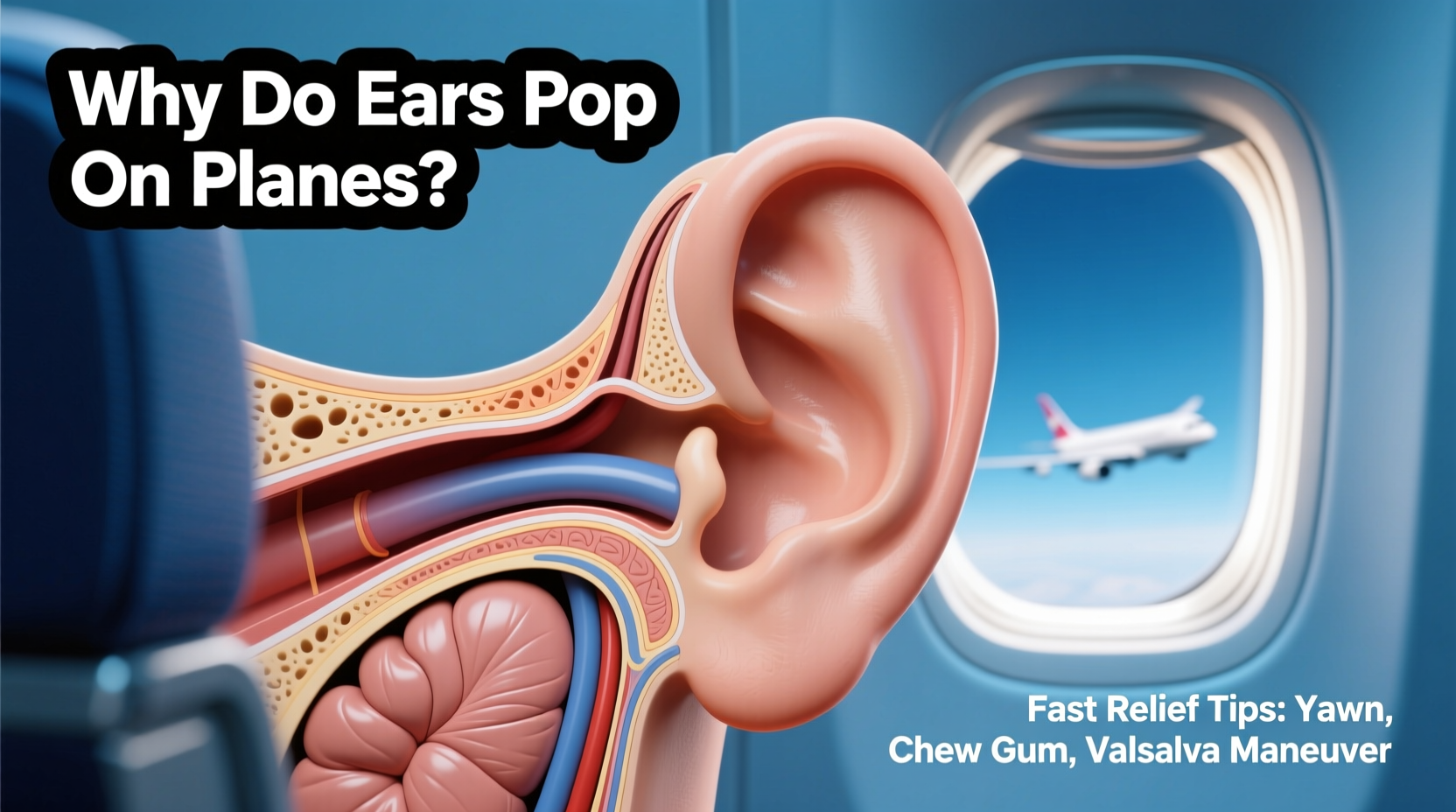
Your ears are sensitive to changes in atmospheric pressure. At sea level, the air pressure inside your middle ear matches the pressure outside. But when you board an airplane, this balance is disrupted. As the plane climbs, the cabin pressure drops, causing the air inside your middle ear to expand. On descent, the opposite happens—cabin pressure increases, and the external air pushes inward while the air in your middle ear becomes relatively lower in pressure.
This imbalance creates a vacuum effect across the eardrum, making it bulge inward or outward depending on whether you're ascending or descending. The \"pop\" occurs when the Eustachian tube—a narrow passage connecting your middle ear to the back of your throat—opens briefly to equalize the pressure. When it works properly, the relief is immediate. But if the tube is blocked or slow to respond, the discomfort lingers.
“During flight, rapid pressure shifts challenge the Eustachian tube’s ability to regulate ear pressure. This is especially true during descent, which is why most ear discomfort happens toward the end of a flight.” — Dr. Lena Torres, Otolaryngologist
Why Some People Are More Affected Than Others
Not everyone experiences ear popping equally. Several factors influence how severely you’re affected:
- Age: Young children have shorter, more horizontal Eustachian tubes, making them less efficient at equalizing pressure. Infants and toddlers often cry during landing because their ears hurt.
- Colds and allergies: Congestion swells the lining of the Eustachian tube, restricting airflow and delaying pressure equalization.
- Sinus infections: Inflammation in the nasal passages can block the tube entirely.
- Dehydration: Dry cabin air thickens mucus, making it harder for the Eustachian tube to open.
- Anatomy: Some people naturally have narrower or more collapsible Eustachian tubes.
Frequent flyers may notice they adapt over time, but first-time travelers or those flying while unwell are far more likely to struggle.
Fast and Effective Ways to Relieve Ear Pressure
The key to easing ear discomfort is encouraging the Eustachian tube to open so pressure can equalize. Here are proven techniques you can use before and during critical phases of the flight:
1. Swallowing and Yawning
Swallowing activates muscles that pull the Eustachian tube open. Chewing gum, sucking on hard candy, or sipping water throughout takeoff and landing encourages frequent swallowing. For babies, feeding during descent (via bottle or breastfeeding) helps them swallow naturally.
2. The Valsalva Maneuver
This is one of the most reliable methods for adults. Here's how to do it safely:
- Pinch your nostrils closed.
- Close your mouth.
- Gently blow air out through your nose, as if trying to inflate a balloon.
- You should feel a pop or slight pressure release in your ears.
Do not blow too hard—excessive force can damage the eardrum or push bacteria into the middle ear. Perform this only when needed, such as during descent, and stop once equalization occurs.
3. Toynbee Maneuver
A gentler alternative to Valsalva:
- Pinch your nostrils shut.
- Swallow while keeping your nose closed.
This combines the natural motion of swallowing with mild pressure to help open the Eustachian tube.
4. Frenzel Maneuver (Advanced)
Used by divers and experienced travelers, this technique involves closing the vocal cords while pushing the tongue upward against the roof of the mouth. It’s effective without straining the lungs or ears, but requires practice.
5. Nasal Decongestants and Sprays
If you're prone to congestion, using a decongestant spray (like oxymetazoline) 30 minutes before descent can shrink swollen nasal tissues and improve Eustachian tube function. Oral decongestants like pseudoephedrine work systemically but should be avoided by people with high blood pressure or heart conditions.
What Not to Do: Common Mistakes That Worsen Ear Pressure
Some well-intentioned actions can actually make ear discomfort worse. Avoid these pitfalls:
| Do’s | Don’ts |
|---|---|
| Chew gum or suck candy during ascent/descent | Sleep through takeoff and landing (you won’t swallow enough) |
| Use a saline nasal spray to moisten passages | Blow your nose forcefully (can increase pressure or cause infection) |
| Stay hydrated before and during the flight | Consume alcohol or caffeine (they dehydrate and worsen swelling) |
| Use filtered earplugs designed for flying (e.g., EarPlanes) | Insert cotton or foam earplugs (they trap pressure and delay equalization) |
| Perform gentle pressure-equalizing maneuvers early | Wait until pain is severe to act (early intervention prevents worsening) |
Real-Life Example: A Family Flight Gone Wrong (and How They Fixed It)
Mark and Sarah flew with their 2-year-old daughter, Lily, from Chicago to Phoenix. Midway through descent, Lily began crying uncontrollably. Her ears were hurting, and she couldn’t calm down despite being offered snacks and toys. Mark remembered reading about ear pressure in babies but hadn’t prepared.
After landing, they consulted a pediatric ENT who explained that infants can’t intentionally swallow or yawn on command. The doctor advised them to nurse or bottle-feed during future descents to trigger natural swallowing. On their return flight, they timed breastfeeding to begin 20 minutes before landing. Lily stayed calm, and her ears popped gently with each swallow. The difference was dramatic.
They also learned to carry infant-safe saline drops and a small bottle of water to keep her nasal passages moist. Now, flying is much smoother for the whole family.
Step-by-Step Guide: How to Prevent and Manage Ear Popping During a Flight
Follow this timeline before and during your next flight to minimize ear discomfort:
- 24–48 Hours Before Flight: If you have allergies or mild congestion, start taking a non-drowsy antihistamine or oral decongestant (if medically safe).
- 2 Hours Before Boarding: Drink plenty of water. Avoid alcohol, salty snacks, and caffeine.
- During Boarding: Chew gum or have a piece of hard candy ready.
- At Takeoff: Begin swallowing frequently. For infants, offer a pacifier or bottle.
- When Descent Begins (Usually 30–40 Minutes Before Landing):
- Stop sleeping and wake up fully.
- Start chewing gum or sipping water.
- If you feel pressure building, perform the Valsalva maneuver gently.
- Use a nasal decongestant spray if approved by your doctor.
- After Landing: If ears remain blocked, try yawning or swallowing repeatedly. Most sensations resolve within minutes. If fullness persists beyond 24 hours, consult a healthcare provider.
When to Seek Medical Help
Most ear popping resolves quickly and causes no lasting harm. However, persistent symptoms may indicate complications such as:
- Fluid buildup in the middle ear (serous otitis media)
- Eardrum rupture (rare, but possible with extreme pressure or forceful Valsalva)
- Temporary hearing loss or tinnitus (ringing in the ears)
If you experience sharp pain, drainage from the ear, dizziness, or hearing loss that lasts more than a day after flying, see an ENT specialist. These could be signs of barotrauma requiring medical evaluation.
Frequently Asked Questions
Can ear popping cause permanent damage?
In most cases, no. Occasional ear popping is normal and harmless. However, repeated exposure to pressure imbalances—especially with chronic congestion—can lead to fluid accumulation or eardrum stress. Rarely, forceful attempts to equalize pressure can cause injury. If you have recurring issues, consult a doctor.
Are there special earplugs for flying?
Yes. Passive filtered earplugs like EarPlanes or FlyEar are designed to slow down the rate of pressure change reaching the eardrum, giving your Eustachian tube more time to adjust. They’re especially helpful for children and sensitive individuals. Unlike regular earplugs, they don’t seal completely, allowing gradual equalization.
Why do my ears stay blocked after the flight?
Residual fullness usually means the Eustachian tube hasn’t fully reopened. This can happen due to lingering inflammation or mucus. Try swallowing, yawning, or using a decongestant. If the sensation lasts more than 24–48 hours, it may require treatment with nasal steroids or antibiotics if an infection is present.
Conclusion: Fly Comfortably With the Right Preparation
Ear popping on airplanes is a common but manageable issue. By understanding how pressure affects your ears and taking proactive steps—like staying hydrated, using targeted techniques, and avoiding common mistakes—you can significantly reduce or even eliminate discomfort. Whether you're a nervous first-time flyer or a seasoned traveler with sensitive ears, small adjustments make a big difference.




 浙公网安备
33010002000092号
浙公网安备
33010002000092号 浙B2-20120091-4
Comments
No comments yet. Why don't you start the discussion?