
Ears popping at unexpected moments—while sitting at your desk, walking up stairs, or lying in bed—can feel disconcerting. You might wonder if it’s a sign of an underlying issue or just a quirk of your body adjusting. In most cases, ear popping is a normal physiological response to pressure changes in the environment or within the ear itself. However, persistent or painful popping can sometimes signal a condition that warrants medical attention.
The human ear is exquisitely sensitive to shifts in air pressure, thanks to a small but vital passageway called the Eustachian tube. This tube connects the middle ear to the back of the throat and plays a crucial role in maintaining equilibrium between the internal and external pressures on your eardrum. When this balance is disrupted, your ears may “pop” as the system attempts to equalize.
This article explores the science behind ear popping, identifies common triggers, outlines warning signs, and provides practical strategies for managing discomfort—so you can distinguish between harmless occurrences and situations that require a doctor’s evaluation.
How Pressure Changes Affect Your Ears
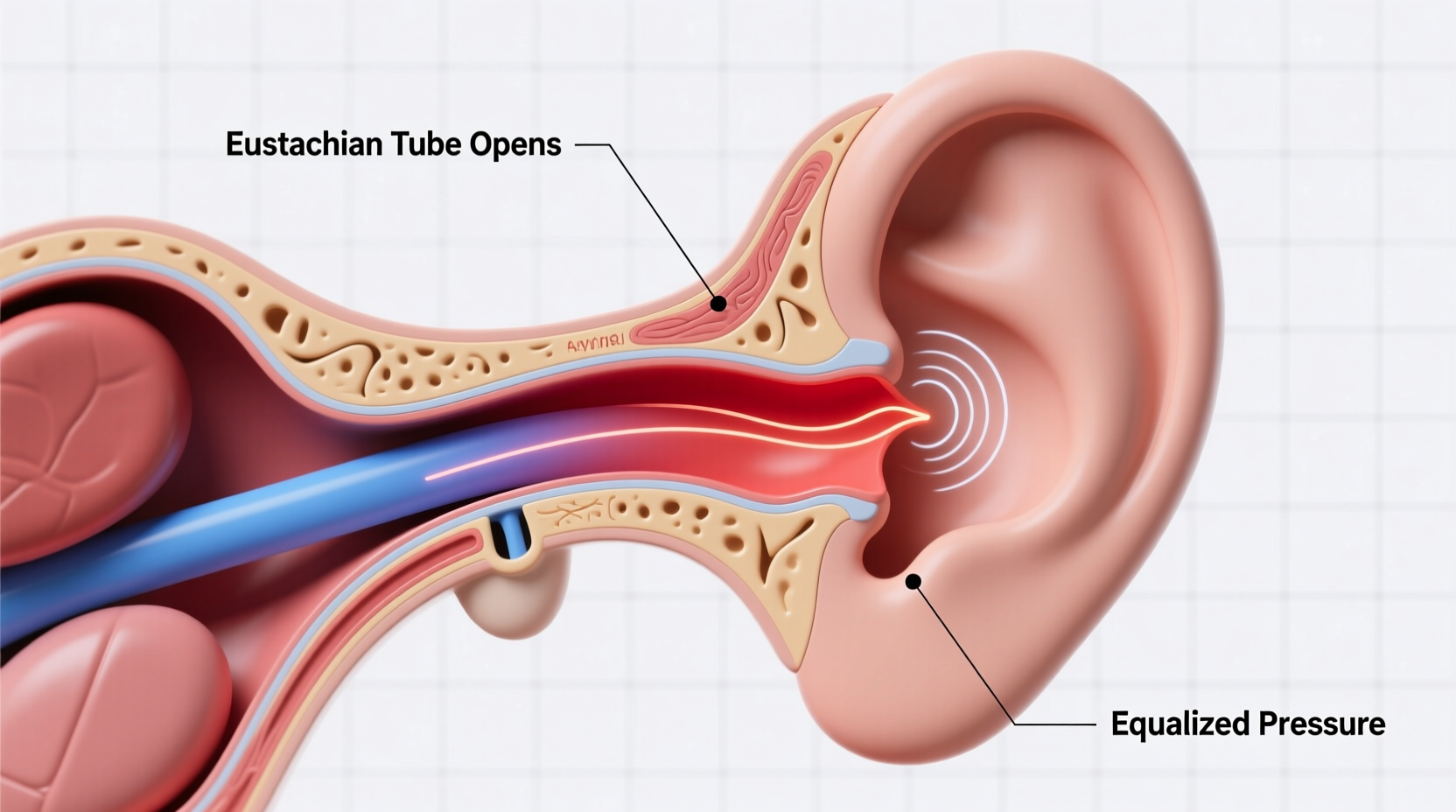
The sensation of ear popping occurs when the Eustachian tube opens briefly to allow air into or out of the middle ear. Normally, this tube remains closed but opens during swallowing, yawning, or chewing. When there’s a mismatch between the pressure inside the middle ear and the atmospheric pressure outside, the eardrum bulges inward or outward, creating a feeling of fullness or muffled hearing. The “pop” is the sound of the tube opening and pressure normalizing.
Sudden altitude changes are the most familiar cause. Flying in an airplane, driving through mountainous terrain, or even riding an elevator in a tall building can trigger this response. During ascent, external pressure drops, causing the higher-pressure air trapped in the middle ear to push outward. On descent, external pressure increases, pulling the eardrum inward until the Eustachian tube opens to let air in.
But not all pressure changes are environmental. Internal shifts due to congestion, inflammation, or muscle tension can also prompt popping. For example, a cold or allergies can cause swelling in the nasal passages and Eustachian tubes, impairing their ability to open properly. This leads to frequent or uneven popping as the body struggles to regulate pressure.
Common Causes of Random Ear Popping
While flying or hiking are predictable triggers, many people experience ear popping without any obvious change in elevation. These random episodes often stem from subtle shifts in pressure or function within the head and neck region. Below are the most frequent causes:
- Allergies and sinus congestion: Inflammation blocks the Eustachian tube, leading to irregular pressure buildup and sporadic popping.
- Upper respiratory infections: Colds or flu increase mucus production, which can clog the tube and delay pressure equalization.
- Temporomandibular joint (TMJ) dysfunction: Jaw joint misalignment can affect nearby muscles and nerves involved in Eustachian tube function.
- Earwax buildup: Impacted wax may alter pressure perception, though it doesn’t directly block the Eustachian tube.
- Autophony: Hearing your own voice or breathing unusually loudly due to a patulous (abnormally open) Eustachian tube, which can cause rhythmic popping with each breath.
- Muscle spasms: Tiny muscles in the middle ear (like the tensor tympani) can twitch involuntarily, producing clicking or popping sounds.
In many of these cases, the popping is temporary and resolves once the underlying condition improves. However, frequency and associated symptoms matter when determining whether intervention is needed.
When to Be Concerned: Red Flags to Watch For
Occasional ear popping is typically harmless. But certain patterns suggest the need for professional assessment. Persistent or painful symptoms may indicate an infection, chronic dysfunction, or structural issue.
“Recurrent ear popping accompanied by pain, hearing loss, or dizziness should never be ignored. It could point to chronic Eustachian tube dysfunction or another treatable condition.” — Dr. Lena Patel, Otolaryngologist
Consider consulting a healthcare provider if you experience any of the following:
| Symptom | Potential Cause | Action Recommended |
|---|---|---|
| Popping with sharp pain | Acute otitis media (middle ear infection) | See a doctor promptly; may require antibiotics |
| Constant fullness for more than 5 days | Eustachian tube dysfunction (ETD) | ENT evaluation; possible decongestants or steroids |
| Hearing loss or muffled sound | Fluid buildup or retracted eardrum | Audiometry and tympanometry testing |
| Dizziness or vertigo | Inner ear involvement (e.g., Meniere’s disease) | Immediate medical assessment |
| Frequent clicking/popping with jaw movement | TMJ disorder | Dental or physical therapy consultation |
Children are especially prone to Eustachian tube issues due to shorter, more horizontal tubes. Parents should monitor for signs like ear tugging, irritability during flights, or delayed speech development, which could indicate chronic fluid retention.
Practical Strategies to Manage Ear Popping
If your ear popping is mild and infrequent, several self-care techniques can help restore balance and reduce discomfort. These methods work by actively opening the Eustachian tube or reducing contributing factors like congestion.
Step-by-Step Guide to Equalize Ear Pressure
- Swallow or yawn: Natural actions that engage the muscles connected to the Eustachian tube.
- Chew gum or suck on candy: Increases swallowing frequency, especially useful during takeoff and landing.
- Perform the Valsalva maneuver: Gently blow your nose while pinching your nostrils shut and keeping your mouth closed. Do this softly—forceful attempts can damage the eardrum.
- Try the Toynbee maneuver: Pinch your nose and swallow simultaneously. This can help close the tube gently after over-inflation.
- Use a warm compress: Apply to the affected ear to soothe discomfort and promote circulation.
Long-Term Prevention Checklist
- ✅ Treat allergies promptly with antihistamines or nasal sprays
- ✅ Stay hydrated to thin mucus and improve Eustachian tube function
- ✅ Use saline nasal rinses regularly, especially during cold season
- ✅ Avoid smoking and secondhand smoke, which irritate mucosal linings
- ✅ Manage TMJ issues with stress reduction or dental appliances if needed
- ✅ Fly only when healthy—avoid air travel with active sinus infections
Real-Life Example: Managing Chronic Ear Popping
Sarah, a 34-year-old teacher, began noticing her left ear popping frequently throughout the day—even while grading papers at her desk. At first, she dismissed it as fatigue. But after two weeks of increasing fullness and muffled hearing, she consulted an ENT specialist.
Examination revealed moderate Eustachian tube dysfunction caused by undiagnosed seasonal allergies. Despite having no nasal congestion, inflammation in her nasopharynx was restricting tube opening. She was prescribed a steroid nasal spray and advised to use a saline rinse daily. Within ten days, her symptoms improved significantly. Follow-up tympanometry confirmed normalized middle ear pressure.
Sarah’s case illustrates how internal pressure imbalances can occur without obvious triggers. Early intervention prevented potential complications like serous otitis media (fluid buildup).
Frequently Asked Questions
Can dehydration cause ear popping?
Yes. Dehydration thickens mucus, making it harder for the Eustachian tube to drain and equalize pressure. Staying well-hydrated supports optimal function.
Is it normal for ears to pop when lying down?
Sometimes. Changing head position alters pressure distribution in the ear and sinuses. Occasional popping is fine, but consistent symptoms upon lying down may suggest Eustachian tube dysfunction or reflux-related irritation.
Why does my ear pop when I move my jaw?
Jaw motion affects muscles near the Eustachian tube. If you have TMJ disorder or muscle tension, movements like chewing or talking can mechanically stimulate the tube, causing audible pops. Persistent clicking warrants dental or physical therapy evaluation.
Conclusion: Listen to Your Body—and Take Action
Random ear popping is usually a benign reminder of your body’s sophisticated pressure-regulation system. In most cases, it requires no treatment beyond simple lifestyle adjustments. However, ignoring persistent symptoms can lead to complications like chronic ear infections, hearing impairment, or balance disorders.
Understanding the difference between normal and concerning popping empowers you to take timely action. Whether it’s managing allergies, improving hydration, or seeking medical advice, small steps can make a significant difference in ear health.




 浙公网安备
33010002000092号
浙公网安备
33010002000092号 浙B2-20120091-4
Comments
No comments yet. Why don't you start the discussion?