
Uneven eyebrow growth is a common yet frustrating concern that affects people of all genders and ages. Whether one brow arches higher, the hairs grow in different directions, or one side appears thinner, asymmetry can make grooming feel like a constant battle. While perfectly symmetrical brows are rare—natural facial asymmetry plays a role—understanding the causes behind uneven growth allows for targeted, effective solutions. This guide explores the biological, behavioral, and environmental factors influencing brow development and offers practical, science-backed strategies to achieve fuller, more balanced eyebrows.
Understanding Natural Facial Asymmetry
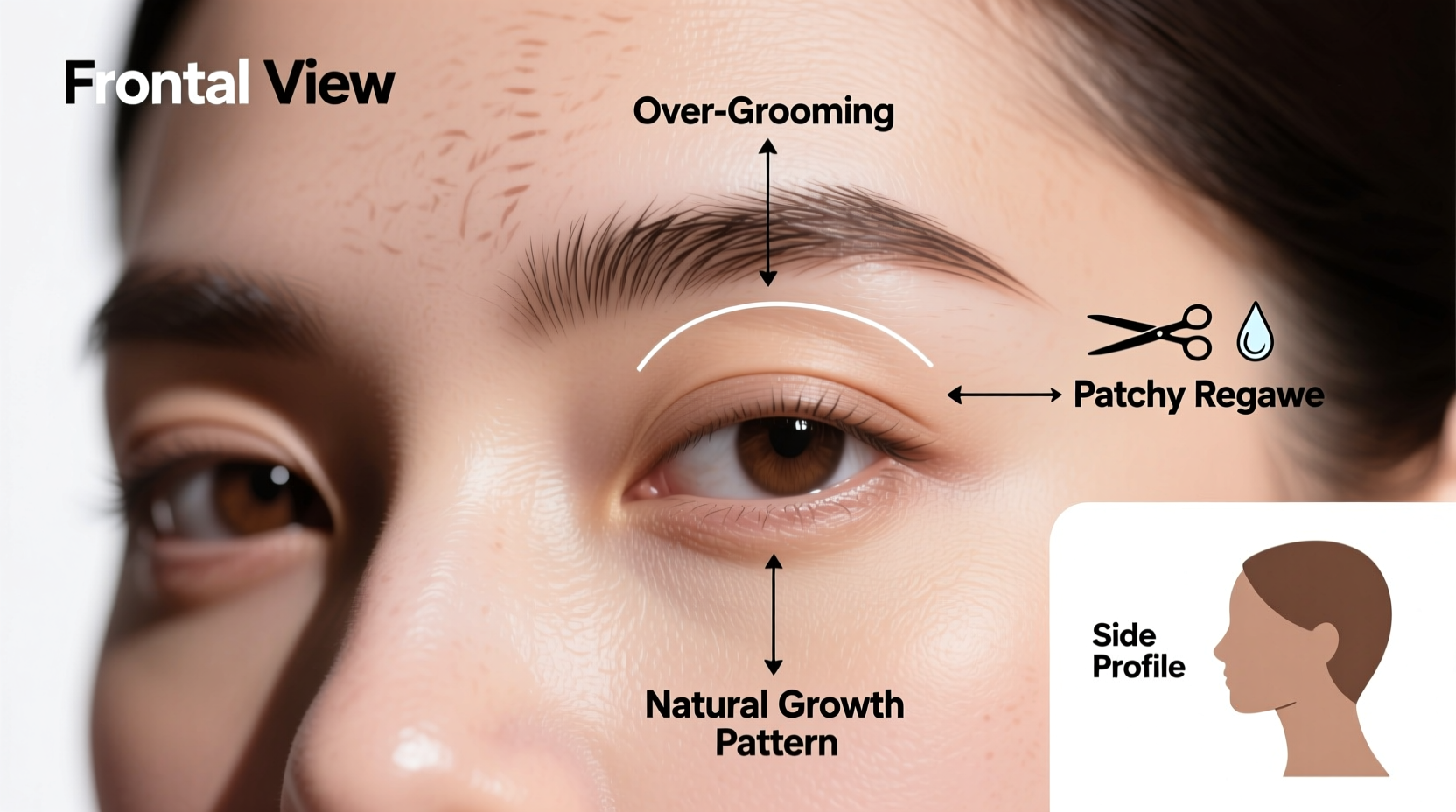
The human face is inherently asymmetrical. One eye may sit slightly higher, one cheekbone more prominent, and yes—one eyebrow naturally grows with a different shape, thickness, or density than the other. This variation begins at the genetic level and is influenced by muscle use, sleep patterns, and even sun exposure over time.
Facial asymmetry isn’t a flaw—it’s normal. However, when it becomes pronounced in the brows, it draws attention and may affect self-confidence. The key is not to force perfect symmetry but to work with your natural structure to create balance through grooming and care.
“Facial asymmetry is completely normal. The goal in brow shaping should be harmony, not symmetry.” — Dr. Lena Patel, Dermatologist & Cosmetic Specialist
Common Causes of Uneven Eyebrow Growth
Several interrelated factors contribute to uneven eyebrow growth. Identifying the root cause helps determine the most effective solution.
- Genetics: Your DNA largely determines hair texture, density, and growth patterns. If one side of your brow has fewer follicles or finer hairs, this is likely inherited.
- Hormonal Fluctuations: Changes during puberty, pregnancy, menopause, or due to thyroid imbalances can disrupt hair growth cycles, sometimes affecting one area more than another.
- Over-Plucking or Trauma: Repeated tweezing, waxing, or threading—especially if done more aggressively on one side—can damage follicles and lead to thinning or stunted regrowth.
- Sleep Position: Consistently sleeping on one side may compress the eyebrow area, potentially reducing circulation and affecting hair growth over time.
- Skin Conditions: Eczema, psoriasis, or seborrheic dermatitis along the brow line can interfere with healthy hair growth.
- Nutritional Deficiencies: Lack of protein, iron, biotin, or zinc can impair overall hair health, often showing first in slower-growing areas like the brows.
Grooming Fixes for Immediate Balance
While long-term growth strategies take time, smart grooming techniques can instantly improve the appearance of uneven brows. The goal is to enhance what you have—not erase natural differences.
Step-by-Step Brow Shaping Routine
- Let Them Grow: Allow brows to grow out for 4–6 weeks without plucking to assess their natural shape.
- Map the Brows: Use a spoolie and pencil to mark the start (aligned with the nose), arch (nose to outer iris), and end (nose to outer eye corner) on each side.
- Define the Shape: Tweeze only hairs clearly outside the mapped lines. Do not force both brows into identical shapes—adapt to facial contours.
- Fill Strategically: Use a fine-tipped brow pencil or powder to add hair-like strokes to sparse areas. Focus on the thinner side to create visual fullness.
- Set with Gel: Brush on a clear or tinted brow gel to hold hairs in place and maintain symmetry throughout the day.
| Tool | Best For | Avoid If |
|---|---|---|
| Tweezers | Precision plucking of individual hairs | You tend to over-pluck; use sparingly |
| Spoolie Brush | Distributing products and blending | None – essential for natural finish |
| Brow Pencil | Adding definition and mimicking hairs | Using heavy-handed application |
| Brow Serum | Long-term growth stimulation | Active skin infections or irritations |
Do’s and Don’ts of Daily Brow Maintenance
- Do: Groom under natural light to avoid mistakes.
- Do: Use magnification sparingly—over-analyzing can lead to over-plucking.
- Don’t: Match both brows stroke-for-stroke; embrace subtle differences.
- Don’t: Share waxing tools or tweezers to prevent bacterial transfer.
Stimulating Healthy Brow Growth
If unevenness stems from thinning rather than shape, promoting healthier hair growth is essential. Unlike scalp hair, eyebrow hairs have a shorter growth cycle (about 4 months), so patience and consistency are crucial.
Natural Oils and Topical Treatments
Certain oils nourish follicles and improve keratin production:
- Castor Oil: High in ricinoleic acid, known for anti-inflammatory properties and potential to stimulate circulation.
- Coconut Oil: Penetrates the hair shaft, reducing protein loss and strengthening existing hairs.
- Jojoba Oil: Mimics natural sebum, moisturizing the skin without clogging pores.
Apply 1–2 drops nightly using a clean spoolie or cotton swab. Massage gently for 30 seconds to boost blood flow.
Brow Serums with Proven Ingredients
For faster, more reliable results, consider serums containing:
- Panthenol (Pro-Vitamin B5): Improves hair elasticity and hydration.
- Peptides: Signal follicles to enter the growth phase (anagen).
- Biotin: Supports keratin infrastructure, though topical absorption is limited.
Look for products clinically tested for eyebrow use. Apply once daily, preferably at night, for at least 8–12 weeks before assessing results.
“Topical minoxidil 2%—used off-label for brows—has shown promising results in clinical studies for hypotrichosis (thin hair). But it requires medical supervision due to potential side effects.” — Dr. Arjun Mehta, Trichologist
Real-Life Example: Sarah’s Brow Recovery Journey
Sarah, a 32-year-old graphic designer, struggled with a noticeably thinner left eyebrow for years. She admitted to unconsciously plucking more on that side due to a stray upward-growing hair. After two years of over-tweezing, the area became sparse and slow to regrow.
She consulted a dermatologist who diagnosed mild traction alopecia—a condition caused by repeated pulling. Her treatment plan included:
- Stopping all plucking for three months
- Applying a peptide-based serum nightly
- Massaging with castor oil three times a week
- Improving her diet with added protein and iron
After five months, Sarah noticed visible regrowth. By month eight, she resumed light grooming and used brow pencil only for subtle enhancement. Her confidence returned—not because her brows were identical, but because they looked healthier and more balanced.
Checklist: Achieving Balanced Eyebrows
Follow this actionable checklist to improve brow symmetry and health:
- Pause plucking for 4–6 weeks to assess natural shape.
- Map brows using alignment guidelines (nose, iris, outer eye).
- Use a spoolie daily to train unruly hairs.
- Apply a growth serum or nourishing oil every night.
- Improve nutrition: include eggs, spinach, nuts, and lean meats.
- Protect brows from excessive sun with SPF-containing makeup.
- Visit a licensed brow specialist for shaping every 4–6 weeks.
- Monitor changes and adjust routine as needed.
Frequently Asked Questions
Can uneven brows be fixed permanently?
Complete permanence depends on the cause. If genetics or natural asymmetry is the main factor, grooming and maintenance will always be needed. However, if over-plucking or poor nutrition caused the imbalance, correcting those issues can lead to lasting improvement.
How long does it take for eyebrows to grow back evenly?
Most people see initial regrowth within 4–6 weeks, but full results take 3–6 months. Consistency with serums, oils, and gentle care significantly influences the timeline.
Is it safe to use eyelash growth serum on eyebrows?
Some lash serums contain prostaglandin analogs (like bimatoprost), which are not FDA-approved for eyebrow use and may cause skin darkening or unwanted hair growth nearby. Only use products specifically formulated and tested for brows.
Final Thoughts: Embrace Your Unique Brows
Perfectly symmetrical eyebrows are not a requirement for beauty or confidence. What matters most is healthy, well-groomed brows that complement your face. Understanding why yours grow unevenly removes frustration and empowers smarter choices—from avoiding over-plucking to adopting growth-supportive habits.
Whether you're correcting years of over-tweezing or simply working with your natural asymmetry, progress comes from patience and consistency. Small daily actions—like applying serum, eating nutrient-rich foods, or resisting the urge to pluck—add up to noticeable change over time.




 浙公网安备
33010002000092号
浙公网安备
33010002000092号 浙B2-20120091-4
Comments
No comments yet. Why don't you start the discussion?