
Itching is one of the most common complaints following microblading — especially during and after the healing phase. While it can be frustrating and even alarming, especially if you're new to semi-permanent cosmetics, itching is often a natural part of the skin's recovery process. However, not all itching is harmless. Understanding the difference between normal post-procedure discomfort and signs of complications is essential for preserving results and maintaining skin health.
Microblading involves depositing pigment into the upper layers of the skin using fine needles. This controlled trauma triggers the body’s healing response, which includes inflammation, scabbing, flaking, and inevitably, itching. In this article, we’ll break down exactly why your eyebrows itch after microblading, how long it should last, what factors influence the intensity, and most importantly — how to manage it safely without damaging your fresh results.
The Healing Process: What Happens Under the Skin?
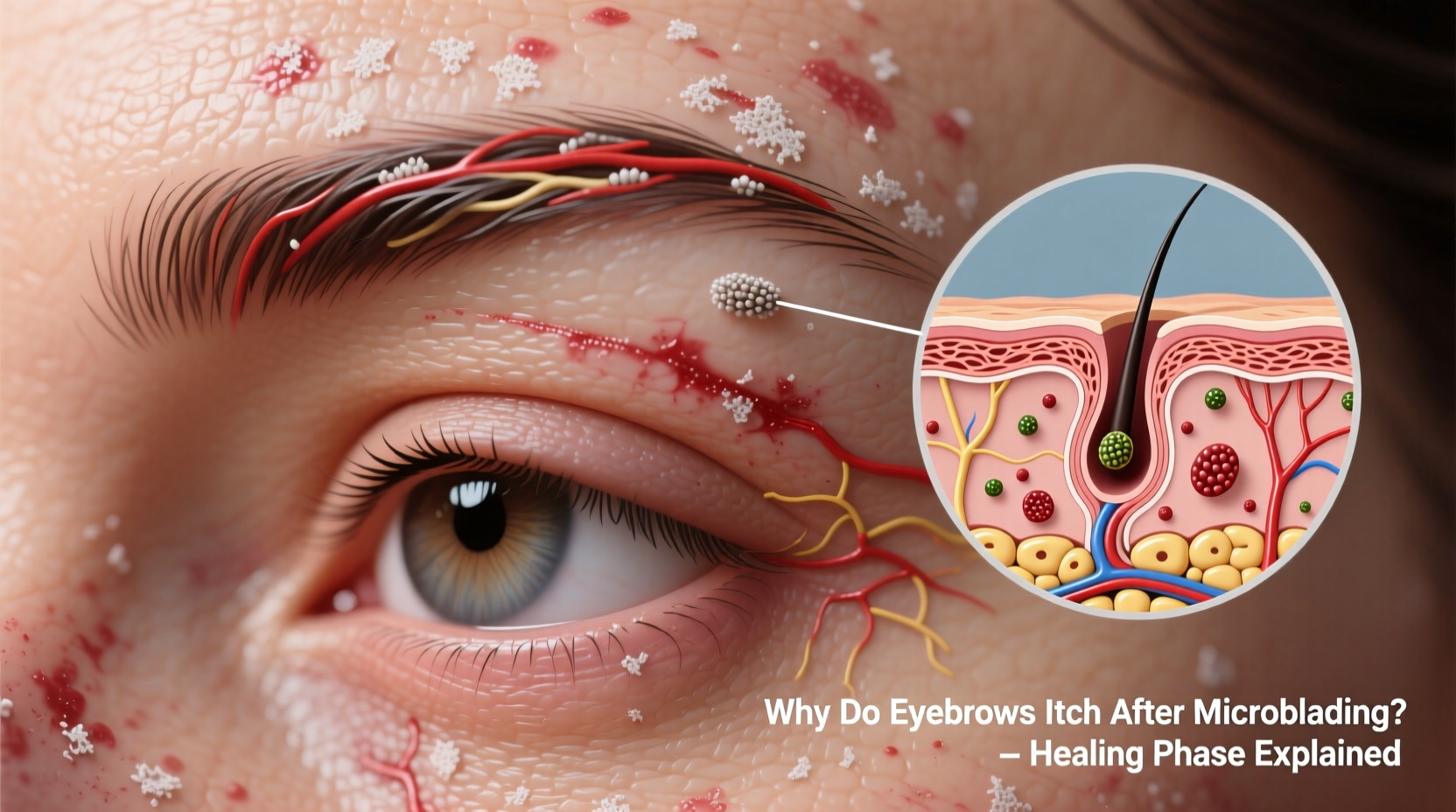
After microblading, your skin undergoes several distinct stages of healing over 4–6 weeks. Each stage plays a role in how your final brows will look — and whether or not you experience itching.
- Days 1–3 (Inflammation Phase): Immediately after the procedure, the treated area becomes slightly red, swollen, and tender. This is due to minor tissue damage from the blades. Itching is usually minimal at this point because inflammation suppresses nerve sensitivity.
- Days 4–7 (Scab Formation): As the skin begins to repair itself, plasma dries on the surface, forming tiny scabs or flakes over each stroke. This layer protects the underlying healing tissue and trapped pigment. It’s during this time that itching typically starts — lightly at first, then increasing as the skin tightens.
- Weeks 2–3 (Peeling & Flaking): The outer layer of damaged skin starts to shed. You may notice grayish or brownish flakes coming off — this is dead skin mixed with excess pigment. The new skin beneath is delicate and highly sensitive, which contributes to persistent itching.
- Weeks 4–6 (Maturation Phase): The deeper dermal layers continue remodeling collagen and stabilizing pigment. Although surface healing is complete, subtle internal changes can still cause occasional twinges or mild itchiness, particularly in dry environments.
Itching peaks around days 5–10, coinciding with scab development and early peeling. But why does the body respond this way?
Why Does Itching Occur? The Science Behind the Sensation
Itching, medically known as pruritus, is a neurological signal triggered by various biological processes during wound healing. After microblading, several interrelated mechanisms contribute to the urge to scratch:
- Histamine Release: When skin is injured, mast cells release histamines — chemical messengers involved in immune response. Histamines increase blood flow and attract white blood cells to the site, but they also stimulate nerve endings responsible for itch sensations.
- Drying Skin: As scabs form, moisture evaporates from the epidermis. Dry skin lacks flexibility and pulls on surrounding nerves, creating an itchy feeling. Over-drying can worsen flaking and lead to premature pigment loss.
- Nerve Regeneration: Microblading disrupts superficial nerves. As these nerves regenerate, they send erratic signals to the brain, some interpreted as tingling, others as itching.
- Keratinocyte Migration: New skin cells (keratinocytes) migrate across the wound bed to rebuild the surface. Their movement generates microscopic friction, contributing to irritation and itch perception.
Normal vs. Abnormal Itching: How to Tell the Difference
Not all itching is created equal. Mild to moderate itching during healing is expected. However, certain symptoms indicate potential problems such as infection, allergic reaction, or poor aftercare.
| Symptom | Likely Cause | Action Required |
|---|---|---|
| Mild itching with light flaking | Normal healing process | Apply recommended ointment sparingly; avoid touching |
| Intense, constant itching with redness and swelling | Possible infection or irritation | Contact your technician; consider medical evaluation |
| Itching accompanied by pus, heat, or pain | Bacterial infection | Seek immediate medical attention |
| Itching spreading beyond brows with rash or hives | Allergic reaction to pigment or aftercare product | Discontinue topical products; consult dermatologist |
| Itching returning weeks later with raised bumps | Keloid formation or granuloma (rare) | See a specialist for diagnosis and treatment |
“Post-microblading itching is almost universal, but severity varies widely based on individual skin biology and aftercare habits.” — Dr. Lena Torres, Board-Certified Dermatologist specializing in cosmetic procedures
How to Soothe Itchy Eyebrows Safely
Resisting the urge to scratch is challenging, but critical. Here are proven, safe methods to relieve discomfort without compromising your results:
1. Use Only Approved Aftercare Products
Your technician likely provided or recommended a specific ointment (such as Aquaphor or a specialized post-care balm). Apply a grain-of-rice-sized amount twice daily — more can suffocate the skin and delay healing.
2. Keep Skin Hydrated — But Not Wet
Over-washing strips natural oils and increases dryness. Wash gently with lukewarm water and a mild cleanser once daily. Pat dry — never rub.
3. Apply Cold Compresses
If itching feels unbearable, wrap an ice pack in a clean cloth and hold it near (not directly on) the brows for 10–15 seconds at a time. Cold reduces inflammation and numbs nerve activity temporarily.
4. Avoid Irritants
Skip makeup, sunscreen, and skincare products near the brow area until fully healed (usually 10–14 days). Fragrances, alcohol, and acids can inflame healing skin and intensify itching.
5. Maintain Humidity Levels
Dry indoor air exacerbates flaking and tightness. Use a humidifier at night, especially in winter or air-conditioned environments.
6. Wear Gloves at Night
If you tend to scratch unconsciously while sleeping, wear cotton gloves to prevent accidental trauma.
Mini Case Study: Sarah’s Recovery Journey
Sarah, a 32-year-old teacher, got her first microblading session to enhance sparse brows. By day six, she experienced intense itching and noticed small flakes forming. Worried, she nearly picked at them but remembered her technician’s warning. Instead, she applied a tiny dab of recovery ointment and used a cold spoon from the fridge to gently cool the area. She avoided makeup and kept her face dry except during cleansing.
By day ten, most flakes had fallen off naturally. Her brows looked patchy at first — a common “ghost phase” — but within three weeks, the pigment stabilized and appeared soft and natural. Sarah credits her successful outcome to resisting the urge to scratch and following aftercare instructions precisely.
Common Mistakes That Worsen Itching
- Over-moisturizing: Too much ointment traps bacteria and prevents oxygen flow, slowing healing and increasing irritation.
- Using DIY remedies: Aloe vera, coconut oil, or essential oils may seem soothing but can introduce allergens or clog pores.
- Exposing brows to steam or sweat: Saunas, hot showers, and workouts increase blood flow and inflammation, making itching worse.
- Touching with dirty hands: Introduces bacteria and risks infection, especially if nails break the scab barrier.
When Will the Itching Stop?
For most clients, noticeable itching subsides by the end of week two, once flaking concludes and new skin has formed. However, occasional mild twinges may occur up to four weeks post-procedure, especially when applying moisturizer or in dry weather.
If itching persists beyond six weeks or returns after being absent, consider possible causes like:
- Dry skin conditions (eczema, psoriasis)
- Allergic contact dermatitis from residual product
- Pigment migration or encapsulation issues
- Ingrown hairs if hair grows back through healed strokes
In such cases, consult your technician or a dermatologist for assessment.
Prevention Checklist for Future Sessions
To minimize discomfort and complications during healing, follow this checklist before and after your next microblading appointment:
- ✅ Choose a licensed, experienced technician who uses sterile tools and high-quality pigments.
- ✅ Avoid blood thinners (aspirin, alcohol, fish oil) 48 hours pre-procedure to reduce bleeding and pigment blowout.
- ✅ Arrive with clean, product-free skin.
- ✅ Follow all aftercare instructions exactly — no shortcuts.
- ✅ Schedule touch-ups only after full healing (6–8 weeks).
- ✅ Use SPF on brows after healing to protect pigment from fading.
Frequently Asked Questions
Is it normal for my eyebrows to itch two weeks after microblading?
Yes, mild itching up to two weeks is normal, especially during the flaking phase. If itching is severe or accompanied by redness, swelling, or discharge, contact your technician or a healthcare provider.
Can I use hydrocortisone cream on itchy microbladed brows?
No — steroid creams like hydrocortisone can lighten pigment, thin the skin, and interfere with healing. Only use products approved by your microblading artist unless directed otherwise by a doctor.
Why do my brows itch more at night?
Body temperature rises slightly at night, increasing blood flow and inflammation. Additionally, distractions decrease, making you more aware of physical sensations. Using a humidifier and wearing gloves can help reduce nighttime itching.
Final Thoughts: Patience Is Part of the Process
Itching after microblading isn’t a flaw in the procedure — it’s a sign your body is doing its job. The skin remembers every injury, no matter how precise, and responds with a cascade of biological events designed to restore integrity. Respecting this process means accepting temporary discomfort for lasting beauty.
Your healed brows reflect not just the skill of your technician, but your commitment to proper aftercare. Every time you resist scratching, reapply ointment correctly, or skip makeup for a few days, you’re investing in crisp, defined strokes that last 12–18 months.




 浙公网安备
33010002000092号
浙公网安备
33010002000092号 浙B2-20120091-4
Comments
No comments yet. Why don't you start the discussion?