
If you've ever stood in front of the mirror post-plucking only to notice one brow arching higher than the other or one tail trailing longer, you're not alone. Eyebrow asymmetry after hair removal is a common frustration—even among those who’ve been shaping their brows for years. The issue isn’t just cosmetic; it can affect facial balance and confidence. But before you blame your tweezers, understand that uneven brows aren’t always about technique. They stem from a mix of natural anatomy, habits, and subtle missteps in grooming. The good news? Most causes are correctable with awareness, consistency, and the right approach.
Anatomy Isn’t Symmetrical—And That’s Normal
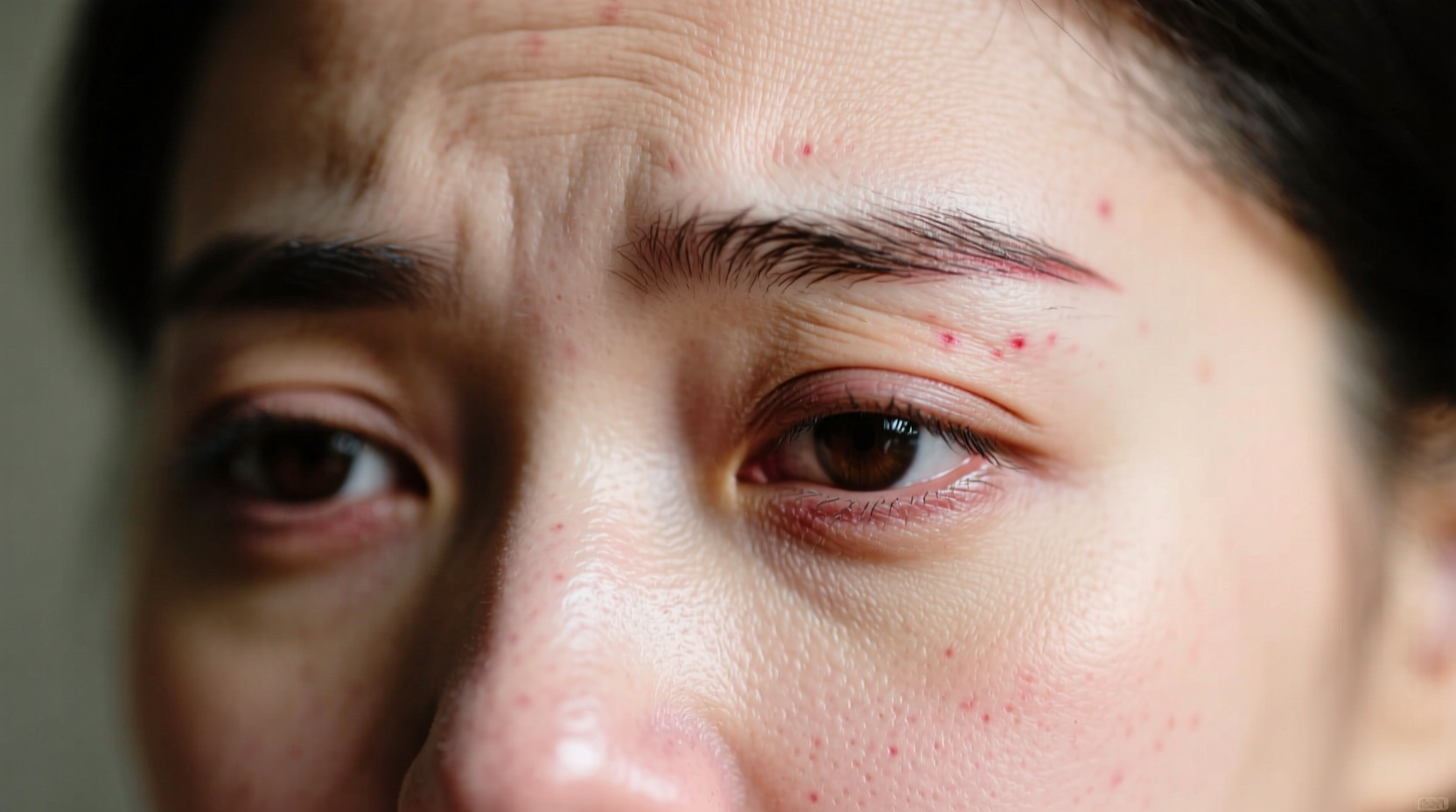
One of the most overlooked truths in eyebrow grooming is that human faces are naturally asymmetrical. No two sides are perfectly identical—not the eyes, nose, jawline, or brows. This biological reality means that striving for mathematical symmetry is both unrealistic and unnecessary. What looks “even” on paper may actually disrupt the harmony of your unique facial structure.
For example, one eyebrow bone might sit slightly higher, or the underlying muscle tone could differ between sides. These micro-variations influence where hairs grow, how they angle, and how full each brow appears. When you pluck based purely on visual symmetry—ignoring these foundational differences—you risk creating an imbalance that wasn't there before.
“Facial asymmetry is normal and often undetectable to others. Over-correction in pursuit of perfect symmetry can lead to more noticeable distortion.” — Dr. Lena Patel, Cosmetic Dermatologist
The goal shouldn’t be identical brows, but harmonious ones—brows that complement your face shape and enhance your features without drawing attention to imbalance.
Common Plucking Mistakes That Cause Unevenness
Even with the best intentions, everyday plucking habits can unintentionally create or exaggerate asymmetry. Here are the most frequent culprits:
- Over-plucking one side: Many people have a dominant hand and tend to groom one brow more aggressively, leading to thinner or shorter results on that side.
- Ignoring the natural brow map: Shaping without reference points (like the inner corner, pupil center, and outer edge of the eye) leads to inconsistent arch placement and tail length.
- Plucking while distracted: Checking emails or watching TV while tweezing increases the risk of removing too many hairs on one side without realizing it.
- Focusing only on aesthetics, not function: Tweezing based solely on trends (e.g., high arches or ultra-slim brows) can override what actually suits your face.
- Not stepping back during the process: Constant close-up inspection distorts perspective. Without viewing both brows together from a distance, it’s easy to miss growing imbalances.
Step-by-Step Guide to Balanced Brow Shaping
Creating even-looking brows starts with a repeatable, structured method. Follow this timeline each time you pluck to minimize errors and maintain consistency:
- Start with clean, dry skin: Remove makeup and wash your face. Oily residue can shift your grip and cause stray pulls.
- Brush brows upward: Use a spoolie to lift all hairs, revealing the true shape and any strays.
- Define your three key points:
- Start: Align a straight tool (pencil or brush) vertically from the inner corner of your nose to the brow. This marks where your brow should begin.
- Arch: Angle the same tool from the outer edge of your iris through the brow. This is your peak point.
- Tail: Extend the tool from the outer corner of your eye outward at a slight upward angle. This defines where your brow should end.
- Mark lightly with a pencil: Dot these points on both brows to serve as guides.
- Compare both sides from a distance: Stand back 2–3 feet and assess overall shape and length before plucking.
- Pluck in stages, alternating sides: Remove 2–3 hairs from one brow, then switch to the other. This prevents over-thinning one side.
- Check progress every few minutes: Step back, squint, and view your brows as a pair. Focus on proportion, not perfection.
- Wait 24 hours before final adjustments: Swelling or redness can distort shape temporarily. Reassess the next day if needed.
Do’s and Don’ts of Eyebrow Maintenance
| Do | Don’t |
|---|---|
| Use sharp, slanted tweezers for precise grip | Use dull or rounded-tip tweezers that pull instead of grab |
| Tweeze after a warm shower when follicles are relaxed | Pluck on dry, cold skin which increases discomfort and ingrown risk |
| Follow your natural brow line unless correcting major flaws | Force an unnatural shape that doesn’t suit your bone structure |
| Apply a soothing gel (like aloe or witch hazel) post-pluck | Use alcohol-based toners that irritate freshly plucked skin |
| Wait at least 2 weeks between major reshaping sessions | Pluck daily or every few days, which damages follicles and causes patchiness |
Real Example: How Sarah Fixed Her Chronic Brow Imbalance
Sarah, a 34-year-old graphic designer, had struggled for years with her left brow appearing shorter and higher than her right. She visited multiple estheticians, tried waxing and threading, but always ended up tweezing at home—and always with the same lopsided result.
After consulting a brow specialist, she discovered the root cause: her right brow followed her natural bone structure, but her left had been over-plucked in her teens to mimic a celebrity’s sharp arch. Years of compensating led her to remove more hairs on the right to “match,” worsening the imbalance.
The solution? A 12-week regrowth plan. She stopped plucking entirely except for obvious strays, applied castor oil nightly to stimulate growth, and marked her ideal shape using the three-point mapping method. By week 8, symmetry improved dramatically. By week 12, she resumed gentle plucking—this time with a strict side-alternating technique. Today, her brows appear naturally balanced, and she only maintains them every 3 weeks.
When to Seek Professional Help
While minor asymmetry can be corrected at home, some cases require expert intervention. Consider booking a session with a licensed brow technician or dermatologist if:
- You’ve created a visible gap or bald spot from over-plucking
- Your brows haven’t regrown in certain areas after 3 months
- You suspect hormonal imbalances (such as thyroid issues) affecting hair growth
- You’re preparing for a major event and want guaranteed symmetry
Professionals use calibrated tools, trained eyes, and standardized mapping techniques to deliver consistent results. They can also recommend treatments like PRP (platelet-rich plasma) therapy or topical minoxidil for stubborn thinning.
FAQ: Common Questions About Uneven Eyebrows
Can uneven eyebrows be fixed permanently?
While natural facial asymmetry will always exist, consistent grooming based on your unique facial landmarks can create long-term balance. For severe over-plucking, permanent solutions like microblading or semi-permanent tattooing may help restore shape—but consult a certified artist first.
Why does one eyebrow grow faster than the other?
Growth rate differences are usually due to circulation, nerve activity, or habitual facial expressions (like raising one brow more). Hormonal fluctuations and localized skin health can also play a role. These variations are typically harmless and temporary.
Is it better to pluck or wax for even brows?
Plucking offers more control for small adjustments, making it ideal for home maintenance. Waxing removes larger sections at once, increasing the risk of over-removal. For beginners or those prone to asymmetry, plucking is safer. Professionals may prefer threading or waxing for speed and precision.
Brow Care Checklist
Use this checklist before and after your next plucking session to maintain symmetry and prevent mistakes:
- ☐ Cleanse face and hands before starting
- ☐ Gather sharp tweezers, spoolie, and a well-lit mirror
- ☐ Map start, arch, and tail points on both brows
- ☐ Brush hairs into natural position
- ☐ Remove only visibly stray hairs outside the mapped line
- ☐ Alternate sides: 2–3 hairs per brow at a time
- ☐ Step back every few minutes to assess balance
- ☐ Apply a calming serum or aloe gel afterward
- ☐ Avoid touching or applying makeup for 1–2 hours
- ☐ Schedule next session for 2–3 weeks later
Conclusion: Embrace Balance, Not Perfection
Uneven eyebrows after plucking are rarely a sign of failure—they’re often the result of working against your natural anatomy with inconsistent methods. With a mindful approach, the right tools, and a clear understanding of facial symmetry, you can transform your routine from frustrating to flawless. Remember: the goal isn’t robotic uniformity, but balanced enhancement. Take your time, respect your brows’ natural rhythm, and allow them to frame your face with confidence.




 浙公网安备
33010002000092号
浙公网安备
33010002000092号 浙B2-20120091-4
Comments
No comments yet. Why don't you start the discussion?