
Plucking your eyebrows is one of the most accessible ways to shape and groom facial hair at home. But even with careful effort, it's common to end up staring in the mirror wondering: “Why do my eyebrows look uneven?” Asymmetry can appear suddenly after a session—thinner on one side, higher arches, or mismatched tails. The truth is, perfect brow symmetry isn't just about precision; it’s about understanding facial anatomy, using the right tools, and avoiding common mistakes that throw off balance. This guide breaks down the science behind uneven brows post-plucking, offers proven correction strategies, and equips you with practical tools and routines to achieve naturally symmetrical results.
Why Eyebrows Appear Uneven After Plucking
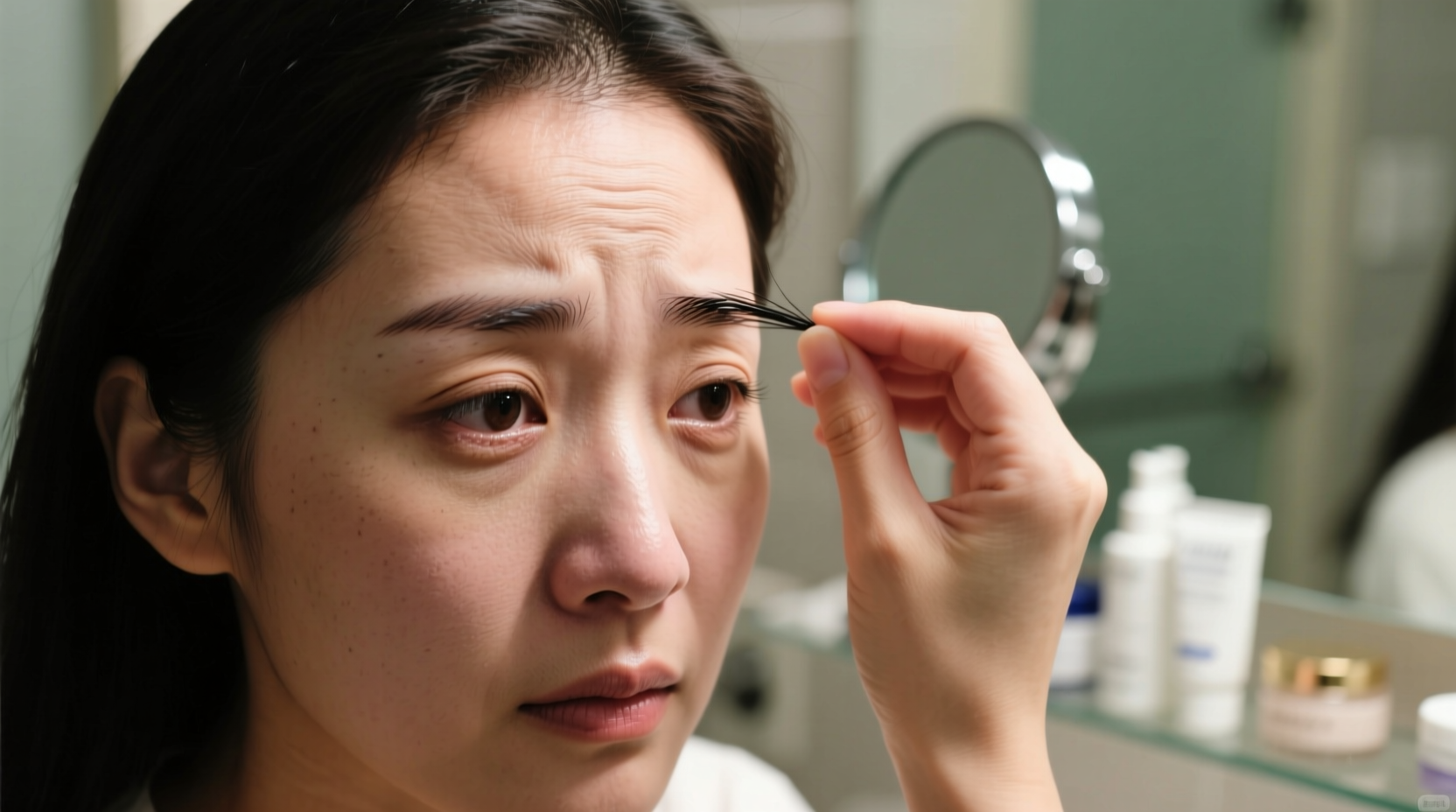
The human face is inherently asymmetrical. No two sides are perfectly identical—not in bone structure, muscle tone, or hair distribution. When we pluck, we often unconsciously favor one side, respond to stray hairs more aggressively on one brow, or misalign our shaping based on flawed reference points. These small errors compound quickly, resulting in visibly lopsided brows.
Common causes include:
- Mirror distortion: Bathroom lighting and angled mirrors can mislead perception, making one brow appear fuller or lower than it is.
- Over-plucking one side: Dominant hand usage may lead to more aggressive removal on the opposite (easier-to-reach) brow.
- Incorrect starting point: Misjudging where the brow should begin above the inner corner of the eye throws off the entire shape.
- Natural growth patterns: One brow may grow denser or follow a different curve due to genetics or past trauma (like over-waxing).
- Lack of anchoring guides: Shaping freehand without alignment tools leads to inconsistent angles and lengths.
“Facial asymmetry is normal. The goal isn’t mathematical perfection—it’s harmonious balance that enhances your natural features.” — Dr. Lena Torres, Cosmetic Dermatologist
Symmetry Tools That Make a Difference
Professional estheticians don’t rely solely on instinct. They use precise tools to map out brow architecture before removing a single hair. You can—and should—do the same at home.
| Tool | Purpose | How It Helps Achieve Symmetry |
|---|---|---|
| Brow pencil or thin brush | Alignment guide | Used vertically from the nostril to determine brow start point on both sides. |
| Angled tweezer | Precision plucking | Allows control over individual hairs without pulling surrounding skin. |
| Spoolie brush | Directional mapping | Combs hairs upward to reveal true shape and hidden strays. |
| Mirror with magnification | Detail visibility | Reduces missed hairs and prevents over-plucking by showing fine details. |
| Brow stencil (optional) | Shape consistency | Provides template for beginners but should be adjusted to fit natural bone structure. |
Step-by-Step Guide to Symmetrical Plucking
Achieving balanced brows requires a methodical approach. Follow this timeline before, during, and after plucking to minimize asymmetry risks.
- Prep the area: Cleanse skin and brush brows upward with a spoolie. This reveals the full shape and any hidden hairs.
- Map the ideal shape: Use a slim tool (like a brow pencil) held vertically:
- Align with the inner edge of the nostril to mark the starting point of each brow.
- Tilt diagonally from the nostril through the outer edge of the iris to locate the arch peak.
- Extend the line from the nostril through the outer corner of the eye to define the endpoint.
- Compare both sides: Hold the markings up to the mirror. Adjust if one side starts too far in or ends too short.
- Pluck slowly and alternately: Remove one hair from the left, then one from the right. Focus only on hairs outside the mapped boundary. Avoid shaping the arch yet.
- Define the arch: Identify where the highest point should sit (above the iris). Gently remove hairs just below this point to lift the arch evenly on both sides.
- Check progress every few minutes: Step back, squint, and assess overall balance. Over-plucked areas cannot be fixed immediately.
- Final grooming: Brush brows down, then up again. Trim long hairs if needed, but avoid cutting the outline unless necessary.
“Plucking in cycles—left, right, left—forces equal attention and reduces dominance bias.” — Naomi Reyes, Master Brow Technician
Do’s and Don’ts of Home Brow Maintenance
Even with the best intentions, small habits can sabotage symmetry. Use this checklist to stay on track.
| Do’s | Don’ts |
|---|---|
| Use a clean, slanted tweezer with sharp tips | Use dull or rounded tweezers that slip and break hairs |
| Work in natural light near a window | Rely on dim bathroom lighting |
| Map both brows before plucking a single hair | Start plucking immediately based on memory |
| Take breaks to reassess symmetry | Pluck continuously until tired or bored |
| Apply a soothing balm post-pluck (like aloe or witch hazel) | Touch brows with dirty hands or apply heavy makeup right after |
Real Example: Recovering From Over-Plucked Brows
Sophia, a 29-year-old graphic designer, noticed her left brow had become significantly thinner than the right after months of DIY maintenance. She attributed it to quick morning routines and poor lighting. “I’d pluck while rushing, mostly looking at the reflection in my phone screen,” she said. “One day I took a photo and realized the left arch was almost gone.”
She consulted a brow specialist who explained that Sophia had been aligning her left brow too close to her nose, shortening its base. Additionally, she’d been lifting the arch too high on the right, creating a false sense of balance. Using proper mapping tools and switching to weekly maintenance instead of daily tweaks, Sophia gradually restored symmetry over three months. “I stopped trying to make them identical and focused on harmony instead. Now they frame my eyes better than ever.”
When to Seek Professional Help
While home care works for minor adjustments, persistent asymmetry—especially when caused by scarring, hormonal imbalances, or trichotillomania—may require expert intervention. A licensed esthetician or dermatologist can assess underlying causes and recommend treatments such as:
- Brow lamination to reshape growth direction
- Microblading for sparse areas (semi-permanent pigment tattooing)
- Prescription topicals like bimatoprost to stimulate hair growth
- Custom tinting to create illusion of fullness
If you’ve experienced prolonged over-plucking, allow at least 6–8 weeks of regrowth before attempting another shaping session. During this time, nourish follicles with castor oil or peptide-based serums to support healthy growth.
Frequently Asked Questions
Can eyebrows ever be perfectly symmetrical?
No—and they shouldn’t be. True symmetry looks artificial. The goal is visual balance that complements your unique facial structure. Minor differences are normal and often unnoticeable to others.
How long does it take for uneven brows to grow back evenly?
With consistent care, noticeable improvement appears in 4–6 weeks. Full correction may take 2–3 months depending on your hair growth cycle. Avoid further plucking during recovery unless absolutely necessary.
Are there apps that help map eyebrow symmetry?
Yes. Several augmented reality beauty apps use facial recognition to overlay ideal brow shapes based on your bone structure. While not foolproof, they can serve as helpful references when used alongside physical tools.
Checklist: Achieving Balanced Brows at Home
- ✅ Wash hands and sanitize tools before starting
- ✅ Use natural light or bright, neutral lighting
- ✅ Map start, arch, and endpoint on both brows using alignment rules
- ✅ Compare both sides frequently during plucking
- ✅ Pluck alternately (left, right) to maintain focus
- ✅ Stop if skin becomes red or irritated
- ✅ Apply a calming serum post-care
- ✅ Wait 2–3 weeks between major reshaping sessions
Conclusion: Embrace Balance, Not Perfection
Uneven eyebrows after plucking are more common than you think—and completely fixable with the right knowledge. Instead of chasing impossible symmetry, aim for thoughtful balance that enhances your natural expression. By using simple tools, following a disciplined routine, and respecting your brows’ growth cycle, you’ll develop the confidence to shape them with precision and care. Remember, great brows aren’t born overnight—they’re built through patience, awareness, and smart technique.




 浙公网安备
33010002000092号
浙公网安备
33010002000092号 浙B2-20120091-4
Comments
No comments yet. Why don't you start the discussion?