
Tinting enhances eyebrow fullness, definition, and shape with minimal daily effort—making it a favorite among beauty enthusiasts. Yet, many are surprised when their brows appear lopsided or unbalanced post-treatment. Uneven results can be frustrating, especially when you’ve invested time and money into achieving polished arches. The good news? Most asymmetries aren’t permanent and can be corrected with the right techniques at home.
This guide explores the common causes behind uneven brows after tinting and offers actionable, dermatologist-approved solutions. From understanding natural facial asymmetry to mastering DIY color correction, you’ll gain the knowledge needed to restore balance and confidence in your brow game.
Why Eyebrows Appear Uneven After Tinting
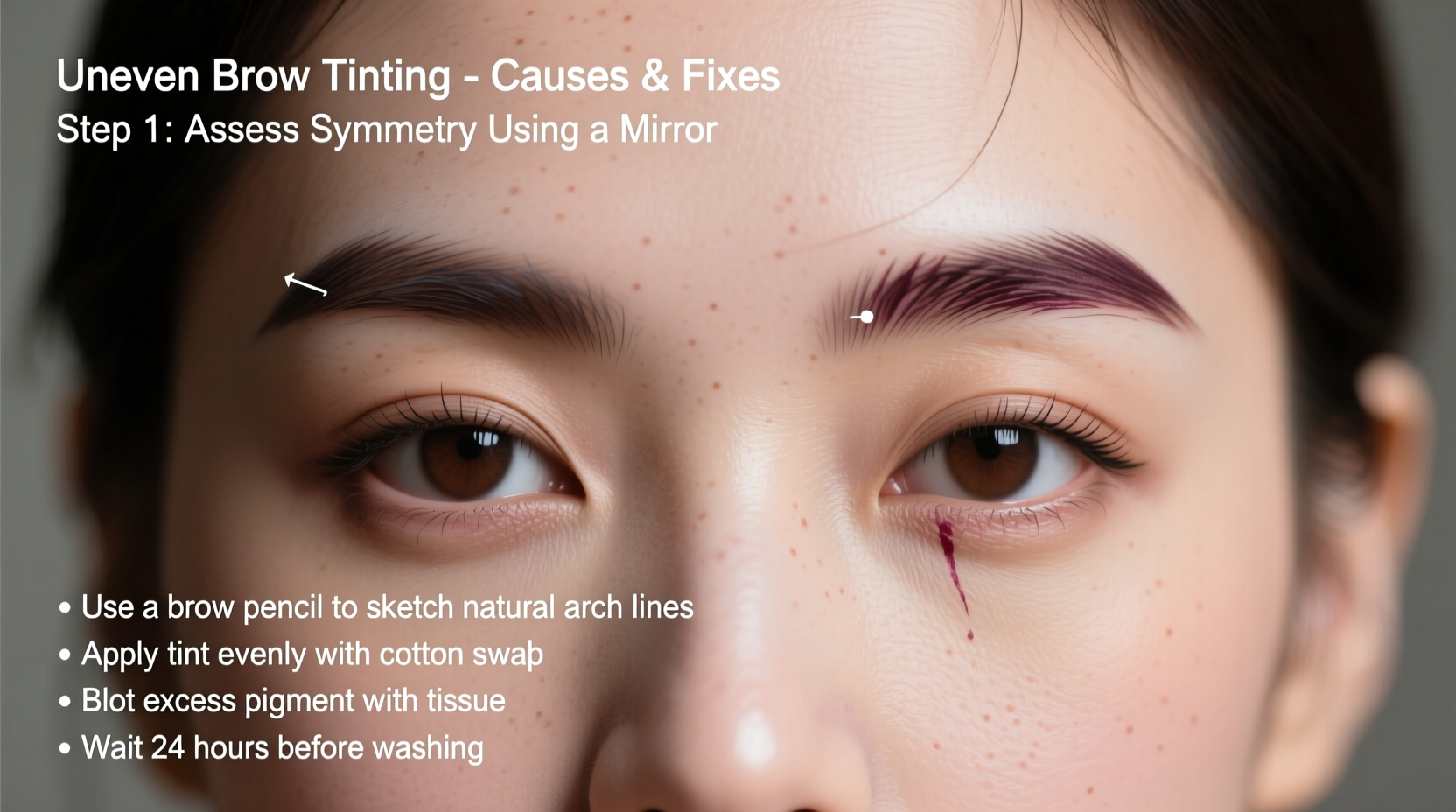
Eyebrow asymmetry after tinting is more common than most realize. While some assume the technician made an error, the truth is often more nuanced. Several factors contribute to the appearance of uneven brows, ranging from biological traits to application inconsistencies.
- Natural Facial Asymmetry: No face is perfectly symmetrical. One eyebrow may naturally sit higher, be sparser, or follow a different growth pattern than the other. Tinting highlights these differences by making hair more visible.
- Inconsistent Hair Density: If one brow has fewer hairs, the tint will appear lighter or patchier compared to its denser counterpart.
- Uneven Application: The technician might have applied more dye to one side, left it on longer, or used inconsistent brushing techniques.
- Dye Reaction Variability: Skin pH, oil levels, and previous product buildup can cause the same dye to develop differently on each brow.
- Pre-Existing Shape Imbalance: If the underlying shape wasn’t symmetrical before tinting, the color only amplifies the discrepancy.
“Tinting doesn’t create asymmetry—it reveals it. Understanding this helps clients approach corrections with patience and precision.” — Lila Chen, Certified Brow Specialist & Educator
Step-by-Step Guide to Correcting Uneven Brows at Home
Correcting asymmetry at home requires a careful, methodical approach. Rushing can worsen the imbalance or damage delicate skin. Follow this timeline to gradually improve symmetry without irritation.
- Wait 48 Hours Post-Tint: Allow the dye to fully set. Initial darkness fades slightly, revealing the true tone and distribution.
- Assess the Discrepancy: In natural light, examine both brows. Note where one appears lighter, patchier, or misshapen. Take a photo for reference.
- Select a Matching Tint: Use the same dye brand and shade as your original treatment. Mismatched tones create muddiness.
- Spot-Treat the Lighter Brow: Apply tint only to the under-pigmented areas using a fine spoolie or microbrush. Avoid the darker brow entirely.
- Monitor Development Time: Check every 2–3 minutes. Stop when the color matches the opposite brow. Never exceed the manufacturer’s max time.
- Clean Up Edges: Use a cotton swab dipped in micellar water to remove excess dye and sharpen the outline.
- Apply Soothing Balm: Dab petroleum jelly or aloe vera gel along the skin to prevent dryness and flaking.
Do’s and Don’ts of At-Home Brow Correction
Mistakes during correction can lead to over-darkening, smudging, or skin staining. This table outlines best practices to follow and pitfalls to avoid.
| Do’s | Don’ts |
|---|---|
| Use a magnifying mirror for precision | Apply tint to both brows if only one is uneven |
| Work in natural daylight | Leave dye on longer than recommended |
| Blend edges gently with a clean spoolie | Use expired or dried-out dye |
| Moisturize brows nightly with castor oil | Pluck or wax immediately after correction |
| Take progress photos weekly | Scrub off dye aggressively if over-applied |
Realistic Case Example: Fixing a Patchy Arch
Sophia, a 32-year-old office manager, noticed her left brow looked significantly lighter after her salon tint. Upon inspection, she realized the inner third had sparse growth due to over-plucking years prior. The dye took well on the outer tail but barely showed on the front.
Rather than re-tint the entire brow—which risked darkening already pigmented areas—she used a microbrush to apply tint only to the pale section. She left it for 5 minutes (half the standard time) and wiped it off carefully. After two applications spaced a week apart, the color balanced out. She now maintains it with biweekly coconut oil treatments to support hair health.
Sophia’s experience underscores a key principle: targeted correction preserves overall harmony while addressing specific flaws.
Brow Symmetry Checklist
Use this checklist before and after any at-home correction to ensure safe, effective results:
- ☑ Assess brows in natural light
- ☑ Identify which brow or section needs adjustment
- ☑ Confirm dye expiration date and consistency
- ☑ Perform a patch test behind the ear
- ☑ Prepare tools: microbrush, cotton swabs, timer, micellar water
- ☑ Apply tint only to desired area
- ☑ Set a timer and check development frequently
- ☑ Clean edges precisely
- ☑ Moisturize after removal
- ☑ Wait at least 7 days before reapplying
When to Seek Professional Help
While minor asymmetries can be managed at home, certain situations warrant professional intervention. Consider booking a session with a licensed brow artist if:
- You’ve attempted correction twice without improvement.
- The shape itself is misaligned (e.g., one arch peaks too high).
- You’re unsure about dye selection or technique.
- There’s skin irritation, redness, or swelling post-tint.
A skilled technician can assess bone structure, natural hair flow, and facial proportions to design a customized shaping and coloring plan. They may also recommend corrective services like microblading or lamination for long-term symmetry.
“The goal isn’t perfect symmetry—it’s harmonious balance. A trained eye can enhance what’s naturally there without overcorrection.” — Jamal Reyes, Master Brow Stylist, NYC
FAQ: Common Questions About Uneven Brow Tinting
Can I use hair dye to touch up my eyebrows at home?
No. Regular hair dyes contain harsh chemicals like ammonia and PPD that can irritate the thin skin around the eyes. Always use products specifically formulated for eyebrows or eyelashes, which are tested for safety in sensitive areas.
How long does tinted eyebrow color last?
On average, eyebrow tint lasts 4 to 6 weeks. Factors like skin type, skincare routine, and sun exposure affect longevity. Oily skin tends to shed color faster, while consistent use of non-exfoliating cleansers helps preserve the dye.
Will plucking make my brows more symmetrical?
Plucking can refine shape but won’t fix color imbalance. Over-plucking damages follicles and reduces hair density, making future tinting less effective. For lasting symmetry, focus on proper tint application and hair growth support instead.
Preventing Future Asymmetry
Consistency is key to avoiding repeat issues. Implement these habits to maintain even, defined brows:
- Map Your Brows Before Each Session: Use the pencil-straight-edge method—align a brush vertically from the nose corner to find the start, through the iris for the arch, and to the temple for the tail. Mark lightly with a white pencil.
- Use Fresh Applicators: Replace spoolies and brushes regularly to prevent bacterial buildup and uneven product distribution.
- Track Growth Patterns: Some areas grow slower. Knowing this helps anticipate where touch-ups may be needed.
- Hydrate Daily: Apply a nourishing serum or oil (like castor or rosehip) to encourage healthy growth and even pigment retention.
- Limit Sun Exposure: UV rays fade dye quickly. Wear sunglasses and apply SPF near—but not directly on—brows during the day.
Final Thoughts: Embrace Natural Balance Over Perfection
Perfectly mirrored brows are rare—and unnecessary. What matters is achieving a look that feels balanced and enhances your features. Unevenness after tinting is usually correctable with patience and care. By understanding your unique brow anatomy and applying targeted fixes, you can enjoy fuller, more defined arches without frequent salon visits.
Remember, small adjustments yield better long-term results than aggressive corrections. Track your progress, prioritize skin health, and don’t hesitate to consult a professional when needed.




 浙公网安备
33010002000092号
浙公网安备
33010002000092号 浙B2-20120091-4
Comments
No comments yet. Why don't you start the discussion?