
Losing eyelashes after wearing extensions is a common yet distressing experience for many. While eyelash extensions enhance volume and length, they can sometimes lead to thinning, breakage, or even permanent loss if not managed properly. Understanding the underlying causes—ranging from improper application to natural hair cycle disruption—is essential to prevent long-term damage. More importantly, knowing how to support healthy regrowth ensures you can enjoy beautiful lashes without compromising their integrity.
This guide breaks down the real reasons behind post-extension lash loss, outlines safe recovery practices, and provides actionable steps to restore your natural lashes with confidence.
Why Eyelashes Fall Out After Extensions: The Science Behind the Shedding
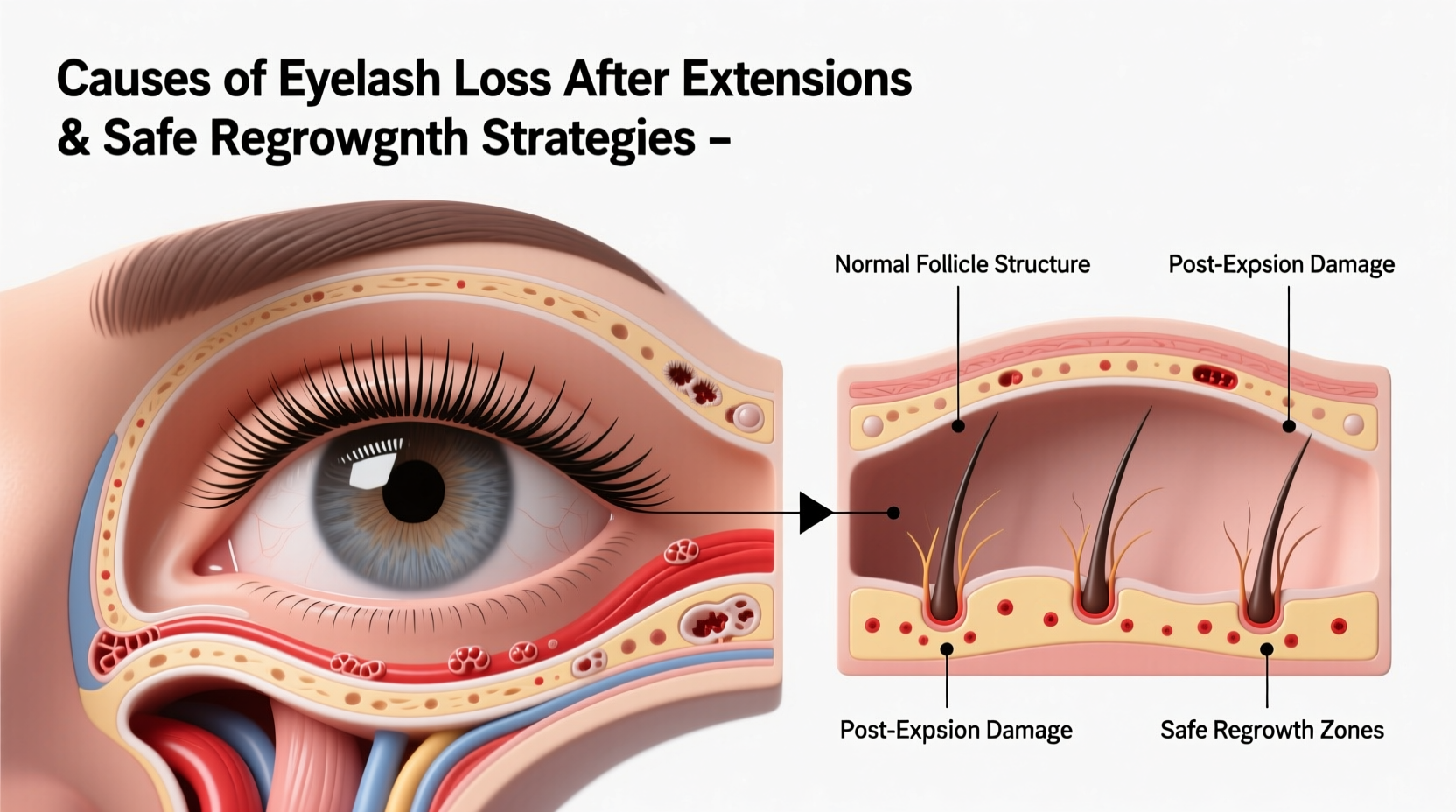
Eyelash extensions are semi-permanent enhancements applied individually to natural lashes using medical-grade adhesive. When done correctly by a certified technician, they should not cause harm. However, when misapplied or poorly maintained, they place unnatural stress on the lash follicle and shaft, leading to premature shedding and weakening of the lash line.
The natural lash growth cycle consists of three phases:
- Anagen (growth phase): Lasts 30–45 days, during which the lash actively grows from the follicle.
- Catagen (transition phase): A short phase where growth stops and the follicle shrinks.
- Telogen (resting/shedding phase): Lasts up to 100 days; the old lash falls out to make room for a new one.
Extensions attach to lashes in any of these phases. If an extension is glued to a lash already in telogen, it will fall out naturally—taking the extension with it. But problems arise when multiple lashes are overloaded or when the adhesive bonds incorrectly, disrupting the natural cycle.
Common Causes of Post-Extension Lash Loss
Several factors contribute to lash fallout after extensions. Identifying them helps determine whether the issue stems from technique, aftercare, or individual biology.
- Improper weight and length: Extensions that are too thick or long strain the natural lash, leading to traction alopecia—a condition caused by chronic pulling.
- Poor bonding technique: Applying multiple natural lashes to one extension (known as “lash clumping”) increases weight and disrupts growth.
- Low-quality adhesives: Harsh glues containing high levels of cyanoacrylate can irritate the follicle and eyelid, triggering inflammation and shedding.
- Infrequent fills or overfilling: Waiting too long between fills leads to uneven weight distribution. Conversely, excessive fills increase stress on weak lashes.
- Rough removal: Using at-home removers or non-professional methods can strip keratin and damage follicles.
- Pre-existing conditions: Blepharitis, thyroid imbalances, or trichotillomania may worsen with added extension stress.
A 2022 study published in the *Journal of Cosmetic Dermatology* found that 68% of participants who wore extensions for more than six months reported noticeable thinning, primarily due to mechanical stress and inadequate maintenance intervals.
Do’s and Don’ts: Protecting Your Natural Lashes
Whether you're currently recovering from lash loss or considering future extensions, following best practices minimizes risk and supports long-term health.
| Do’s | Don’ts |
|---|---|
| Choose lightweight silk or mink-style extensions (0.05mm–0.15mm thickness) | Use thick, dramatic extensions (0.20mm+) regularly |
| Get fills every 2–3 weeks to maintain balance | Wait longer than 4 weeks between fills |
| Clean lashes daily with oil-free, pH-balanced cleanser | Use oil-based makeup removers near the lash line |
| Sleep on your back or use a satin pillowcase | Rub your eyes vigorously or sleep face-down |
| Remove extensions professionally with a licensed artist | Pull off extensions at home |
“Lash extensions aren’t inherently damaging—but poor technique and neglect are. The key is respecting the biology of the lash follicle.” — Dr. Lena Patel, Board-Certified Dermatologist specializing in hair disorders
Safe Regrowth Strategies: Healing and Restoring Your Lashes
After removing extensions, most people notice sparse areas or shorter-than-usual lashes. This doesn’t mean permanent loss—it often reflects temporary disruption of the growth cycle. With proper care, full recovery typically takes 6 to 16 weeks, depending on individual health and habits.
Step-by-Step Lash Recovery Timeline
- Week 1–2: Detox and Soothe
Remove all traces of adhesive residue using a professional-grade lash remover. Switch to a gentle, fragrance-free eye wash. Apply a cool compress if redness or irritation persists. - Week 3–4: Begin Nourishment
Start using a peptide-rich lash serum containing ingredients like biotin, hyaluronic acid, and panthenol. Avoid waterproof mascara and tight eyeliner that clogs follicles. - Week 5–8: Support Growth Environment
Incorporate omega-3 fatty acids into your diet. Stay hydrated. Use a humidifier at night to reduce dryness. Gently massage the lash line with vitamin E oil (patch test first). - Week 9–16: Monitor Progress
Take weekly photos under consistent lighting to track regrowth. If no improvement is seen by week 12, consult a dermatologist to rule out underlying conditions.
Top Ingredients for Lash Regrowth
Not all serums are created equal. Look for clinically tested components that stimulate follicular activity without irritation:
- Bimatoprost (prescription-only): FDA-approved for hypotrichosis (inadequate lashes), increases growth phase duration.
- Panthenol (Provitamin B5): Strengthens keratin structure and improves flexibility.
- Peptides (e.g., myristoyl pentapeptide-17): Signal follicles to enter anagen phase and boost protein synthesis.
- Hyaluronic Acid: Hydrates the lash root zone, reducing brittleness.
- Niacinamide: Improves blood circulation to follicles and reduces inflammation.
Avoid serums with prostaglandin analogs unless prescribed, as they can cause side effects like darkening of the eyelid skin or iris pigmentation changes.
Real-Life Example: Recovering From Severe Lash Thinning
Maria, a 34-year-old marketing executive, wore classic volume lashes for two years with inconsistent fills. Over time, she noticed her outer corners becoming patchy. After a particularly aggressive removal session at a non-certified salon, she lost nearly 40% of her upper lashes.
She consulted a cosmetic dermatologist who diagnosed traction-induced miniaturization—the follicles had weakened from prolonged strain. Maria stopped all extensions, began using a peptide serum twice daily, improved her diet with collagen supplements, and switched to silk bedding.
Within 10 weeks, fine baby lashes appeared along the rim. By month 4, her lash line had regained 85% density. Today, she wears only hybrid sets (mix of natural and light extensions) every 3 weeks and prioritizes aftercare.
Her case underscores that while damage can occur, full recovery is possible with patience and targeted intervention.
Checklist: Your Lash Recovery Action Plan
Follow this checklist to ensure a structured, effective regrowth process:
- ✅ Schedule professional removal of remaining extensions
- ✅ Discontinue waterproof mascara and heavy eye makeup
- ✅ Purchase a reputable lash serum with peptides and vitamins
- ✅ Wash lashes nightly with oil-free foaming cleanser
- ✅ Take a multivitamin with biotin (2.5mg/day) and vitamin E
- ✅ Sleep on a satin pillowcase to reduce friction
- ✅ Avoid rubbing or tugging at eyes, even when tired
- ✅ Reassess progress monthly with close-up photography
- ✅ Book a dermatology consultation if no regrowth occurs by week 12
Frequently Asked Questions
Can eyelashes grow back after falling out from extensions?
Yes, in most cases. As long as the hair follicle remains intact, lashes will regrow within 6 to 16 weeks. Chronic traction or infection can lead to permanent loss, so early intervention is critical.
How long should I wait before getting extensions again?
Wait at least 8–12 weeks after full regrowth before reapplying extensions. When you do, opt for lighter styles (e.g., nano or hybrid volume) and choose a certified technician who uses formaldehyde-free glue and isolates each natural lash.
Are there natural ways to speed up lash regrowth?
While no method guarantees faster growth, supporting overall hair health helps. Consume foods rich in protein, iron, and omega-3s (like salmon, eggs, spinach). Gently massaging the lash line with castor oil (if tolerated) may improve circulation. Consistency with a quality serum also makes a measurable difference over time.
Conclusion: Reclaim Healthy, Strong Lashes With Confidence
Lash extensions can be glamorous, but they come with responsibility. Temporary shedding after removal is normal, but persistent thinning signals the need for a reset. By understanding the causes of fallout and committing to a science-backed regrowth strategy, you protect not just your appearance but the long-term vitality of your lashes.
Healing takes time—there are no instant fixes. Yet with mindful care, the right products, and professional guidance when needed, your natural lashes can return stronger and healthier than before. Prioritize their well-being now, and you’ll enjoy both beauty and resilience for years to come.




 浙公网安备
33010002000092号
浙公网安备
33010002000092号 浙B2-20120091-4
Comments
No comments yet. Why don't you start the discussion?