
It’s not uncommon for women and men who wear eyelash extensions to wake up one morning and notice their natural lashes are thinning—or worse, falling out in clumps. What was meant to enhance beauty may instead leave you staring into the mirror with concern. The good news: this condition is often temporary, and with the right care, your lashes can grow back stronger and healthier than before. Understanding the causes behind post-extension lash loss—and how to reverse it—is essential for anyone committed to maintaining both aesthetic appeal and long-term eye health.
Why Natural Lashes Fall Out After Extensions
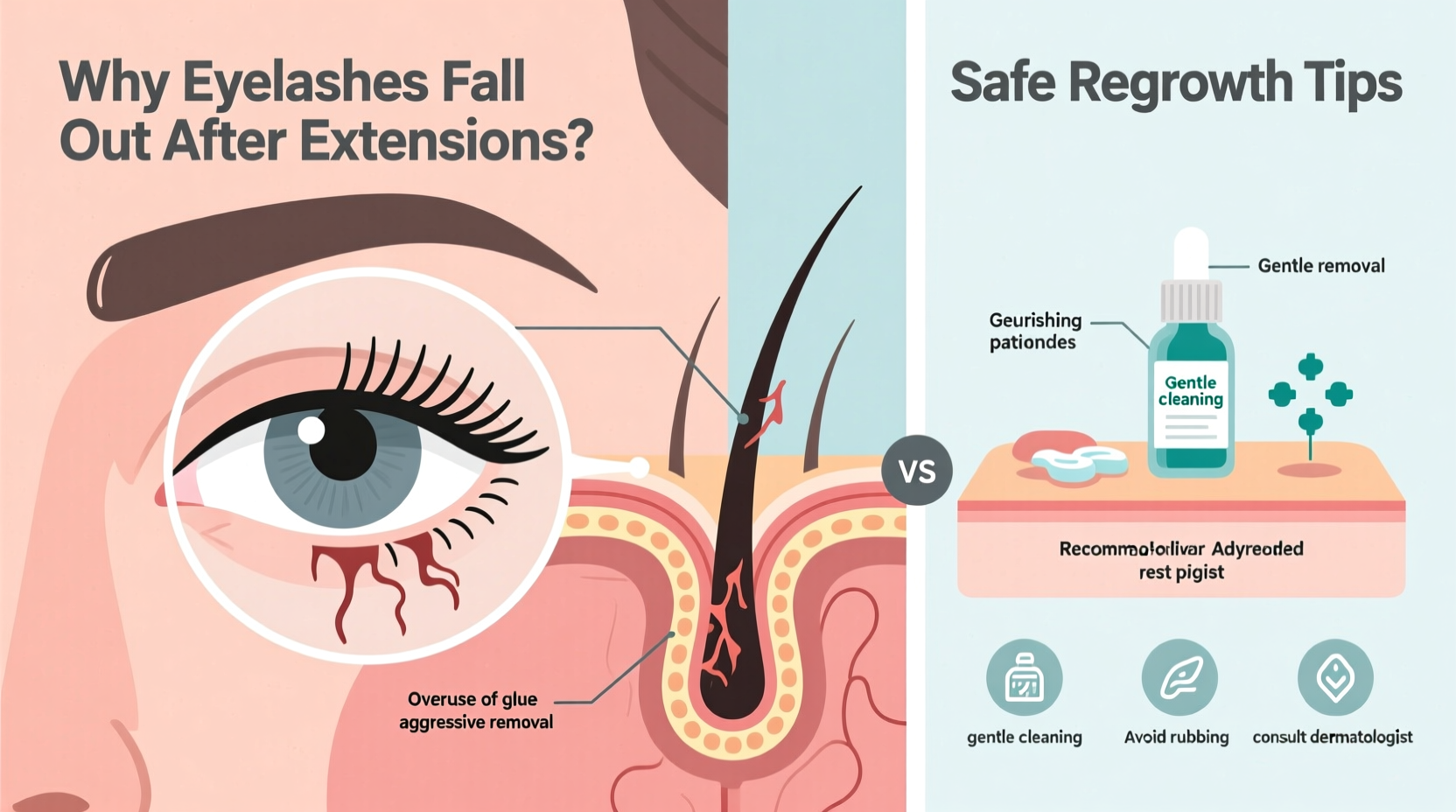
Lash extensions involve attaching synthetic fibers to individual natural lashes using semi-permanent adhesives. While the process seems harmless when done professionally, repeated or improper use can compromise the integrity of your natural lashes. The most common reason for lash fallout after extensions is a phenomenon known as traction alopecia—a form of hair loss caused by persistent pulling or stress on the follicle.
When extensions are too heavy, improperly applied, or left on beyond their recommended lifespan (typically 3–4 weeks), they place mechanical strain on the hair shaft. This tension can prematurely pull out the natural lash during its growth cycle, sometimes even damaging the follicle over time. Additionally, poor removal techniques—like tugging or picking—can lead to breakage and incomplete shedding cycles.
The eyelash growth cycle consists of three phases: anagen (growth), catagen (transition), and telogen (resting/shedding). A healthy lash stays in the anagen phase for about 30–45 days. Extensions disrupt this rhythm by increasing the weight load on each lash, accelerating entry into the shedding phase. When multiple lashes enter telogen simultaneously due to trauma, noticeable thinning occurs.
Common Mistakes That Worsen Lash Damage
Even with professional application, certain habits can amplify the risk of lash loss. These include:
- Overuse of extensions: Wearing them continuously without breaks doesn’t allow follicles to recover.
- Poor hygiene: Accumulated bacteria from unclean lashes can cause infections like blepharitis, leading to inflammation and shedding.
- Using oil-based products: Many makeup removers contain oils that break down adhesive—but they also weaken the keratin structure of natural lashes.
- Sleeping on your face: Friction from pillows pulls at extensions, increasing the chance of ripping out natural hairs.
- Skipping infills properly: Waiting too long between touch-ups leads to uneven weight distribution, stressing remaining anchored lashes.
“Repeated micro-trauma from heavy or poorly maintained extensions can result in permanent lash reduction. The eyelid has limited regenerative capacity, so prevention is key.” — Dr. Lena Torres, Oculofacial Specialist
How to Safely Regrow Eyelashes After Extension Damage
Regrowth is possible if the hair follicles remain intact. The recovery timeline varies from person to person but typically takes 6 to 16 weeks. Here’s a step-by-step guide to support healthy regrowth:
Step 1: Stop Using Extensions Temporarily
Give your lashes a complete break—ideally for 8 to 12 weeks. This allows the follicles to reset and enter a normal growth cycle without added stress.
Step 2: Cleanse Gently Every Night
Use a fragrance-free, hypoallergenic facial cleanser or specialized lash foam. Avoid rubbing; instead, use a soft brush or cotton bud to lightly sweep along the lash line. This removes debris and prevents follicular blockage.
Step 3: Apply a Clinically Proven Growth Serum
Look for serums containing peptides, biotin, or prostaglandin analogs (like isopropyl cloprostenate). These ingredients have been shown to prolong the anagen phase and improve lash density. One study published in *Clinical Ophthalmology* found that peptide-based serums increased lash count by up to 27% after 12 weeks of daily use.
Step 4: Nourish from Within
Nutrition plays a major role in hair health. Include foods rich in:
- Biotin (Vitamin B7): Eggs, almonds, sweet potatoes
- Omega-3 fatty acids: Salmon, chia seeds, flaxseed
- Vitamin E: Spinach, avocados, sunflower seeds
- Protein: Lean meats, legumes, Greek yogurt
Consider a supplement only after consulting a healthcare provider, especially if you're pregnant or have underlying conditions.
Step 5: Minimize Physical Stress
Avoid rubbing your eyes, wearing tight goggles, or using magnetic lashes during recovery. Sleep on a silk pillowcase to reduce friction.
Do’s and Don’ts During Lash Recovery
| Do | Don’t |
|---|---|
| Use a gentle, sulfate-free cleanser | Rub or tug at your lashes |
| Apply lash serum consistently | Wear extensions or falsies |
| Eat a balanced diet rich in protein and vitamins | Use oil-based makeup removers |
| Wash hands before touching eyes | Sleep with eye makeup on |
| Be patient—regrowth takes time | Expect immediate results |
Real Example: Sarah’s Lash Recovery Journey
Sarah, a 32-year-old marketing executive, wore lash extensions every 3 weeks for two years. She began noticing patchiness around her outer corners and increased shedding after makeup removal. Concerned, she visited a dermatologist who diagnosed early-stage traction alopecia.
She stopped extensions immediately and started using a peptide-rich lash serum nightly. She switched to a non-comedogenic cleanser and added a biotin supplement under medical guidance. For six months, she avoided all eye-area stressors—including waterproof mascara.
By week 10, Sarah noticed finer, shorter lashes emerging along her lid line. By week 16, her lash line had visibly thickened. Today, she wears extensions only occasionally and always ensures a 6-week recovery period between uses. “I didn’t realize how much I was sacrificing long-term health for short-term glamour,” she says. “Now I prioritize strength over length.”
When to Seek Medical Help
Not all lash loss is reversible through lifestyle changes. If you experience any of the following, consult a dermatologist or ophthalmologist:
- No new growth after 4 months of proper care
- Redness, swelling, or crusting along the lash line
- Symmetrical thinning suggesting hormonal imbalance (e.g., thyroid issues)
- Sudden loss in patches, which could indicate alopecia areata
A doctor may perform blood tests to check hormone levels or prescribe treatments such as topical bimatoprost (Latisse®), which is FDA-approved for hypotrichosis (inadequate lash growth).
“Bimatoprost can double lash length and thickness in some patients, but it must be used under supervision due to potential side effects like iris pigmentation.” — Dr. Alan Zhou, Dermatology Researcher, Stanford Health
Frequently Asked Questions
Can eyelashes grow back after falling out from extensions?
Yes, in most cases. As long as the hair follicle hasn’t been permanently scarred, lashes will regrow within 6 to 16 weeks with proper care. Avoid further trauma and support regrowth with nourishing serums and clean habits.
Is it safe to use castor oil on my lashes?
While popular in DIY circles, pure castor oil lacks clinical evidence for lash growth and may clog follicles or irritate sensitive eyes. If used, dilute with a carrier oil and patch-test first. Dermatologists generally recommend clinically tested serums over home remedies.
How often should I get lash extensions to avoid damage?
If you choose to continue with extensions, limit use to special occasions. Allow at least 6–8 weeks of rest between series. Opt for lightweight, silk or mink-style fibers and ensure your technician uses proper isolation and bonding techniques.
Checklist: Safe Lash Regrowth Action Plan
- ✅ Discontinue lash extensions for 8–12 weeks
- ✅ Switch to a gentle, oil-free eye makeup remover
- ✅ Begin nightly application of a peptide-based lash serum
- ✅ Improve diet with biotin, protein, and omega-3s
- ✅ Cleanse lash line daily with a mild foaming cleanser
- ✅ Use a silk pillowcase to reduce friction
- ✅ Avoid waterproof mascara and eye rubbing
- ✅ Schedule a dermatology consult if no improvement in 4 months
Conclusion: Rebuild Stronger, Healthier Lashes
Lash extensions don’t have to spell disaster for your natural lashes—but misuse can lead to avoidable consequences. The key lies in balance: enjoying cosmetic enhancements while respecting the biology of your hair follicles. With informed choices, consistent care, and patience, you can restore your lashes to fullness and even improve their resilience over time.
Your eyes are more than a canvas—they’re delicate structures that deserve thoughtful treatment. Whether you're recovering from damage or aiming to prevent it, start today by giving your lashes the break and nourishment they need. True beauty isn’t just about appearance; it’s about health, sustainability, and self-awareness.




 浙公网安备
33010002000092号
浙公网安备
33010002000092号 浙B2-20120091-4
Comments
No comments yet. Why don't you start the discussion?