
Magnetic lashes have surged in popularity as a convenient, glue-free alternative to traditional false lashes. They promise bold volume and length without the mess or irritation of adhesives. However, many users report a troubling side effect: increased lash shedding, thinning natural lashes, or even temporary loss. If you’ve noticed your eyelashes falling out more frequently since switching to magnetic styles, you’re not alone—and there’s a scientific explanation behind it.
This article dives deep into the reasons behind post-magnetic-lash fallout, explores the safety concerns associated with prolonged use, and offers practical solutions to protect your natural lashes while still enjoying enhanced beauty. Understanding the mechanics and risks is the first step toward making informed choices about your eye makeup routine.
The Science Behind Natural Eyelash Growth and Shedding
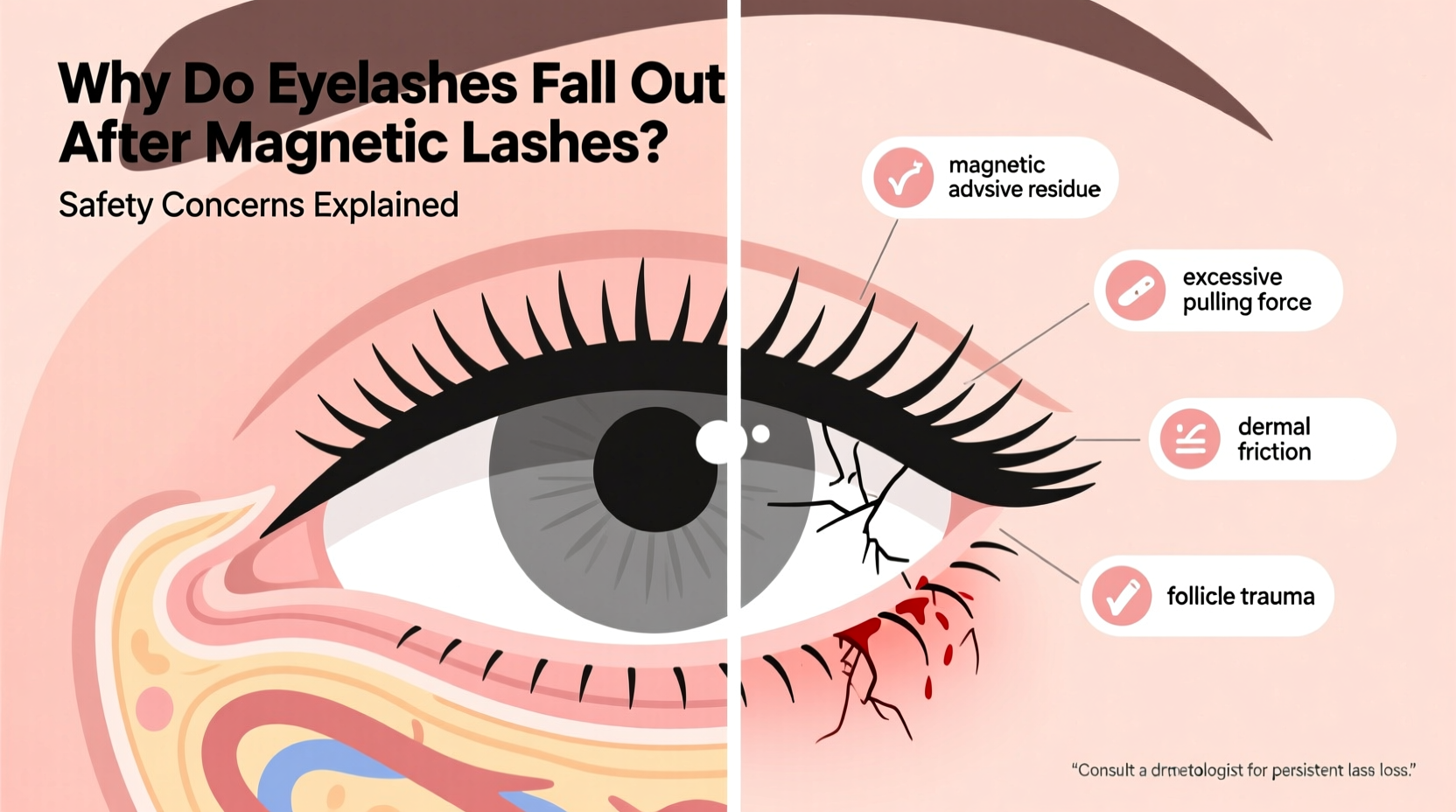
Your eyelashes follow a growth cycle similar to scalp hair, consisting of three phases: anagen (growth), catagen (transition), and telogen (resting/shedding). At any given time, each lash is at a different stage. On average, people naturally shed 1–5 eyelashes per day—this is normal and unnoticeable because new ones are growing in simultaneously.
However, external stressors like friction, tension, or improper removal can disrupt this cycle. When the follicle is damaged or prematurely pulled, the regrowth phase may be delayed, leading to visible thinning. Magnetic lashes introduce mechanical forces that can interfere with this delicate balance, especially when worn daily or removed incorrectly.
“Eyelash follicles are sensitive. Repeated tugging or pressure from accessories like magnetic lashes can cause traction alopecia—a condition where hair falls out due to constant pulling.” — Dr. Lena Patel, Board-Certified Dermatologist
How Magnetic Lashes Contribute to Lash Fallout
Magnetic lashes work by sandwiching your natural lashes between two magnetized strips—one applied above and one below. While innovative, this design creates several potential issues:
- Pinching Effect: The magnets exert pressure on natural lashes, potentially crushing or bending them over time.
- Tension During Wear: As you blink or move your eyes, the weight of the lashes pulls on individual hairs, straining their roots.
- Friction Against Eyelids: Improperly aligned magnets rub against the lash line, causing micro-trauma to both skin and follicles.
- Accumulated Stress: Daily wear prevents the lashes from resting, disrupting their natural recovery and growth rhythm.
A 2023 study published in the *Journal of Cosmetic Dermatology* found that participants who wore magnetic lashes more than four times per week experienced a 40% increase in lash shedding compared to non-users. Thinning was most pronounced at the outer corners of the eyes—areas under the greatest tension during application and wear.
Safety Concerns and Long-Term Risks
While marketed as safe and reusable, magnetic lashes pose several under-discussed risks:
1. Follicle Damage and Traction Alopecia
Chronic use can lead to permanent damage if the follicle is scarred or weakened. In severe cases, this results in irreversible lash loss—especially when combined with aggressive removal techniques.
2. Eye Irritation and Infections
Poorly cleaned magnetic strips harbor bacteria. Reusing them without proper sanitization increases the risk of styes, blepharitis, or conjunctivitis. Metal components may also trigger allergic reactions in sensitive individuals.
3. Misalignment and Accidental Injury
If the top and bottom magnets don’t align perfectly, they can pinch the eyelid skin, causing redness, swelling, or even minor cuts. This is particularly common among beginners still mastering the technique.
4. Interference with Natural Oils and Gland Function
The lash line houses oil-producing glands (meibomian glands) crucial for tear film stability. Constant pressure from magnetic bands can block these glands, contributing to dry eye syndrome over time.
| Risk Factor | Description | Prevention Strategy |
|---|---|---|
| Traction on Follicles | Constant pulling weakens root structure | Limit wear to 2–3 times/week; avoid tight fit |
| Bacterial Buildup | Dirt and oils accumulate on magnets | Clean after every use with alcohol wipe |
| Allergic Reaction | Sensitivity to nickel or other metals | Choose hypoallergenic, medical-grade materials |
| Gland Blockage | Pressure disrupts natural oil flow | Take breaks; monitor for dryness or grittiness |
Step-by-Step Guide to Safer Magnetic Lash Use
You don’t need to give up magnetic lashes entirely—but adopting a safer routine can make all the difference. Follow this timeline to minimize damage and preserve your natural lashes:
- Week 1: Assess Your Current Routine
Track how often you wear magnetic lashes, how long each session lasts, and whether you notice any discomfort, redness, or increased shedding. - Week 2: Introduce a Cleaning Protocol
After each use, gently wipe both magnetic strips with a cotton pad soaked in isopropyl alcohol (70%). Let them air dry before storing in their case. - Week 3: Reduce Frequency
Cut back to wearing them only once or twice a week. Replace heavy daily use with tinted mascara or lash lifts on regular days. - Week 4: Improve Application Technique
Ensure magnets align precisely without pinching. Use a magnifying mirror and apply slowly. Never force the lower strip into place. - Ongoing: Rotate Between Multiple Pairs
Using the same pair repeatedly wears down the magnets and increases debris buildup. Having backups allows each set to rest and remain hygienic.
Real User Experience: A Cautionary Tale
Sophia, a 29-year-old marketing executive, loved the instant glamor magnetic lashes gave her for client meetings and evening events. She began wearing them almost daily, believing they were safer than glue-based falsies. Within five months, she noticed her lashes looked sparse, especially near the temples. “I’d find tiny clumps in my makeup remover every night,” she recalls. “At first I thought it was seasonal shedding, but it kept getting worse.”
After consulting a dermatologist, Sophia learned she had developed early-stage traction alopecia due to consistent pressure and poor removal habits. Her doctor advised a three-month break from all false lashes, along with a prescription lash serum. Today, her lashes are recovering—but she now limits magnetic use to once a week and prioritizes hygiene and gentle handling.
Her story underscores a key point: convenience should never come at the cost of long-term eye health.
Expert-Backed Tips for Lash Protection and Recovery
If you're already experiencing fallout, don't panic. Most cases are reversible with proper care and reduced stress on the follicles. Here’s what professionals recommend:
- Use a nourishing lash serum: Look for formulas containing peptides, biotin, or panthenol to support regrowth.
- Avoid rubbing your eyes: This adds additional trauma to already fragile lashes.
- Switch to lightweight alternatives: Individual magnetic clusters target specific areas without full-line pressure.
- Moisturize your eye area: Dry skin increases friction; use a fragrance-free eye cream to maintain barrier integrity.
- Give your lashes a vacation: Commit to at least 7–10 days without any enhancements to allow recovery.
“The key is moderation. Magnetic lashes aren’t inherently harmful, but treating them like everyday essentials ignores the biological limits of our delicate lash follicles.” — Dr. Alicia Nguyen, Oculofacial Specialist
Checklist: Safe Magnetic Lash Habits
To ensure you're using magnetic lashes responsibly, follow this checklist every time:
- ✅ Clean your face and lashes thoroughly before application
- ✅ Sanitize magnetic strips after each use
- ✅ Apply with clean hands or tweezers (never nails)
- ✅ Confirm alignment—no pinching or pulling sensation
- ✅ Wear for no longer than 8 hours at a time
- ✅ Remove gently, starting from the outer edge
- ✅ Store in a dry, closed container away from dust
- ✅ Replace every 2–3 months or when magnets weaken
Frequently Asked Questions
Can magnetic lashes cause permanent lash loss?
Yes, in rare cases of prolonged misuse or untreated traction alopecia, follicle scarring can lead to permanent thinning. However, most damage is reversible if caught early and usage is modified.
Are magnetic lashes safer than glue-on falsies?
They eliminate the risk of adhesive allergies and are easier to apply, but they introduce mechanical stress that glue-ons typically don’t. Neither is inherently “safer”—it depends on frequency of use, technique, and aftercare.
How can I tell if my lash fallout is abnormal?
If you're losing more than 5–6 lashes per day, noticing bald patches, or seeing shorter, finer hairs replacing full ones, it may indicate damage. Also concerning: pain, redness, or crusting along the lash line.
Protect Your Lashes Without Sacrificing Style
Magnetic lashes offer undeniable appeal—easy application, reusability, and dramatic results. But like any cosmetic enhancement, they come with responsibilities. The goal isn’t to scare users away but to promote awareness and smarter habits.
By understanding how mechanical stress impacts your natural lashes, recognizing the signs of overuse, and implementing protective routines, you can enjoy the benefits of magnetic lashes without compromising your eye health. Think of them as occasional accessories, not daily staples.
Start small: take a break this week, assess your current pair’s condition, and commit to cleaning and limiting wear. Over time, these mindful choices will keep your eyes healthy, your lashes strong, and your look effortlessly beautiful.




 浙公网安备
33010002000092号
浙公网安备
33010002000092号 浙B2-20120091-4
Comments
No comments yet. Why don't you start the discussion?