
It’s a common yet frustrating experience: you apply waterproof mascara for long-lasting wear, only to notice clumps of eyelashes falling out days later. While occasional lash shedding is normal, excessive fallout linked to makeup use signals deeper issues. Waterproof mascara, though effective at resisting sweat and tears, often contains ingredients and requires removal methods that stress delicate lashes. Understanding the root causes—and adopting smarter beauty habits—can help you enjoy bold, defined eyes without sacrificing lash health.
The Science Behind Eyelash Shedding
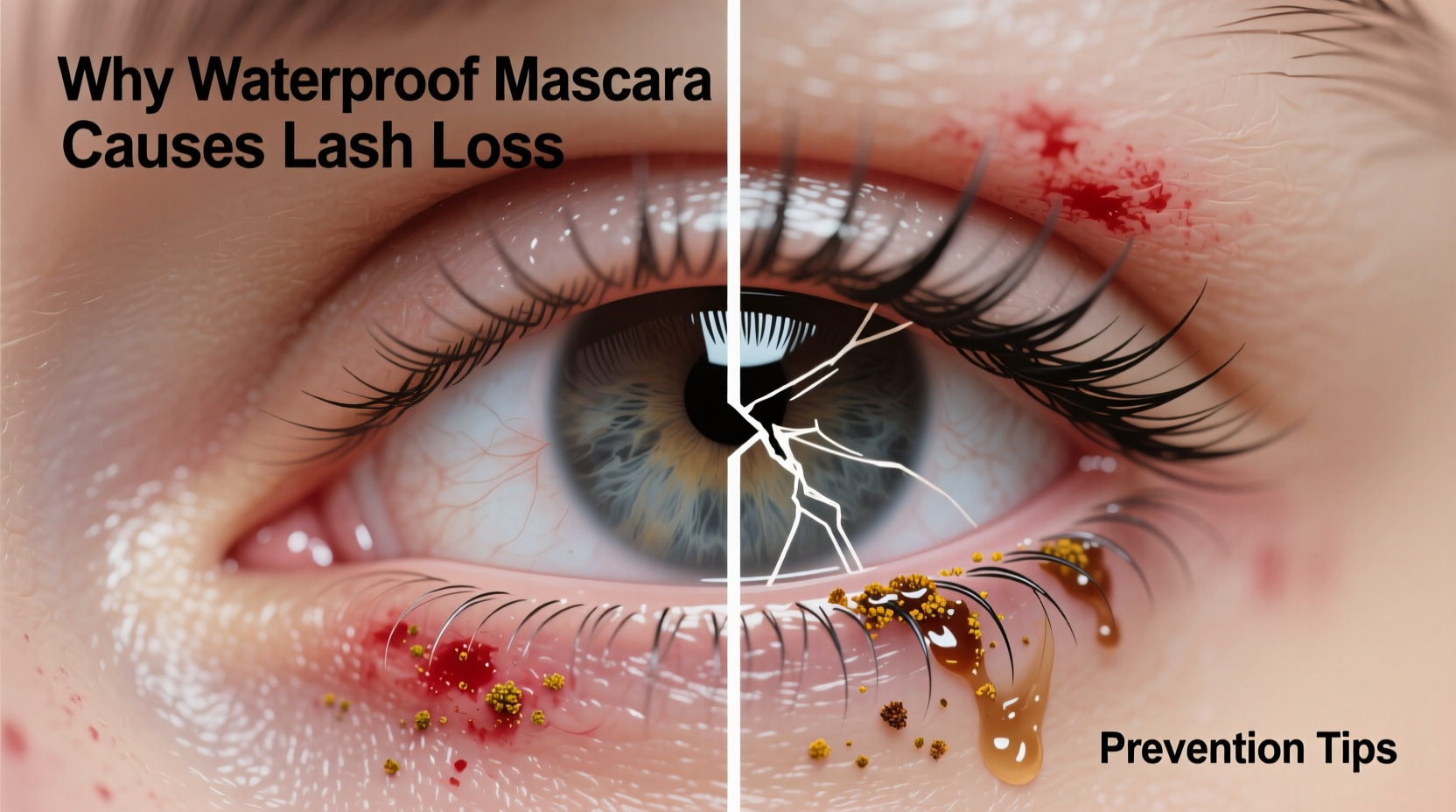
Eyelashes follow a natural growth cycle similar to scalp hair, consisting of three phases: anagen (growth), catagen (transition), and telogen (resting and shedding). On average, a person loses 1–5 lashes per day as part of this cycle. However, when lash loss increases significantly after using waterproof mascara, external factors are likely accelerating the process.
Waterproof mascaras rely on polymers like acrylates and waxes such as paraffin or carnauba to create a water-resistant film around each lash. These formulations bond tightly to keratin, the protein that makes up lashes, making them durable but difficult to remove. The effort required to break this bond often leads to mechanical stress during cleansing. Pulling, tugging, or aggressive rubbing can prematurely dislodge lashes still in their growth phase, disrupting the natural cycle and weakening follicles over time.
“Repeated trauma from harsh makeup removal is one of the leading causes of traction alopecia in the eyelash line.” — Dr. Lena Patel, Board-Certified Dermatologist
How Waterproof Mascara Damages Lashes
The problem isn’t just the mascara itself—it’s the combination of formula composition and removal technique. Below are the primary mechanisms through which waterproof mascara contributes to lash fallout:
- Strong Adhesion: Waterproof formulas cling aggressively to lashes, requiring more force to remove.
- Drying Ingredients: Many contain alcohol, silicones, or synthetic waxes that strip natural oils, leaving lashes brittle.
- Heavy Buildup: Residue can accumulate at the lash base, clogging follicles and inhibiting regrowth.
- Aggressive Removal: Oil-based removers or excessive scrubbing pull lashes out by the root.
A study published in the *Journal of Cosmetic Dermatology* found that participants who used waterproof mascara daily showed a 30% higher rate of lash thinning compared to those using non-waterproof versions. The difference was most pronounced in individuals who removed makeup with cotton pads and vigorous motion.
Step-by-Step Guide to Safer Makeup Removal
Preserving lash integrity starts with how you take off your makeup. Follow this gentle, five-step routine to minimize damage:
- Choose a Dual-Phase Remover: Use an oil-and-water-based solution designed for sensitive eyes. Shake well before use to activate both layers.
- Saturate a Soft Pad: Soak a round cotton pad thoroughly—dripping wet—to reduce friction.
- Press and Hold: Place the soaked pad over closed eyes for 20–30 seconds. This softens the mascara without pulling.
- Wipe Gently Downward: After soaking, glide the pad downward in one smooth motion. Never rub back and forth.
- Rinse with Lukewarm Water: Wash away any residue to prevent follicle blockage.
This method dissolves the polymer matrix of waterproof mascara without traumatizing the lash shaft or follicle. Consistent use reduces breakage and supports healthier regrowth.
Do’s and Don’ts of Waterproof Mascara Use
| Do’s | Don’ts |
|---|---|
| Use waterproof mascara only when necessary (e.g., swimming, humid conditions) | Wear it every single day without breaks |
| Replace mascara every 3 months to avoid bacterial buildup | Keep using old tubes past expiration |
| Apply lash serum nightly to strengthen roots | Ignore signs of irritation or redness |
| Remove makeup before sleeping—no exceptions | Sleep in mascara, which dries and weakens lashes overnight |
| Use silicone wand applicators for even coating | Use stiff-bristled brushes that tug at lashes |
Real-Life Example: Recovery After Chronic Lash Loss
Samantha, a 29-year-old flight attendant, wore waterproof mascara daily due to long shifts and exposure to dry cabin air. Over two years, she noticed her lashes becoming sparse, especially on the outer corners. After consulting a dermatologist, she was diagnosed with early-stage madarosis—a condition of abnormal lash loss caused by chronic irritation.
Her treatment plan included discontinuing daily waterproof mascara, switching to a hypoallergenic formula, and using a peptide-infused lash serum. She also adopted the press-and-hold removal technique and began taking biotin supplements. Within four months, her lash density improved by nearly 60%, confirmed by clinical photos. Today, she reserves waterproof mascara for special events and prioritizes lash wellness as part of her skincare regimen.
Choosing Lash-Friendly Alternatives
You don’t have to give up long-wearing definition entirely. Several modern mascaras offer water resistance without the damaging trade-offs:
- Tubing Mascaras: Form flexible polymer tubes around each lash. Once dry, they resist water but slide off with warm water and gentle pressure—no harsh removers needed.
- Hypoallergenic Formulas: Free from parabens, fragrances, and drying alcohols, these are gentler on sensitive eyes and lashes.
- Fiber-Infused Lengtheners: Add volume without heavy wax buildup, reducing strain on individual hairs.
Brands like Thrive Causemetics, Almay, and Neutrogena offer high-performance options that balance durability with safety. Look for labels stating “ophthalmologist-tested” or “contact lens-safe” for added assurance.
Lash Strengthening Routine: A 6-Week Plan
Rebuilding lash health takes consistency. Follow this progressive care schedule to restore strength and promote regrowth:
- Week 1–2: Detox Phase
Stop using waterproof mascara. Cleanse eyes nightly with micellar water. Begin applying a lash serum containing peptides or panthenol. - Week 3–4: Nourishment Phase
Introduce a weekly castor oil treatment (apply with clean spoolie before bed). Continue serum use. Avoid eyelash curlers, which add stress. - Week 5–6: Protection Phase
If desired, reintroduce a mild, non-waterproof mascara. Focus on lower lash line to reduce upper lid strain. Maintain nightly cleansing and conditioning.
Track progress by taking close-up photos weekly under consistent lighting. Most users report visible improvement in thickness and retention within six weeks.
FAQ
Can waterproof mascara cause permanent lash loss?
Not typically, if caught early. Chronic misuse can lead to scarring alopecia in rare cases, where follicles are permanently damaged. Most loss is reversible with proper care and cessation of harmful practices.
Is it safe to use coconut oil to remove waterproof mascara?
Yes, but with caution. Coconut oil effectively breaks down waxes but can be comedogenic for some. Use sparingly, avoid getting it into the eye, and rinse thoroughly to prevent milia or styes.
How often should I replace my mascara to protect my lashes?
Every 3 months maximum. Old mascara harbors bacteria that can cause infections like blepharitis, leading to inflammation and increased shedding. Write the opening date on the tube with a marker.
Checklist: Prevent Eyelash Fallout from Waterproof Mascara
- ☐ Switch to tubing or water-resistant (not waterproof) mascara for daily wear
- ☐ Replace mascara every 90 days
- ☐ Use a dual-phase remover with soft cotton pads
- ☐ Practice the 30-second press-and-hold removal method
- ☐ Apply lash serum nightly (look for bimatoprost-free options with peptides)
- ☐ Avoid rubbing eyes throughout the day
- ☐ Give lashes a break—go bare at least 2–3 nights per week
- ☐ Stay hydrated and maintain a balanced diet rich in biotin, vitamin E, and omega-3s
“The key is moderation. You can wear waterproof mascara, but treat it like a special occasion product—not an everyday staple.” — Dr. Rachel Kim, Ocular Health Specialist
Conclusion
Losing eyelashes after using waterproof mascara doesn’t have to be inevitable. With awareness of how these products interact with delicate lash follicles—and a commitment to gentler alternatives and routines—you can maintain both dramatic definition and long-term lash health. The habits you adopt today, from mindful removal techniques to strategic product rotation, lay the foundation for stronger, fuller lashes tomorrow. Beauty shouldn’t come at the cost of damage. Make the switch now, and let your natural lashes thrive.




 浙公网安备
33010002000092号
浙公网安备
33010002000092号 浙B2-20120091-4
Comments
No comments yet. Why don't you start the discussion?