
Waking up to find several eyelashes stuck to your pillow or falling out in noticeable clumps can be alarming. While some shedding is normal—just like hair on your scalp—losing lashes in bunches isn’t typical and often signals an underlying issue. Eyelash loss affects self-confidence and eye comfort, but the good news is that most causes are treatable, especially when addressed early. This guide explores the most common reasons behind clumping lash loss, from medical conditions to lifestyle habits, and offers effective, science-backed natural strategies to help you regrow and strengthen your lashes without harsh chemicals.
Understanding Normal vs. Abnormal Lash Shedding
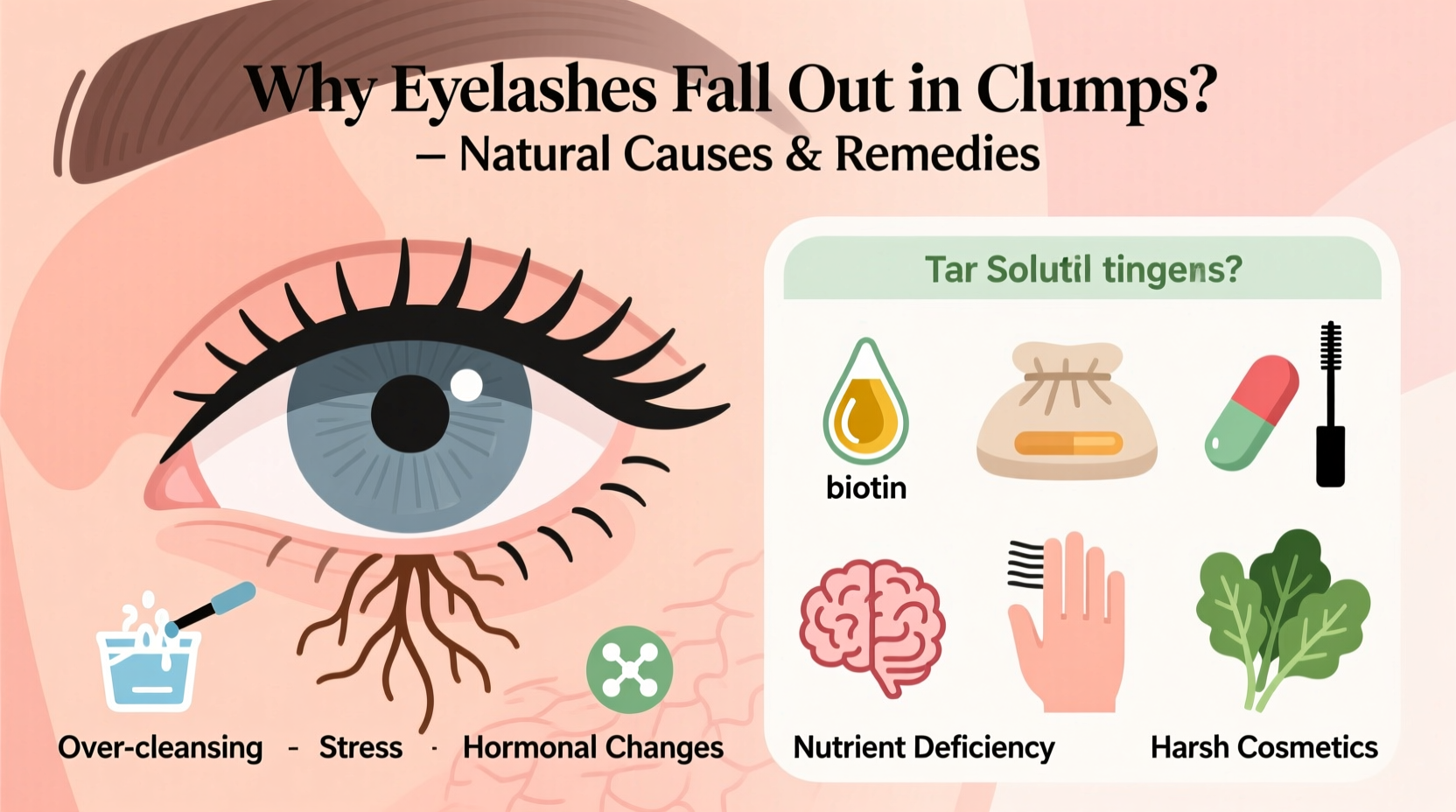
The eyelash growth cycle consists of three phases: anagen (growth), catagen (transition), and telogen (resting and shedding). On average, a person has 150–200 upper lashes and 75–100 lower ones, each with a lifespan of about 3–6 months. It’s normal to lose 1–5 lashes daily as part of this cycle.
However, when you notice multiple lashes coming out at once—especially if they appear to be breaking off at the base or accompanied by redness, itching, or swelling—it’s time to investigate further. Clumping loss suggests disruption in the follicle environment, often due to inflammation, infection, or physical trauma.
“Eyelash loss in clusters is rarely just cosmetic. It’s usually a sign of inflammation, infection, or immune response that needs attention.” — Dr. Lena Torres, Board-Certified Dermatologist
Common Causes of Eyelash Loss in Clumps
1. Blepharitis
Blepharitis is a chronic inflammation of the eyelid margins, often caused by bacterial overgrowth or skin conditions like seborrheic dermatitis. It leads to crusting, redness, and irritation, which can damage hair follicles and cause lashes to fall out in patches.
2. Demodex Mite Infestation
Tiny mites called *Demodex folliculorum* live in hair follicles, including eyelash roots. In high numbers, they cause inflammation, itching, and lash loss. Symptoms include gritty eyes, morning crustiness, and visible lash debris resembling tiny sleeves around the base.
3. Trichotillomania
This psychological condition involves compulsive hair pulling. Some people unconsciously tug at their lashes while reading, watching TV, or stressed. Over time, repeated trauma destroys follicles, leading to permanent thinning if not addressed.
4. Allergic Reactions & Contact Dermatitis
Allergies to mascara, eyeliner, false lashes, or even facial cleansers can trigger localized immune responses. Swelling and itching prompt scratching, weakening follicles and increasing shedding. Common allergens include formaldehyde, parabens, and fragrance compounds.
5. Hormonal Imbalances & Thyroid Disorders
Hypothyroidism and hyperthyroidism both affect hair cycles. Low thyroid hormone levels slow metabolism, reducing nutrient delivery to follicles. This can lead to brittle lashes that break easily and fall out in groups.
6. Nutritional Deficiencies
Lack of key nutrients—especially biotin, iron, zinc, vitamin E, and essential fatty acids—impairs keratin production. Without proper nourishment, lashes become weak, thin, and prone to premature shedding.
7. Poor Skincare & Makeup Habits
Leaving makeup on overnight, using expired products, or aggressively rubbing off eye makeup damages delicate lash fibers. Waterproof mascaras, while long-lasting, require more force to remove, increasing breakage risk.
Natural Remedies to Stop Lash Loss and Promote Regrowth
Before turning to synthetic serums filled with prostaglandins (which may cause side effects like iris darkening), consider these gentle, natural approaches supported by dermatological insight and patient success.
1. Warm Compresses and Lid Hygiene
For blepharitis or Demodex, daily lid hygiene is crucial. Apply a warm compress for 5–10 minutes to loosen crusts and open oil glands. Then, gently clean the lash line with a diluted solution of baby shampoo (one part shampoo to ten parts water) using a cotton swab.
2. Castor Oil Application
Cold-pressed castor oil contains ricinoleic acid, which has anti-inflammatory and antimicrobial properties. Dip a clean spoolie or cotton bud into pure castor oil and apply it to the lash line before bed. Leave it on overnight. Studies suggest consistent use over 4–6 weeks improves lash thickness and retention.
3. Coconut Oil for Moisture and Protection
Coconut oil’s lauric acid fights bacteria and moisturizes dry follicles. Its low molecular weight allows deep penetration without clogging pores. Use sparingly—too much can attract dust and irritate eyes.
4. Green Tea Compresses
Green tea is rich in epigallocatechin gallate (EGCG), a compound shown to prolong the anagen phase of hair growth. Steep a green tea bag in hot water, let it cool, then place it over closed eyes for 10 minutes daily. The antioxidants soothe inflammation and support follicle health.
5. Aloe Vera Gel (Filtered)
Pure aloe vera gel hydrates and reduces inflammation. Choose filtered, preservative-free versions to avoid eye irritation. Apply a small amount along the lash line with a clean fingertip. Avoid getting gel into the eye.
| Natural Remedy | How It Helps | Frequency |
|---|---|---|
| Castor Oil | Strengthens follicles, reduces inflammation | Nightly |
| Warm Compress | Loosens debris, improves circulation | Daily |
| Green Tea Compress | Antioxidant-rich, supports growth phase | 1–2 times/day |
| Coconut Oil | Moisturizes, antibacterial | Every other night |
| Aloe Vera | Sothes irritation, promotes healing | As needed |
Step-by-Step Natural Lash Recovery Plan
Reversing clumping lash loss requires consistency and a multi-pronged approach. Follow this 6-week protocol to address root causes and stimulate regrowth:
- Week 1–2: Cleanse and Assess
Stop using all eye makeup. Begin daily warm compresses and lid scrubbing. Document any symptoms (itching, redness, crusting). Take photos weekly to track changes. - Week 3–4: Introduce Natural Oils
Add castor oil application every night. Use a dedicated spoolie to avoid contamination. Continue lid hygiene. Eliminate potential allergens from skincare. - Week 5–6: Boost Nutrition and Circulation
Incorporate green tea compresses 5 days a week. Massage the lash line gently with fingertips for 30 seconds nightly to increase blood flow. Evaluate diet for nutrient gaps.
Diet and Lifestyle Changes That Support Lash Health
Your lashes reflect your internal health. Supporting them from within is just as important as topical care.
- Biotin (Vitamin B7): Found in eggs, nuts, and sweet potatoes, biotin strengthens keratin infrastructure.
- Iron: Iron deficiency, especially in women, is linked to diffuse hair loss. Leafy greens, lentils, and lean meats are excellent sources.
- Omega-3 Fatty Acids: Flaxseeds, chia seeds, and fatty fish reduce inflammation and nourish follicles.
- Vitamin E: An antioxidant that protects hair cells from oxidative stress. Sunflower seeds and almonds are rich in it.
- Hydration: Dry, brittle lashes often result from dehydration. Aim for 2–3 liters of water daily.
“A healthy diet doesn’t just improve your energy—it shows in your skin, nails, and lashes. You can’t out-treat poor nutrition with serums alone.” — Dr. Miriam Chen, Integrative Nutrition Specialist
Mini Case Study: Recovering From Chronic Blepharitis
Sarah, a 34-year-old graphic designer, noticed her lashes thinning rapidly over two months. She was using waterproof mascara daily and often slept with makeup on due to late work hours. After visiting an ophthalmologist, she was diagnosed with anterior blepharitis and mild Demodex infestation.
She stopped all eye makeup, began warm compresses twice daily, and applied diluted baby shampoo scrubs. At night, she used cold-pressed castor oil on a clean spoolie. Within four weeks, crusting decreased and new, shorter lashes began appearing at the lash line. By week eight, her lashes were visibly fuller, and irritation had resolved.
Her key takeaway? “I didn’t realize how much my lazy habits were harming my eyes. Simple hygiene made all the difference.”
Do’s and Don’ts of Eyelash Care
| Do’s | Don’ts |
|---|---|
| Remove eye makeup gently with oil-based cleanser | Use waterproof mascara daily |
| Replace eye makeup every 3–6 months | Share mascara or eyeliner with others |
| Apply natural oils at night | Rub or pull lashes when irritated |
| Stay hydrated and eat nutrient-dense foods | Ignore persistent redness or swelling |
| Visit an eye specialist if loss continues | Use unverified DIY lash serums |
When to See a Doctor
Natural remedies work well for mild to moderate cases, but certain symptoms require professional evaluation:
- Lash loss spreading to eyebrows or scalp
- Pain, swelling, or vision changes
- Signs of infection (pus, fever, swollen lymph nodes)
- No improvement after 6–8 weeks of consistent care
A dermatologist or ophthalmologist may perform a lash biopsy, check for autoimmune conditions like alopecia areata, or prescribe medicated ointments for infections.
Frequently Asked Questions
Can stress really make my eyelashes fall out?
Yes. Chronic stress elevates cortisol, which disrupts the hair growth cycle and can push follicles into premature shedding. Stress also worsens inflammatory conditions like blepharitis and may trigger trichotillomania.
Is it safe to use essential oils on my eyelashes?
Most essential oils are too potent for the eye area and can cause severe irritation or corneal damage. Stick to carrier oils like castor or coconut oil. If you must use essential oils, consult a doctor and dilute properly (0.5% concentration or less).
How long does it take for eyelashes to grow back?
If the follicle is undamaged, lashes typically regrow within 6–8 weeks. Full restoration may take 3–4 months. Consistent care and avoiding further trauma speed up recovery.
Final Thoughts: Taking Control of Your Lash Health
Losing eyelashes in clumps is more than a cosmetic concern—it’s a signal from your body that something needs attention. Whether it’s a bacterial imbalance, nutritional gap, or habitual irritation, the solution lies in identifying the root cause and responding with informed, gentle care.
Natural methods offer a safe, sustainable path to healthier lashes without the risks of synthetic ingredients. But patience and consistency are non-negotiable. Healing takes time, and results build gradually.




 浙公网安备
33010002000092号
浙公网安备
33010002000092号 浙B2-20120091-4
Comments
No comments yet. Why don't you start the discussion?