
It’s a familiar ritual: you finish your day, reach for your makeup remover, and begin gently wiping off your mascara—only to find several eyelashes clinging to the cotton pad. If this happens frequently, especially in noticeable clumps, it can be alarming. While some lash shedding is normal, losing them in groups during removal suggests an underlying issue worth investigating. The causes range from product choices and application habits to medical conditions and environmental stressors. Understanding why this occurs—and how to address it—is essential for maintaining healthy, full lashes.
The Natural Eyelash Growth Cycle
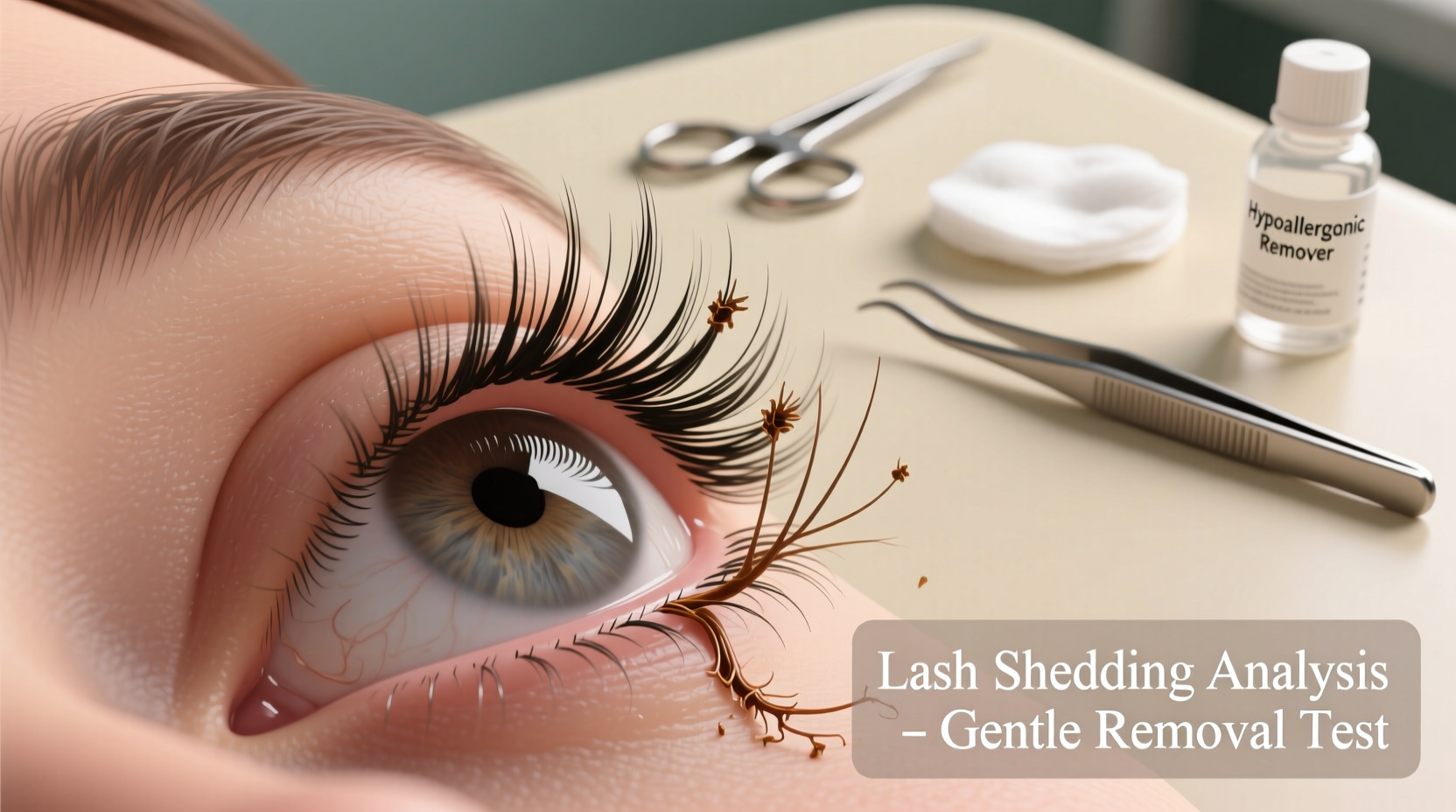
Eyelashes, like scalp hair, follow a growth cycle consisting of three phases: anagen (growth), catagen (transition), and telogen (resting). At any given time, most lashes are in the resting phase and will naturally shed within 4–11 weeks. On average, a person loses 1–5 lashes per day without noticing. This shedding is part of a healthy renewal process.
However, when multiple lashes come out together during mascara removal—even with gentle technique—it often indicates that external factors are accelerating or disrupting the natural cycle. These disruptions may stem from mechanical stress, chemical irritation, or systemic health issues.
“Lash loss during makeup removal isn’t always due to tugging. Often, it’s a sign of weakened follicles from buildup, inflammation, or poor product compatibility.” — Dr. Lena Patel, Board-Certified Dermatologist
Common Causes of Clumping Lash Loss
Losing lashes in clumps after removing mascara gently points to more than just friction. Several interrelated factors contribute:
1. Mascara Formula Buildup
Waterproof and long-wear mascaras contain polymers and waxes designed to resist smudging. Over time, these ingredients accumulate along the lash line and at the base of the lashes. This residue creates a glue-like effect, binding lashes together. When removed, entire clusters may lift away from the follicle, especially if the bond is stronger than the natural anchoring strength of the lash root.
2. Harsh or Incompatible Makeup Removers
Using removers with high alcohol content, fragrances, or strong surfactants can strip the delicate skin around the eyes and weaken lash shafts. Even “gentle” wipes may contain preservatives that irritate sensitive follicles, leading to premature shedding.
3. Mechanical Stress Despite Gentle Technique
Even with light pressure, repeated pulling—especially when mascara has hardened overnight—can traumatize the follicle. Using cotton pads with rough textures increases micro-tears on the lash surface, making them more prone to breakage and dislodging.
4. Blepharitis and Follicle Inflammation
Blepharitis, an inflammation of the eyelid margins, often goes undiagnosed. It causes crusting, redness, and flaking at the base of the lashes. This condition weakens the follicle's grip, making lashes easier to pull out—even during careful cleansing. Bacteria such as *Staphylococcus* or mites (*Demodex folliculorum*) can exacerbate this issue.
5. Hormonal or Nutritional Imbalances
Conditions like hypothyroidism, polycystic ovary syndrome (PCOS), or deficiencies in biotin, iron, or vitamin D can disrupt the hair growth cycle. Telogen effluvium—a temporary shift of many hairs into the shedding phase—can affect lashes just as it does scalp hair, especially after illness, stress, or rapid weight loss.
Do’s and Don’ts: A Practical Table
| Do’s | Don’ts |
|---|---|
| Use oil-based or balm removers for waterproof mascara | Rub back and forth aggressively |
| Soak a cotton pad and hold it against lashes for 10–15 seconds | Use expired or drying removers (e.g., alcohol-heavy formulas) |
| Cleanse lashes daily to prevent buildup | Sleep in mascara regularly |
| Support lash health with balanced nutrition | Pull at clumped lashes trying to separate them |
| Consult a dermatologist if shedding persists beyond 6 weeks | Ignore signs of redness, itching, or crustiness on lids |
Step-by-Step Guide to Safer Mascara Removal
Changing your removal routine can significantly reduce lash trauma. Follow this method to minimize fallout while keeping your eyes clean:
- Choose the Right Remover: Select a non-comedogenic, fragrance-free, oil-based solution. Balm cleansers or dual-phase micellar waters work well for stubborn formulas.
- Prep the Eye Area: Soak a soft cotton round with remover and press it gently over closed eyelids for 10–15 seconds. Let the product dissolve the mascara before moving.
- Wipe Downward: After soaking, glide the pad downward in one smooth motion. Never scrub horizontally or tug upward.
- Clean the Base: Use a clean fingertip or Q-tip dipped in remover to gently sweep along the lash line to remove residue near the follicles.
- Rinse and Moisturize: Splash with lukewarm water and pat dry. Apply a thin layer of petroleum jelly or a lash serum to nourish the area overnight.
Real Example: Sarah’s Experience
Sarah, a 32-year-old teacher, noticed her lashes thinning rapidly over two months. She used waterproof mascara daily and removed it with cleansing wipes. Despite being gentle, she’d often see small clumps stuck to the wipe. After visiting a dermatologist, she was diagnosed with mild blepharitis and advised to switch to a daily lid-cleansing routine using diluted baby shampoo on a warm washcloth. She also began using an oil-based remover and stopped wearing mascara for four weeks. Within six weeks, new lashes started growing in, and shedding reduced dramatically. Her case highlights how subtle inflammation combined with product misuse can lead to visible lash loss—even without harsh handling.
When to Seek Medical Advice
Occasional lash loss is normal. However, persistent clumping, visible sparseness, or accompanying symptoms like redness, burning, or swollen lids warrant professional evaluation. Conditions such as:
- Alopecia areata – an autoimmune disorder causing sudden patchy hair loss, including lashes.
- Thyroid disorders – both hyper- and hypothyroidism affect hair cycles.
- Trichotillomania – a psychological condition involving unconscious hair-pulling, sometimes affecting lashes.
- Chronic blepharitis or Demodex infestation – microscopic mites can reside in follicles, leading to inflammation and loss.
A dermatologist or ophthalmologist can perform tests such as a lash pull test, blood work, or microscopic analysis to determine the root cause.
Lash Health Checklist
Follow this checklist weekly to support strong, resilient lashes:
- ✅ Remove all eye makeup every night—no exceptions.
- ✅ Replace mascara every 3 months to prevent bacterial growth.
- ✅ Avoid sharing mascara or using old tubes.
- ✅ Wash pillowcases twice weekly in fragrance-free detergent.
- ✅ Eat a diet rich in protein, omega-3s, and vitamins A, C, E, and biotin.
- ✅ Use a lash serum containing peptides or panthenol if prone to thinning.
- ✅ Skip false lashes and extensions if experiencing active shedding.
Frequently Asked Questions
Is it normal for eyelashes to fall out in clumps?
No, losing lashes in groups is not typical. While daily shedding of 1–5 individual lashes is normal, clumping suggests disruption due to product buildup, inflammation, or health issues. Investigate your routine and consult a specialist if it continues beyond a few weeks.
Can waterproof mascara cause permanent lash loss?
Not directly, but prolonged use without proper removal can lead to traction damage, follicle stress, and secondary infections that may impair regrowth. Chronic irritation can scar follicles in severe cases, potentially causing permanent thinning.
How long does it take for eyelashes to grow back after falling out?
Under healthy conditions, eyelashes regrow within 6–8 weeks. Full length and thickness may take 3–4 months. Regrowth slows with age, nutritional deficiencies, or underlying medical conditions.
Conclusion: Protecting Your Lashes Starts with Awareness
Finding eyelashes in clumps after gentle mascara removal is a signal—not a sentence. It reveals where your current routine may be compromising lash integrity. By switching to gentler products, refining your removal technique, and addressing potential health factors, you can halt excessive shedding and encourage stronger regrowth. Lash health reflects overall wellness, from skincare habits to internal balance. Treat your lashes with the same care you give your skin and hair, and they’ll reward you with resilience and fullness.




 浙公网安备
33010002000092号
浙公网安备
33010002000092号 浙B2-20120091-4
Comments
No comments yet. Why don't you start the discussion?