
As the weather warms and flowers begin to bloom, many people notice an unexpected side effect: their eyelashes seem to be falling out at an alarming rate. While losing a few lashes daily is normal—just like hair on your scalp—many report increased shedding during springtime. This seasonal shift isn’t just a coincidence. A combination of biological rhythms, environmental triggers, and lifestyle changes contributes to heightened lash loss in spring. The good news? With the right understanding and care, you can minimize shedding and support healthier, fuller lashes year-round.
The Science Behind Seasonal Eyelash Shedding
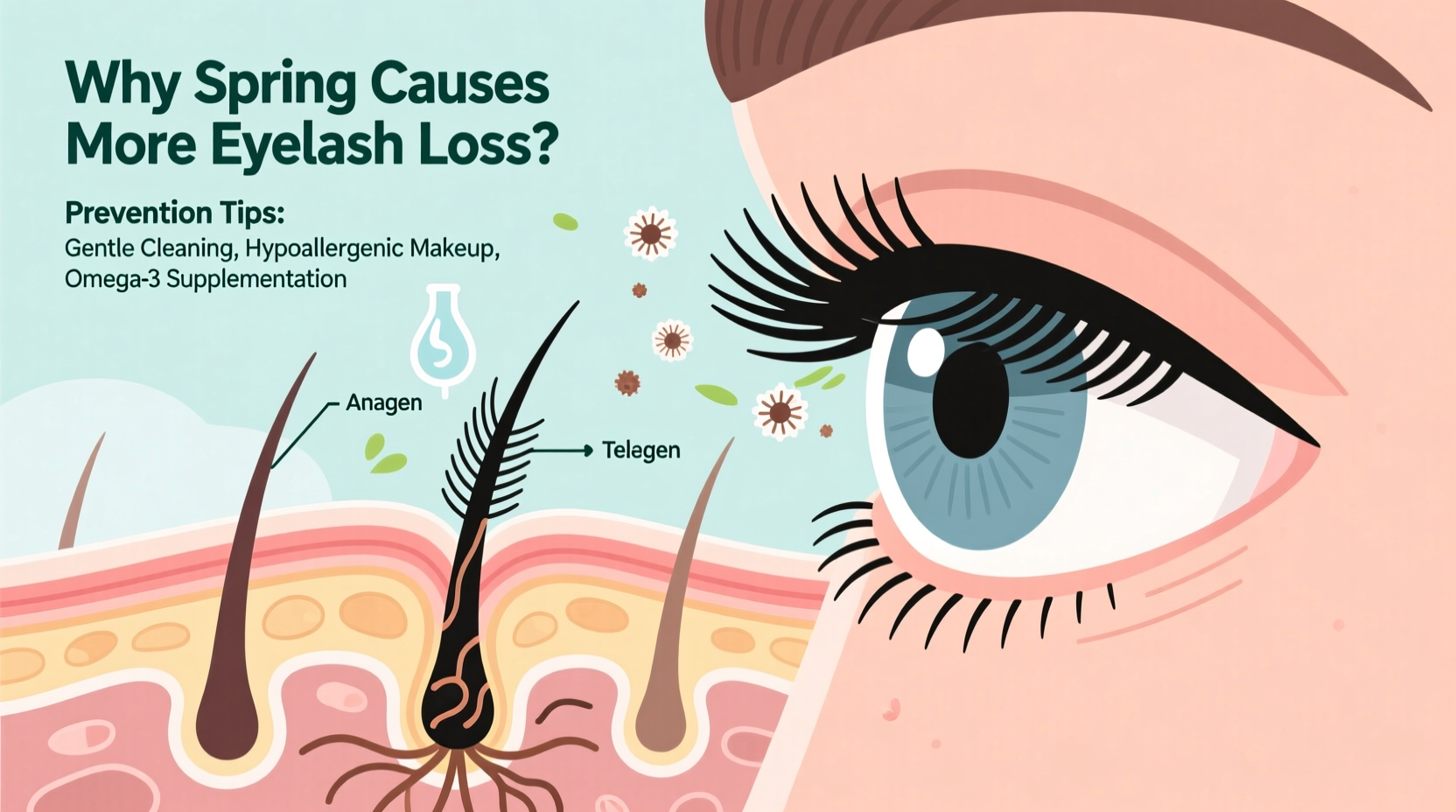
Human hair—including eyelashes—follows a natural growth cycle composed of three phases: anagen (growth), catagen (transition), and telogen (resting/shedding). On average, each eyelash remains in the anagen phase for only 30 to 45 days, significantly shorter than scalp hair, which explains their limited length and faster turnover.
Research has shown that hair shedding often follows a seasonal pattern. A 2017 study published in *Dermatology Practical & Conceptual* found that human hair loss peaks in the summer and fall, but the process begins earlier—during spring. The same cyclical behavior applies to eyelashes. As daylight increases and temperatures rise, hormonal shifts triggered by circadian rhythms may push more follicles into the telogen phase, leading to synchronized shedding weeks later.
“Just like trees shed leaves or animals molt fur, humans experience subtle but measurable seasonal shedding cycles. Eyelashes are no exception.” — Dr. Lena Peterson, Dermatologist & Hair Specialist
This natural renewal process becomes more noticeable in spring because multiple lashes enter the shedding phase simultaneously. However, when combined with external stressors, this normal turnover can escalate into excessive loss.
Why Spring Exacerbates Eyelash Loss
While seasonal shedding is partly biological, several spring-specific factors amplify the issue:
- Allergies and Itchy Eyes: Pollen counts surge in spring, triggering allergic conjunctivitis. Frequent eye rubbing pulls out fragile lashes already in the telogen phase.
- Increased Humidity and Sweat: Warmer weather leads to more sweating around the eyes. Moisture buildup weakens lash bonds and promotes bacterial growth near follicles.
- Wind and UV Exposure: Stronger sunlight and wind carry irritants like dust and pollen, drying out lashes and damaging the follicle environment.
- Changes in Skincare Routines: People switch to lighter products or experiment with new makeup, some of which contain harsh ingredients that degrade lash health over time.
- Hormonal Fluctuations: Rising estrogen and melatonin levels due to longer daylight hours influence hair follicle activity, potentially accelerating the shedding cycle.
How to Stop Excessive Eyelash Loss in Spring
Preventing abnormal lash shedding requires both internal balance and external protection. The goal isn't to stop natural shedding entirely—it's to ensure regrowth keeps pace and to eliminate avoidable damage.
Nourish From Within
Lash strength starts with nutrition. Deficiencies in key nutrients impair keratin production and follicle function. Focus on these essentials:
- Biotin (Vitamin B7): Supports keratin infrastructure. Found in eggs, nuts, and sweet potatoes.
- Vitamin E: An antioxidant that protects follicles from oxidative stress caused by UV exposure and pollution.
- Omega-3 Fatty Acids: Reduce inflammation and improve oil gland function around the eyes, creating a healthier lash base.
- Iron and Zinc: Iron deficiency is linked to diffuse hair loss, including lashes. Zinc aids tissue repair and immune regulation.
Adopt a Gentle Eye Care Routine
Aggressive cleansing and makeup habits are major contributors to preventable lash loss. Follow these practices:
- Use oil-based micellar water or balm cleansers to dissolve mascara without tugging.
- Avoid waterproof formulas unless necessary—they require more force to remove.
- Never rub your eyes, especially when wearing extensions or heavy liner.
- Replace mascara every 3 months to prevent bacterial contamination.
- Wash pillowcases weekly in fragrance-free detergent to reduce allergen buildup.
Shield Against Environmental Stressors
Spring brings beauty, but also airborne threats. Protect your lashes like you would your skin:
- Wear wraparound sunglasses outdoors to block pollen, wind, and UV rays.
- Apply a mineral-based sunscreen carefully around the eye area (avoid direct contact with eyes).
- Use hypoallergenic, fragrance-free skincare products near the eyes to prevent irritation.
Effective Lash Treatments and Growth Serums
Not all lash serums are created equal. Some promote healthier growth; others can cause irritation or even paradoxical hair loss if misused.
The most clinically supported ingredient for enhancing lash growth is bimatoprost, a prostaglandin analog FDA-approved for hypotrichosis (inadequate lashes). Available by prescription (e.g., Latisse), it extends the anagen phase and increases thickness. Over-the-counter alternatives often contain peptides, panthenol, or botanical extracts like castor oil, though evidence for their efficacy is more anecdotal.
| Treatment Type | Effectiveness | Time to See Results | Potential Side Effects |
|---|---|---|---|
| Bimatoprost (Prescription) | High – clinically proven | 8–16 weeks | Darkened iris (rare), eye redness, skin pigmentation |
| Peptide-Based Serums | Moderate – varies by formulation | 6–12 weeks | Minimal; possible mild irritation |
| Castor Oil (Home Remedy) | Low to moderate – limited studies | 12+ weeks | Eye irritation if it enters the eye |
| No Treatment (Natural Cycle) | Baseline shedding continues | N/A | None |
If using any serum, apply it directly to the lash line on clean, dry skin—like liquid eyeliner—once per day. Consistency is critical; skipping applications reduces effectiveness.
Mini Case Study: Sarah’s Spring Lash Recovery
Sarah, a 34-year-old teacher from Portland, noticed her eyelashes thinning dramatically every April for three consecutive years. She didn’t wear extensions, but she suffered from severe seasonal allergies and used antihistamine eye drops regularly. Each spring, she’d catch herself rubbing her eyes constantly, especially after outdoor recess with her students.
After consulting a dermatologist, she learned that chronic eye rubbing was dislodging lashes prematurely. Her doctor recommended switching to non-drowsy oral antihistamines, using preservative-free lubricating eye drops, and applying a peptide-based lash serum nightly. She also started wearing sunglasses at school and changed her mascara every 10 weeks instead of stretching it longer.
Within two months, Sarah reported less shedding and visible improvement in lash density by mid-May. By the following spring, she had implemented all preventive steps early—and experienced minimal loss compared to previous years.
Checklist: Spring Lash Protection Plan
Follow this actionable checklist to safeguard your lashes during high-shedding seasons:
- ✅ Start allergy management before peak pollen season (late winter/early spring)
- ✅ Switch to non-waterproof, ophthalmologist-tested mascara
- ✅ Replace old eye makeup every 3 months
- ✅ Wash face and remove eye makeup gently every night
- ✅ Apply lash serum consistently to clean lash line
- ✅ Wear UV-protective sunglasses outdoors
- ✅ Eat a balanced diet rich in protein, biotin, and omega-3s
- ✅ Avoid rubbing eyes—even when itchy
- ✅ Use a humidifier indoors if heating systems dry the air
- ✅ Schedule a dermatology check-up if shedding persists beyond 8 weeks
Frequently Asked Questions
Is it normal to lose more eyelashes in spring?
Yes, mild increase in shedding is common due to seasonal hair cycles influenced by light exposure and hormones. However, sudden, patchy, or prolonged loss should be evaluated by a professional.
Can allergies really make my eyelashes fall out?
Indirectly, yes. Allergies cause eye itching and inflammation, leading to frequent rubbing. This mechanical trauma pulls out lashes prematurely and can damage follicles over time.
Do eyelash extensions make seasonal shedding worse?
Poorly applied or maintained extensions can contribute to traction alopecia—a condition where constant pulling damages follicles. During high-shedding seasons, consider taking a break or opting for lightweight, silk-based extensions with certified technicians.
Step-by-Step Guide to Minimize Spring Lash Loss
Follow this timeline to stay ahead of seasonal shedding:
- February–March: Begin proactive allergy treatment (nasal sprays, antihistamines) before symptoms start. Cleanse makeup brushes and replace expired eye products.
- Early April: Introduce a lash serum into your nighttime routine. Start wearing sunglasses daily, even on cloudy days.
- Mid-April to May: Monitor lash shedding. Take photos weekly to track changes. Avoid perms, lifts, or extensions during peak shedding.
- June: Reassess results. If shedding has slowed and regrowth is visible, continue current regimen. If not, consult a dermatologist to rule out underlying conditions like blepharitis or thyroid issues.
“Prevention works best when started early. Don’t wait until you’re finding lashes in your tears—build resilience before the season hits.” — Dr. Raj Mehta, Oculofacial Specialist
Conclusion: Protect Your Lashes Like You Protect Your Skin
Seasonal eyelash shedding in spring is a real phenomenon, rooted in biology and amplified by environmental factors. But with informed care, it doesn’t have to mean thinner, weaker lashes every year. By treating your lash line with the same attention you give to your skin and scalp, you can reduce unnecessary loss and support consistent regrowth.
Start now—before allergy season peaks—by cleaning up your eye makeup routine, boosting your nutrition, and shielding your eyes from irritants. Small, consistent actions make a lasting difference. Your lashes aren’t just cosmetic; they’re a frontline defense for your eyes. Treat them with care, and they’ll return the favor.




 浙公网安备
33010002000092号
浙公网安备
33010002000092号 浙B2-20120091-4
Comments
No comments yet. Why don't you start the discussion?