
It’s not your imagination—many people notice their eyelashes thinning or falling out more during the colder months. While some shedding is normal, excessive loss in winter can be alarming. The drop in temperature, indoor heating, and changes in skincare routines all contribute to increased lash fragility. Understanding the biological and environmental factors at play allows you to take proactive steps. More importantly, building a sustainable care routine ensures your lashes stay strong, resilient, and lustrous no matter the season.
The Natural Eyelash Growth Cycle
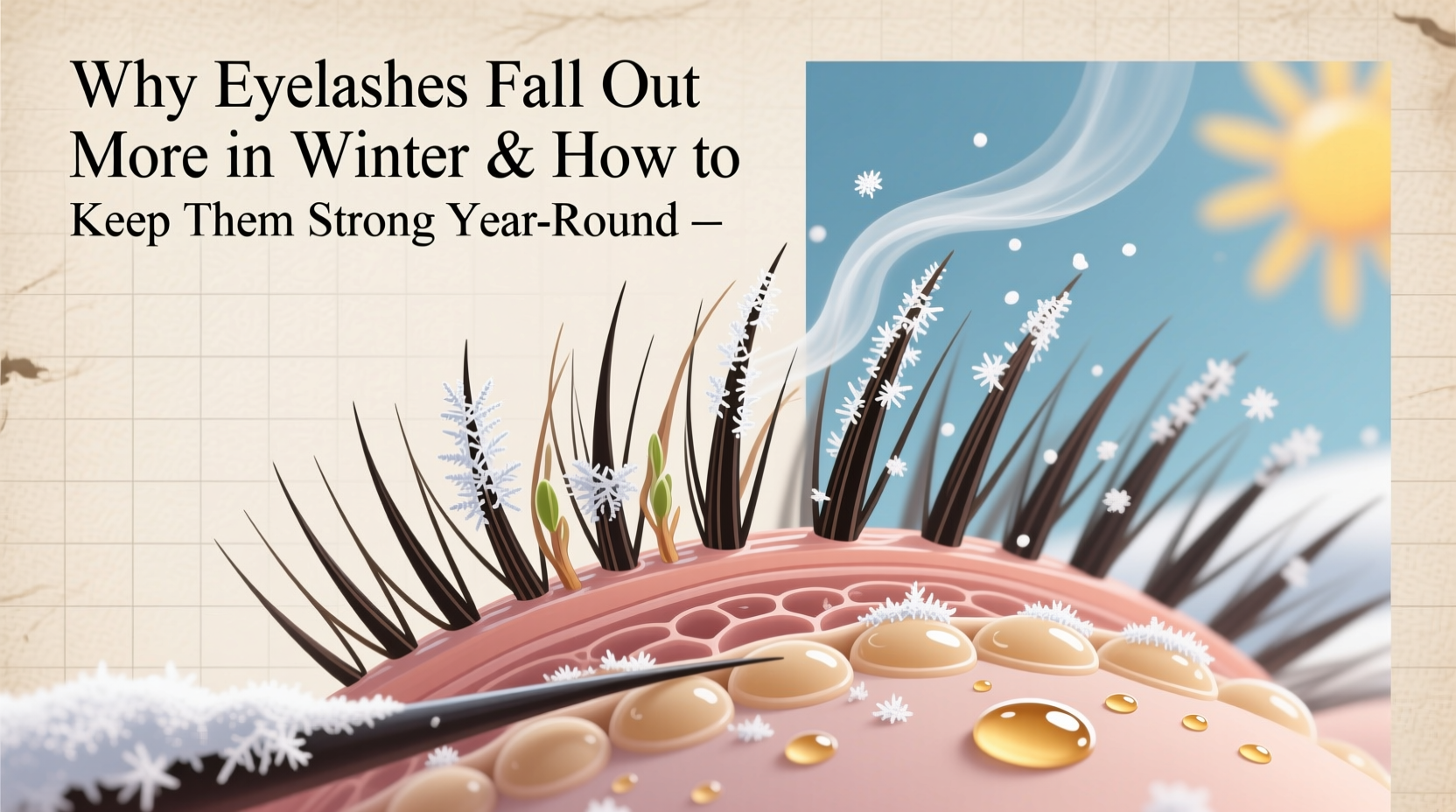
Eyelashes, like scalp hair, follow a growth cycle composed of three phases: anagen (growth), catagen (transition), and telogen (resting/shedding). Each lash stays in the anagen phase for about 30 to 45 days, significantly shorter than scalp hair, which explains why lashes don’t grow very long. After this brief growth period, lashes enter the resting phase before naturally shedding—typically between 1 to 5 lashes per day is considered normal.
However, external stressors can disrupt this cycle. In winter, multiple factors accelerate the transition into the telogen phase, leading to what feels like excessive shedding. Unlike seasonal hair loss on the scalp, which often peaks in autumn, lash loss tends to become more noticeable in late winter when cumulative dryness and irritation reach their peak.
Why Winter Increases Eyelash Shedding
The cold season brings unique challenges that directly impact lash health. These aren’t just anecdotal observations—they’re supported by dermatological research on skin and follicle behavior under low humidity and extreme temperatures.
Dry Air and Indoor Heating
Heated indoor environments drastically reduce relative humidity, sometimes dropping levels below 20%. This arid air dehydrates the delicate skin around the eyes and weakens the keratin structure of lashes, making them brittle and prone to breakage. Without sufficient moisture, the follicles struggle to maintain optimal function, potentially shortening the anagen phase.
Harsh Skincare Products and Makeup Routines
In winter, people often switch to heavier creams and occlusive products. Some of these contain ingredients like alcohol, fragrances, or sulfates that can irritate the lash line when transferred from fingers or makeup tools. Additionally, waterproof mascara—commonly used in colder weather for smudge resistance—requires rigorous removal, increasing mechanical stress on lashes.
Increased Eye Rubbing
Cold-induced dry eye and allergies are more prevalent in winter. When eyes feel itchy or fatigued, people tend to rub them, inadvertently pulling out lashes caught between fingers or bedding. Chronic rubbing can even lead to traction alopecia over time, especially along the outer corners where pressure is greatest.
Nutritional Gaps During Winter Months
Reduced sunlight affects vitamin D synthesis, and seasonal diets may lack fresh produce rich in biotin, omega-3s, and antioxidants—all essential for keratin production and follicle strength. A 2021 study published in the *Journal of Cosmetic Dermatology* found a correlation between low serum biotin levels and increased hair shedding, including lashes.
“Winter doesn’t cause lash loss directly, but the combination of dryness, product buildup, and nutritional shifts creates a perfect storm for weakened follicles.” — Dr. Lena Torres, Board-Certified Dermatologist
How to Keep Eyelashes Strong Year-Round
Prevention starts with understanding that lash health reflects overall wellness. A holistic approach combining gentle hygiene, targeted nutrition, and protective habits yields the best results. Below are key strategies backed by dermatologists and trichologists.
1. Cleanse Gently but Thoroughly
Residue from makeup, sunscreen, and oils clogs follicles and promotes inflammation. Use a micellar water or oil-free cleanser applied with a soft cotton pad. Avoid tugging or scrubbing. Instead, hold the pad against closed eyes for 10–15 seconds to dissolve product before gently wiping downward.
2. Condition with Lash Serums
Peptide-based lash serums have been clinically shown to extend the anagen phase and improve thickness. Look for formulas containing:
- Panthenol (Pro-Vitamin B5): Moisturizes and strengthens keratin fibers.
- Biotinoyl Tripeptide-1: Stimulates follicle activity.
- Hyaluronic Acid: Retains moisture at the base of lashes.
3. Avoid Waterproof Mascara When Possible
Waterproof formulas require harsh removers, often containing acetone or strong surfactants. Opt for tubing mascaras instead—they form flexible polymer coats around lashes and rinse off easily with warm water, minimizing friction.
4. Protect Lashes During Sleep
Sleeping face-down or with rough pillowcases increases lash friction. Switch to a silk or satin pillowcase to reduce pull and retain moisture. If you wear eye masks, ensure they don’t press tightly against lashes.
5. Support from Within: Nutrition Matters
Lash strength begins in the body. Incorporate foods high in:
- Omega-3 Fatty Acids (salmon, chia seeds, walnuts): Reduce inflammation and support sebum production.
- Vitamin E (almonds, spinach): Antioxidant protection for follicles.
- Zinc (pumpkin seeds, lentils): Essential for cell regeneration.
- Biotin (eggs, sweet potatoes): Supports keratin infrastructure.
Lash Care Do’s and Don’ts: Quick Reference Table
| Do’s | Don’ts |
|---|---|
| Use a peptide-rich lash serum nightly | Rub your eyes vigorously when tired or itchy |
| Remove eye makeup before bed with a gentle cleanser | Sleep in waterproof mascara regularly |
| Eat protein-rich meals to support keratin synthesis | Pull out lashes while tweezing brows |
| Replace mascara every 3 months to prevent bacterial buildup | Share eye makeup or applicators |
| Use a humidifier in your bedroom during winter | Use expired or dried-out products near eyes |
A Real-Life Example: Sarah’s Winter Lash Recovery
Sarah, a 34-year-old teacher from Minnesota, noticed her lashes were sparse and breaking easily each January. She attributed it to “just aging,” but after consulting a dermatologist, she learned her routine was the main culprit. She wore waterproof mascara daily, removed it with coconut oil (which clogged her follicles), and slept on a cotton pillowcase. Her home’s humidity level was measured at just 18% during peak winter.
Over eight weeks, Sarah made simple changes: switched to a tubing mascara, started using a peptide serum, introduced a bedside humidifier, and began eating two servings of fatty fish weekly. By spring, her lash density improved noticeably, and shedding returned to baseline. Her experience highlights how environmental and behavioral factors—not just biology—dictate lash health.
Step-by-Step Guide to a Healthy Lash Routine
Follow this nightly and weekly regimen to build resilience over time:
- Evening Cleansing (Daily): Soak a cotton pad with micellar water. Press gently on closed eyelids for 15 seconds, then swipe downward without dragging.
- Conditioning Serum (Nightly): Apply a lash serum to the upper lash line using the provided brush. Let dry completely before lying down.
- Weekly Oil Treatment (1–2x/week): Use a tiny amount of castor or argan oil on a clean spoolie. Comb through lashes to add shine and prevent brittleness.
- Mascara Hygiene: Replace every 90 days. Never pump the wand—it introduces air and bacteria into the tube.
- Humidity Control: Run a cool-mist humidifier in your bedroom at night, aiming for 40–50% humidity.
- Nutrition Check-In (Monthly): Audit your diet for key lash-supporting nutrients. Adjust if needed with whole foods first, supplements second.
Frequently Asked Questions
Is it normal to lose more lashes in winter?
While some increase in shedding can occur due to dryness and irritation, significant loss isn’t inevitable. With proper care, lash turnover should remain consistent year-round. If you're losing clumps or noticing visible thinning, consider underlying causes like blepharitis, thyroid issues, or allergic reactions.
Can eyelash extensions make natural lashes weaker?
Poorly applied or overly heavy extensions can damage natural lashes through traction and stress. When done by a certified technician using lightweight fibers and proper isolation techniques, occasional use is generally safe. However, continuous wear without breaks can lead to permanent thinning. Experts recommend taking at least a 4-week break between extension sets.
How long does it take for eyelashes to grow back?
If a lash falls out naturally or is plucked, it typically regrows within 6 to 8 weeks, assuming the follicle is healthy. Full restoration of length and density may take up to 12 weeks. Factors like age, nutrition, and hormonal balance influence regrowth speed.
Final Thoughts: Build a Sustainable Lash Care Habit
Your eyelashes are more than just a cosmetic feature—they’re a protective barrier and a reflection of your overall health. Seasonal changes don’t have to mean seasonal damage. By addressing root causes like dehydration, improper cleansing, and nutritional gaps, you create conditions where lashes can thrive regardless of the weather outside.
The most effective routines aren’t about quick fixes but consistency. Small, daily actions—like removing makeup gently, applying a nourishing serum, or adjusting your pillowcase—compound over time into visibly healthier lashes. Think of lash care as an extension of skincare: preventive, intentional, and deeply personal.




 浙公网安备
33010002000092号
浙公网安备
33010002000092号 浙B2-20120091-4
Comments
No comments yet. Why don't you start the discussion?