
Losing a few eyelashes now and then is completely normal—just like the hair on your head, eyelashes follow a natural growth cycle that includes shedding. But when you notice clumps falling out or a sudden thinning along your lash line, it’s natural to feel concerned. Sudden eyelash loss can stem from a range of factors, from everyday habits to underlying medical conditions. Understanding the root cause is the first step toward restoring healthy lashes and preventing future fallout.
This guide explores the most common reasons for sudden eyelash loss, backed by dermatological insights and practical solutions. Whether the issue stems from lifestyle choices, skin conditions, or systemic health problems, there are actionable steps you can take to support regrowth and maintain strong, full lashes.
Understanding the Eyelash Growth Cycle
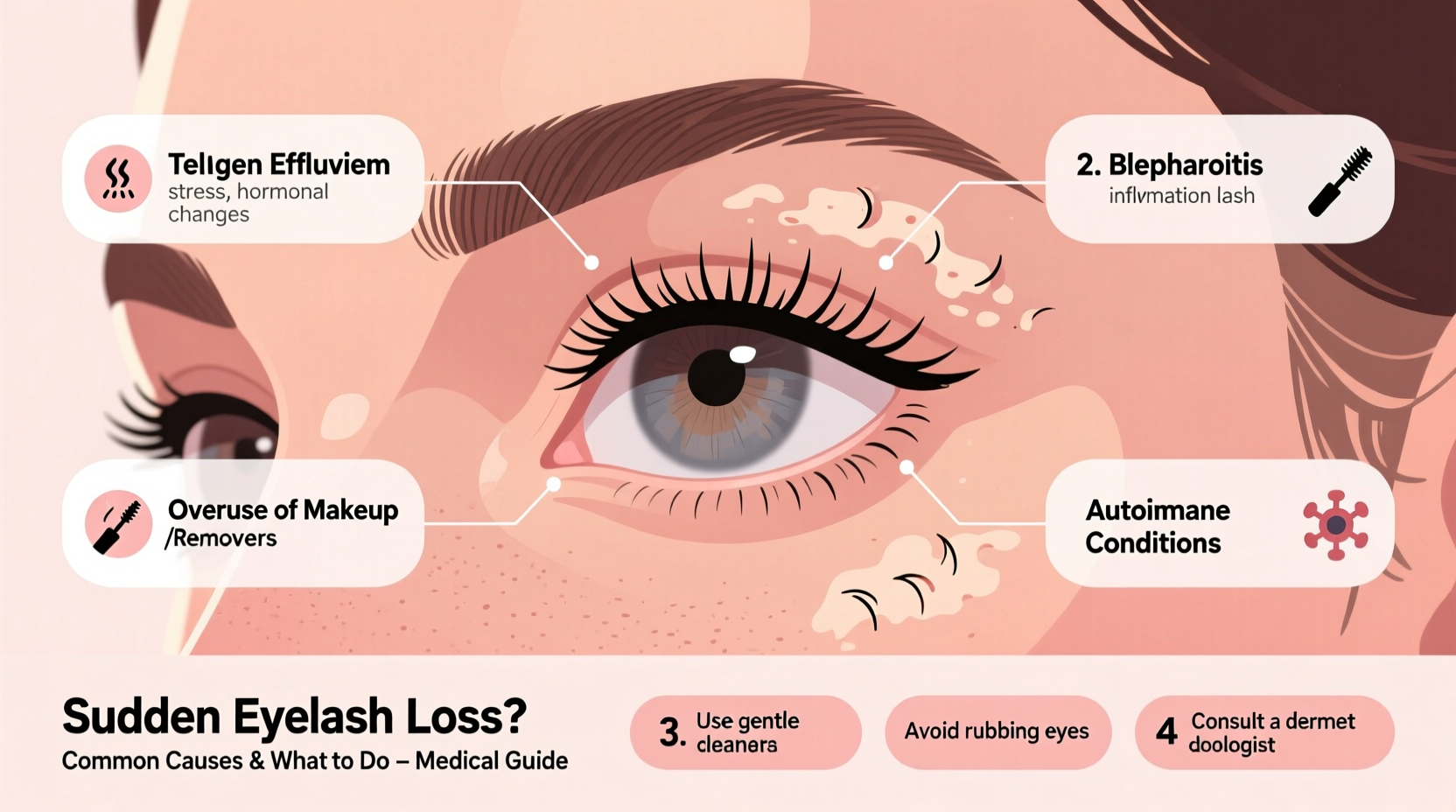
Before diving into causes, it helps to understand how eyelashes grow. Like scalp hair, eyelashes go through three distinct phases:
- Anagen (growth phase): Lasts about 30–45 days, during which new lashes actively grow.
- Catagen (transition phase): A short period (about 2–3 weeks) where growth stops and the follicle shrinks.
- Telogen (resting and shedding phase): Lasts up to 100 days; the lash rests before naturally falling out to make room for a new one.
On average, you have 150–250 upper lashes and 75–100 lower ones. Losing 1–5 lashes per day is normal. However, if you're noticing bald patches, excessive shedding in a short time, or slow regrowth, something may be disrupting this cycle.
Common Causes of Sudden Eyelash Loss
1. Physical Trauma or Overuse of Cosmetics
One of the most frequent culprits behind sudden lash loss is mechanical stress. This includes:
- Aggressive rubbing or pulling at the eyes
- Wearing heavy false lashes or lash extensions frequently
- Using waterproof mascara daily without proper removal
- Sleeping with makeup on regularly
The delicate skin around the eyes and the fine structure of lashes make them vulnerable to damage. Repeated tugging or improper cleansing weakens the hair shaft and can lead to traction alopecia—a condition caused by constant tension on hair follicles.
2. Blepharitis and Other Eye Conditions
Blepharitis is an inflammation of the eyelid margins often caused by bacteria, oil gland dysfunction, or skin conditions like seborrheic dermatitis. Symptoms include redness, flaking, itching, and crusting along the lash line—all of which can contribute to premature lash loss.
When inflamed, the follicles become irritated and less capable of supporting healthy lash growth. In severe cases, misdirected lashes (trichiasis) or scarring (cicatricial alopecia) can occur, leading to permanent loss.
3. Allergic Reactions and Contact Dermatitis
Allergies to eye makeup, adhesives used in lash extensions, skincare products near the eyes, or even contact lens solutions can trigger allergic reactions. These often manifest as swelling, redness, and intense itching—leading people to rub their eyes and inadvertently pull out lashes.
Chronic irritation from allergens disrupts the follicle environment, weakening lashes over time. Common allergens include formaldehyde, parabens, fragrances, and cyanoacrylate (found in lash glues).
4. Nutritional Deficiencies
Your lashes reflect your overall health. Deficiencies in key nutrients can impair keratin production and slow down hair growth cycles. Important nutrients for lash strength include:
- Biotin (vitamin B7): Supports keratin infrastructure.
- Vitamin E: Protects hair follicles from oxidative stress.
- Iron: Low levels are linked to telogen effluvium (widespread shedding).
- Protein: Lashes are made mostly of protein; insufficient intake affects growth.
Prolonged dieting, malabsorption issues, or restrictive eating patterns can all contribute to nutrient-related lash thinning.
5. Medical Conditions and Hormonal Imbalances
Sudden eyelash loss can sometimes signal deeper health concerns. Notable conditions include:
- Hypothyroidism: Slows metabolism and hair growth cycles.
- Alopecia areata: An autoimmune disorder causing patchy hair loss, including lashes.
- Trichotillomania: A psychological condition involving compulsive hair-pulling.
- Chemotherapy: Treatments target rapidly dividing cells, including hair follicles.
If lash loss is accompanied by other symptoms—such as fatigue, weight changes, scalp hair thinning, or emotional distress—it’s important to consult a healthcare provider.
“Eyelash loss isn’t always cosmetic. When sudden and widespread, it can be a clue to systemic inflammation or immune dysregulation.” — Dr. Lena Torres, Board-Certified Dermatologist
Do’s and Don’ts: What to Avoid and What Helps
| Do’s | Don’ts |
|---|---|
| Use gentle, oil-based cleansers to remove eye makeup | Use waterproof mascara every day |
| Wash your face and eyelids nightly | Rub or tug at your lashes aggressively |
| Apply castor or coconut oil sparingly to nourish roots | Get frequent lash extensions without breaks |
| Eat a balanced diet rich in protein and vitamins | Skip meals or follow extreme diets long-term |
| Consult a dermatologist if loss persists beyond 4 weeks | Ignore signs of redness, swelling, or crusting |
Step-by-Step Guide to Recovering and Strengthening Your Lashes
If you’ve noticed sudden lash loss, follow this timeline to support recovery and encourage regrowth:
- Week 1: Assess and Eliminate Triggers
Stop using all eye makeup, especially waterproof formulas and lash extensions. Switch to hypoallergenic skincare products. Cleanse your lids gently with a warm washcloth or diluted baby shampoo. - Week 2–3: Soothe and Nourish
Apply a small amount of pure castor oil or vitamin E oil to the lash line at night using a clean spoolie or cotton swab. Keep the area moisturized but avoid heavy creams that can clog follicles. - Week 4: Evaluate Progress
Look for signs of new growth—tiny, soft lashes appearing along the lid. If no improvement is seen, consider seeing a dermatologist or ophthalmologist. - Month 2 and Beyond: Prevent Recurrence
Gradually reintroduce makeup only if tolerated. Prioritize lash-friendly habits: never sleep with makeup, replace mascara every 3 months, and give your lashes a break between extensions.
Mini Case Study: Recovery After Chronic Extension Use
Sophia, a 29-year-old marketing executive, wore lash extensions nearly every month for three years. She began noticing sparse areas on her outer lash line and increased shedding after removals. After two consecutive fills, she woke up with visible gaps in her upper lashes.
She consulted a dermatologist who diagnosed early-stage traction alopecia. She stopped extensions immediately, started nightly lid hygiene with a gentle foaming cleanser, and applied a vitamin-rich oil blend. Within six weeks, fine new lashes appeared. By three months, her lash line had visibly improved, though full recovery took nearly six months.
Her experience underscores the importance of giving lashes time to recover and recognizing early warning signs like brittleness and reduced density.
Checklist: Actions to Take Now
Use this checklist to address sudden eyelash loss effectively:
- ✔️ Stop using waterproof mascara and lash extensions temporarily
- ✔️ Cleanse eyelids daily with a mild, non-irritating product
- ✔️ Avoid rubbing or touching eyes unnecessarily
- ✔️ Check your diet for adequate protein, iron, and biotin
- ✔️ Apply a nourishing oil (like castor or coconut) at night
- ✔️ Replace old eye makeup—especially mascara and eyeliner
- ✔️ Schedule a dermatology visit if no improvement in 4–6 weeks
Frequently Asked Questions
Can stress cause eyelashes to fall out?
Yes. Severe physical or emotional stress can trigger a condition called telogen effluvium, pushing hair follicles—including eyelash follicles—into the resting phase prematurely. This results in noticeable shedding several weeks after the stressful event. Managing stress through sleep, exercise, and mindfulness can help restore balance.
Will my eyelashes grow back after falling out?
In most cases, yes. If the hair follicle is intact, lashes typically regrow within 6–8 weeks. However, repeated trauma (like constant pulling or scarring from chronic blepharitis) can damage follicles permanently, leading to irreversible loss. Early intervention improves outcomes significantly.
Is it safe to use eyelash serums?
Some serums, particularly those containing prostaglandin analogs (like bimatoprost), are FDA-approved for hypotrichosis (inadequate lashes) but require a prescription. Over-the-counter serums vary widely in quality. Look for products with peptides, biotin, or panthenol, and avoid those with alcohol or fragrance if you have sensitive eyes. Always patch-test first.
Conclusion: Take Action Before It’s Too Late
Sudden eyelash loss is more than a cosmetic concern—it’s a signal from your body that something may be off. Whether it’s due to harsh beauty routines, nutritional gaps, or an underlying condition, the key is early recognition and consistent care. Most causes are reversible when addressed promptly.
Start today by simplifying your eye routine, nourishing your body from within, and monitoring changes closely. If in doubt, don’t hesitate to seek professional advice. Healthy eyelashes aren’t just about appearance—they protect your eyes and reflect your overall well-being.




 浙公网安备
33010002000092号
浙公网安备
33010002000092号 浙B2-20120091-4
Comments
No comments yet. Why don't you start the discussion?