
It’s a common yet alarming experience: you apply your favorite mascara, expecting longer, fuller-looking lashes, only to notice clumps falling out days later. You’re not imagining it—some mascaras actively contribute to lash loss. While temporary shedding is normal (we all lose a few lashes daily), excessive fallout after mascara use signals something deeper. The culprit? Often hidden in plain sight: harmful ingredients. Understanding which components in your makeup are damaging your lashes—and why—is essential for maintaining both eye health and natural beauty.
The Science Behind Lash Shedding
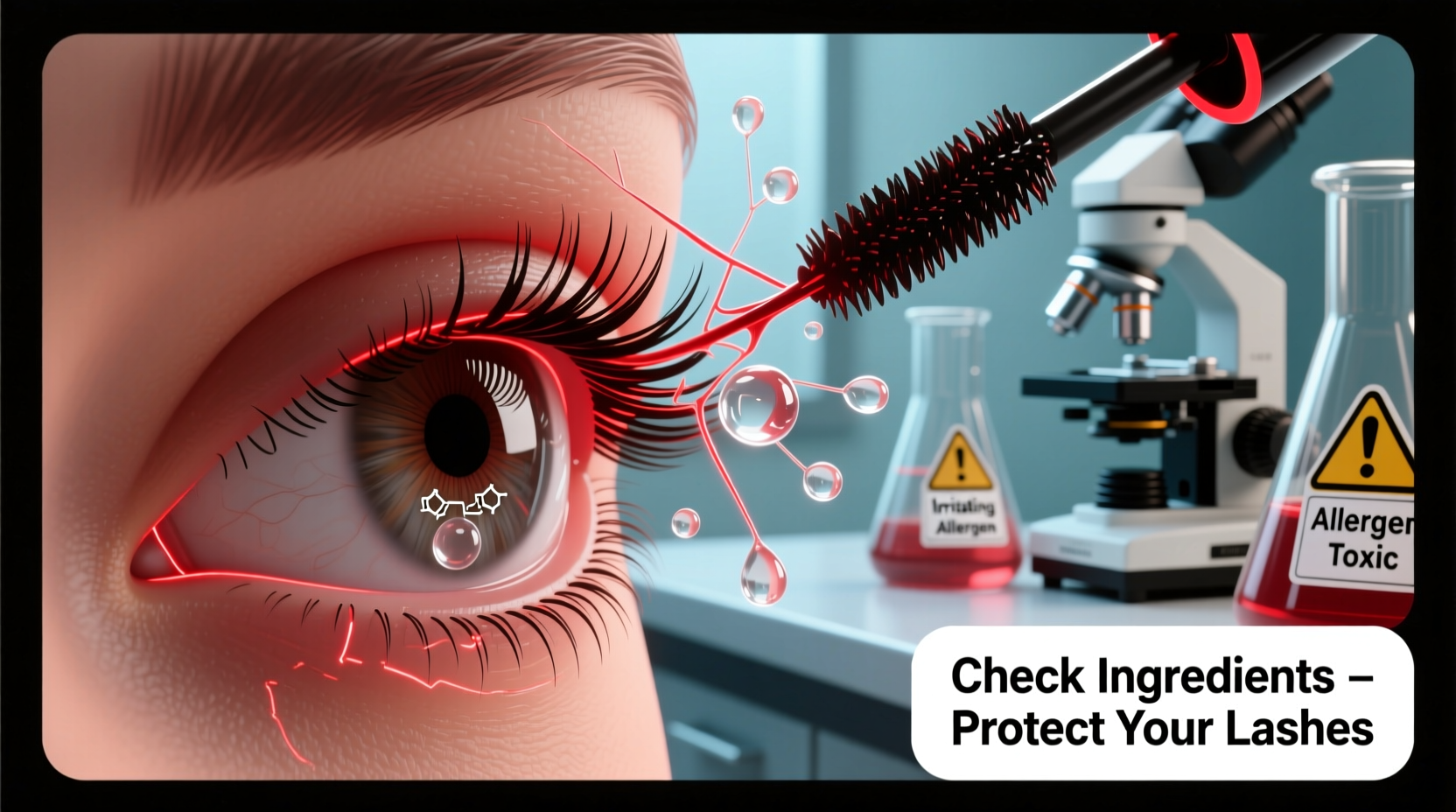
Eyelashes follow a growth cycle similar to scalp hair, consisting of three phases: anagen (growth), catagen (transition), and telogen (resting/shedding). On average, each lash grows for 30–45 days before naturally falling out and being replaced. Losing 1–5 lashes per day is typical. However, external stressors—including cosmetics—can disrupt this cycle, pushing lashes prematurely into the shedding phase.
Mascara can exacerbate this process in several ways. Heavy formulas weigh down delicate lashes, making them more prone to breakage. Waterproof versions often require harsh removers that strip natural oils and weaken the follicle. But beyond physical strain, chemical composition plays a critical role. Certain preservatives, solvents, and synthetic additives can trigger irritation, allergic reactions, or even follicular damage—leading to increased shedding.
“Chronic exposure to irritants in eye cosmetics can lead to conditions like contact dermatitis or madarosis—the medical term for abnormal eyelash loss.” — Dr. Lena Patel, Ocular Dermatologist
Red Flag Ingredients to Avoid in Mascara
Not all mascaras are created equal. While marketing may tout volume, length, or smudge-proof claims, the ingredient list reveals the true story. Below are key chemicals linked to lash damage and fallout:
- Parabens (Methylparaben, Propylparaben): Widely used preservatives that mimic estrogen and may disrupt hormonal balance. In sensitive areas like the eyes, they’ve been associated with inflammation and follicle stress.
- Formaldehyde Releasers (DMDM Hydantoin, Quaternium-15): These slowly release formaldehyde, a known carcinogen and potent irritant. Even in small amounts, they can cause chronic eyelid irritation, weakening lash roots over time.
- Synthetic Fragrances: A catch-all term masking dozens of undisclosed chemicals. Fragrance compounds are among the top causes of allergic reactions around the eyes, leading to itching, rubbing, and subsequent lash loss.
- Coal Tar Dyes (e.g., CI 77510, FD&C Black No. 2): Used for intense pigmentation, these dyes can be toxic and irritating. Long-term use may lead to discoloration and follicular damage.
- Acrylates (Styrene/Acrylate Copolymers): Found in waterproof mascaras, these form a plastic-like film. While effective for longevity, they make removal difficult and often require aggressive rubbing or oil-based cleansers that compromise the lash line.
- Alcohol (Denatured Alcohol, Ethanol): Drying agents that strip moisture from lashes and skin. Over time, this leads to brittle, fragile lashes prone to snapping.
How Mascara Damages Lashes: Mechanisms Explained
The harm isn’t always immediate. Damage accumulates over weeks or months of repeated use. Here’s how specific factors contribute:
Physical Stress from Formula Weight
Thick, volumizing mascaras coat lashes in layers of wax and pigment. This added weight strains the follicle, especially if applied excessively. Over time, this mechanical stress can lead to traction alopecia—a condition where constant pulling causes hair loss.
Irritation and Inflammation
Ingredients like formaldehyde releasers or synthetic dyes can cause low-grade inflammation along the lash line. This disrupts the follicle environment, shortening the growth phase and accelerating shedding. Chronic inflammation may also scar the follicle, preventing regrowth.
Improper Removal Techniques
Waterproof mascaras resist water but often require vigorous scrubbing or strong solvents to remove. This friction damages both the lash shaft and the delicate skin of the eyelid. Repeated tugging weakens the root and increases fallout.
Bacterial Buildup and Infection Risk
Mascara tubes become breeding grounds for bacteria after 3–6 months of use. Contaminated products increase the risk of blepharitis—an inflammatory eyelid condition that directly impacts lash health. Signs include redness, crusting, and noticeable thinning.
Safe Mascara Alternatives and Protective Practices
You don’t have to give up mascara entirely. With smarter choices and habits, you can enjoy enhanced lashes without sacrificing their health.
Choose Clean-Label Formulas
Look for mascaras labeled “ophthalmologist-tested,” “hypoallergenic,” and “safe for sensitive eyes.” Prioritize brands transparent about ingredients and free from the red flags listed above. Many clean beauty brands now offer peptide-infused or lash-conditioning mascaras that support rather than harm.
Incorporate Lash Serums
Peptide-rich serums like those containing bimatoprost (prescription) or over-the-counter alternatives with biotin, panthenol, and hyaluronic acid help strengthen lashes and extend their growth cycle. Apply nightly to clean lash lines for best results.
Limit Wear and Rotate Products
Avoid wearing mascara every single day. Give your lashes a break—especially at night. Never sleep in makeup. Also, replace your mascara every 3 months to reduce bacterial contamination.
| Risk Factor | Problem | Safe Alternative |
|---|---|---|
| Parabens | Hormonal disruption, inflammation | Phenoxyethanol, potassium sorbate |
| Formaldehyde Releasers | Irritation, allergic reactions | Radish root ferment, benzyl alcohol |
| High Alcohol Content | Drying, brittleness | Glycerin, squalane, plant oils |
| Synthetic Fragrance | Allergic dermatitis | Fragrance-free or essential oil-free |
| Plastic Polymers | Difficult removal, friction damage | Beeswax, carnauba wax, cellulose |
Mini Case Study: Recovery from Mascara-Induced Lash Loss
Samantha, a 29-year-old graphic designer, noticed her lashes thinning significantly over six months. She wore waterproof mascara daily and used a strong oil-based remover. After consulting a dermatologist, she was diagnosed with mild blepharitis and early-stage madarosis. Patch testing revealed sensitivity to quaternium-15, an ingredient in her mascara.
She discontinued the product, switched to a fragrance-free, hypoallergenic formula, and began using a gentle micellar water. She also applied a peptide serum nightly and avoided mascara for four weeks. Within eight weeks, new growth appeared, and after three months, her lash density improved by nearly 60%. Her case underscores how identifying and eliminating harmful ingredients can reverse damage.
Step-by-Step Guide to Healthier Lash Habits
- Inspect Your Current Mascara: Review the ingredient list. If you see parabens, formaldehyde releasers, or synthetic fragrance, consider replacing it.
- Switch to a Gentler Formula: Choose a non-waterproof, ophthalmologist-approved mascara with nourishing ingredients like castor oil or peptides.
- Use a Sulfate-Free, Gentle Remover: Opt for micellar water or a cream-based cleanser. Soak a cotton pad and hold it against lashes for 10 seconds before gently wiping—no rubbing.
- Practice Nightly Cleansing: Never sleep in mascara. Build a habit of removing eye makeup first during your evening routine.
- Apply a Lash Serum 3–4 Nights Per Week: Focus on the base of the lashes. Consistency yields results in 6–8 weeks.
- Replace Mascara Every 90 Days: Mark your calendar. Old tubes harbor bacteria that can inflame follicles.
- Give Your Lashes Breaks: Designate makeup-free days to let follicles breathe and recover.
FAQ
Can mascara cause permanent eyelash loss?
In most cases, no. Temporary shedding due to irritation or physical stress is reversible once the offending product is removed. However, chronic inflammation or scarring from untreated conditions like blepharitis can lead to permanent follicle damage and irreversible loss.
Is waterproof mascara worse for lashes?
Generally, yes. Waterproof formulas adhere more strongly and require stronger removers, increasing friction during removal. They also tend to contain more acrylates and preservatives. For everyday wear, non-waterproof options are gentler and easier on lashes.
Are natural or organic mascaras safer?
Not automatically. “Natural” isn’t a regulated term. Some plant-based ingredients can still cause allergies. Always check the full ingredient list, even on clean beauty brands. Look for third-party certifications like EWG Verified or Leaping Bunny for added assurance.
Conclusion
Your eyelashes are more than just a cosmetic feature—they’re a protective barrier for your eyes and a reflection of overall health. When they start falling out after mascara use, it’s not just a beauty concern; it’s a signal. By recognizing red flag ingredients and adjusting your routine, you can prevent further damage and promote stronger, healthier growth. Knowledge is power: read labels, listen to your body, and choose products that enhance your beauty without compromising your well-being.




 浙公网安备
33010002000092号
浙公网安备
33010002000092号 浙B2-20120091-4
Comments
No comments yet. Why don't you start the discussion?