
Waking up with swollen eyelids is a common experience that many people dismiss as normal. However, persistent morning puffiness can be more than just a cosmetic concern—it may signal underlying habits, allergies, or even health conditions. Understanding the root causes and knowing how to address them effectively can make a significant difference in both comfort and appearance. The skin around the eyes is among the thinnest on the body, making it highly susceptible to fluid retention, inflammation, and irritation. This article explores the physiological reasons behind morning eyelid swelling and provides practical, evidence-based strategies to minimize and prevent it.
The Science Behind Morning Eyelid Swelling
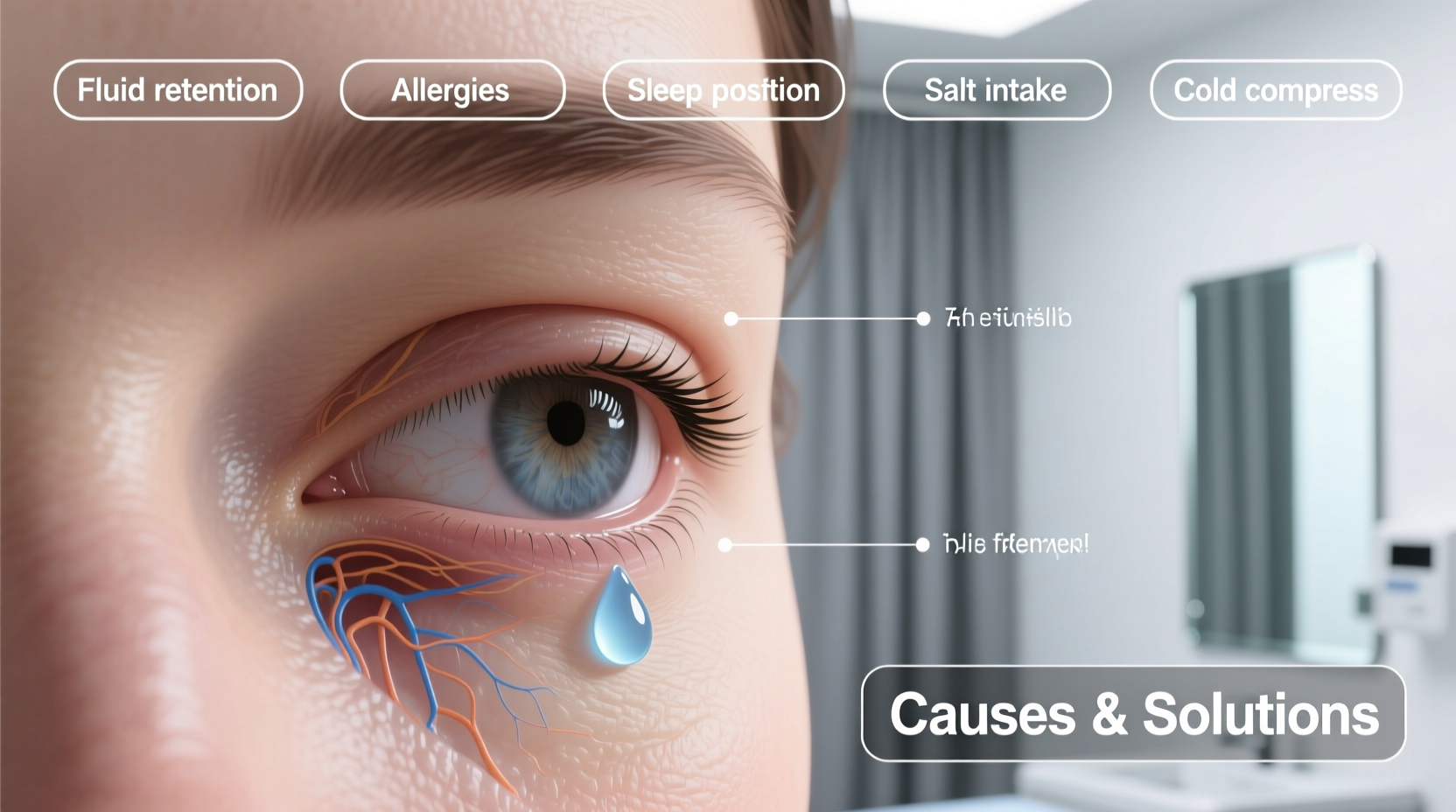
During sleep, your body undergoes various metabolic and circulatory changes. One key factor contributing to puffy eyelids is fluid redistribution. When you lie flat for several hours, gravity no longer pulls fluids downward into the lower limbs. Instead, fluid can accumulate in areas with looser connective tissue—like the eyelids. This phenomenon, known as periorbital edema, is often temporary but can become chronic due to lifestyle or medical factors.
The lymphatic system, responsible for removing excess fluid and waste from tissues, operates less efficiently when you're inactive. Since blinking helps stimulate lymphatic drainage around the eyes, reduced movement during sleep allows fluid to pool. Additionally, the delicate orbital fat pads can shift slightly with age or fluid pressure, contributing to a \"baggy\" look upon waking.
Common Causes of Persistent Morning Puffiness
While occasional puffiness is normal, consistent swelling may point to specific triggers. Identifying these is the first step toward long-term improvement.
Dietary Factors
Sodium intake plays a major role in fluid retention. Consuming high-salt meals, especially in the evening, prompts the body to hold onto water to maintain electrolyte balance. Processed foods, canned soups, and restaurant dishes are frequent culprits. Alcohol consumption also contributes by dilating blood vessels and increasing dehydration, which paradoxically leads to fluid retention as the body attempts to compensate.
Allergies and Irritants
Environmental allergens such as dust mites, pet dander, and pollen can trigger histamine release, causing localized swelling and itching. Skincare products, makeup, or even laundry detergents used on pillowcases may contain irritants that inflame the sensitive eye area. Chronic allergic conjunctivitis often presents with bilateral eyelid puffiness, redness, and watery eyes.
Lack of Sleep and Fatigue
Poor sleep quality or insufficient rest disrupts hormonal regulation, including cortisol and antidiuretic hormone (ADH), both of which influence fluid balance. Sleep deprivation can also increase systemic inflammation, exacerbating puffiness.
Aging and Skin Changes
As we age, the supporting structures around the eyes weaken. Orbital fat may protrude forward, and skin elasticity decreases, making swelling more noticeable. While this isn’t “swelling” in the inflammatory sense, it can mimic puffiness and worsen with fluid retention.
Underlying Medical Conditions
In some cases, recurrent eyelid swelling may indicate a systemic issue. Conditions like hypothyroidism, kidney dysfunction, or chronic sinusitis can manifest with periorbital edema. If puffiness is accompanied by fatigue, weight gain, or changes in urination, medical evaluation is warranted.
“Persistent eyelid swelling shouldn’t be ignored—especially if it’s asymmetric or associated with other symptoms. It can be a clue to an underlying allergy or systemic condition.” — Dr. Lena Patel, Ophthalmologist and Facial Aesthetic Specialist
Effective Strategies to Reduce Morning Eye Swelling
Addressing eyelid puffiness requires a combination of preventive habits, targeted treatments, and environmental adjustments. The following approaches are supported by dermatological and ophthalmological research.
1. Optimize Your Sleep Position
Sleeping flat encourages fluid migration to the face. Elevating your head with an extra pillow or using a wedge pillow reduces hydrostatic pressure in the facial veins and improves lymphatic return. Avoid lying on your stomach, as this can compress the eye area and trap fluid.
2. Regulate Evening Fluid and Salt Intake
Limit salty foods after 6 PM and avoid excessive liquid consumption right before bed. While staying hydrated is important, consuming large amounts of water late at night forces the kidneys to work harder and increases overnight fluid retention.
3. Apply Cold Compresses Upon Waking
Cold constricts blood vessels and reduces inflammation. Use a chilled spoon, cold washcloth, or refrigerated eye mask for 5–10 minutes each morning. Do not apply ice directly to the skin, as this can cause irritation or frostbite.
4. Incorporate Caffeine-Based Eye Products
Topical gels or serums containing caffeine have vasoconstrictive properties that help shrink dilated capillaries and stimulate microcirculation. Look for formulations with hyaluronic acid to hydrate without adding puffiness.
5. Practice Gentle Lymphatic Drainage
Use your ring finger (which applies the least pressure) to massage lightly along the brow bone and under-eye area in upward and outward motions. Start at the inner corner near the nose and move toward the temples. This mimics natural lymph flow and helps drain excess fluid.
Do’s and Don’ts: Daily Habits That Impact Eye Puffiness
| Do’s | Don’ts |
|---|---|
| Use fragrance-free, hypoallergenic skincare around the eyes | Apply heavy creams or oils too close to the lash line |
| Wash pillowcases every 3–4 days to reduce allergen buildup | Sleep in eye makeup, which can clog glands and irritate skin |
| Stay consistently hydrated throughout the day | Consume alcohol or salty snacks in the evening |
| Use artificial tears if eyes feel dry or irritated | Rub your eyes aggressively, especially when tired or itchy |
| Take antihistamines if allergies are a known trigger | Ignore persistent unilateral swelling—it may need medical attention |
Step-by-Step Morning Routine to De-Puff Eyes
A structured routine can significantly reduce visible swelling within minutes. Follow this sequence for best results:
- Wash your face with cool water to gently awaken circulation.
- Apply a cold compress for 5–7 minutes to constrict blood vessels.
- Perform a light lymphatic massage using clean fingertips—focus on the orbital rim.
- Tap on a caffeine-infused eye serum or gel; avoid dragging the skin.
- Follow with broad-spectrum SPF during the day to prevent collagen breakdown.
This routine takes less than five minutes and can be seamlessly integrated into your morning schedule. Consistency amplifies results over time.
Mini Case Study: Reducing Chronic Morning Puffiness
Sarah, a 34-year-old graphic designer, experienced daily eyelid swelling that made her appear tired despite adequate sleep. She often worked late, consumed takeout dinners high in sodium, and slept with her makeup on. After consulting a dermatologist, she implemented a few key changes: switching to low-sodium meals, washing her face before bed, using a silk pillowcase, and applying a refrigerated eye gel nightly. Within three weeks, her morning puffiness decreased dramatically. Her follow-up appointment confirmed improved skin tone and reduced fluid retention, illustrating how small habit shifts can yield visible outcomes.
When to Seek Medical Advice
Most cases of morning eyelid puffiness are benign and resolve within hours. However, certain red flags warrant professional evaluation:
- Swelling that persists beyond midday
- One-sided puffiness or asymmetry
- Pain, redness, or vision changes
- History of thyroid, kidney, or heart conditions
- Frequent episodes of eyelid drooping or tightness
If puffiness is accompanied by rash, fever, or difficulty breathing, seek immediate care—this could indicate a severe allergic reaction.
FAQ
Can lack of sleep cause puffy eyelids?
Yes. Inadequate or poor-quality sleep disrupts hormonal balance and increases inflammation, both of which contribute to fluid retention around the eyes. Even one night of disrupted sleep can result in noticeable puffiness.
Are there natural remedies for reducing eye swelling?
Chilled cucumber slices, cold green tea bags, and aloe vera gel can offer mild relief due to their cooling and anti-inflammatory properties. However, they are not substitutes for addressing root causes like diet or allergies.
Is it safe to use hemorrhoid cream on puffy eyelids?
No. Hemorrhoid creams contain active ingredients like phenylephrine that constrict blood vessels but are not formulated for the thin eye area. Using them can lead to irritation, discoloration, or even glaucoma in rare cases.
Checklist: Reduce Morning Eyelid Puffiness
- ✔️ Limit salt intake, especially at dinner
- ✔️ Avoid alcohol and excessive fluids before bed
- ✔️ Elevate your head with an extra pillow
- ✔️ Remove all eye makeup before sleeping
- ✔️ Wash pillowcases weekly in fragrance-free detergent
- ✔️ Use a cold compress or chilled eye product each morning
- ✔️ Perform a gentle lymphatic massage around the eyes
- ✔️ Treat allergies with appropriate medication if needed
- ✔️ Stay well-hydrated during the day
- ✔️ Consult a doctor if swelling is persistent or one-sided
Conclusion
Morning eyelid puffiness is more than just a reflection of tiredness—it's a signal from your body about hydration, sleep quality, and overall health. While temporary swelling is normal, recurring puffiness calls for a closer look at daily habits and potential medical contributors. By adjusting your diet, improving sleep hygiene, and adopting a simple eye care routine, you can significantly reduce or even eliminate morning swelling. These changes not only enhance your appearance but also support long-term eye health and skin resilience. Small, consistent actions today can lead to clearer, brighter eyes tomorrow.




 浙公网安备
33010002000092号
浙公网安备
33010002000092号 浙B2-20120091-4
Comments
No comments yet. Why don't you start the discussion?