
Crying is a natural emotional response—whether triggered by sadness, frustration, joy, or relief. While shedding tears can be cathartic, many people notice an uncomfortable side effect: a burning sensation in their eyes after prolonged or intense crying. This experience is more common than you might think, and while usually temporary, it can feel alarming. Understanding the physiological mechanisms behind this discomfort helps demystify the process and offers practical ways to manage it.
The human eye produces different types of tears for various purposes. Emotional tears, which flow during episodes of strong feelings, differ from lubricating basal tears or reflexive ones that flush out irritants. When you cry excessively, especially under emotional stress, multiple factors converge to create irritation, dryness, and that familiar stinging or burning sensation. The good news is that most causes are benign and manageable with simple care.
The Science Behind Tears and Eye Irritation
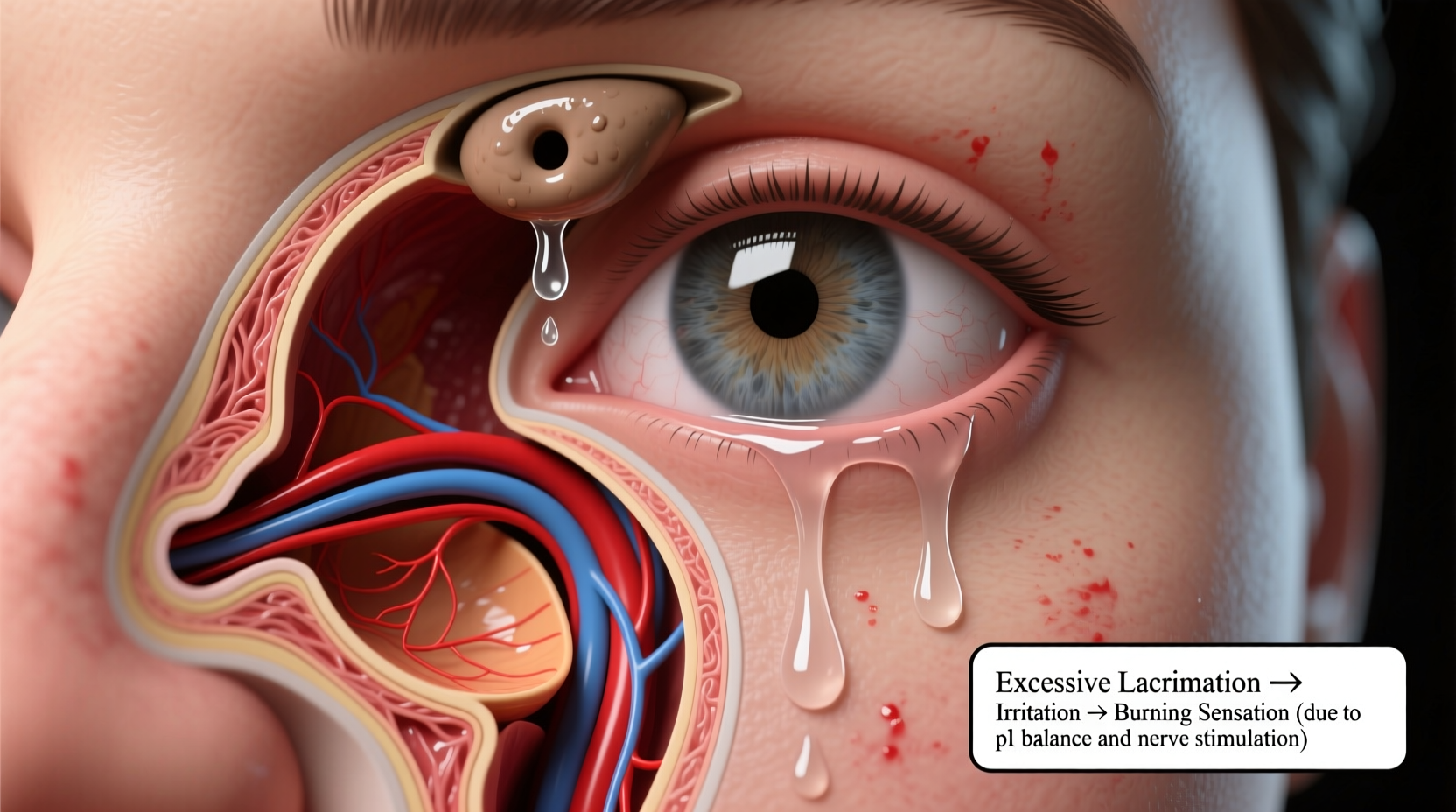
Tears are not just water—they’re a complex mixture of water, oils, mucus, antibodies, and proteins. They serve several critical functions: keeping the eye surface moist, washing away debris, preventing infection, and maintaining clear vision. There are three main types of tears:
- Basal tears: Continuously produced to keep the eye lubricated.
- Reflex tears: Released in response to irritants like smoke, dust, or onions.
- Emotional (psychic) tears: Triggered by strong emotions; contain higher levels of stress hormones like cortisol and leucine enkephalin, a natural painkiller.
When you cry excessively, the lacrimal glands go into overdrive, flooding the eyes with emotional tears. Unlike basal tears, which are released steadily and evenly across the eye, emotional tears often overwhelm the drainage system—the small openings near the inner corners of your eyelids called puncta. As excess fluid spills over, it disrupts the tear film’s delicate balance, leading to instability and increased evaporation.
This imbalance strips away protective oils and mucous layers, leaving the corneal surface exposed. Without proper lubrication, microscopic friction occurs between the eyelid and the eye with each blink, causing irritation and the sensation of burning.
“After extended crying, patients often report gritty, sore eyes. It's not the tears themselves but the disruption of the ocular surface that causes discomfort.” — Dr. Lena Patel, Optometrist and Dry Eye Specialist
Why Excessive Crying Leads to Burning Eyes
Burning eyes after crying aren’t typically a sign of serious damage—but they do signal that your eyes are under stress. Several interrelated factors contribute:
1. Tear Film Disruption
Your tear film consists of three layers: oil (lipid), water (aqueous), and mucus (mucin). Emotional crying floods the aqueous layer but doesn’t proportionally increase lipid or mucin production. This leads to poor spreading and rapid evaporation, exposing nerve endings on the cornea.
2. Salt Concentration Build-Up
Emotional tears have a higher salt (sodium chloride) content than regular tears. As tears evaporate from the eye’s surface, salt residues remain behind. These concentrated deposits can sting, especially if the eye is already dry or inflamed.
3. Blood Vessel Dilation and Inflammation
Crying increases blood flow to the face, including the delicate vessels in the sclera (white part of the eye). This causes redness and mild swelling. The expanded capillaries can leak small amounts of fluid, contributing to puffiness and inflammation, which heightens sensitivity and discomfort.
4. Eyelid Rubbing and Mechanical Irritation
It’s instinctive to rub your eyes when they feel irritated. However, doing so after crying worsens the problem. Your fingers may introduce bacteria, and the physical friction damages the fragile epithelial cells on the cornea, intensifying the burning feeling.
5. Environmental Factors
Airborne irritants like dry air, wind, smoke, or allergens can amplify post-crying discomfort. For example, crying in a heated room during winter exacerbates dryness due to low humidity. Similarly, screen use immediately after crying reduces blink rate, further destabilizing the tear film.
Common Triggers That Worsen the Sensation
Not everyone experiences eye burning equally after crying. Individual susceptibility depends on baseline eye health, environment, and habits. Below are common aggravating factors:
| Factor | How It Worsens Burning | Solution |
|---|---|---|
| Dry indoor air | Accelerates tear evaporation, increasing dryness | Use a humidifier; avoid sitting near heaters |
| Contact lens wear | Lenses absorb tears and trap irritants against the eye | Remove lenses after crying; switch to glasses temporarily |
| Allergies | Pre-existing inflammation lowers eye resilience | Manage allergies proactively with antihistamines |
| Prolonged screen time | Reduces blinking, impairing tear distribution | Follow the 20-20-20 rule after emotional episodes |
| Makeup residue | Mascara or eyeliner particles can enter eyes during crying | Cleanse gently with micellar water or saline |
Step-by-Step Guide to Soothe Burning Eyes After Crying
If your eyes burn after crying, immediate action can reduce discomfort and speed recovery. Follow this timeline-based approach:
- Immediately After Crying (0–5 minutes):
Stop rubbing your eyes. Splash your face with cool (not cold) water or apply a clean, damp cloth to closed eyelids for one minute to constrict blood vessels and reduce heat.
- Within 10 Minutes:
Use preservative-free artificial tears. These restore moisture without additives that could further irritate sensitive eyes. Blink frequently to help distribute the solution.
- 15–30 Minutes Later:
Apply a cold compress wrapped in soft fabric for 5–10 minutes to ease swelling and numb surface nerves. Do not place ice directly on skin.
- Next Hour:
Avoid screens, bright lights, and fans blowing toward your face. Sit in a quiet, dimly lit space to let your eyes recover naturally.
- Next Few Hours:
Stay hydrated. Dehydration affects tear quality. Drink water and avoid alcohol or caffeine, which can dehydrate further.
- Overnight Recovery:
If discomfort persists, use a nighttime lubricating ointment (like plain petroleum jelly or an eye-safe gel) before bed. It forms a protective barrier and prevents overnight dryness.
When to Seek Medical Attention
In most cases, burning eyes after crying resolve within a few hours with rest and basic care. However, persistent symptoms may indicate an underlying condition requiring professional evaluation.
Consult an eye doctor if you experience any of the following:
- Pain that worsens instead of improving after 24 hours
- Blurred or decreased vision
- Sensitivity to light (photophobia)
- Discharge other than tears (yellow or green)
- Feeling like something is stuck in your eye
- History of dry eye syndrome, blepharitis, or autoimmune disorders
Chronic excessive crying—especially linked to depression, anxiety, or trauma—should also prompt consultation with a mental health provider. Emotional well-being directly impacts physical health, including ocular comfort.
Mini Case Study: Recovering from Emotional Exhaustion and Eye Discomfort
Sophia, a 32-year-old teacher, experienced frequent episodes of intense crying due to work-related stress and family issues. After particularly difficult days, she noticed her eyes would burn for hours, making it hard to focus even after calming down. She initially dismissed it as normal, but when the discomfort began interfering with her ability to drive home safely, she consulted an optometrist.
Upon examination, the doctor diagnosed mild ocular surface inflammation exacerbated by tear film instability. Sophia was advised to discontinue daily contact lens use during stressful periods, adopt a routine of artificial tears, and practice facial cooling techniques post-crying. She also started therapy to address emotional triggers.
Within six weeks, her eye discomfort decreased significantly. By managing both the physical and emotional contributors, Sophia regained control—not just over her eye health, but her overall well-being.
Prevention and Long-Term Care Tips
While you can't always predict when you'll cry, you can prepare your eyes to handle the aftermath better. Incorporate these strategies into your self-care routine:
Checklist: Daily Habits to Protect Eye Comfort
- Use a humidifier in your bedroom at night
- Take breaks from digital screens every 20 minutes
- Wear wraparound sunglasses outdoors to shield eyes from wind
- Avoid sleeping with fans or AC blowing directly on your face
- Replace eye makeup every 3–6 months to prevent bacterial buildup
- Stay hydrated throughout the day (aim for 2–2.5 liters of water)
- Practice gentle eyelid hygiene if prone to irritation
Frequently Asked Questions
Can crying damage my eyes permanently?
No, crying does not cause permanent eye damage. The burning sensation is temporary and results from surface-level irritation and tear imbalance. However, chronic eye rubbing during crying can lead to corneal abrasions or contribute to conditions like keratoconus in rare, extreme cases.
Are emotional tears more irritating than other types?
Yes, emotionally triggered tears contain more proteins and hormones, including adrenocorticotropic hormone (ACTH) and prolactin. While beneficial for emotional regulation, their chemical composition can make them slightly more likely to leave residue that contributes to stinging once evaporated.
Should I use medicated eye drops after crying?
Not unless prescribed. Over-the-counter redness relievers (like tetrahydrozoline) may provide short-term cosmetic improvement but can cause rebound redness with frequent use. Stick to preservative-free lubricating drops for safety and effectiveness.
Conclusion: Listen to Your Eyes—and Yourself
Burning eyes after excessive crying are a sign that your body has been through an emotional and physiological event. While the discomfort is usually fleeting, it serves as a reminder to care for both your mental and physical health. Simple interventions—rinsing with water, using lubricating drops, avoiding rubbing—can bring fast relief. More importantly, recognizing patterns in emotional distress allows you to seek support before symptoms escalate.
Your eyes are sensitive barometers of your internal state. When they burn after crying, don’t just dismiss it as inevitable. Use it as an opportunity to pause, hydrate, rest, and reflect. Small acts of kindness toward yourself compound into lasting resilience.




 浙公网安备
33010002000092号
浙公网安备
33010002000092号 浙B2-20120091-4
Comments
No comments yet. Why don't you start the discussion?