
Waking up with a sensation that sand has been sprinkled under your eyelids is more than just uncomfortable—it can disrupt your entire morning. The feeling of grittiness, often described as burning, scratchiness, or a foreign body sensation, affects millions of people worldwide. While occasional dryness upon waking may seem normal, persistent symptoms point to underlying issues that deserve attention. Understanding the root causes and adopting targeted strategies can transform how your eyes feel each morning.
The human eye relies on a delicate balance of moisture, oil, and mucus to maintain a smooth, lubricated surface. When this tear film breaks down overnight, friction increases between the eyelid and the cornea, leading to that unmistakable gritty sensation. Factors ranging from environmental conditions to medical disorders can compromise this balance. Addressing them requires both short-term relief and long-term prevention.
Common Causes of Morning Eye Grittiness
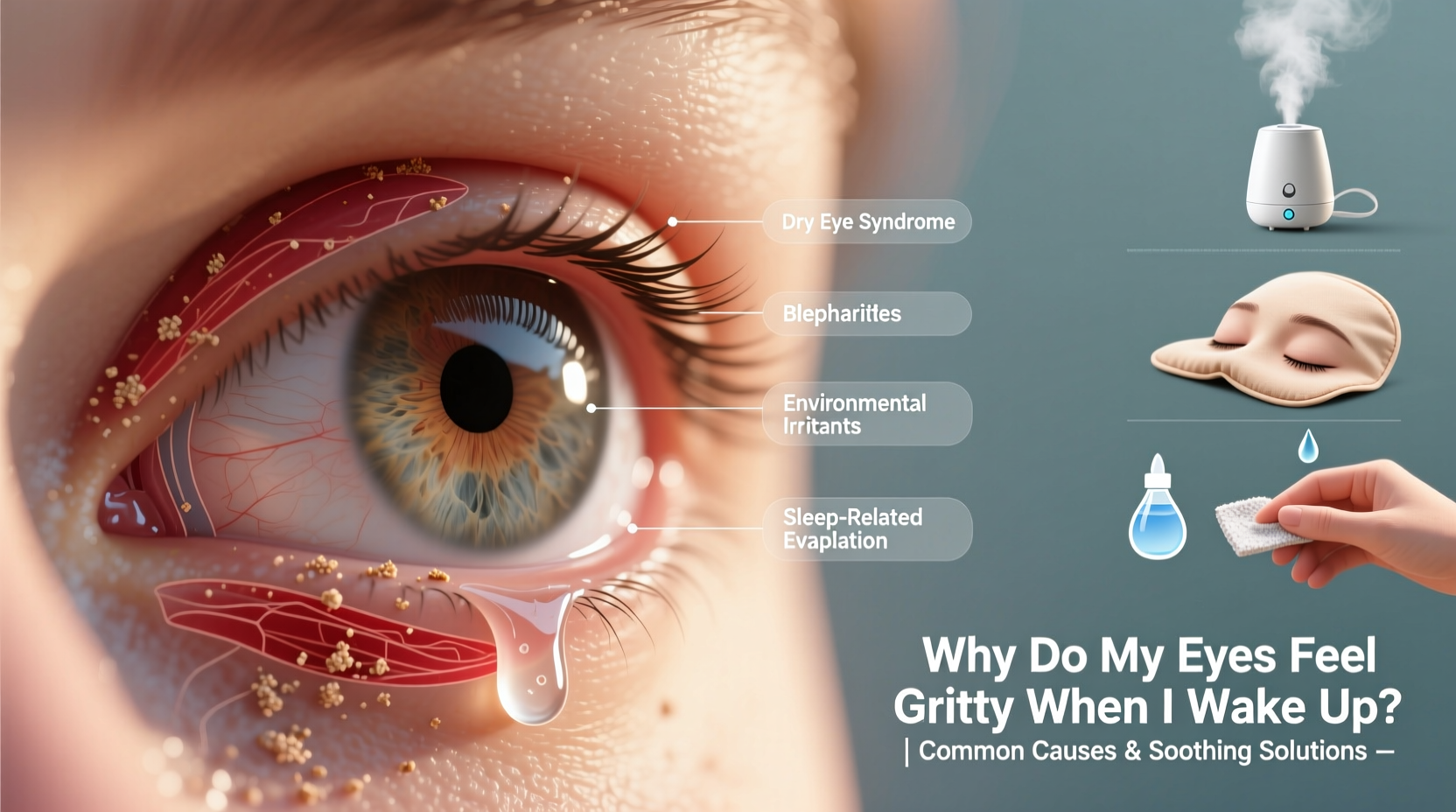
The reasons behind gritty eyes in the morning are diverse, but most fall into a few key categories: tear film instability, inflammation, environmental exposure, and sleep-related habits.
- Dry Eye Syndrome: One of the most frequent culprits, dry eye occurs when the eyes don’t produce enough tears or when tears evaporate too quickly. Overnight, reduced blinking and slower tear production can exacerbate the condition, leaving the ocular surface exposed and irritated by morning.
- Blepharitis: This chronic inflammation of the eyelid margins often flares at night. Bacteria or skin conditions like rosacea can cause oily debris and crusts to accumulate along the lash line, irritating the eye surface during sleep.
- Nocturnal Lagophthalmos: Some people don’t fully close their eyes while sleeping. This partial exposure allows air to dry out the cornea, especially in dry or windy environments. It’s more common in older adults or those who’ve had facial nerve issues.
- Allergies: Allergic conjunctivitis can worsen at night if allergens such as dust mites, pet dander, or mold are present in bedding or the bedroom. The immune response leads to itching, redness, and a gritty texture upon waking.
- Meibomian Gland Dysfunction (MGD): These tiny glands along the eyelid edges secrete oil that prevents tears from evaporating too fast. When clogged or inflamed, they fail to stabilize the tear film, increasing dryness overnight.
- Contact Lens Wear: Sleeping in contacts—even occasionally—can reduce oxygen flow and trap debris, leading to irritation and microbial buildup. Extended wear without proper hygiene compounds the risk.
- Medications and Health Conditions: Antihistamines, antidepressants, blood pressure drugs, and hormonal changes (especially in menopause) can reduce tear production. Autoimmune diseases like Sjögren’s syndrome directly attack moisture-producing glands.
Environmental and Lifestyle Triggers
Your bedroom setup and nightly habits play a significant role in ocular comfort. Even minor factors can tip the balance toward discomfort.
Air conditioning, heating systems, and ceiling fans circulate dry air, accelerating tear evaporation. Low humidity levels—common in winter or arid climates—worsen this effect. Similarly, sleeping near windows or vents exposes the eyes to drafts, particularly problematic for those with nocturnal lagophthalmos.
Bedding materials matter too. Synthetic fabrics and non-hypoallergenic pillows may harbor dust mites or release fibers that irritate sensitive eyes. Makeup residue left on lashes can migrate into the eyes during sleep, causing mechanical irritation or bacterial growth.
Screen use before bed contributes indirectly. Staring at digital devices reduces blink rate by up to 60%, impairing tear distribution and setting the stage for overnight dryness.
“Many patients don’t realize how much their sleep environment impacts their eye health. Simple changes like adding a humidifier or switching pillowcases can yield dramatic improvements.” — Dr. Lena Torres, Optometrist and Dry Eye Specialist
Soothing Solutions for Gritty Eyes Upon Waking
Effective relief begins with identifying the likely cause and implementing targeted interventions. A combination of immediate remedies and preventive practices offers the best results.
Immediate Relief Strategies
- Use Preservative-Free Artificial Tears: Apply lubricating eye drops upon waking. Avoid formulas with vasoconstrictors (which reduce redness temporarily but don’t address dryness). Look for hyaluronic acid or carboxymethylcellulose-based solutions.
- Warm Compresses: Place a clean, warm washcloth over closed eyes for 5–10 minutes. This softens hardened oils in the meibomian glands, promoting natural lubrication.
- Gentle Lid Hygiene: Use a diluted baby shampoo or commercial lid cleanser on a cotton swab to wipe along the base of the lashes. Removes crusts and reduces bacterial load associated with blepharitis.
- Blink Consciously: After waking, perform several full, slow blinks to redistribute tears across the eye surface.
Long-Term Preventive Measures
- Install a cool-mist humidifier in the bedroom to maintain humidity above 40%.
- Sleep with an eye mask designed to shield against airflow (not pressure masks unless prescribed).
- Switch to hypoallergenic bedding and wash pillowcases weekly in hot water.
- Avoid sleeping with contact lenses, even “extended-wear” types.
- Limit screen time one hour before bed and practice the 20-20-20 rule during daytime use.
| Cause | Recommended Solution | Avoid |
|---|---|---|
| Dry Eye Syndrome | Preservative-free drops, nighttime gels | Eye drops with benzalkonium chloride (BAK) |
| Blepharitis | Warm compresses, lid scrubs | Sharing towels, rubbing eyes |
| Nocturnal Lagophthalmos | Moisture goggles, taping eyelids (if advised) | Sleeping under fans or AC vents |
| Allergies | Hypoallergenic bedding, antihistamine eye drops | Feather pillows, scented laundry products |
| Meibomian Gland Dysfunction | Daily warm compresses, omega-3 supplements | Skipping lid hygiene routines |
Step-by-Step Nightly Routine to Prevent Gritty Mornings
Adopting a consistent evening regimen can significantly reduce or eliminate morning eye discomfort. Follow this sequence for optimal results:
- Remove All Eye Makeup: Use a gentle, oil-based remover to dissolve mascara and eyeliner. Residue can block glands or flake into the eye overnight.
- Cleanse Eyelids: Soak a cotton pad with a mild lid cleanser or diluted baby shampoo. Close your eyes and gently rub along the lash line for 15–20 seconds per lid.
- Apply Warm Compress: Heat a clean washcloth with warm (not hot) water. Place over closed eyes for 5–10 minutes. Re-wet as needed to maintain warmth.
- Use Nighttime Lubricants: If recommended by your eye doctor, apply a preservative-free ointment or gel to the lower eyelid before bed. These last longer than drops but may blur vision temporarily.
- Optimize Sleep Environment: Turn off ceiling fans, close windows, and position your bed away from HVAC vents. Run a humidifier set to 40–60% humidity.
- Wash Hands and Pillowcase Weekly: Reduce bacterial transfer and allergen buildup. Choose silk or bamboo pillowcases—they’re smoother and less absorbent than cotton.
When to See an Eye Care Professional
While many cases of gritty eyes resolve with self-care, certain signs indicate the need for professional evaluation:
- Persistent symptoms lasting more than two weeks despite home treatment
- Severe pain, light sensitivity, or vision changes
- Frequent eye infections or recurrent styes
- Redness that doesn’t improve with lubrication
- A history of autoimmune disease or recent eye surgery
An optometrist or ophthalmologist can perform tests such as tear breakup time (TBUT), Schirmer’s test, or meibography to assess gland structure. Based on findings, they may prescribe anti-inflammatory drops (like cyclosporine or lifitegrast), antibiotics for blepharitis, or recommend procedures like thermal pulsation therapy (LipiFlow) for MGD.
Mini Case Study: Sarah’s Journey to Comfortable Mornings
Sarah, a 42-year-old graphic designer, struggled with gritty, burning eyes every morning for months. She attributed it to screen fatigue but noticed no improvement after reducing computer use. Her eye doctor diagnosed her with meibomian gland dysfunction and nocturnal lagophthalmos—she wasn’t fully closing her eyes at night due to mild facial nerve weakness from a past viral infection.
Her treatment plan included daily warm compresses, prescription anti-inflammatory eye drops, and wearing moisture-sealing goggles at night. Within three weeks, her symptoms improved dramatically. By week six, she woke up without discomfort for the first time in nearly a year. Sarah now maintains her routine and uses a humidifier year-round.
Frequently Asked Questions
Can dehydration cause gritty eyes in the morning?
Yes. Chronic dehydration reduces overall fluid availability, including tear production. While drinking more water helps general hydration, it won’t fully resolve ocular dryness without targeted treatments. However, staying well-hydrated supports the effectiveness of other therapies.
Is it safe to use eye drops every day?
Preservative-free artificial tears can be used multiple times daily without risk. However, preserved drops should not exceed four times per day, as preservatives like BAK can damage the corneal surface over time. Always consult your eye doctor before starting long-term drop use.
Can lack of sleep cause gritty eyes?
Indirectly, yes. Poor sleep quality disrupts hormone regulation and immune function, both of which influence tear production and ocular surface health. Additionally, fatigue often leads to reduced blink rates during waking hours, compounding dryness risks.
Take Control of Your Morning Eye Comfort
Waking up with gritty eyes doesn’t have to be your normal. With awareness and consistent care, most causes are manageable—or entirely preventable. Start by evaluating your sleep environment and nightly habits. Implement a simple eyelid hygiene routine and consider using a humidifier. Track your symptoms and don’t hesitate to seek professional guidance if discomfort persists.
Your eyes deserve the same attention as any other part of your health. Small changes today can lead to clearer, more comfortable mornings tomorrow.




 浙公网安备
33010002000092号
浙公网安备
33010002000092号 浙B2-20120091-4
Comments
No comments yet. Why don't you start the discussion?