
Waking up with a gritty, sandy sensation in your eyes is more than just an annoyance—it can disrupt your morning routine and affect focus, mood, and productivity. While occasional dryness is normal, persistent grittiness upon waking often signals underlying issues related to eye health, sleep quality, or digital screen exposure. Understanding the root causes is essential for finding effective relief and preventing long-term discomfort.
The sensation of having \"sand in your eyes\" typically points to insufficient lubrication on the ocular surface. This can result from reduced tear production, poor tear quality, or increased evaporation during sleep. Modern lifestyles—especially prolonged screen time and irregular sleep patterns—play a significant role in exacerbating these symptoms. By examining both physiological and behavioral factors, you can take targeted steps to restore comfort and protect your vision.
Common Causes of Gritty Eyes Upon Waking
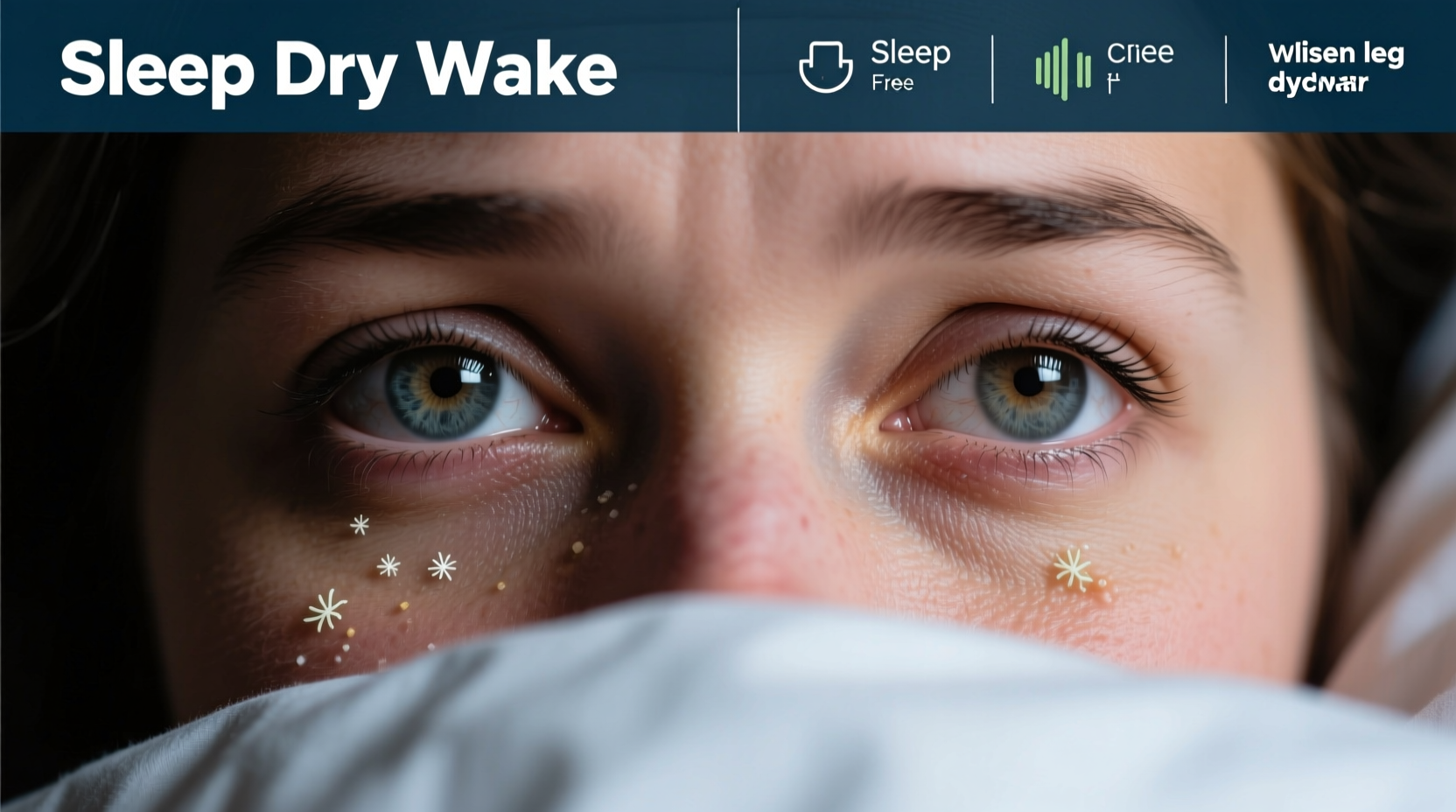
Grittiness in the morning isn’t usually due to one single factor but rather a combination of environmental, medical, and lifestyle influences. Identifying which elements apply to your routine helps narrow down solutions.
- Dry Eye Syndrome: A chronic condition where the eyes don’t produce enough tears or the tears evaporate too quickly. It’s especially common in older adults, contact lens wearers, and those exposed to dry indoor air.
- Nocturnal Lagophthalmos: The inability to fully close the eyelids during sleep. Even a small gap allows air to dry out the cornea overnight, leading to irritation.
- Poor Sleep Hygiene: Inconsistent sleep schedules, blue light exposure before bed, and sleeping in environments with fans or air conditioning can all contribute to dry, tired eyes.
- Screen Overuse Before Bed: Staring at phones, tablets, or computers late into the night reduces blink rate significantly, disrupting natural tear distribution.
- Environmental Irritants: Dust, pet dander, smoke, or low humidity levels in the bedroom can aggravate eye surfaces while you sleep.
- Medications: Antihistamines, decongestants, antidepressants, and some blood pressure medications are known to reduce tear production as a side effect.
These factors often interact. For example, someone who works long hours on screens may already have compromised tear film stability, which worsens if they sleep in a dry room with a ceiling fan blowing overhead.
How Screen Time Impacts Morning Eye Discomfort
Digital screens have become central to work, education, and entertainment, but their impact on eye health is increasingly concerning. The average adult spends over seven hours a day looking at screens, much of it in the evening hours before bedtime.
One major issue is **reduced blink rate**. Studies show that people blink about 50% less when using digital devices compared to normal conversation or reading printed material. Blinking is crucial because each blink refreshes the tear layer, removing debris and maintaining moisture. When blinking becomes infrequent or incomplete (often referred to as “lazy blinking”), the tear film breaks down faster, increasing dryness and grittiness.
Additionally, **blue light exposure** from screens in the evening suppresses melatonin production, delaying sleep onset and reducing overall sleep quality. Poor sleep affects every bodily system—including ocular health. During deep sleep, the eyes undergo repair processes, including cell regeneration and tear replenishment. Disrupted sleep cycles interfere with this restoration, leaving the eyes vulnerable to dryness and inflammation.
“Chronic screen exposure without adequate breaks leads to cumulative strain on the ocular surface. Many patients report morning discomfort directly linked to nighttime device use.” — Dr. Lena Torres, Optometrist and Dry Eye Specialist
Signs Your Screen Habits Are Affecting Your Eyes
- Burning or stinging sensations after screen use
- Blurred vision that clears with blinking
- Heavy eyelids or fatigue by the end of the day
- Increased sensitivity to light
- Redness or mucus buildup in the corners of the eyes
If these symptoms persist, especially upon waking, reassessing your digital habits is critical—not just for eye comfort but for overall well-being.
Sleep Quality and Its Role in Ocular Health
Sleep isn’t just about rest; it’s a regenerative process vital for eye function. During sleep, tear production stabilizes, inflammatory markers decrease, and the corneal epithelium repairs micro-damage accumulated during the day. When sleep is fragmented, shortened, or of poor quality, these recovery mechanisms falter.
People who consistently get less than six hours of sleep per night are more likely to experience dry eye symptoms. Moreover, certain sleep disorders like obstructive sleep apnea (OSA) are associated with higher rates of ocular surface disease. OSA causes intermittent oxygen drops and frequent awakenings, both of which stress the body—including the eyes.
Another overlooked factor is **sleep position**. Sleeping face-down or sideways with one eye pressed against a pillow can block meibomian glands (oil-producing glands in the eyelids), contributing to evaporative dry eye. Additionally, open-mouth breathing during sleep—common in nasal congestion or sleep apnea—increases airflow across the eyes, accelerating tear evaporation even if the eyelids are closed.
| Sleep Factor | Impact on Eyes | Recommended Fix |
|---|---|---|
| Blue light before bed | Delays sleep, reduces tear secretion | Use night mode; avoid screens 1 hour before sleep |
| Fan or AC blowing on face | Increases tear evaporation | Redirect airflow; use humidifier |
| Incomplete eyelid closure | Exposes cornea to air | Tape or moisture goggles; consult specialist |
| Lack of REM sleep | Reduces ocular surface healing | Improve sleep hygiene; treat sleep disorders |
Step-by-Step Guide to Reducing Morning Eye Grittiness
Addressing gritty eyes requires a multi-pronged approach. Follow this timeline to implement sustainable changes over the next 30 days.
- Week 1: Assess and Adjust Evening Habits
- Stop using screens at least one hour before bed.
- Enable blue light filters or wear blue-blocking glasses if screen use is unavoidable.
- Keep your bedroom cool but not dry—consider adding a humidifier.
- Avoid alcohol and caffeine in the evening, as they disrupt sleep architecture.
- Week 2: Optimize Sleep Environment for Eye Comfort
- Check for drafts from fans, vents, or windows near your bed.
- Switch to hypoallergenic pillowcases to reduce dust mite exposure.
- Try sleeping on your back to minimize eyelid pressure.
- Use a warm compress before bed to unclog meibomian glands.
- Week 3: Introduce Targeted Eye Care
- Apply preservative-free artificial tears before bed (e.g., Systane Ultra, Refresh Plus).
- Practice full blinking exercises during the day: close your eyes slowly, hold for two seconds, then reopen.
- Clean eyelids gently with a diluted baby shampoo solution or commercial lid wipes.
- Week 4: Monitor Progress and Seek Professional Help if Needed
- Keep a symptom journal noting severity, timing, and triggers.
- If no improvement, schedule an appointment with an optometrist or ophthalmologist.
- Request tests for dry eye, such as tear breakup time (TBUT) or meibography.
Mini Case Study: Sarah’s Journey to Relief
Sarah, a 34-year-old graphic designer, began experiencing severe morning eye grittiness after transitioning to remote work. She worked 10-hour days on multiple screens and often scrolled through her phone in bed until midnight. Within months, she woke up daily with red, irritated eyes and found herself relying on rewetting drops throughout the day.
After visiting an eye clinic, she was diagnosed with moderate evaporative dry eye and nocturnal lagophthalmos. Her doctor recommended several changes: eliminating screen use after 9 PM, using a bedside humidifier, applying nighttime gel drops, and wearing moisture chamber goggles during sleep. She also started doing daily lid hygiene and took short visual breaks using the 20-20-20 rule (every 20 minutes, look at something 20 feet away for 20 seconds).
Within three weeks, Sarah noticed dramatic improvement. Her eyes felt smoother upon waking, and she no longer needed daytime drops. Most importantly, her sleep quality improved, reinforcing the connection between digital habits, rest, and eye health.
Do’s and Don’ts: Quick Checklist for Grit-Free Mornings
- ✅ Do use a humidifier in your bedroom, especially in winter or dry climates.
- ✅ Do apply preservative-free artificial tears or ointments before bed if advised by your doctor.
- ✅ Do clean your eyelids regularly to prevent gland blockages.
- ✅ Do follow the 20-20-20 rule during screen work.
- ❌ Don’t sleep with ceiling fans or AC units blowing directly on your face.
- ❌ Don’t rub your eyes aggressively in the morning—this worsens inflammation.
- ❌ Don’t ignore persistent symptoms beyond two weeks; seek professional evaluation.
- ❌ Don’t use over-the-counter redness-relief drops nightly—they can cause rebound redness.
Frequently Asked Questions
Can dehydration cause gritty eyes in the morning?
Yes. Chronic mild dehydration reduces overall fluid availability in the body, including tear production. Drinking adequate water throughout the day supports healthy tear volume. However, systemic hydration alone won’t fix evaporative dry eye caused by gland dysfunction.
Are nighttime eye gels better than regular drops?
Nighttime gels or ointments are thicker and provide longer-lasting moisture than liquid drops. They’re ideal for overnight use because they remain on the eye surface longer. However, they may blur vision temporarily, so they should only be used before sleep.
Is it safe to tape my eyelids shut at night?
For people with nocturnal lagophthalmos, gentle medical-grade hypoallergenic tape (like 3M Micropore) can help keep eyelids closed. Apply a small piece horizontally across the outer third of the eyelid. Never force closure if there’s pain or resistance. Consult an eye care provider first to confirm diagnosis and proper technique.
Conclusion: Take Control of Your Morning Eye Comfort
Waking up with gritty eyes doesn’t have to be your new normal. The link between screen habits, sleep quality, and ocular health is well-established—and within your control. Small, consistent changes in your daily routine can yield significant improvements in eye comfort, clarity, and overall well-being.
Start tonight: put the phone down an hour earlier, adjust your bedroom environment, and give your eyes the chance to heal during sleep. If symptoms persist despite lifestyle adjustments, don’t hesitate to seek professional guidance. Your eyes are a window not just to the world, but to your health—protect them with intention and care.




 浙公网安备
33010002000092号
浙公网安备
33010002000092号 浙B2-20120091-4
Comments
No comments yet. Why don't you start the discussion?