
Eyelid twitching—also known as myokymia—is a common, usually harmless condition where the muscles in your eyelid contract involuntarily. These twitches can last from a few seconds to several days, sometimes recurring over weeks. While most cases resolve on their own, persistent or severe twitching may signal underlying stressors or deficiencies. Understanding the causes and knowing how to respond naturally can help you regain comfort and prevent recurrence.
What Causes Eyelid Twitching?
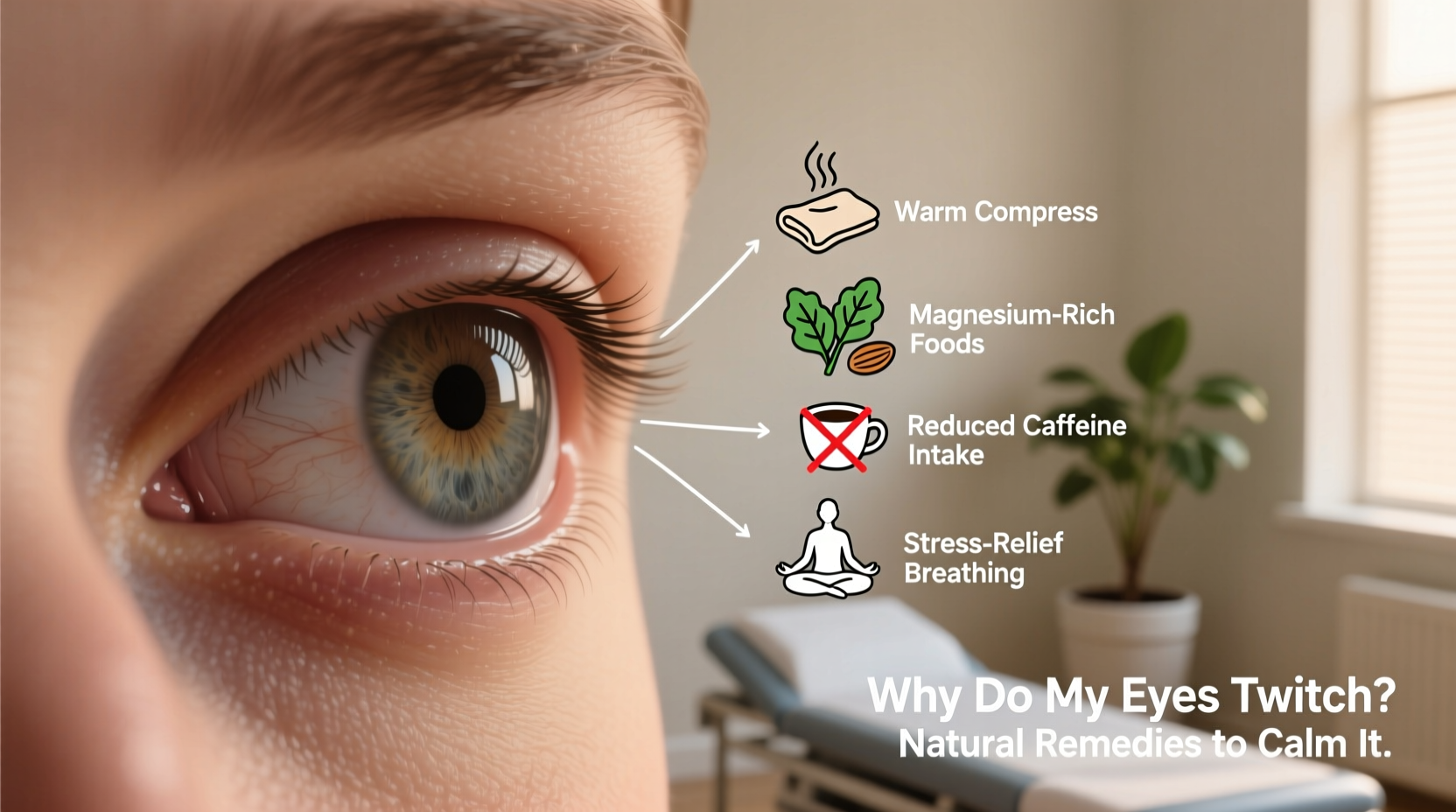
The delicate muscles around the eye are highly sensitive to internal and external stimuli. When they begin to spasm, it’s often your body sending an early warning sign. Common triggers include:
- Stress: Emotional or mental strain increases nerve activity, which can lead to muscle contractions.
- Fatigue: Lack of quality sleep disrupts neurological balance, making twitching more likely.
- Caffeine: Excessive intake stimulates the nervous system and may trigger spasms.
- Dry eyes: Especially common with prolonged screen use, dryness irritates the eye surface and surrounding nerves.
- Nutrient deficiencies: Low levels of magnesium, potassium, or calcium affect muscle regulation.
- Eye strain: Extended focus on digital screens forces the eye muscles to work harder than normal.
- Allergies: Histamine release from allergic reactions can cause itching and twitching.
In rare cases, chronic eyelid spasms could be linked to neurological conditions such as benign essential blepharospasm or hemifacial spasm. However, these typically involve both eyes or other facial muscles and require medical evaluation.
Natural Remedies to Calm Eye Twitching
Most eyelid twitches don’t require medical treatment. Instead, targeted lifestyle adjustments and natural interventions often bring quick relief. Here are evidence-backed methods that support neuromuscular health and reduce irritation.
1. Prioritize Quality Sleep
Sleep is foundational for nervous system recovery. During deep rest, your brain resets neurotransmitter levels and reduces neural hyperactivity. Chronic sleep deprivation has been directly linked to increased muscle fasciculations, including eyelid spasms.
Aim for 7–9 hours per night. Establish a wind-down routine: dim lights an hour before bed, avoid screens, and consider herbal teas like chamomile or passionflower to promote relaxation.
2. Reduce Caffeine and Stimulants
Coffee, energy drinks, and even dark chocolate elevate adrenaline and cortisol, increasing the likelihood of involuntary muscle movements. For individuals prone to twitching, even moderate caffeine (200mg/day) can be enough to trigger symptoms.
Gradually cut back by switching to decaf, herbal tea, or water. Replace afternoon coffee with a short walk or breathing exercise to maintain alertness without stimulation.
3. Apply Warm Compresses
A warm compress improves blood circulation to the eye area and relaxes tense muscles. It also helps unclog oil glands in the eyelids, which can contribute to dryness-related twitching.
- Soak a clean cloth in warm (not hot) water.
- Wring out excess liquid.
- Close your eyes and place the cloth over your eyelids for 5–10 minutes.
- Repeat 2–3 times daily, especially before bedtime.
4. Replenish Key Nutrients
Magnesium is particularly vital for muscle and nerve function. Studies show that magnesium deficiency is associated with neuromuscular irritability, including muscle cramps and twitches.
Other important nutrients include:
- Potassium: Regulates electrical impulses in muscles; found in bananas, sweet potatoes, and spinach.
- Calcium: Works with magnesium for muscle contraction control; sources include dairy, kale, and fortified plant milks.
- Vitamin B12: Supports nerve health; low levels may contribute to neurological symptoms.
“Magnesium plays a critical role in calming overactive nerves. Many patients with recurrent eye twitching see improvement within days of correcting deficiency.” — Dr. Lena Patel, Neurologist & Integrative Medicine Specialist
5. Practice Digital Hygiene
Staring at screens reduces blink rate by up to 60%, leading to dry, irritated eyes. This strain can manifest as twitching, especially in the lower eyelid.
Follow the 20-20-20 rule: every 20 minutes, look at something 20 feet away for at least 20 seconds. Use artificial tears if needed, and adjust screen brightness to match ambient lighting.
Do’s and Don’ts: Managing Eyelid Spasms
| Do’s | Don’ts |
|---|---|
| Get 7+ hours of uninterrupted sleep | Consume more than 200mg of caffeine daily |
| Use warm compresses twice daily | Rub or press on the twitching eyelid |
| Stay hydrated throughout the day | Stare at screens for hours without breaks |
| Eat magnesium-rich foods (nuts, seeds, leafy greens) | Ignore persistent twitching lasting over 3 weeks |
| Practice stress-reduction techniques like meditation | Self-diagnose neurological conditions |
Real-Life Example: How Sarah Resolved Chronic Twitching
Sarah, a 34-year-old graphic designer, began experiencing frequent left eyelid twitching after transitioning to remote work. Initially dismissing it as fatigue, she noticed the spasms worsened over two weeks—lasting longer and occurring multiple times a day.
She started tracking her habits and realized she was drinking three large coffees daily, sleeping fewer than six hours, and working 10-hour stretches in front of her monitor. After consulting a holistic nutritionist, she made key changes:
- Switched to green tea and limited caffeine to one cup before noon.
- Implemented a nightly routine with no screens after 9 PM.
- Began using a warm compress each evening.
- Added pumpkin seeds and spinach to her diet for magnesium.
Within nine days, the twitching stopped. Six months later, she reports only occasional minor flutters during high-stress periods—quickly resolved with a 20-minute walk and deep breathing.
When to See a Doctor
While most eyelid twitches are benign and temporary, certain red flags warrant professional assessment:
- Twitching persists for more than three weeks.
- The eye closes completely during spasms.
- Other facial muscles are affected.
- Redness, swelling, or discharge appears.
- The upper eyelid begins to droop.
In such cases, a neurologist or ophthalmologist may evaluate for conditions like blepharospasm, Bell’s palsy, or cranial nerve compression. Diagnostic tools may include neurological exams or imaging studies.
Step-by-Step Guide to Stopping Eye Twitching Naturally
If you're currently dealing with an active twitch, follow this five-day action plan to restore balance:
- Day 1 – Assess & Adjust: Eliminate caffeine, log your sleep, and begin warm compresses twice daily.
- Day 2 – Hydrate & Nourish: Drink at least 2 liters of water and include one magnesium-rich meal (e.g., avocado and almonds).
- Day 3 – Rest Your Eyes: Follow the 20-20-20 rule strictly. Take two 5-minute outdoor breaks to reset visual focus.
- Day 4 – Manage Stress: Practice diaphragmatic breathing: inhale for 4 counts, hold for 4, exhale for 6. Repeat for 5 minutes, 3x/day.
- Day 5 – Evaluate Progress: Note any reduction in frequency or intensity. If no improvement, consider a blood test for magnesium or vitamin D.
This structured approach addresses root causes systematically, giving your nervous system time to recalibrate.
FAQ: Common Questions About Eye Twitching
Can dehydration cause eye twitching?
Yes. Dehydration affects electrolyte balance, particularly sodium and potassium, which are essential for proper nerve signaling and muscle function. Even mild dehydration can trigger neuromuscular irritability, including eyelid spasms. Drinking adequate water throughout the day often resolves the issue.
Is eye twitching a sign of anxiety?
It can be. Anxiety activates the sympathetic nervous system, increasing muscle tension and nerve firing rates. People with generalized anxiety or panic disorders often report physical symptoms like twitching, especially during flare-ups. Addressing the underlying anxiety through therapy, mindfulness, or lifestyle changes typically reduces these manifestations.
Why does my eye twitch when I’m tired?
Fatigue impairs the brain’s ability to regulate motor signals efficiently. The orbicularis oculi muscle, responsible for blinking and eyelid movement, becomes hypersensitive when the central nervous system is overworked. Rest allows neural pathways to reset, usually ending the spasm.
Conclusion: Listen to What Your Body Is Telling You
An eye twitch might seem trivial, but it’s a meaningful signal from your body—often indicating that something is out of balance. Whether it's too much coffee, not enough sleep, or unmanaged stress, these small spasms invite you to pause and reassess your daily rhythms.
By applying simple, natural strategies—improving sleep, adjusting diet, reducing screen strain, and managing stress—you can often stop twitching in its tracks. More importantly, you build resilience against future episodes. Don’t wait for symptoms to escalate. Start today: put down the coffee, close your eyes, and give yourself the care your nervous system deserves.




 浙公网安备
33010002000092号
浙公网安备
33010002000092号 浙B2-20120091-4
Comments
No comments yet. Why don't you start the discussion?