
Eyelid twitching—also known as myokymia—is a common experience that most people encounter at some point. It typically presents as a subtle, involuntary spasm of the upper or lower eyelid, often lasting just a few seconds or minutes. While usually harmless, persistent or severe twitching can signal underlying health issues. Understanding what triggers these twitches and recognizing when they might indicate something more serious is essential for maintaining both eye comfort and overall well-being.
The muscles around the eye are among the most active in the body, blinking tens of thousands of times per day. When these muscles become fatigued or overstimulated, they may respond with erratic contractions. Most cases resolve on their own, but knowing how to manage contributing factors can help prevent recurrence and avoid escalation.
Common Causes of Eyelid Twitching
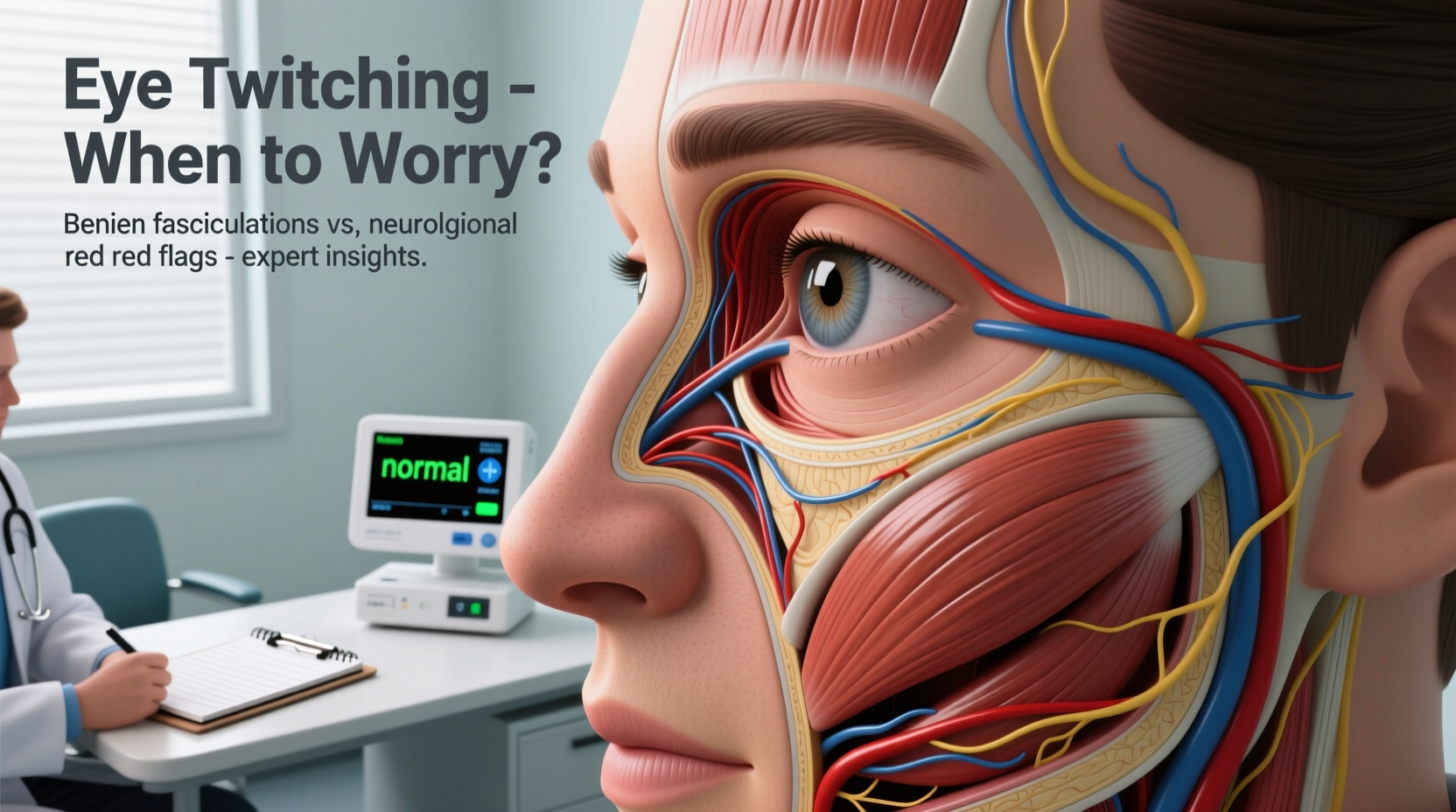
Eyelid spasms are rarely caused by a single factor. Instead, they result from a combination of lifestyle habits, environmental stressors, and physiological conditions. The most frequent contributors include:
- Stress and anxiety: Elevated cortisol levels affect neuromuscular function, increasing muscle irritability.
- Eye strain: Prolonged screen use, especially without breaks, strains the ocular muscles and nerves.
- Caffeine and stimulants: Excessive coffee, energy drinks, or certain medications can overexcite the nervous system.
- Sleep deprivation: Lack of rest impairs nerve regulation and muscle recovery.
- Dry eyes: Insufficient lubrication leads to irritation and compensatory blinking or twitching.
- Nutritional imbalances: Deficiencies in magnesium, potassium, or vitamin B12 may disrupt nerve signaling.
In many cases, addressing one or two of these factors can significantly reduce or eliminate twitching. For example, reducing caffeine intake or implementing the 20-20-20 rule (every 20 minutes, look at something 20 feet away for 20 seconds) during screen work can provide noticeable relief within days.
When Eye Twitching Signals a Medical Condition
While occasional twitching is normal, persistent or worsening spasms may point to neurological or muscular disorders. These conditions are less common but require professional evaluation.
Blepharospasm is a form of focal dystonia characterized by sustained, involuntary contractions of the muscles around both eyes. It often begins subtly but can progress to force the eyelids shut, interfering with vision. This condition is linked to basal ganglia dysfunction and may be associated with Parkinson’s disease or other movement disorders.
Hemifacial spasm involves twitching on one side of the face, including the eyelid, cheek, and mouth. It's frequently caused by compression of the facial nerve by a blood vessel near the brainstem. Unlike benign myokymia, hemifacial spasm doesn’t resolve with rest and tends to worsen over time.
Multiple sclerosis (MS) and other demyelinating diseases can also present with eye twitching due to disrupted nerve signals. In such cases, twitching is often accompanied by other neurological symptoms like double vision, numbness, or balance issues.
“Persistent unilateral eyelid twitching that spreads to other facial areas warrants neuroimaging to rule out structural causes like vascular compression.” — Dr. Lena Torres, Neuro-Ophthalmologist, Johns Hopkins Medicine
Red Flags That Require Medical Attention
Not all eye twitching needs immediate care, but certain signs suggest it’s time to consult a healthcare provider:
- Twitching lasts longer than three weeks without improvement
- Spasms cause the eyelid to close completely
- Other facial muscles are involved (e.g., mouth or cheek)
- Redness, swelling, or discharge from the eye
- Drooping eyelid (ptosis)
- Symptoms affect both eyes simultaneously and severely
If any of these occur, a visit to an ophthalmologist or neurologist is recommended. Diagnostic tools such as MRI, EMG (electromyography), or blood tests may be used to determine the underlying cause.
Preventive Strategies and Lifestyle Adjustments
Most eyelid twitches are preventable with consistent self-care. The key lies in managing daily habits that influence nervous system stability and ocular health.
Optimize Sleep Hygiene
Sleep is critical for neural repair. Chronic sleep disruption alters neurotransmitter balance, making muscles more prone to spasms. Aim for 7–9 hours of uninterrupted sleep nightly. Establish a routine: dim lights an hour before bed, avoid screens, and maintain a cool, quiet bedroom environment.
Manage Screen Time and Digital Eye Strain
Digital devices emit blue light and demand intense focus, leading to reduced blink rates and dry, tired eyes. Follow ergonomic best practices:
- Position screens at arm’s length and slightly below eye level
- Use blue light filters or computer glasses
- Take regular breaks using the 20-20-20 rule
- Adjust brightness to match ambient lighting
Balanced Nutrition for Nerve Health
Magnesium deficiency is strongly linked to muscle twitching. This mineral regulates calcium and potassium flow across nerve membranes, helping control electrical impulses. Good dietary sources include spinach, almonds, avocado, black beans, and dark chocolate. If dietary intake is insufficient, supplementation under medical guidance may help.
Vitamin B12 supports myelin sheath integrity. Deficiency, common in vegetarians or those with gastrointestinal disorders, can lead to neurological symptoms including twitching. Consider testing if fatigue, tingling, or memory issues accompany the spasms.
Step-by-Step Guide to Reducing Eyelid Twitching
Follow this five-day plan to identify and address the root cause of your eye twitching:
- Day 1: Track Triggers – Record caffeine intake, sleep duration, screen time, and stress levels. Note when twitching occurs.
- Day 2: Reduce Stimulants – Cut caffeine by half. Replace afternoon coffee with herbal tea or water.
- Day 3: Improve Sleep – Go to bed 30 minutes earlier. Avoid phones and bright lights after 9 PM.
- Day 4: Implement Eye Breaks – Set hourly reminders to close your eyes for 30 seconds or perform gentle palming (cupping hands over closed eyes).
- Day 5: Evaluate Progress – Review your log. If twitching has decreased, continue the regimen. If not, consider nutritional supplements or consult a doctor.
This structured approach helps isolate variables and empowers you to take control of your symptoms through actionable steps.
Do’s and Don’ts: Managing Eye Twitching
| Do’s | Don’ts |
|---|---|
| Stay hydrated throughout the day | Consume more than 400mg of caffeine daily (about 4 cups of coffee) |
| Apply a warm compress to relax eye muscles | Rub your eyes aggressively, which can increase irritation |
| Practice stress-reduction techniques like deep breathing or meditation | Ignore persistent twitching lasting beyond three weeks |
| Use artificial tears if you have dry eyes | Work long hours without taking visual breaks |
| Get a comprehensive eye exam annually | Self-diagnose neurological conditions based on internet searches |
Real-Life Example: A Case of Chronic Twitching
Sarah, a 34-year-old software developer, began experiencing frequent left-eye twitching after transitioning to remote work. Initially dismissing it as fatigue, she noticed the spasms intensified over six weeks, eventually causing her eyelid to flutter visibly during meetings. She also reported dryness and blurred vision by midday.
After tracking her habits, Sarah realized she was drinking four energy drinks daily, sleeping fewer than six hours, and working 10-hour stretches without proper breaks. Her ophthalmologist diagnosed digital eye strain and mild dry eye syndrome. She was advised to eliminate energy drinks, adopt the 20-20-20 rule, use preservative-free artificial tears, and increase sleep to seven hours.
Within ten days, her twitching subsided. By month’s end, it had stopped entirely. Sarah now schedules screen breaks and keeps a hydration bottle at her desk—a small change that made a significant difference.
Frequently Asked Questions
Can lack of sleep really cause my eye to twitch?
Yes. Sleep deprivation disrupts the central nervous system’s ability to regulate muscle activity. During deep sleep, the body repairs neural pathways and restores neurotransmitter balance. Without adequate rest, muscles—including those in the eyelid—can misfire, leading to twitching. Prioritizing consistent, quality sleep often resolves the issue.
Is eye twitching a sign of a stroke?
Isolated eyelid twitching is not a typical sign of stroke. Strokes usually present with sudden, severe symptoms such as facial drooping (especially on one side), slurred speech, arm weakness, confusion, or difficulty walking. However, if twitching is accompanied by any of these neurological changes, seek emergency care immediately.
Are children affected by eye twitching too?
Yes, children can experience eyelid spasms, often due to fatigue, eye strain from screens, or tic disorders. Benign tics are common in school-aged kids and may come and go. If twitching persists, spreads, or interferes with daily life, a pediatric neurologist should evaluate the child to rule out Tourette syndrome or other conditions.
Conclusion: Know Your Body, Trust Your Instincts
Eyelid twitching is usually a temporary annoyance rooted in lifestyle factors like stress, poor sleep, or excessive screen exposure. With mindful adjustments—reducing caffeine, improving sleep hygiene, and protecting your eyes from strain—most people can stop the twitch before it becomes disruptive.
However, when spasms persist, worsen, or are accompanied by other symptoms, they should not be ignored. The nervous system communicates through subtle cues, and chronic twitching may be its way of signaling imbalance or underlying pathology. Early consultation with a specialist can prevent complications and ensure accurate diagnosis.
Your eyes are a window not just to the world, but to your health. Pay attention to what they’re telling you. Small changes today can preserve both comfort and clarity for years to come.




 浙公网安备
33010002000092号
浙公网安备
33010002000092号 浙B2-20120091-4
Comments
No comments yet. Why don't you start the discussion?