
Foul-smelling gas is a universal experience, but when your flatulence carries the unmistakable scent of rotten eggs, it can be more than just embarrassing—it might signal something deeper about your digestive system. The sulfuric odor comes primarily from hydrogen sulfide, a gas produced during the breakdown of certain foods in the gut. While occasional smelly gas is normal, persistent egg-like odors may point to dietary imbalances, food intolerances, or underlying gastrointestinal conditions. Understanding the root causes and knowing how to respond can help you regain comfort and confidence.
The Science Behind Smelly Gas
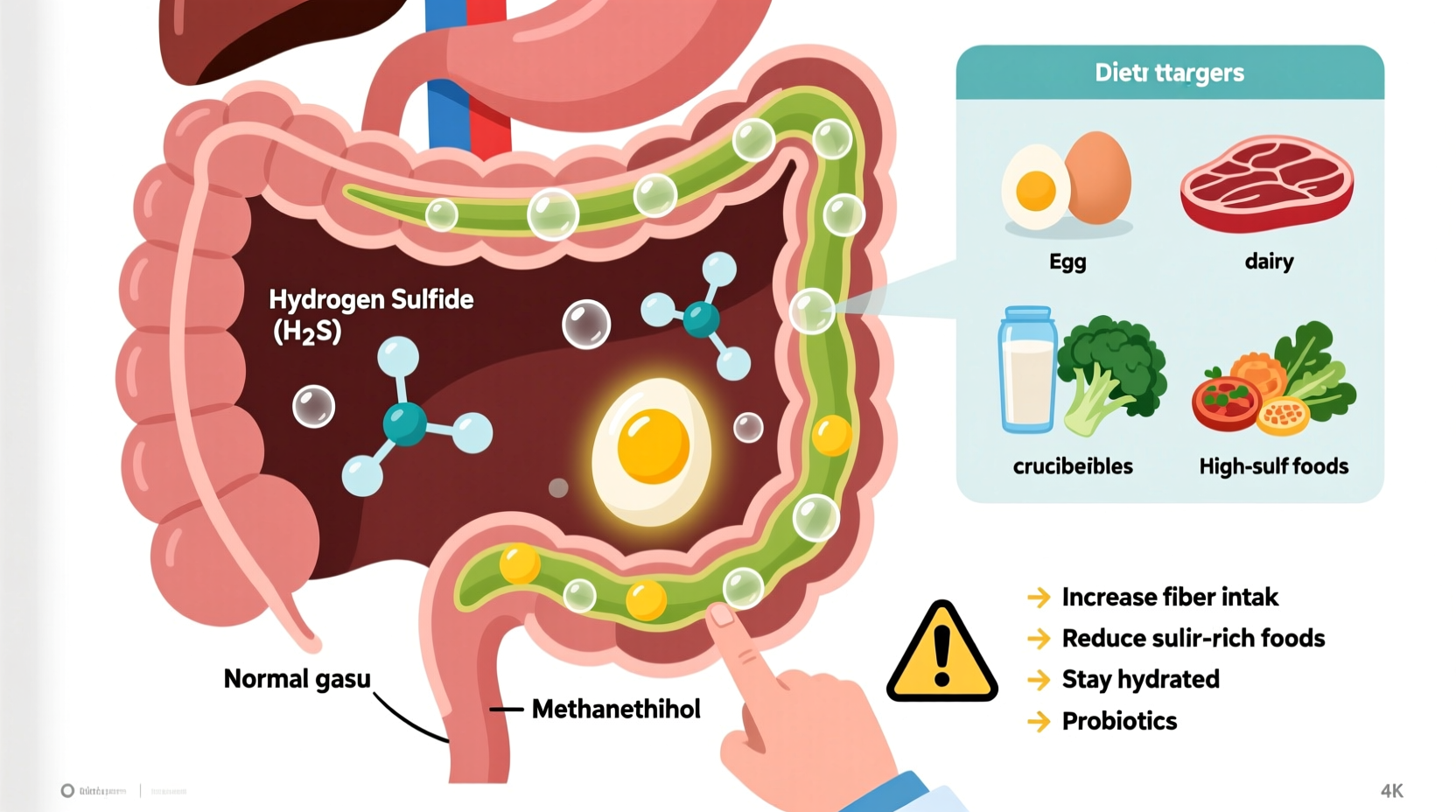
Flatulence is a natural byproduct of digestion. As food travels through the intestines, gut bacteria ferment undigested carbohydrates and proteins, releasing gases such as methane, carbon dioxide, nitrogen, and hydrogen. When sulfur-containing compounds are broken down—especially from high-protein or cruciferous foods—the result is hydrogen sulfide, which emits a strong rotten egg smell.
The concentration of sulfur determines the intensity of the odor. Most people pass gas 10 to 20 times per day, and only about 1% of that volume is responsible for the smell. However, even small amounts of hydrogen sulfide are highly detectable due to the human nose’s sensitivity to sulfur compounds.
“Hydrogen sulfide is one of the most pungent gases produced in the gut. While low levels are normal, consistently foul-smelling flatus often reflects diet composition or microbial imbalance.” — Dr. Lena Torres, Gastroenterology Researcher, Johns Hopkins Digestive Institute
Common Dietary Causes of Sulfur-Smelling Farts
Your diet plays the biggest role in determining how your gas smells. Foods rich in sulfur-containing amino acids—particularly methionine and cysteine—are the primary culprits. These are found in high concentrations in both animal and plant-based proteins.
Key offenders include:
- Eggs (especially yolks)
- Red meat, poultry, and pork
- Dairy products like cheese and milk
- Cruciferous vegetables: broccoli, cauliflower, cabbage, Brussels sprouts
- Alliums: garlic, onions, leeks
- Protein supplements, especially whey-based powders
- Beverages with sulfur-rich additives or preservatives
These foods feed specific gut bacteria that thrive on sulfur, increasing hydrogen sulfide production. For example, a study published in *Gut Microbes* (2021) found that individuals consuming high-animal-protein diets had significantly higher levels of sulfate-reducing bacteria like *Desulfovibrio*, directly correlating with increased malodorous gas.
Medical and Digestive Conditions Linked to Rotten Egg Smell
While diet is the most common cause, chronic sulfur-smelling flatulence may indicate an underlying condition. Persistent symptoms—especially when accompanied by bloating, diarrhea, constipation, or abdominal pain—should not be ignored.
| Condition | How It Affects Gas Smell | Other Symptoms |
|---|---|---|
| Lactose Intolerance | Undigested lactose ferments in colon, producing foul gas | Bloating, cramps, diarrhea after dairy |
| Irritable Bowel Syndrome (IBS) | Altered gut motility increases fermentation time and gas production | Abdominal pain, irregular bowel habits |
| Small Intestinal Bacterial Overgrowth (SIBO) | Excess bacteria in small intestine break down food prematurely | Bloating, weight loss, nutrient deficiencies |
| Gastroenteritis or Infection | Pathogens like *Giardia* or *H. pylori* disrupt digestion | Nausea, vomiting, greasy stools |
| Celiac Disease | Gluten damages intestinal lining, impairing digestion | Fatigue, anemia, chronic diarrhea |
If changes in diet don’t resolve the issue within two weeks, or if additional symptoms arise, consult a healthcare provider. Diagnostic tests such as breath tests for SIBO, stool analysis, or blood work for celiac disease may be necessary.
Step-by-Step Guide to Reducing Smelly Gas
Addressing sulfur-smelling flatulence involves a combination of dietary adjustments, lifestyle changes, and, when needed, medical evaluation. Follow this timeline to identify and correct the issue:
- Days 1–3: Track Your Diet – Record everything you eat and drink, along with gas frequency and odor. Note any patterns.
- Days 4–7: Eliminate Top Sulfur Foods – Temporarily cut out eggs, red meat, cruciferous veggies, and dairy. Replace with low-sulfur options like rice, bananas, carrots, and lean poultry in moderation.
- Week 2: Reintroduce One Food at a Time – Add back one eliminated food every 2–3 days to test tolerance. Observe symptom response.
- Week 3: Optimize Gut Health – Incorporate probiotic-rich foods (kefir, sauerkraut, kimchi) and prebiotic fibers (oats, asparagus, apples) to balance gut flora.
- Week 4: Evaluate and Adjust – If symptoms persist despite dietary changes, schedule a consultation with a gastroenterologist.
Real-Life Example: Sarah’s Experience with Chronic Gas
Sarah, a 34-year-old office manager, noticed her flatulence had become overwhelmingly foul over several months. Despite eating what she believed was a healthy diet—loaded with broccoli, eggs, and protein shakes—she struggled with social anxiety due to the odor. After tracking her meals, she realized she consumed over 100g of protein daily, mostly from whey and eggs.
She followed a modified elimination plan, reducing animal protein and cruciferous vegetables. Within 10 days, her symptoms improved dramatically. A subsequent breath test revealed mild SIBO, which was treated with a short course of antibiotics and ongoing probiotics. Today, Sarah manages her diet carefully and reports feeling “liberated” from constant embarrassment.
Do’s and Don’ts: Managing Sulfur-Rich Flatulence
| Do | Don’t |
|---|---|
| Drink plenty of water to aid digestion | Ignore persistent symptoms lasting more than 3 weeks |
| Eat slowly to reduce swallowed air and improve digestion | Consume large portions of red meat and eggs daily |
| Try over-the-counter simethicone or charcoal tablets for temporary relief | Self-diagnose serious conditions like IBS or celiac without testing |
| Include fermented foods to support healthy gut bacteria | Smoke or chew gum frequently (increases swallowed air and alters gut flow) |
FAQ
Is it normal for farts to smell like rotten eggs occasionally?
Yes. Occasional sulfur-smelling gas is completely normal, especially after eating eggs, meat, or broccoli. The key is frequency and accompanying symptoms. If it happens rarely and resolves quickly, it’s likely diet-related and not a concern.
Can probiotics help reduce smelly gas?
Yes, but the effect depends on the strain. Probiotics like *Lactobacillus acidophilus* and *Bifidobacterium infantis* may help rebalance gut bacteria and reduce hydrogen sulfide production. However, some people initially experience increased gas when starting probiotics, so introduce them gradually.
Are smelly farts a sign of cancer?
No, smelly gas alone is not a sign of colon cancer. However, if foul gas is paired with unexplained weight loss, blood in stool, persistent changes in bowel habits, or severe abdominal pain, see a doctor promptly to rule out serious conditions.
Final Thoughts and Action Steps
The smell of your gas is more than a quirky bodily function—it’s a window into your digestive health. While sulfur-rich foods are the usual suspects behind egg-like odors, long-term issues may require deeper investigation. Most cases can be managed with mindful eating, hydration, and gut-supportive habits.
You don’t have to live with embarrassment or discomfort. Start today: review your last few meals, consider reducing high-sulfur foods, and pay attention to how your body responds. Small changes can lead to significant improvements in both digestive wellness and quality of life.




 浙公网安备
33010002000092号
浙公网安备
33010002000092号 浙B2-20120091-4
Comments
No comments yet. Why don't you start the discussion?