
Foot odor that resembles aged cheese—sharp, pungent, and stubbornly persistent—is more common than you might think. Even with daily showers and clean socks, some people struggle with a lingering smell that seems impossible to eliminate. The issue isn’t poor hygiene alone; it’s often a complex interplay of bacteria, sweat chemistry, footwear choices, and lifestyle habits. Understanding the root causes is the first step toward lasting relief. This guide dives into the science behind cheesy-smelling feet, debunks common myths, and delivers actionable, long-term solutions.
The Science Behind Cheesy Foot Odor
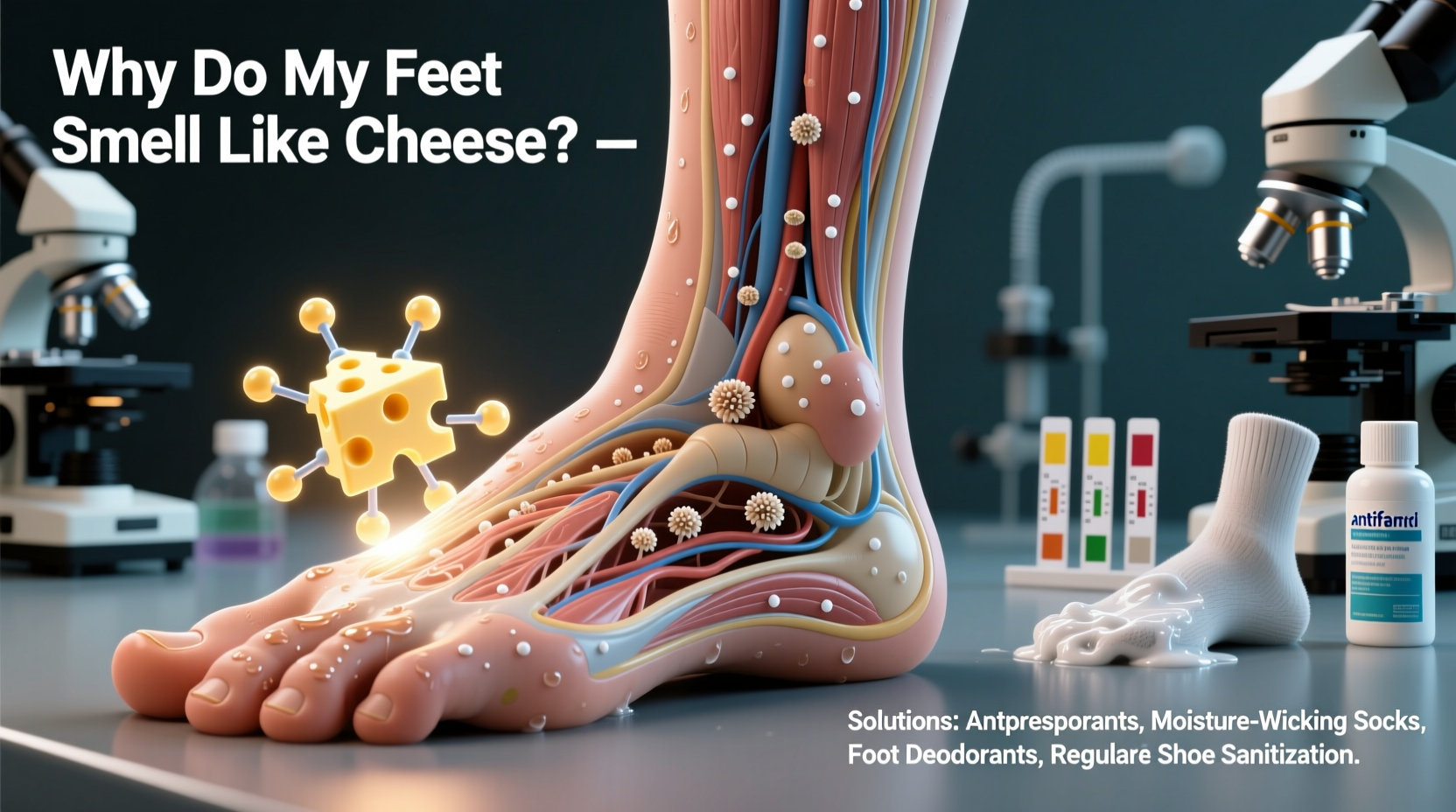
Your feet contain over 250,000 sweat glands—more per square inch than any other part of the body. While sweat itself is mostly odorless, it creates the perfect environment for bacteria to thrive. The primary culprits are *Brevibacterium linens*, a type of bacteria also used in the production of Limburger and other washed-rind cheeses. These microbes feed on dead skin cells and break down proteins in sweat, releasing volatile sulfur compounds and organic acids that produce a distinctly cheesy or ammonia-like smell.
Unlike underarm odor, which is often caused by different bacterial strains, foot odor linked to *Brevibacterium* is particularly hard to mask because it mimics fermented dairy aromas. This explains why antiperspirants or regular soap may not fully resolve the issue—they don’t target the specific microbial ecosystem on your feet.
“Bacteria like *Brevibacterium* thrive in warm, moist environments and are naturally present on human skin. When conditions favor their overgrowth, they produce metabolites identical to those found in strong cheeses.” — Dr. Lena Torres, Microbiologist and Dermatology Researcher
Why Washing Isn’t Enough
Many assume that simply scrubbing their feet daily should eliminate odor. But if the smell returns within hours, the problem lies deeper than surface cleanliness. Here’s why standard washing falls short:
- Incomplete drying: Moisture trapped between toes or in shoe linings allows bacteria to regrow rapidly.
- Bacterial biofilms: Some microbes form protective layers on the skin that resist soap and water.
- Footwear contamination: Shoes absorb bacteria and sweat, becoming reservoirs of odor even when feet are clean.
- Sweat composition: Individual differences in sweat pH and salt content can make some people more prone to odor-producing bacterial activity.
Step-by-Step Guide to Eliminate Foot Odor for Good
Lasting results require a consistent, multi-pronged approach. Follow this 7-day reset plan to reset your foot microbiome and prevent recurrence.
- Day 1–2: Deep Clean and Exfoliate
Soak feet in warm water with ½ cup of apple cider vinegar or ¼ cup of baking soda for 20 minutes. Use a pumice stone to gently exfoliate dead skin, especially around heels and between toes. Rinse and dry completely. - Day 3: Disinfect Footwear
Remove insoles and spray insides with a mixture of 70% isopropyl alcohol and water (1:1 ratio). Let shoes air-dry in sunlight for at least 6 hours. Rotate out all leather or synthetic shoes that lack breathability. - Day 4: Apply Antimicrobial Treatment
After showering, apply an over-the-counter antibacterial gel containing chlorhexidine or benzoyl peroxide to soles and between toes. Let dry before putting on socks. - Day 5: Introduce Probiotic Balance
Use a foot powder with beneficial bacteria (e.g., *Staphylococcus epidermidis*) to crowd out odor-causing strains. This helps restore microbial balance without killing all bacteria—a key factor in long-term control. - Day 6: Wear Natural Fiber Socks
Switch to moisture-wicking socks made from merino wool or bamboo. Avoid cotton, which absorbs sweat but dries slowly, creating a damp environment. - Day 7: Evaluate and Adjust
Assess odor levels and foot comfort. If improvement is minimal, consider using prescription-strength aluminum chloride solution (e.g., Drysol) under dermatological guidance.
Do’s and Don’ts: Foot Care Habits That Make a Difference
| Do’s | Don’ts |
|---|---|
| Wear open-toed sandals occasionally to allow airflow | Wear the same pair of shoes two days in a row |
| Change socks midday if feet sweat heavily | Use scented sprays to mask odor instead of treating the cause |
| Wash socks in hot water (60°C/140°F) to kill bacteria | Share towels, socks, or nail tools with others |
| Apply antifungal powder weekly, even without symptoms | Ignore signs of fungal infection like peeling or itching |
| Trim toenails straight across to prevent debris buildup | Walk barefoot in public showers or locker rooms |
Real-Life Example: How Mark Reduced His Foot Odor in Two Weeks
Mark, a 34-year-old software developer, struggled with foot odor despite showering twice daily. His wife complained about the smell spreading through their bedroom, and he avoided removing his shoes even at home. He tried foot soaks, medicated powders, and expensive insoles—all with temporary results.
After consulting a podiatrist, Mark learned his synthetic running shoes were trapping moisture and his cotton socks weren’t wicking sweat. He followed the 7-day protocol above and made three key changes:
- Switched to merino wool socks
- Began rotating three pairs of breathable mesh sneakers
- Used a vinegar soak twice weekly
Within 10 days, the cheese-like smell diminished significantly. By day 14, his wife confirmed she no longer noticed any odor. Mark now maintains the routine with weekly soaks and monthly shoe disinfection.
Long-Term Prevention Checklist
To keep foot odor at bay permanently, integrate these habits into your routine:
- ✅ Rotate at least 3 pairs of shoes to allow each 48 hours to air out
- ✅ Wash feet daily with antibacterial soap (e.g., Dial Gold)
- ✅ Dry feet thoroughly, especially between toes
- ✅ Replace insoles every 3–6 months or use antimicrobial inserts
- ✅ Use tea tree oil foot spray daily (natural antifungal)
- ✅ Soak feet in black tea (tannins reduce sweating) once a week
- ✅ Get fitted for custom orthotics if you overpronate (reduces friction and sweat)
Frequently Asked Questions
Can diet affect foot odor?
Yes. Foods high in sulfur—such as garlic, onions, red meat, and cruciferous vegetables—can increase the potency of body odor, including feet. Alcohol and spicy foods may also stimulate sweat production. Reducing intake of these items for two weeks can help determine if diet plays a role.
Is smelly feet a sign of a medical condition?
Persistent foot odor can sometimes indicate underlying issues such as hyperhidrosis (excessive sweating), fungal infections (athlete’s foot), or metabolic disorders like trimethylaminuria (“fish odor syndrome”). If odor is accompanied by discoloration, scaling, or excessive wetness, consult a dermatologist or podiatrist.
Are there prescription treatments for severe foot odor?
Yes. For cases resistant to over-the-counter methods, doctors may prescribe topical clindamycin solution, oral antibiotics (short-term), or clinical-strength antiperspirants with 10–20% aluminum chloride. Iontophoresis—a treatment using mild electrical currents to reduce sweating—is also effective for chronic hyperhidrosis.
Expert Insight: The Role of Footwear Materials
The material of your shoes directly impacts bacterial growth. Synthetic linings trap moisture and heat, while natural materials like leather, canvas, and cork allow airflow. A 2022 study published in the *Journal of Applied Microbiology* found that participants wearing leather-lined shoes had 68% lower levels of *Brevibacterium* compared to those in synthetic sneakers after five days of continuous wear.
“Choosing breathable footwear isn’t just about comfort—it’s microbiological prevention. Every time you wear non-breathable shoes, you’re essentially incubating bacteria.” — Dr. Rajiv Mehta, Podiatrist and Foot Health Specialist
Conclusion: Take Control of Your Foot Health
Cheesy-smelling feet aren’t a life sentence. They’re a signal from your body that your foot environment is out of balance. With targeted hygiene, smarter footwear choices, and consistent care, you can stop the odor at its source—not just cover it up. The key is persistence: what works in the short term may need refinement over time as your skin’s microbiome adjusts.
Start today by auditing your shoes, upgrading your socks, and committing to thorough drying. Small changes compound into lasting results. You deserve confidence in every step you take—without worrying about what your feet leave behind.




 浙公网安备
33010002000092号
浙公网安备
33010002000092号 浙B2-20120091-4
Comments
No comments yet. Why don't you start the discussion?