
By late afternoon or evening, many people notice their shoes feel tighter, socks leave deep marks around the ankles, or their feet look puffier than they did in the morning. This is often dismissed as just another consequence of standing too long or walking all day. While mild foot swelling after prolonged activity is common, it’s not always harmless. Understanding the difference between normal fluid retention and a symptom of an underlying condition can help you make informed decisions about your health.
Swelling in the feet and ankles—medically known as peripheral edema—is caused by excess fluid collecting in the tissues. It can stem from something as simple as gravity pulling fluid downward during the day to more serious issues like heart, kidney, or liver disease. Recognizing the patterns, triggers, and warning signs helps determine whether it's time to rest your feet or consult a healthcare provider.
What Causes Feet to Swell After a Long Day?
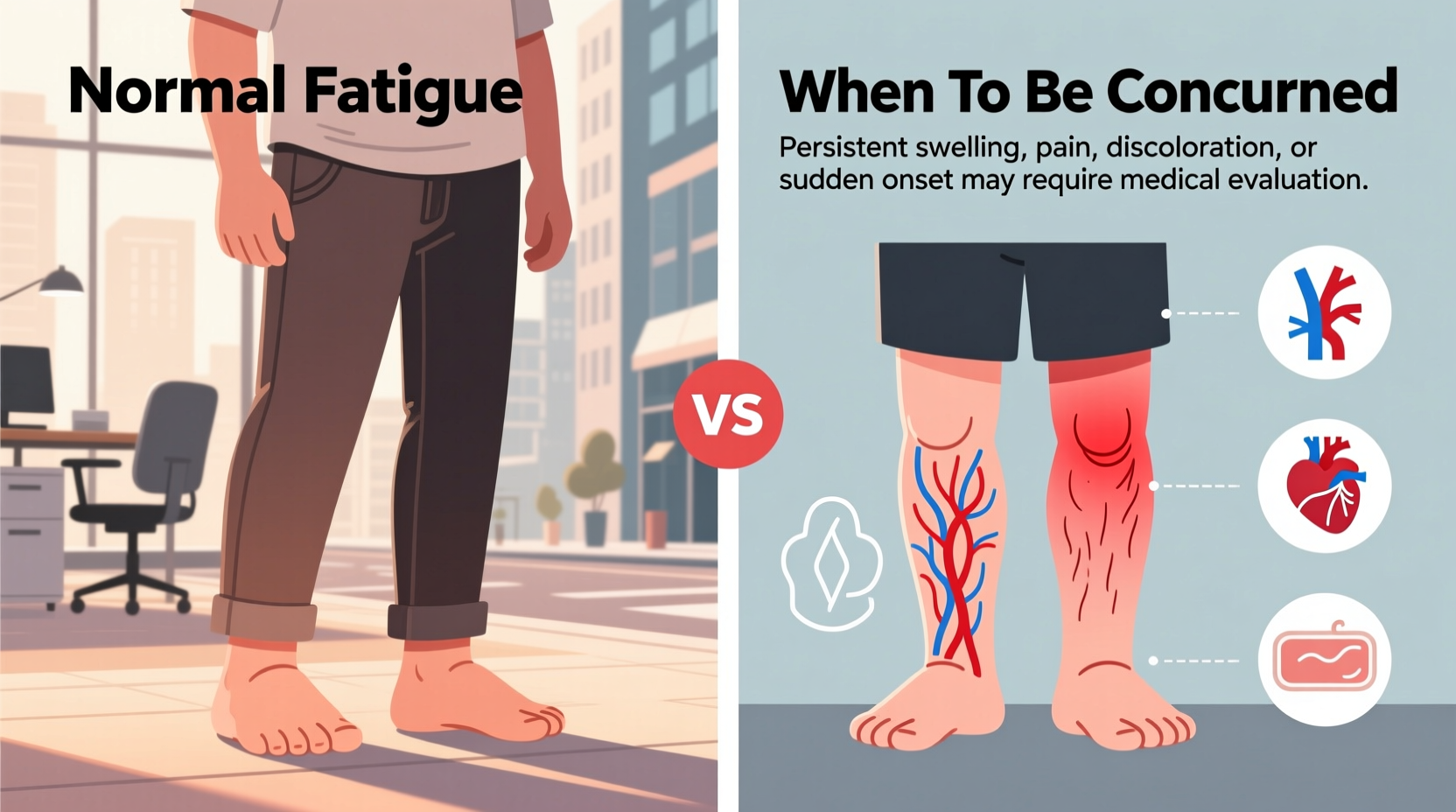
The most common reason for end-of-day foot swelling is dependent edema, where fluid accumulates in the lower extremities due to prolonged standing or sitting. When you're upright, gravity naturally pulls blood and interstitial fluid into the legs and feet. The circulatory and lymphatic systems work continuously to return this fluid to the heart, but sometimes they fall behind—especially after long periods without movement.
This type of swelling is typically symmetrical (affecting both feet equally), mild, and improves with elevation or rest. It’s often worse in hot weather or during travel, such as long flights or car rides, when circulation slows.
Other non-serious contributors include:
- Diet high in sodium: Excess salt causes the body to retain water.
- Pregnancy: Hormonal changes and increased blood volume lead to fluid retention.
- Menstrual cycle: Hormonal fluctuations before menstruation can cause temporary swelling.
- Medications: Certain blood pressure drugs, NSAIDs, steroids, and antidepressants may list edema as a side effect.
- Age-related changes: Veins lose elasticity over time, reducing their ability to efficiently pump blood back to the heart.
When Is Foot Swelling More Than Just Fatigue?
While occasional puffiness is normal, certain characteristics suggest the swelling may signal a deeper health issue. The key is recognizing red flags that go beyond typical end-of-day discomfort.
Serious causes of foot swelling include:
Heart Failure
When the heart doesn’t pump effectively, blood backs up in the veins, increasing pressure and forcing fluid into surrounding tissues. This often leads to bilateral leg swelling that worsens throughout the day and may be accompanied by shortness of breath, fatigue, and difficulty lying flat.
Kidney Disease
The kidneys regulate fluid and sodium balance. Impaired kidney function results in fluid buildup, often seen first in the feet and ankles but also in the hands and face. Swelling from kidney issues tends to be pitting (leaves an indentation when pressed) and may come with changes in urination, fatigue, or frothy urine.
Liver Cirrhosis
Advanced liver disease reduces protein production (especially albumin), which affects osmotic pressure in the blood vessels. This allows fluid to leak into tissues, causing ascites (abdominal swelling) along with lower limb edema.
Deep Vein Thrombosis (DVT)
A blood clot in a deep leg vein causes sudden, often one-sided swelling, warmth, redness, and pain. This is a medical emergency because the clot can travel to the lungs (pulmonary embolism).
Lymphedema
Damage or blockage in the lymphatic system—common after surgery, radiation, or infection—leads to chronic, progressive swelling, usually in one leg. The skin may become thickened and fibrotic over time.
“Persistent or asymmetric swelling should never be ignored. It could be the earliest sign of cardiovascular or renal disease.” — Dr. Alan Reyes, Internal Medicine Specialist
Do’s and Don’ts: Managing Daily Foot Swelling
| Do’s | Don’ts |
|---|---|
| Elevate your feet above heart level for 20–30 minutes several times a day | Stand or sit still for hours without moving |
| Stay hydrated to help your body flush excess sodium | Consume processed foods high in salt |
| Wear compression socks if recommended by a doctor | Ignore unilateral swelling (one foot much larger than the other) |
| Exercise regularly to improve circulation | Tighten shoes or wear constrictive footwear |
| Monitor symptoms and keep a log of swelling patterns | Self-diagnose or delay seeing a doctor if swelling persists |
Mini Case Study: Sarah’s Warning Sign
Sarah, a 58-year-old office worker, noticed her ankles were swollen every evening for several weeks. She assumed it was due to her desk job and wore looser shoes. But then she began feeling short of breath climbing stairs and woke up at night coughing. Concerned, she visited her primary care physician. Tests revealed mild heart failure. With medication and lifestyle changes—including reduced salt intake, daily walks, and leg elevation—her swelling improved significantly within two weeks.
Sarah’s story illustrates how seemingly routine swelling can mask a serious condition. Her early intervention prevented further complications. Had she dismissed the symptoms entirely, her condition might have worsened silently.
Step-by-Step Guide to Assessing Your Foot Swelling
If you're unsure whether your swelling is normal or concerning, follow this practical timeline to evaluate and respond appropriately:
- Day 1–3: Observe and Record
Check your feet each morning and evening. Note size, tightness of socks, presence of indentations, and any pain. Take photos if needed. - Day 4–7: Modify Lifestyle Factors
Reduce salt intake, increase water consumption, elevate legs after work, and take short walking breaks every hour if sedentary. - Day 8: Reassess
If swelling resolves or significantly improves with these changes, it was likely due to lifestyle factors. Continue preventive habits. - If No Improvement by Day 10: Schedule a visit with your doctor. Mention medications, medical history, and family conditions like heart or kidney disease.
- Seek Immediate Care If: You experience chest pain, sudden shortness of breath, one leg significantly larger than the other, fever, or skin discoloration.
FAQ: Common Questions About Foot Swelling
Is it normal for my feet to swell every day?
Mild swelling after prolonged standing or sitting is common, especially in warm climates or during travel. However, daily swelling that doesn’t resolve with rest or elevation should be evaluated. Consistent edema is not considered “normal” and may reflect circulatory, cardiac, or renal issues.
Can drinking more water help reduce swelling?
Yes. Dehydration signals the body to retain fluid, worsening edema. Staying well-hydrated supports kidney function and helps flush out excess sodium, which contributes to water retention. Aim for 6–8 glasses of water daily unless restricted for medical reasons.
Why does my foot swelling only affect one side?
Unilateral swelling is a major red flag. It may indicate deep vein thrombosis, lymphatic obstruction, infection, or injury. Unlike systemic causes (like heart failure), which usually affect both legs, one-sided swelling requires prompt medical evaluation to rule out dangerous conditions.
Prevention Checklist: Reduce Your Risk of Daily Swelling
Use this checklist to minimize swelling and support healthy circulation:
- ✅ Limit processed and packaged foods high in sodium
- ✅ Walk for at least 20–30 minutes daily
- ✅ Elevate legs when sitting (use a ottoman or footrest)
- ✅ Avoid crossing legs while seated—it restricts blood flow
- ✅ Wear supportive, well-fitted shoes; avoid high heels for long periods
- ✅ Stay hydrated throughout the day
- ✅ Consider graduated compression socks if on your feet all day
- ✅ Monitor weight and blood pressure regularly
- ✅ Review medications with your doctor for possible edema-causing side effects
- ✅ Avoid alcohol and smoking, which impair circulation and organ function
Conclusion: Listen to Your Body, Act Before It Escalates
Foot swelling at the end of the day is common, but it shouldn’t be automatically accepted as inevitable. Your body uses swelling as a signal—sometimes subtle, sometimes urgent. Distinguishing between normal fatigue-related puffiness and a symptom of something more serious comes down to pattern, persistence, and associated symptoms.
You don’t need to panic over mild, reversible swelling. But if it lingers, worsens, or appears with other warning signs, don’t wait. Early detection of heart, kidney, or vascular conditions makes all the difference in treatment outcomes. Simple lifestyle adjustments can prevent minor issues from progressing, while timely medical care can manage more complex causes effectively.




 浙公网安备
33010002000092号
浙公网安备
33010002000092号 浙B2-20120091-4
Comments
No comments yet. Why don't you start the discussion?