
Swollen feet by the end of the day are more than just a minor discomfort—they can signal underlying health patterns or lifestyle habits that need attention. While occasional puffiness may seem harmless, persistent evening edema (fluid retention) in the feet and ankles is a common complaint among adults, especially those with sedentary routines, prolonged standing, or age-related circulatory changes. Understanding the root causes and making targeted lifestyle adjustments can significantly reduce swelling and improve overall well-being.
Edema occurs when excess fluid becomes trapped in the body’s tissues, most commonly in the lower extremities due to gravity. The condition is not always a sign of serious illness, but it should not be ignored. Addressing it early with simple yet effective changes can prevent complications and restore comfort.
Common Causes of Evening Foot Swelling
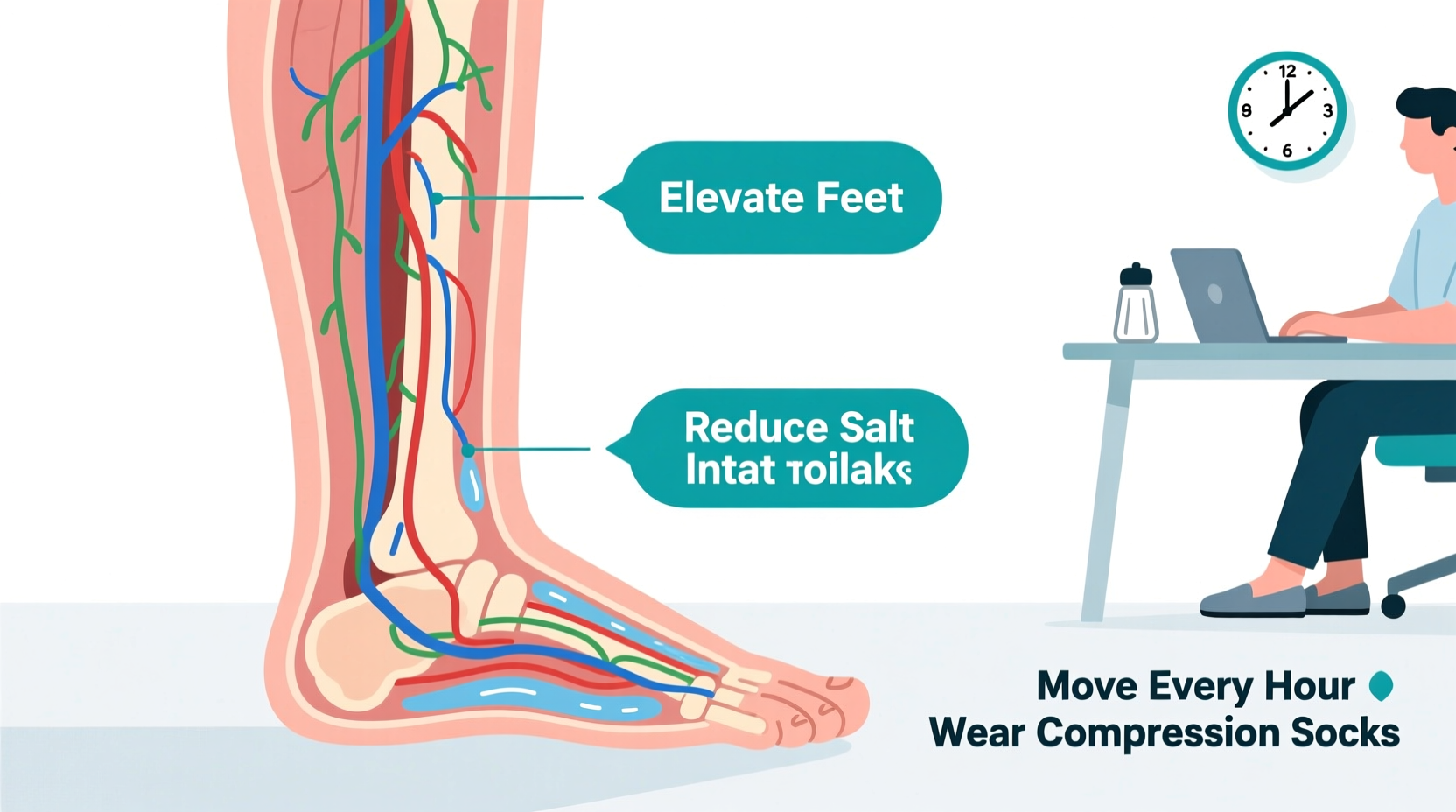
Foot swelling in the evening isn’t random—it typically results from a combination of physiological processes and daily habits. Recognizing these causes is the first step toward managing them.
- Gravity and Prolonged Standing or Sitting: Remaining upright for long periods allows fluid to pool in the legs and feet. Similarly, sitting for hours without movement—such as during long flights or desk work—restricts venous return, leading to fluid accumulation.
- Reduced Circulation with Age: As we age, blood vessels lose elasticity and calf muscle efficiency declines, weakening the body’s ability to pump blood back to the heart.
- Diet High in Sodium: Excess salt intake causes the body to retain water. Processed foods, fast meals, and canned goods often contain hidden sodium that contributes to fluid retention.
- Hormonal Fluctuations: Women may notice increased swelling before menstruation, during pregnancy, or while using hormonal contraceptives due to shifts in estrogen and progesterone.
- Medications: Certain drugs—including calcium channel blockers for high blood pressure, NSAIDs, steroids, and some diabetes medications—can cause edema as a side effect.
- Underlying Health Conditions: Chronic issues like heart failure, kidney disease, liver cirrhosis, or venous insufficiency disrupt fluid balance and require medical evaluation.
“Persistent lower limb swelling should never be dismissed as normal aging. It’s often the body’s way of signaling that circulation or organ function needs assessment.” — Dr. Lena Torres, Vascular Medicine Specialist
Lifestyle Tweaks That Reduce Evening Swelling
The good news is that many cases of foot swelling respond well to non-invasive, everyday changes. These adjustments support circulation, reduce fluid retention, and enhance vascular health over time.
Elevate Your Legs Regularly
Raising your legs above heart level for 15–20 minutes several times a day helps reverse gravitational fluid pooling. This simple act encourages venous return and reduces tissue pressure in the feet and ankles.
Incorporate Movement Throughout the Day
Muscle contractions in the calves act as a secondary pump for blood returning to the heart. When you remain still, this mechanism stalls.
If you sit at a desk, stand up and walk for two minutes every hour. Perform seated ankle circles or toe raises to stimulate circulation. For those on their feet all day, take short seated breaks to rest and elevate the legs when possible.
Stay Hydrated
Counterintuitively, drinking adequate water helps reduce fluid retention. When dehydrated, the body holds onto water as a survival mechanism. Aim for 6–8 glasses of water daily, adjusting for climate and activity level.
Wear Compression Socks
Graduated compression stockings apply gentle pressure from ankle to calf, supporting vein function and minimizing swelling. They’re particularly helpful for people who stand or sit for extended periods, travel frequently, or have mild venous insufficiency.
Limit Sodium Intake
Reducing salt doesn’t mean bland food—it means being mindful. Avoid processed snacks, cured meats, instant noodles, and restaurant meals high in hidden sodium. Opt for fresh vegetables, lean proteins, and herbs for flavor.
Do’s and Don’ts: Managing Foot Swelling
| Do | Don’t |
|---|---|
| Drink plenty of water throughout the day | Restrict water intake thinking it reduces swelling |
| Walk or stretch every hour if sedentary | Sit or stand in one position for hours |
| Use compression socks during long travel | Wear tight shoes or restrictive clothing |
| Elevate legs after work or during rest | Ignore persistent swelling lasting more than a few days |
| Monitor diet for hidden sources of sodium | Self-diagnose or delay medical consultation if swelling worsens |
Step-by-Step Daily Routine to Prevent Swelling
Integrating anti-swelling practices into your daily rhythm increases consistency and effectiveness. Follow this timeline to build sustainable habits:
- 7:00 AM – Start with hydration: Drink a glass of water upon waking to kickstart metabolism and fluid balance.
- 8:30 AM – Wear supportive footwear: Choose shoes with good arch support and avoid high heels or overly flat soles that impair circulation.
- 10:00 AM – First movement break: Stand, stretch, or walk for 2–3 minutes. Try heel raises or ankle rolls at your desk.
- 1:00 PM – Lunch with low sodium: Choose grilled fish, salad with olive oil dressing, or homemade meals over fast food.
- 3:00 PM – Second leg elevation: Sit with legs raised on a stool or against a wall for 10 minutes.
- 6:00 PM – Post-work walk: Take a 15-minute walk after dinner to aid digestion and circulation.
- 8:30 PM – Final elevation: Lie down and elevate legs above heart level for 15–20 minutes.
- 10:00 PM – Limit evening fluids: Reduce liquid intake an hour before bed to minimize nighttime bathroom trips, but don’t become dehydrated.
Real-Life Example: Maria’s Turnaround
Maria, a 52-year-old administrative assistant, began noticing her shoes felt tight by mid-afternoon. Her ankles swelled daily, making walking uncomfortable. Initially dismissing it as “part of getting older,” she eventually consulted her doctor after developing varicose veins.
Her physician diagnosed mild venous insufficiency and recommended lifestyle changes. Maria started wearing compression socks, drinking more water, reducing her intake of frozen dinners and deli meats, and taking five-minute walking breaks every hour. Within three weeks, her swelling decreased significantly. She reported feeling lighter and more energetic, and her shoes fit comfortably again.
“I didn’t realize how much my lunch habits were affecting my legs,” Maria said. “Switching to homemade meals and moving more made a real difference.”
When to Seek Medical Attention
While lifestyle factors explain most cases of evening foot swelling, certain red flags warrant prompt medical evaluation:
- Swelling that leaves a dent when pressed (pitting edema)
- Pain, redness, or warmth in one leg—possible sign of deep vein thrombosis (DVT)
- Sudden or severe swelling, especially in one leg
- Shortness of breath or chest pain alongside swelling
- Swelling accompanied by fatigue, weight gain, or reduced urination
These symptoms could indicate heart, kidney, or liver conditions, blood clots, or lymphatic disorders. Diagnostic tools such as ultrasound, blood tests, or echocardiograms may be necessary to identify the underlying issue.
Frequently Asked Questions
Is it normal for feet to swell every evening?
Occasional mild swelling after long periods of standing or sitting can be normal, especially in warm weather. However, daily or worsening swelling is not something to ignore. Consistent edema suggests a need for lifestyle review or medical check-up.
Can exercise make foot swelling worse?
Initially, starting a new exercise routine might cause temporary swelling due to increased blood flow. But regular physical activity improves circulation and reduces long-term swelling. If pain or excessive puffiness occurs, consult a healthcare provider.
Are there natural diuretics that help with swelling?
Yes, certain foods act as mild diuretics and support kidney function. Cucumber, celery, parsley, lemon water, and green tea may help reduce fluid retention. However, they should complement—not replace—hydration and sodium control.
Conclusion: Small Changes, Lasting Relief
Evening foot swelling is a common but manageable condition. By understanding its causes—ranging from lifestyle habits to medical factors—you gain the power to respond effectively. Simple actions like elevating your legs, staying active, cutting back on salt, and wearing compression garments can dramatically reduce discomfort and prevent progression.
These changes don’t require drastic overhauls. Instead, they thrive on consistency and awareness. Whether you're on your feet all day, work at a desk, or are navigating hormonal shifts, your body responds positively to mindful care.




 浙公网安备
33010002000092号
浙公网安备
33010002000092号 浙B2-20120091-4
Comments
No comments yet. Why don't you start the discussion?