
Finger swelling during or after walking is more common than many realize, yet it often raises concern. While it’s typically not dangerous, persistent or recurring puffiness in the fingers while walking can signal underlying physiological changes—some of which are linked to hydration levels. Dehydration, though seemingly unrelated at first glance, plays a significant role in how fluids are distributed throughout the body, especially during physical activity. Understanding this connection empowers individuals to recognize early warning signs, adjust habits, and prevent discomfort or more serious complications.
The human body maintains a delicate fluid balance. When you walk, especially for extended periods or in warm environments, blood flow increases, and the cardiovascular system works to regulate temperature and circulation. In response, fluid shifts can occur—sometimes leading to peripheral edema, particularly in the hands and fingers. While mild swelling may resolve on its own, consistent patterns should prompt closer examination, especially if accompanied by other symptoms like fatigue, dizziness, or dark urine—classic indicators of dehydration.
How Walking Triggers Finger Swelling
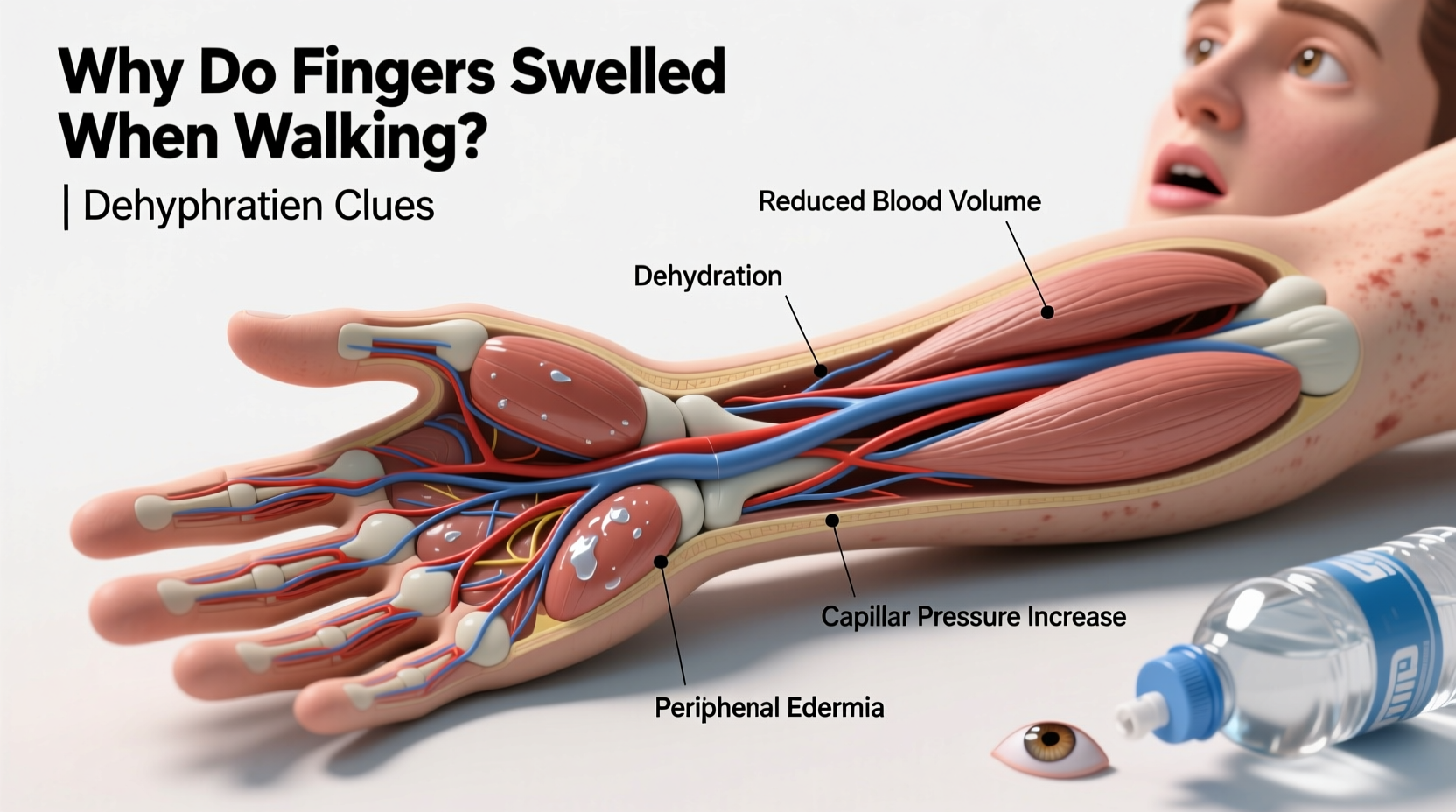
Swollen fingers during walking aren’t usually due to injury or inflammation. Instead, they stem from natural circulatory responses. As you walk, your arms swing rhythmically, promoting venous return—the process by which blood travels back to the heart. However, gravity and increased blood flow to working muscles (like legs) can reduce circulation efficiency in extremities such as hands.
This shift prompts vasodilation—widening of blood vessels—in the fingers, allowing more fluid to leak into surrounding tissues. The result? Puffiness, tightness, or even a slight discoloration. Unlike ankle swelling, which is commonly discussed, hand swelling during exercise is underreported but well-documented in medical literature.
According to Dr. Laura Nguyen, a sports medicine specialist:
“Exercise-induced finger swelling is frequently benign, but it’s the body’s way of signaling fluid redistribution. Ignoring repeated episodes, especially with thirst or dry mouth, could mean missing early dehydration cues.” — Dr. Laura Nguyen, MD, Sports Medicine & Physiology
The Role of Dehydration in Fluid Imbalance
Dehydration occurs when fluid loss exceeds intake. Common causes include insufficient water consumption, excessive sweating, high heat, or inadequate electrolyte balance. What many don’t realize is that dehydration doesn’t just cause thirst—it disrupts osmotic pressure and capillary function, contributing directly to swelling.
When dehydrated, the body activates survival mechanisms. Blood volume drops, prompting the release of antidiuretic hormone (ADH) and aldosterone. These hormones signal the kidneys to retain water and sodium. While helpful short-term, this retention can lead to fluid accumulation in less critical areas—like fingers and toes.
In essence: paradoxically, being dehydrated can make your body hold onto water in unintended places. This explains why someone who hasn’t drunk enough water might still experience puffiness rather than looking shriveled.
Key Signs That Swelling May Be Dehydration-Related
Not all finger swelling points to dehydration, but certain accompanying symptoms increase the likelihood:
- Dry mouth or sticky saliva
- Dark yellow urine or low urine output
- Headache or lightheadedness
- Reduced sweat despite exertion
- Increased heart rate
- Fatigue or muscle cramps
If these appear alongside swollen fingers, rehydration should be prioritized immediately.
Environmental and Physiological Factors at Play
Several external and internal conditions amplify the risk of both dehydration and finger swelling during walking:
Heat and Humidity
High temperatures accelerate fluid loss through sweat. Even moderate humidity reduces evaporation efficiency, making cooling harder and increasing strain on circulation. In such conditions, blood vessels dilate further, worsening fluid leakage into tissues—including fingers.
Altitude
At higher elevations, lower oxygen levels stimulate faster breathing and increased urination, both contributing to fluid loss. Hikers often report swollen hands after long treks above 5,000 feet, even without extreme exertion.
Individual Variability
Some people naturally experience more pronounced vasodilation during exercise. Women, especially those sensitive to hormonal fluctuations, may notice cyclical swelling tied to menstrual phases. Older adults, whose circulatory systems are less efficient, also face higher risks.
Medications and Health Conditions
Diuretics, blood pressure medications, antidepressants, and NSAIDs can alter fluid regulation. Individuals with thyroid disorders, kidney issues, or heart conditions should consult a physician before attributing swelling solely to dehydration.
| Factor | Effect on Finger Swelling | Dehydration Link? |
|---|---|---|
| Hot weather | Increases vasodilation and sweating | Strong |
| Long-duration walks | Prolonged arm movement affects circulation | Moderate |
| Low sodium intake | May impair fluid retention balance | Indirect |
| High salt diet | Promotes water retention | Yes (paradoxical) |
| Pregnancy | Natural fluid retention increases | Context-dependent |
Step-by-Step Guide to Prevent and Manage Swelling
Preventing finger swelling related to dehydration involves proactive hydration strategies and awareness of bodily signals. Follow this timeline-based approach before, during, and after your walk:
- 24 Hours Before Walking: Begin hydrating properly. Aim for pale yellow urine by drinking 2–3 liters of water daily, adjusting for climate and activity level.
- 1 Hour Before Walk: Drink 16–20 oz (500 mL) of water. Include a small snack with electrolytes (e.g., banana with a handful of nuts).
- During Walk (Every 15–20 Minutes): Sip 4–6 oz of water. If walking longer than 60 minutes, consider an electrolyte beverage every 30–45 minutes.
- If Swelling Occurs: Stop briefly. Elevate hands above heart level for 1–2 minutes. Gently clench and release fists to encourage circulation.
- Immediately After Walk: Rehydrate with water or an electrolyte drink. Monitor urine color over the next few hours.
- Next Day: Reflect on symptoms. Did swelling happen early? Were you overheated? Adjust future hydration accordingly.
Real-Life Example: A Hiker’s Experience
Sarah, a 42-year-old recreational hiker, noticed her rings becoming tight during weekend trail walks in Arizona. Initially dismissing it as normal exertion, she began experiencing headaches and infrequent urination. One afternoon, after a three-hour hike in 90°F heat, her fingers were visibly puffy, and she felt dizzy upon returning.
She visited her primary care provider, who checked her vitals and ran basic labs. Results showed elevated sodium levels and concentrated urine—both markers of chronic mild dehydration. Sarah admitted she rarely drank water before hikes, relying only on feeling thirsty.
With guidance, she implemented scheduled hydration, carried an insulated bottle with electrolyte tablets, and started pre-hydrating the night before. Within two weeks, her finger swelling disappeared, and her energy improved significantly.
Sarah’s case illustrates how subtle signs—like tight jewelry or occasional puffiness—can precede more serious dehydration effects. Early intervention prevented potential heat exhaustion.
Do’s and Don’ts: Managing Exercise-Related Hand Swelling
| Do | Don’t |
|---|---|
| Drink water consistently, not just when thirsty | Rely solely on sports drinks with high sugar content |
| Wear loose-fitting clothing and remove tight jewelry before walking | Ignore swelling that persists after rest and elevation |
| Monitor urine color as a hydration gauge | Walk during peak heat without sun protection or hydration plan |
| Include potassium-rich foods (bananas, spinach, avocado) | Assume all swelling is harmless without evaluating context |
| Elevate hands post-walk to encourage fluid return | Pop anti-inflammatory meds without medical advice |
When to Seek Medical Attention
Most cases of finger swelling during walking resolve within minutes to hours and pose no danger. However, certain red flags warrant professional evaluation:
- Swelling that spreads to wrists or forearms
- Pain, redness, or warmth in the affected area
- Shortness of breath or chest discomfort
- One-sided swelling (could indicate clotting)
- Recurrent episodes despite proper hydration
Persistent or asymmetric swelling may point to cardiovascular, renal, or lymphatic issues. A healthcare provider can perform tests such as blood work, ECG, or ultrasound to rule out deeper causes.
FAQ
Can drinking too much water cause finger swelling?
Yes, but rarely. Overhydration—especially during prolonged exercise—can lead to hyponatremia, a dangerous drop in blood sodium. This causes cells to absorb excess fluid, potentially resulting in swelling. Balance is key: drink according to need, not excessively.
Why do my fingers swell but not my ankles when I walk?
Ankles typically swell due to gravity and venous pressure in the lower limbs. Fingers swell due to arterial dilation and dependent positioning during arm swing. Different mechanisms affect different extremities based on vascular dynamics.
Is finger swelling during walking normal during pregnancy?
Mild swelling can be normal in pregnancy due to increased blood volume and fluid retention. However, sudden or severe hand swelling—especially with facial puffiness or vision changes—should be evaluated promptly, as it may indicate preeclampsia.
Final Thoughts and Call to Action
Finger swelling during walking is more than a minor inconvenience—it can be a meaningful clue about your body’s hydration status and circulatory health. By tuning into subtle signals like ring tightness, urine color, or unexplained puffiness, you gain insight into your overall wellness. Dehydration often creeps in unnoticed, yet its effects ripple across multiple systems, from cognition to circulation.
You don’t need expensive gear or lab tests to start protecting yourself. Simply begin observing how your body responds to movement and environment. Carry water, listen to early symptoms, and adjust habits proactively. Small changes today can prevent discomfort—or worse—tomorrow.




 浙公网安备
33010002000092号
浙公网安备
33010002000092号 浙B2-20120091-4
Comments
No comments yet. Why don't you start the discussion?