
Waking up with tingling fingers is a surprisingly common experience—yet it can be unsettling. That pins-and-needles sensation, medically known as paresthesia, often strikes during or after sleep and may affect one or more fingers. While occasional tingling might simply result from sleeping in an awkward position, persistent or recurring symptoms could point to underlying health conditions. Understanding the root causes is essential for determining whether lifestyle adjustments are sufficient or if medical evaluation is necessary.
The human nervous system is highly sensitive to pressure and positioning. During sleep, subtle changes in posture can compress nerves or restrict blood flow, triggering temporary tingling. However, when these episodes become frequent or worsen over time, they may reflect chronic issues such as nerve damage, metabolic disorders, or musculoskeletal imbalances. This article explores the most likely reasons behind nighttime finger tingling, offers practical solutions, and helps you identify when professional care is warranted.
Common Causes of Finger Tingling During Sleep
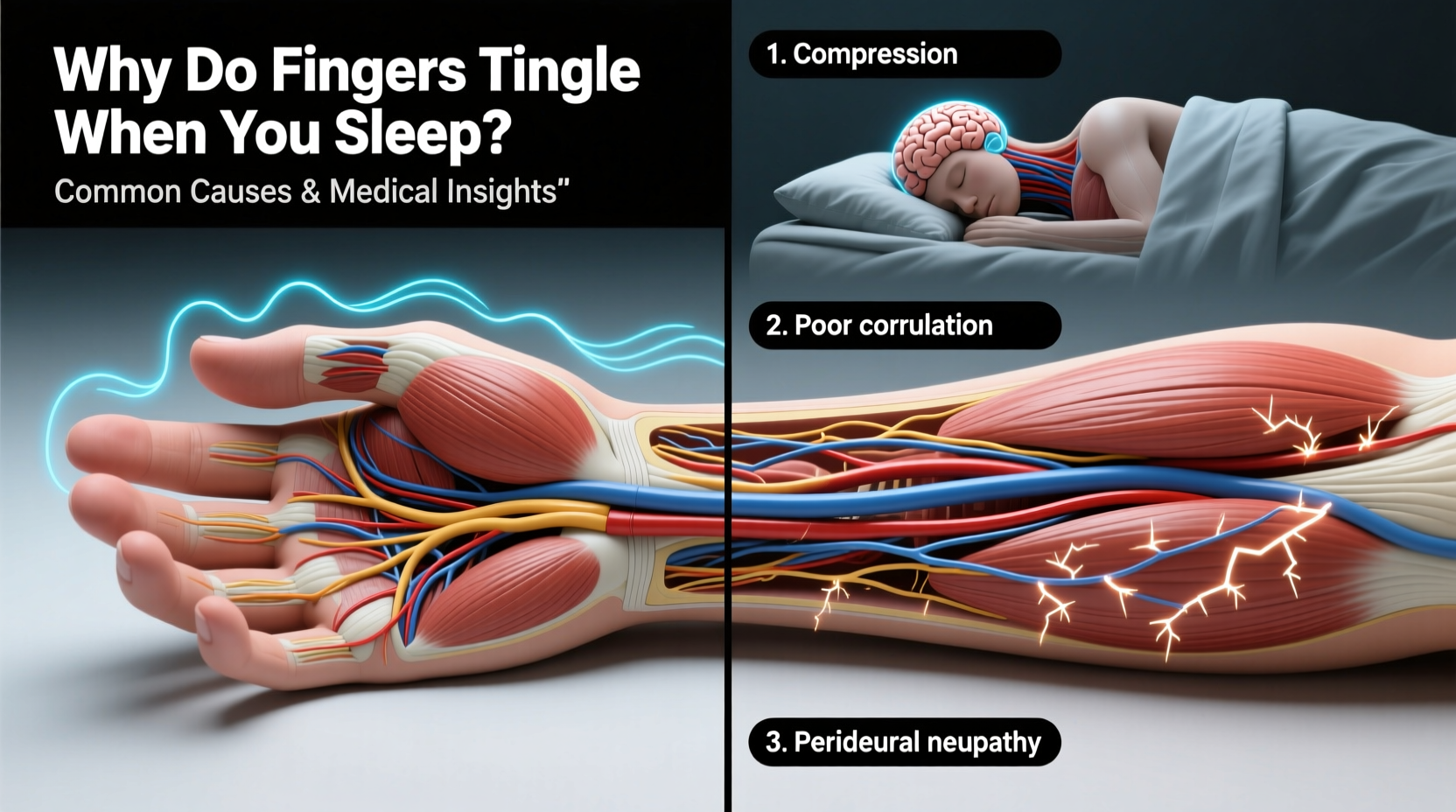
Tingling in the fingers while sleeping typically stems from nerve irritation or compromised circulation. The median, ulnar, and radial nerves transmit sensory information from the hand to the brain. When any of these nerves are compressed—even slightly—the result can be numbness, tingling, or a “falling asleep” sensation.
Carpal tunnel syndrome (CTS) is among the most frequent culprits. It occurs when the median nerve, which runs through the wrist via the carpal tunnel, becomes compressed. Symptoms often begin at night because many people sleep with flexed wrists, increasing pressure within the tunnel. CTS commonly affects the thumb, index, middle, and part of the ring finger.
Ulnar nerve entrapment, sometimes called \"cell phone elbow\" or cubital tunnel syndrome, involves compression of the ulnar nerve at the elbow. This tends to cause tingling in the ring and little fingers, especially if you sleep with your elbows bent tightly or arms tucked under your head or body.
Poor sleeping posture can also lead to temporary nerve compression. Resting your head on your arm, curling your hands into tight fists, or lying directly on your wrists can all contribute. These positions pinch nerves or reduce blood flow, leading to transient paresthesia that resolves once movement resumes.
Beyond mechanical factors, systemic conditions must be considered. Vitamin B12 deficiency, diabetes-related neuropathy, and hypothyroidism are known to cause peripheral nerve dysfunction. In these cases, tingling may not be limited to nighttime and could progress to constant numbness or pain.
When to Be Concerned: Red Flags and Warning Signs
Not all nighttime tingling requires immediate attention, but certain patterns should prompt further investigation. If tingling occurs frequently—several nights per week—or persists into the morning and throughout the day, it may indicate a progressive condition.
Watch for these red flags:
- Weakness in the hand or difficulty gripping objects
- Loss of fine motor skills, such as buttoning shirts or typing
- Burning pain radiating from the wrist to the forearm
- Symptoms affecting both hands simultaneously
- Visible muscle wasting at the base of the thumb
These signs suggest significant nerve compromise. For example, untreated carpal tunnel syndrome can lead to permanent loss of sensation and muscle atrophy. Similarly, undiagnosed diabetic neuropathy increases the risk of injury due to reduced protective feeling in the hands and feet.
“Persistent nocturnal paresthesia should never be dismissed as normal aging. Early intervention can prevent irreversible nerve damage.” — Dr. Lena Patel, Neurologist and Peripheral Nerve Specialist
Contributing Lifestyle and Health Factors
Lifestyle choices and overall health play a major role in nerve function. Several modifiable factors can increase the likelihood of experiencing tingling fingers at night:
| Factor | How It Contributes | What You Can Do |
|---|---|---|
| Repetitive Hand Use | Typing, smartphone use, or manual labor increases inflammation around tendons and nerves | Take breaks every 30 minutes; use ergonomic tools |
| Pregnancy | Hormonal changes and fluid retention raise pressure in the carpal tunnel | Symptoms often resolve postpartum; wrist splinting helps |
| Obesity | Excess body weight correlates with higher rates of nerve compression syndromes | Weight management reduces pressure on nerves |
| Poor Nutrition | Deficiencies in B vitamins impair nerve repair and conduction | Eat leafy greens, eggs, and fortified grains; consider supplements if needed |
| Alcohol Consumption | Chronic alcohol use can cause toxic neuropathy | Moderate intake or seek support for reduction |
Additionally, medical conditions such as rheumatoid arthritis, thyroid disease, and kidney dysfunction can indirectly cause nerve irritation. Fluid buildup from heart or liver issues may also increase tissue pressure around nerves.
Step-by-Step Guide to Reduce Nighttime Tingling
If you're experiencing mild or occasional finger tingling, try this structured approach before seeking medical testing:
- Assess Your Sleep Posture: Record how you typically sleep. Do you tuck your hands under your pillow or bend your wrists sharply? Adjust to keep arms relaxed and wrists neutral.
- Use a Wrist Splint: Wear a soft, adjustable splint at night to maintain a straight wrist alignment. Available over-the-counter, these are particularly effective for early-stage carpal tunnel.
- Stretch Before Bed: Perform gentle nerve gliding exercises. Extend your arm, point your fingers down, then gently pull the hand back with the other hand. Hold for 15–20 seconds. Repeat 3 times per side.
- Evaluate Your Workspace: Ensure your keyboard and mouse allow your wrists to remain flat and elbows bent at 90 degrees. Consider using a vertical mouse or split keyboard.
- Limit Screen Time Before Bed: Excessive smartphone use tightens forearm muscles and stresses the median nerve. Aim to stop scrolling at least one hour before sleep.
- Stay Hydrated and Eat Balanced Meals: Dehydration and low electrolyte levels can exacerbate nerve sensitivity. Include potassium-rich foods like bananas and avocados.
- Monitor Symptoms for Two Weeks: Keep a log of when tingling occurs, which fingers are affected, and any associated pain or weakness. This record will help a healthcare provider make an accurate diagnosis.
Real-Life Example: A Case of Misdiagnosed Tingling
Sarah, a 42-year-old graphic designer, began waking up three to four times a week with her right hand feeling “like it was full of static.” At first, she assumed it was stress or poor sleep. Over six months, the tingling spread from her thumb and index finger to include her entire hand. She started dropping coffee mugs and noticed she couldn’t feel temperature differences with that hand.
She visited her primary care physician, who initially suggested anxiety. But after a referral to a neurologist and nerve conduction testing, Sarah was diagnosed with moderate carpal tunnel syndrome. Her job required prolonged computer use, and she habitually rested her wrist on the edge of the desk. With a combination of ergonomic adjustments, nightly splinting, and physical therapy, her symptoms improved significantly within eight weeks. Early detection prevented surgery.
Sarah’s case illustrates how easily nerve-related symptoms can be overlooked. It also highlights the importance of tracking symptom progression and advocating for proper diagnostic follow-up.
Checklist: What to Do If Your Fingers Tingle at Night
Use this actionable checklist to determine your next steps:
- ☐ Notice which fingers are affected (thumb-side vs. pinky-side)
- ☐ Check if symptoms wake you up or persist into the morning
- ☐ Evaluate your sleep position and adjust to avoid wrist bending
- ☐ Try wearing a wrist splint for 1–2 weeks
- ☐ Perform daily nerve gliding stretches
- ☐ Reduce repetitive hand activities where possible
- ☐ Schedule a doctor’s visit if symptoms continue beyond two weeks
- ☐ Request nerve conduction studies if weakness or numbness worsens
Frequently Asked Questions
Is it normal for fingers to tingle every night?
No, regular nightly tingling is not considered normal. Occasional episodes due to sleeping position are common, but consistent symptoms suggest nerve irritation that needs evaluation. Chronic tingling can lead to long-term nerve damage if left untreated.
Can dehydration cause tingling in the hands?
Yes, dehydration affects electrolyte balance, particularly sodium, potassium, and calcium, which are crucial for proper nerve signaling. While dehydration alone rarely causes persistent tingling, it can exacerbate existing nerve sensitivity or trigger temporary paresthesia, especially during sleep when fluid levels naturally dip.
Should I see a neurologist or orthopedic specialist?
Start with your primary care provider, who can assess symptoms and order initial tests. If nerve damage is suspected, a neurologist can perform electromyography (EMG) and nerve conduction studies. Orthopedic specialists may be involved later if surgical intervention, such as carpal tunnel release, becomes necessary.
Conclusion: Take Control of Your Nerve Health
Waking up with tingling fingers isn’t something to ignore or accept as inevitable. Whether caused by posture, repetitive strain, or an underlying medical issue, the sensation signals that your nervous system is under stress. The good news is that most causes are manageable—with timely action, you can relieve symptoms and protect long-term hand function.
Simple changes like adjusting your sleep position, using a wrist splint, or modifying your workstation can make a dramatic difference. But don’t hesitate to seek medical advice if symptoms persist. Early diagnosis of conditions like carpal tunnel or neuropathy can prevent complications and improve outcomes significantly.




 浙公网安备
33010002000092号
浙公网安备
33010002000092号 浙B2-20120091-4
Comments
No comments yet. Why don't you start the discussion?