
Winter brings cold winds, dry air, and indoor heating—all of which strip moisture from the skin. For many, this leads to a common but uncomfortable problem: cracked hands. The skin on the hands is particularly vulnerable due to frequent exposure and constant use. Cracks can range from minor dryness to deep fissures that bleed or become infected. While commercial treatments exist, many are expensive or contain harsh ingredients. The good news is that effective, affordable healing routines are within reach using simple, accessible methods backed by dermatology and real-world experience.
The Science Behind Winter Hand Cracking
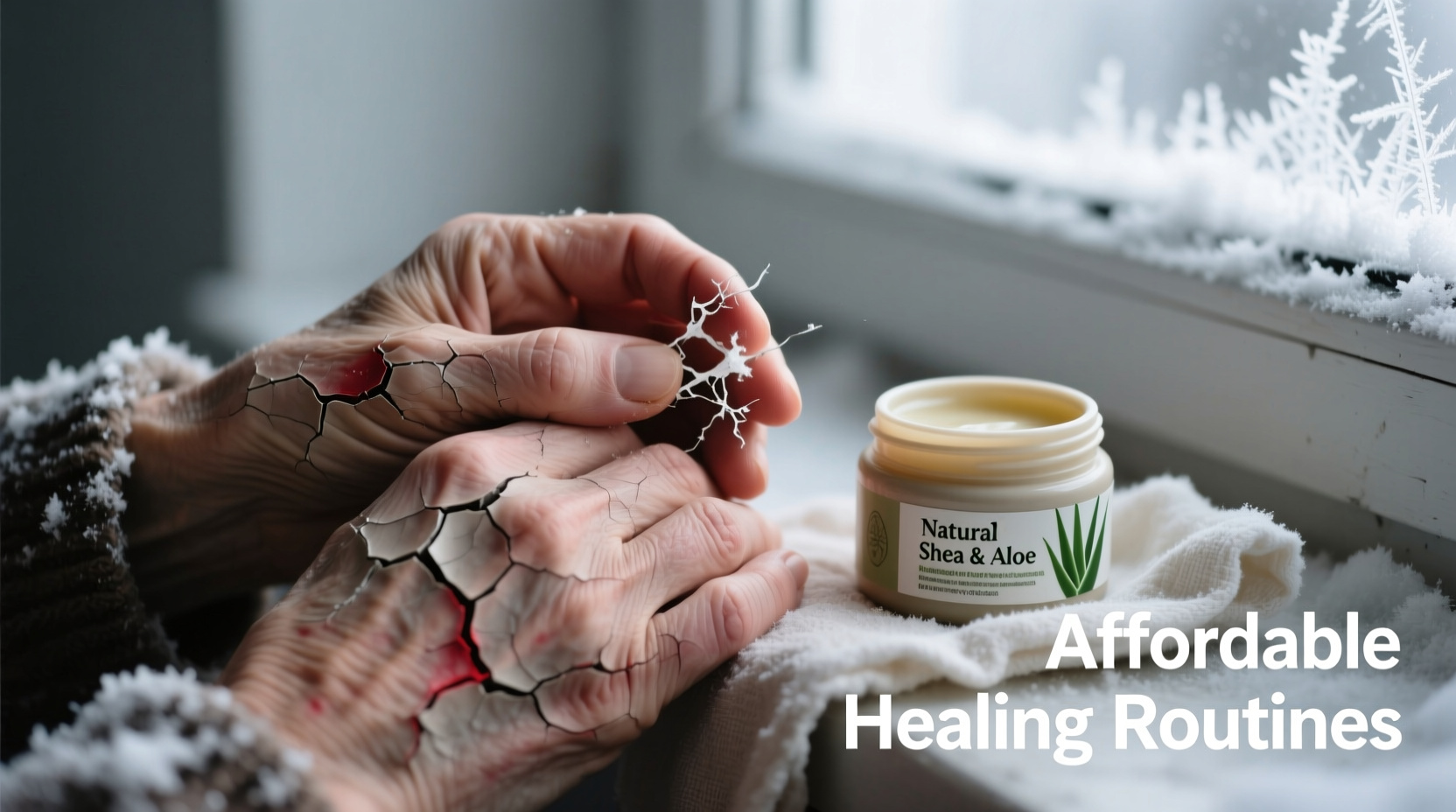
Skin health depends on maintaining a balance of natural oils and water. In winter, low humidity reduces the moisture content in the air, causing the outer layer of skin (the stratum corneum) to lose hydration. This layer acts as a protective barrier. When it dries out, it becomes brittle and prone to cracking—especially on the hands, which lack oil glands on the surface and are frequently washed or exposed to irritants.
Additionally, frequent handwashing with soap removes natural lipids, while cold temperatures constrict blood vessels, reducing circulation and impairing skin repair. Gloves may offer protection, but synthetic materials like polyester can trap sweat, creating a cycle of dampness followed by rapid drying when removed.
“Hands are one of the first places where environmental damage shows. The combination of cold, wind, and over-washing disrupts the skin barrier faster than most realize.” — Dr. Lena Torres, Board-Certified Dermatologist
Affordable Healing Ingredients You Already Own
You don’t need high-end serums to heal cracked hands. Many household items have proven moisturizing, anti-inflammatory, or occlusive properties. These ingredients create a protective seal, lock in moisture, and support skin regeneration without costing a fortune.
- Honey: A natural humectant that draws moisture into the skin. Its antibacterial properties also help prevent infection in open cracks.
- Olive oil: Rich in squalene and fatty acids, it mimics the skin’s natural oils and helps rebuild the lipid barrier.
- Cooking oils (like sunflower or coconut): Coconut oil contains lauric acid, which has antimicrobial benefits and penetrates deeply.
- Oatmeal: Colloidal oatmeal soothes inflammation and relieves itching caused by dry, cracked skin.
- Aloe vera (fresh or pure gel): Calms irritation and promotes healing with minimal risk of allergic reaction.
Step-by-Step Night Healing Routine (Under $5 per week)
A consistent nighttime routine leverages the body’s natural repair processes during sleep. This affordable protocol uses common kitchen staples and takes less than 10 minutes.
- Soak for 5–7 minutes in warm (not hot) water with 1 tablespoon of honey or colloidal oatmeal. This softens dead skin and preps for treatment.
- Gently pat dry—do not rub. Leave skin slightly damp to enhance product absorption.
- Apply a thick layer of coconut oil, olive oil, or a mixture of honey and oil (2:1 ratio). Focus on knuckles, fingertips, and any visible cracks.
- Wear cotton gloves overnight. If you don’t have gloves, wrap hands in clean cotton cloths or use old sock liners. This prevents staining sheets and boosts penetration through occlusion.
- In the morning, rinse if needed and apply a light moisturizer. Repeat nightly until cracks heal, then maintain 2–3 times weekly.
This method costs pennies per session and typically shows improvement within 3–5 nights. For deeper fissures, consistency over two weeks yields dramatic results.
Daytime Protection Strategies on a Budget
Healing at night means little if daytime habits continue to damage the skin. Protecting hands during waking hours is equally important—and doesn’t require expensive lotions.
| Action | Why It Helps | Budget-Friendly Alternative |
|---|---|---|
| Wear gloves when washing dishes | Prevents prolonged water exposure and detergent contact | Use reusable rubber gloves; keep a pair under the sink |
| Limit hand sanitizer use | Alcohol dries skin rapidly | Rinse with water instead when possible; use aloe-based sanitizers |
| Avoid hot water | Strips natural oils | Wash with lukewarm water; shorten duration |
| Reapply moisturizer after washing | Restores lost moisture immediately | Keep a small jar of coconut oil or shea butter by the sink |
| Use gentle soap | Harsh soaps increase pH imbalance and dryness | Choose fragrance-free castile soap or glycerin bars |
Mini Case Study: Maria’s Kitchen Hands
Maria, a home cook and mother of three, developed painful cracks on her thumbs and palms every winter. Her hands were constantly wet from dishwashing and cleaning, yet dried out from lack of protection. Over-the-counter creams provided temporary relief but didn’t stop the bleeding.
She started the overnight oil-and-glove routine using coconut oil from her pantry and repurposed cotton gloves. Within four days, the stinging sensation decreased. By day ten, the fissures had closed, and her skin felt softer. She now keeps a small container of oil by both sinks and wears gloves during chores. “I saved money and finally stopped dreading winter,” she said.
DIY Moisturizing Balm Recipe (Cost: ~$0.25 per batch)
Create your own deeply nourishing balm using three basic ingredients. This solid balm melts on contact with skin and provides long-lasting protection.
Ingredients:
- 2 tablespoons coconut oil
- 1 tablespoon shea butter (or cocoa butter)
- 1 tablespoon beeswax (grated or pastilles)
Instructions:
- Melt all ingredients together in a double boiler over low heat.
- Stir until fully combined (about 5–7 minutes).
- Pour into a small tin or jar.
- Let cool completely before sealing.
Apply a pea-sized amount whenever hands feel dry. One batch lasts up to two months. Store in a cool place to prevent melting. This balm is especially effective for outdoor workers, caregivers, or anyone frequently washing hands.
When to Seek Medical Help
While most winter cracks respond well to home care, some cases indicate underlying conditions such as eczema, psoriasis, or fungal infections. Seek medical advice if you notice:
- Cracks that won’t heal after 2–3 weeks of consistent care
- Signs of infection: pus, swelling, red streaks, or increasing pain
- Severe peeling, blistering, or rash beyond the hands
- History of autoimmune disorders affecting the skin
Dermatologists may prescribe topical steroids, antibiotic ointments, or recommend patch testing for allergies. Early intervention prevents chronic hand dermatitis, which affects millions annually.
Affordable Maintenance Checklist
Prevention is simpler and cheaper than repair. Use this checklist to avoid recurring winter damage:
- ✅ Apply moisturizer immediately after every hand wash
- ✅ Wear gloves outdoors when temperature drops below 50°F (10°C)
- ✅ Use cotton-lined gloves for extended outdoor activity
- ✅ Replace liquid hand soap with a moisturizing bar or cream cleanser
- ✅ Keep a travel-sized oil or balm in your bag or car
- ✅ Run a humidifier at home, especially in bedrooms
- ✅ Avoid licking fingers to turn pages or handle paper—saliva accelerates cracking
Frequently Asked Questions
Can I use Vaseline instead of oil for cracked hands?
Yes. Petroleum jelly (Vaseline) is an excellent occlusive that seals in moisture. It doesn’t add hydration on its own, so apply it over damp skin or after using a humectant like honey or aloe. It’s inexpensive, widely available, and safe for sensitive skin.
Is drinking more water enough to prevent cracked hands?
No. While internal hydration supports overall skin health, external moisture loss in winter cannot be offset by drinking water alone. Topical protection and barrier repair are essential. Hydration works best when combined with proper skincare.
Are cotton gloves effective for healing?
Cotton gloves alone aren’t sufficient—they absorb moisture rather than seal it. However, worn *over* an oil or cream, they act as a breathable barrier that enhances absorption and protects bedding. For best results, use them as part of a nighttime treatment.
Conclusion: Small Habits, Lasting Results
Cracked hands in winter don’t have to be inevitable. With understanding of the causes and access to simple, affordable remedies, healing and prevention are well within reach. The key lies not in expensive products but in consistency, protection, and smart use of everyday ingredients. Whether you’re warming chapped knuckles with coconut oil or wearing gloves while shoveling snow, each small action builds resilience. Start tonight—your hands carry you through life, and they deserve care that’s both kind and practical.




 浙公网安备
33010002000092号
浙公网安备
33010002000092号 浙B2-20120091-4
Comments
No comments yet. Why don't you start the discussion?