
Numbness in the hands during sleep is a surprisingly common complaint, affecting people across all age groups. While occasional tingling may seem harmless, frequent or persistent numbness can signal underlying issues related to nerve compression, circulation problems, or poor sleeping posture. The way you position your body—and especially your arms and wrists—while asleep plays a major role in whether nerves remain unobstructed throughout the night. Understanding the causes and adjusting your sleep habits can make a significant difference in both comfort and long-term hand health.
What Causes Hand Numbness During Sleep?
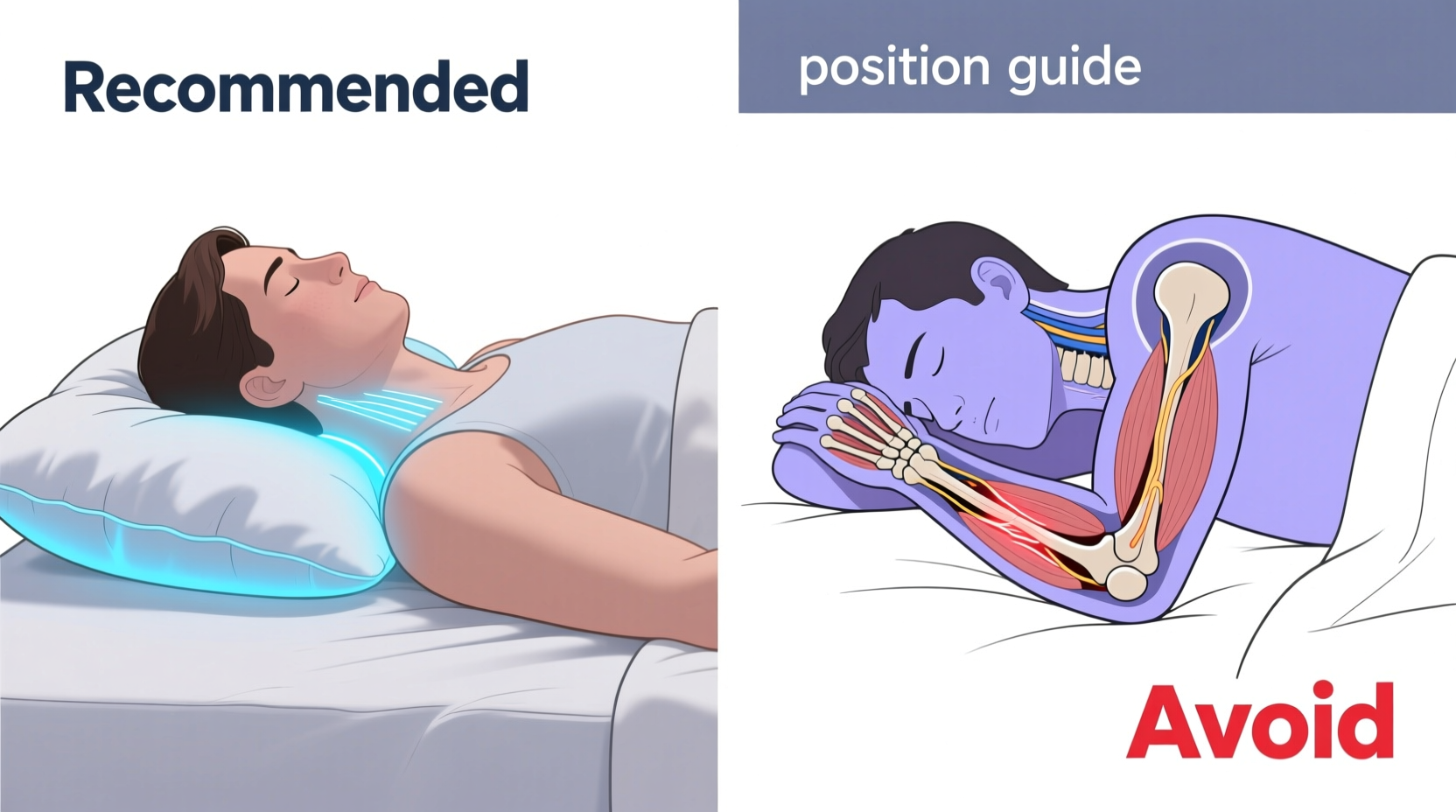
The sensation of numbness, tingling, or “pins and needles” in the hands while sleeping typically results from pressure on peripheral nerves, particularly the median, ulnar, or radial nerves. These nerves run from the neck down through the arms and into the hands, transmitting sensory and motor signals. When compressed—even slightly—for extended periods, they can malfunction temporarily, leading to altered sensations.
The most frequent culprit is sustained pressure on the wrist or elbow. For example, sleeping with bent wrists or elbows can compress the median nerve (linked to carpal tunnel syndrome) or the ulnar nerve (responsible for the \"funny bone\" sensation). This compression restricts blood flow and disrupts nerve signaling, resulting in numbness upon waking.
Other contributing factors include:
- Poor circulation: Conditions like Raynaud’s phenomenon or diabetes can reduce blood flow to extremities.
- Cervical spine issues: Herniated discs or arthritis in the neck may pinch nerves that travel into the arms.
- Pregnancy: Fluid retention increases pressure on nerves, especially in the wrists.
- Repetitive strain: Daily activities involving typing, gripping tools, or smartphone use can predispose individuals to nighttime symptoms.
“Nighttime hand numbness is often the first sign of nerve entrapment. Addressing it early through posture correction can prevent long-term damage.” — Dr. Lena Patel, Neurologist and Sleep Medicine Specialist
Sleeping Positions That Contribute to Hand Numbness
Your sleeping position directly affects spinal alignment, shoulder tension, and limb positioning—all of which influence nerve pathways. Certain postures place unnecessary strain on the upper extremities, increasing the risk of numbness. Below are the most problematic positions and how they contribute to the issue.
1. Sleeping on Your Stomach with Arms Under the Pillow
This position forces the neck to twist and the shoulders to roll forward, compressing nerves at the base of the neck and upper back. With arms tucked beneath the pillow or body, the wrists are often bent sharply, placing direct pressure on the median nerve. This posture also flattens the natural curve of the spine, worsening nerve impingement over time.
2. Fetal Position with Tightly Clenched Hands
While the fetal position is popular for its comfort, curling tightly with fists clenched can restrict blood flow and compress nerves in the wrists and forearms. The prolonged flexion of the wrists reduces the space within the carpal tunnel, making this one of the top triggers for nocturnal numbness in individuals already at risk for carpal tunnel syndrome.
3. Sleeping with Arms Above the Head
Raising your arms above your head—often seen in side or back sleepers—can cause the shoulders to round and the brachial plexus (a network of nerves controlling arm movement) to stretch or compress. This position may also reduce circulation to the arms, especially if the mattress is too soft to support proper shoulder alignment.
4. Side Sleeping with Shoulder Collapse
When side sleeping without adequate support, the top shoulder can collapse forward, pinching nerves between the collarbone and first rib (thoracic outlet syndrome). Additionally, if the bottom arm is trapped under the torso, it can experience reduced blood flow and nerve compression, leading to numbness upon waking.
Recommended Sleeping Positions to Prevent Numbness
Adjusting your sleep posture can significantly reduce or eliminate hand numbness. The goal is to maintain neutral alignment of the spine, shoulders, and wrists throughout the night. Here are the best positions and supportive strategies.
Back Sleeping with Proper Support
Lying on your back is widely considered the optimal position for minimizing nerve compression. It allows the spine to remain neutral and reduces pressure on the neck and shoulders. To maximize benefits:
- Use a supportive pillow that keeps your head level with your spine.
- Place a small pillow under your upper arms to prevent them from falling backward and stretching nerves.
- Keep your hands resting gently on your abdomen or at your sides with wrists straight.
Side Sleeping with Alignment Aids
If you prefer side sleeping, focus on maintaining shoulder-to-hip alignment. Choose a firmer mattress and a taller pillow to fill the space between your neck and shoulder. Hugging a body pillow can help keep your top arm supported and prevent internal rotation of the shoulder, which can compress nerves.
Avoiding Wrist Flexion
Regardless of your primary sleep position, keeping your wrists in a neutral position is critical. Avoid bending them downward (flexion) or upward (extension) for prolonged periods. Consider wearing a lightweight wrist splint at night if you tend to curl your hands unconsciously.
| Sleep Position | Risk Level | Modification Tips |
|---|---|---|
| Stomach with arms under pillow | High | Switch to back sleeping; use a thin pillow to reduce neck strain |
| Fetal with clenched fists | Moderate-High | Loosen grip; place hands flat with wrists straight |
| Arms above head | Moderate | Keep arms at sides; use a contoured pillow for shoulder support |
| Back with neutral spine | Low | Support arms lightly; avoid gripping bed covers |
| Side with aligned spine | Low-Moderate | Use a body pillow; keep top arm elevated |
Step-by-Step Guide to Reducing Nighttime Hand Numbness
Addressing hand numbness requires more than just changing your sleep position—it involves a holistic approach to posture, daily habits, and environmental adjustments. Follow this actionable plan to see measurable improvement within a few weeks.
- Evaluate your current sleep posture: Record yourself sleeping or ask a partner to observe your typical positions. Note if you frequently bend wrists or tuck arms under your body.
- Choose the right mattress and pillow: A medium-firm mattress supports spinal alignment. Use a pillow that keeps your neck in line with your spine—neither tilted up nor down.
- Invest in a wrist splint if needed: Wear a soft, adjustable splint at night to maintain a neutral wrist angle, especially if you have a history of carpal tunnel symptoms.
- Practice bedtime hand stretches: Gently extend and flex your wrists, rotate your shoulders, and shake out your hands before bed to improve circulation.
- Adjust daytime habits: Reduce repetitive hand movements, take breaks from typing, and avoid carrying heavy bags on one shoulder, which can imbalance posture.
- Create a sleep-friendly environment: Keep your bedroom cool, as cold temperatures can constrict blood vessels and worsen numbness.
- Monitor symptoms: Keep a log of when numbness occurs, how long it lasts, and whether it affects one or both hands. This information is valuable for healthcare providers.
Real-Life Example: How One Woman Resolved Chronic Numbness
Sarah, a 42-year-old graphic designer, began experiencing numbness in her right hand every morning. Initially dismissing it as stress-related, she noticed the tingling was spreading to her thumb and index finger and lasting longer after waking. After consulting a physical therapist, she learned her habit of sleeping on her stomach with her right arm curled under her pillow was compressing her median nerve.
Her therapist recommended switching to back sleeping and using a cervical pillow. Sarah also started wearing a wrist brace at night and incorporated ergonomic adjustments at work, including a vertical mouse and scheduled stretch breaks. Within three weeks, her nighttime numbness decreased significantly. By six weeks, it had resolved entirely. Follow-up assessments confirmed improved nerve conduction and no signs of permanent damage.
Sarah’s case highlights how simple positional changes, combined with awareness and consistency, can reverse early-stage nerve compression without medical intervention.
FAQ: Common Questions About Hand Numbness During Sleep
Is it normal for hands to go numb every night?
No, frequent or nightly numbness is not normal and should be taken seriously. Occasional tingling due to awkward positioning is common, but persistent symptoms may indicate nerve compression, circulation disorders, or underlying conditions like diabetes or thyroid disease. Consult a healthcare provider if numbness occurs regularly or is accompanied by weakness or pain.
Can anxiety cause hand numbness while sleeping?
Anxiety itself doesn’t directly cause numbness, but it can lead to muscle tension, shallow breathing, and increased awareness of bodily sensations, which may amplify discomfort. Hyperventilation from nighttime anxiety can alter blood pH and cause temporary tingling in the extremities. However, true neurological numbness usually stems from physical compression rather than psychological factors alone.
Should I see a doctor if my hands go numb only once in a while?
If episodes are rare and resolve quickly upon changing position, medical evaluation may not be urgent. However, if numbness begins to occur more frequently, spreads to other areas, or is associated with daytime symptoms like clumsiness or dropping objects, it’s wise to seek evaluation from a neurologist or orthopedic specialist.
Final Thoughts and Call to Action
Hand numbness during sleep is more than just a minor annoyance—it’s a signal from your body that something needs adjustment. Whether it's your mattress, pillow, sleep posture, or daily habits, small changes can yield dramatic improvements in comfort and nerve health. Ignoring persistent symptoms risks long-term nerve damage, while proactive care can restore restful, symptom-free sleep.
You don’t need expensive treatments or immediate surgery to address this issue. Start tonight: adjust your pillow, unclench your fists, and pay attention to how your arms rest. Track your progress over the next two weeks. If improvements stall, consult a healthcare professional for personalized guidance.




 浙公网安备
33010002000092号
浙公网安备
33010002000092号 浙B2-20120091-4
Comments
No comments yet. Why don't you start the discussion?