
Sudden or unexplained hand tremors can be unsettling. You might notice your hands shaking while holding a cup, typing, or even at rest. While occasional trembling is often harmless, persistent or worsening shakes may signal an underlying condition. Understanding the root causes—and knowing when to take action—can make all the difference in managing your health effectively.
Common Causes of Random Hand Tremors
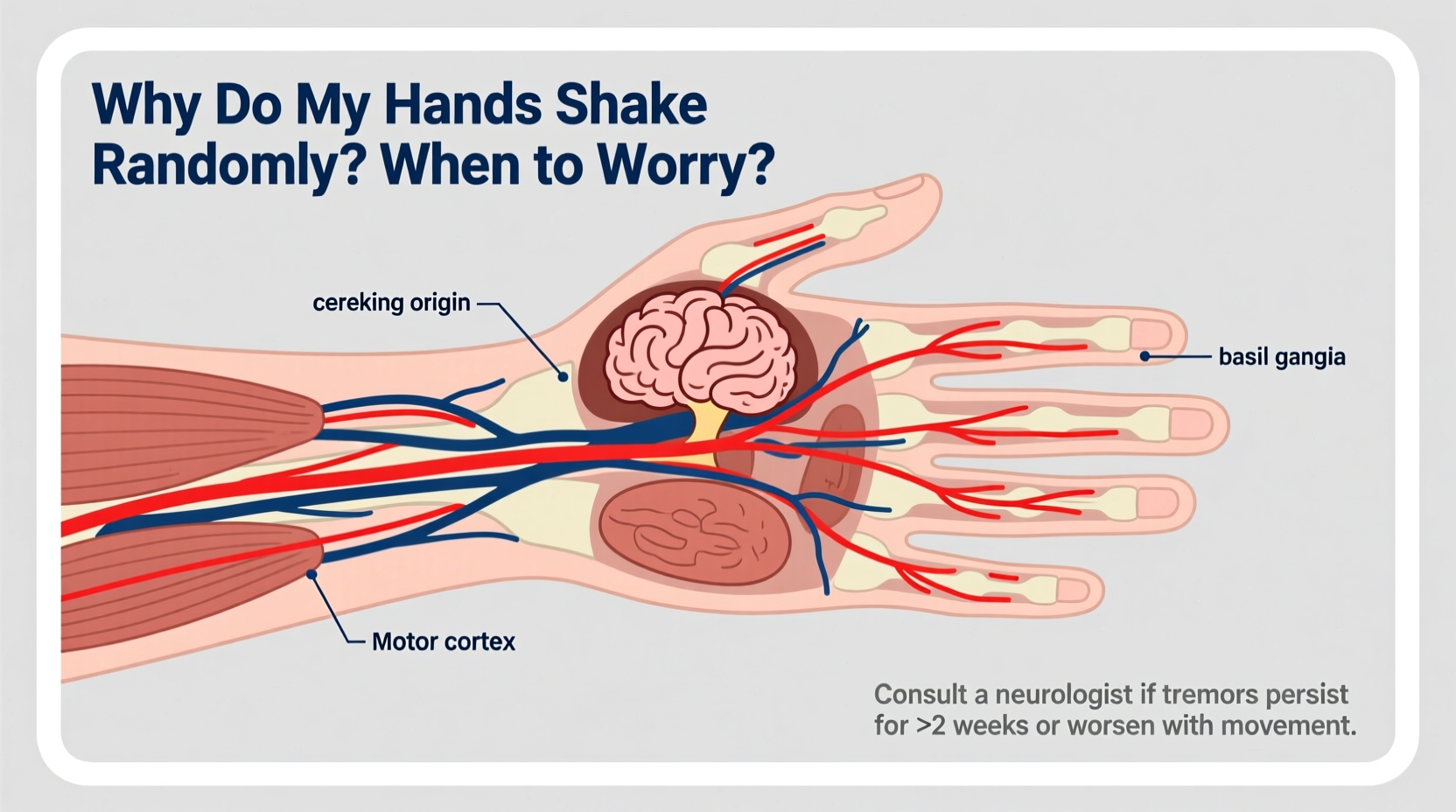
Hand tremors are involuntary rhythmic muscle contractions that cause shaking, typically in the hands or fingers. They can come and go, affect one or both hands, and vary in intensity. Many factors contribute to temporary or chronic tremors:
- Stress and anxiety: High emotional states trigger adrenaline release, which can lead to shaky hands.
- Caffeine overconsumption: Excess coffee, energy drinks, or stimulants can overexcite the nervous system.
- Low blood sugar (hypoglycemia): Skipping meals or irregular eating patterns may cause shakiness, sweating, and dizziness.
- Dehydration: Electrolyte imbalances from insufficient fluid intake can impair nerve and muscle function.
- Fatigue: Physical or mental exhaustion may temporarily disrupt motor control.
- Medication side effects: Certain antidepressants, asthma inhalers, or ADHD medications list tremors as a possible side effect.
- Alcohol withdrawal: Sudden cessation after heavy drinking can cause tremors within hours to days.
Neurological Conditions Linked to Chronic Tremors
When tremors persist or worsen without clear triggers, neurological disorders should be considered. These conditions require professional evaluation and management.
Essential Tremor
This is the most common movement disorder causing hand shaking. It’s often hereditary and typically appears during movement—like writing or lifting a glass. Unlike Parkinson’s, it rarely occurs at rest. Essential tremor progresses slowly and can affect the head, voice, or legs over time.
Parkinson’s Disease
Parkinson’s-related tremors usually begin at rest, often described as a \"pill-rolling\" motion between thumb and fingers. Additional symptoms include stiffness, slowed movement, and balance issues. Early diagnosis improves long-term outcomes.
Multiple Sclerosis (MS)
MS damages the central nervous system’s protective covering, disrupting nerve signals. Hand tremors may accompany numbness, vision problems, and fatigue.
Cerebellar Disorders
The cerebellum controls coordination. Damage due to stroke, tumors, or degenerative diseases can result in intention tremors—shaking that worsens when reaching for objects.
“Not all tremors are created equal. A resting tremor points toward Parkinson’s, while action tremors are more typical of essential tremor.” — Dr. Alan Reyes, Neurologist, Johns Hopkins Medicine
When to Worry: Red Flags That Demand Medical Attention
Most transient hand shaking isn’t dangerous. However, certain signs suggest a need for prompt evaluation by a healthcare provider.
| Symptom | May Indicate | Action Recommended |
|---|---|---|
| Tremor starts at rest and persists | Parkinson’s disease | See neurologist within 2–4 weeks |
| Rapid progression over weeks | MS, tumor, or metabolic crisis | Seek immediate assessment |
| Shaking with weakness or numbness | Stroke or nerve compression | Emergency evaluation needed |
| Head nodding or voice tremor | Essential tremor progression | Consult movement disorder specialist |
| New tremor after starting medication | Drug-induced tremor | Review meds with prescribing doctor |
Other Warning Signs
- Loss of coordination or frequent dropping of objects
- Changes in handwriting (smaller, cramped letters)
- Balance issues or unexplained falls
- Cognitive decline or memory lapses alongside tremors
Diagnosis and What to Expect at the Doctor
No single test confirms tremor type. Diagnosis relies on clinical evaluation, medical history, and sometimes imaging or lab work.
Step-by-Step Diagnostic Process
- Medical interview: Your doctor will ask about onset, triggers, family history, and associated symptoms.
- Physical examination: You’ll be asked to perform tasks like finger-to-nose movements, drawing spirals, or holding arms outstretched.
- Neurological screening: Reflexes, muscle strength, and gait are assessed to rule out other conditions.
- Laboratory tests: Blood work checks thyroid function, glucose, electrolytes, liver/kidney health, and drug levels.
- Imaging (if needed): MRI or CT scans may detect structural brain changes.
- EMG or nerve conduction studies: Used if peripheral nerve involvement is suspected.
A neurologist may classify your tremor based on context: postural, kinetic, resting, or intention. Accurate classification guides treatment.
Managing and Reducing Hand Tremors
Treatment depends on the cause. Some tremors resolve with lifestyle adjustments; others require medication or therapy.
Lifestyle Modifications That Help
- Reduce caffeine and stimulants
- Maintain stable blood sugar with balanced meals
- Stay hydrated and replenish electrolytes
- Practice stress-reduction techniques (mindfulness, deep breathing, yoga)
- Avoid alcohol or taper use under medical supervision
Medical Treatments
- Beta-blockers (e.g., propranolol): Often first-line for essential tremor.
- Anti-seizure medications (e.g., primidone): Effective for some patients.
- Dopaminergic drugs (e.g., carbidopa-levodopa): For Parkinson’s-related tremors.
- Botox injections: Can reduce tremors in specific muscles, such as hand or voice.
- Deep brain stimulation (DBS): Surgical option for severe, medication-resistant tremors.
“In many cases, we can significantly improve quality of life—even if we can’t eliminate the tremor completely.” — Dr. Lena Patel, Movement Disorder Specialist
Real-Life Example: Recognizing Early Parkinson’s
Mark, a 68-year-old retired teacher, began noticing his right hand twitched slightly when resting on his lap. At first, he dismissed it as aging. Over six months, the tremor became more noticeable, and he struggled with buttoning shirts. His wife observed he walked slower and didn’t swing his right arm. After seeing a neurologist, Mark was diagnosed with early-stage Parkinson’s. With medication and physical therapy, his symptoms stabilized. His story underscores the importance of not ignoring subtle changes—even if they seem minor at first.
Frequently Asked Questions
Can anxiety cause long-term hand tremors?
Anxiety typically causes temporary shaking during episodes. However, chronic stress may exacerbate underlying tremor disorders. While anxiety alone doesn’t cause progressive neurological tremors, it can amplify existing ones.
Is it normal for older adults to have shaky hands?
Some mild trembling increases with age, but significant or worsening tremors aren’t “normal aging.” Older adults should be evaluated for essential tremor, Parkinson’s, or medication effects rather than assuming it’s inevitable.
Can dehydration really make my hands shake?
Yes. Dehydration affects sodium, potassium, and calcium levels, which are critical for nerve signaling and muscle control. Rehydrating often resolves mild tremors linked to fluid imbalance.
Final Thoughts: Take Control of Your Health
Random hand shaking is more than a minor annoyance—it’s a signal from your body. While many causes are benign and reversible, dismissing persistent tremors can delay diagnosis of serious conditions. Awareness, observation, and timely medical input are your best tools. Whether adjusting your lifestyle or seeking specialized care, proactive steps today can preserve function and confidence tomorrow.




 浙公网安备
33010002000092号
浙公网安备
33010002000092号 浙B2-20120091-4
Comments
No comments yet. Why don't you start the discussion?