
Waking up to fogged-up windows is a common morning occurrence in many homes, especially during colder months. While it might seem like a minor inconvenience, persistent interior window condensation can signal deeper issues with humidity, ventilation, or insulation. Over time, unchecked moisture buildup can lead to mold growth, wood rot, and deteriorating window frames. Understanding the root causes and knowing how to respond effectively is essential for maintaining a healthy, comfortable home environment.
Condensation on the inside of windows occurs when warm, moist air comes into contact with cold glass surfaces. The temperature drop forces water vapor in the air to condense into liquid droplets. This process isn’t inherently damaging—but repeated exposure creates conditions where problems thrive. Addressing this issue requires more than just wiping the glass; it demands a holistic approach to indoor climate control.
The Science Behind Interior Window Condensation
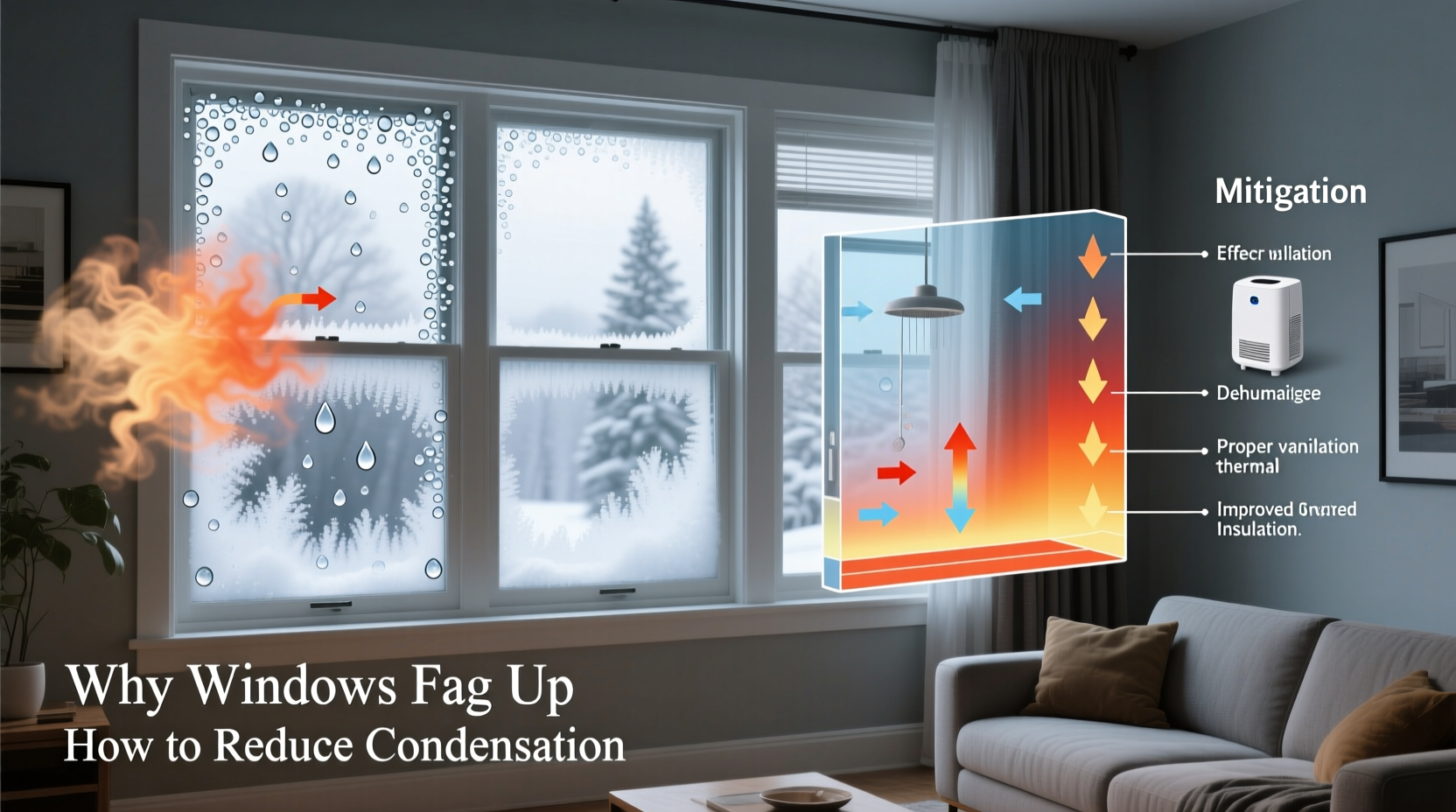
Condensation forms when air reaches its dew point—the temperature at which it can no longer hold all its moisture. Indoor air naturally contains water vapor from everyday activities such as cooking, showering, laundry, and even breathing. In winter, indoor air is typically warmer and more humid than outdoor air, while window glass remains cold due to the outside temperature. When warm, humid air touches the cold surface of the glass, the air cools rapidly, and excess moisture condenses into visible droplets.
This phenomenon is most common on single-pane windows, which have poor insulating properties and remain significantly colder than double- or triple-glazed units. However, even energy-efficient windows can experience some degree of interior condensation under high-humidity conditions.
“Window condensation is often the first visible sign of elevated indoor humidity. It’s not just about comfort—it’s a red flag for potential moisture-related damage.” — Dr. Linda Harper, Building Science Consultant
It's important to distinguish between interior condensation (on the room side of the glass) and inter-pane condensation (between panes in double-glazed windows). The latter indicates a failed seal and usually requires window replacement. Interior fogging, however, is primarily a symptom of indoor environmental conditions that can be corrected.
Common Causes of High Indoor Humidity
Several household activities contribute to increased moisture levels. Identifying these sources is the first step toward reducing condensation:
- Cooking without ventilation: Boiling water and using gas stoves release large amounts of steam. Without proper exhaust, this moisture spreads throughout the home.
- Showering and bathing: Hot showers produce significant humidity, especially in bathrooms without exhaust fans or open windows.
- Drying clothes indoors: Hanging wet laundry inside adds several liters of water vapor to the air per load.
- Houseplants: While beneficial for air quality, clusters of plants increase transpiration and local humidity.
- Poor ventilation: Modern, tightly sealed homes trap moisture indoors, especially if mechanical ventilation systems are absent or underused.
- Basement or crawl space moisture: Damp foundations can wick moisture upward into living spaces, contributing to overall humidity.
Effective Strategies to Reduce Window Condensation
Reducing interior window fogging involves managing humidity, improving airflow, and enhancing thermal performance. A combination of behavioral changes and system upgrades delivers the best results.
1. Improve Ventilation
Consistent air exchange removes moist air and replaces it with drier air. Key actions include:
- Use exhaust fans in kitchens and bathrooms during and after use (run for at least 15–20 minutes).
- Open windows briefly each day, even in winter, to allow cross-ventilation.
- Ensure dryer vents are ducted to the exterior and free of blockages.
- Consider installing an Energy Recovery Ventilator (ERV) or Heat Recovery Ventilator (HRV), which exchanges indoor and outdoor air while conserving heat.
2. Control Humidity Sources
Target moisture at its origin:
- Cover pots while cooking to minimize steam release.
- Take shorter, cooler showers and keep bathroom doors closed during use.
- Avoid drying wet clothes indoors unless you have a dehumidifier running.
- Limit the number of indoor plants in rooms prone to condensation.
3. Use a Dehumidifier
In persistently damp areas—especially basements, bedrooms, or older homes—a portable or whole-house dehumidifier can make a dramatic difference. These devices extract excess moisture from the air, lowering the dew point and preventing condensation.
4. Upgrade Windows or Add Storm Panels
If condensation persists despite humidity control, consider window improvements:
- Double- or triple-pane windows with low-emissivity (Low-E) coatings retain interior heat better, keeping glass surfaces warmer.
- Argon or krypton gas fills between panes enhance insulation.
- Storm windows add an extra barrier and can be a cost-effective upgrade for older homes.
Do’s and Don’ts of Managing Window Condensation
| Do’s | Don’ts |
|---|---|
| Use exhaust fans in kitchens and bathrooms | Ignore persistent condensation—it may lead to mold |
| Monitor indoor humidity with a hygrometer | Overuse humidifiers in winter |
| Run a dehumidifier in damp rooms | Block vents or baseboard heaters near windows |
| Open curtains during the day for airflow | Assume fogged windows always mean broken seals |
| Seal air leaks around window frames | Wipe condensation only—without addressing the cause |
Real-World Example: A Homeowner’s Winter Condensation Challenge
Sarah, a homeowner in upstate New York, began noticing heavy condensation on her bedroom windows every winter morning. Water pooled on the sills, and within two years, she discovered mildew forming on the wooden frame. Concerned about air quality and potential structural damage, she consulted a building inspector.
The assessment revealed that her home’s relative humidity was consistently above 60% during winter, largely due to a non-vented gas stove, indoor clothes drying, and inadequate bathroom exhaust. Additionally, her 20-year-old double-pane windows had minimal Low-E coating and were losing efficiency.
Sarah implemented several changes: she installed a modern range hood, moved laundry drying to the garage with a dehumidifier, upgraded her bathroom fan to a humidity-sensing model, and began using a portable dehumidifier in the bedroom. She also replaced the worst-performing windows over time. Within one heating season, interior condensation dropped dramatically, and no new mold appeared.
Her case illustrates that while window fogging seems like a surface issue, the solution lies in comprehensive moisture management.
Step-by-Step Guide to Eliminate Window Condensation
- Measure humidity: Use a hygrometer to check indoor RH levels in different rooms.
- Identify moisture sources: Note activities like cooking, showering, or indoor drying that may contribute.
- Improve localized ventilation: Ensure exhaust fans are functional and used consistently.
- Reduce humidity-generating behaviors: Limit indoor drying, cover pots, and avoid overwatering plants.
- Introduce mechanical dehumidification: Place a dehumidifier in problem areas, especially bedrooms and basements.
- Enhance airflow: Open windows periodically and avoid blocking air circulation with furniture or heavy drapes.
- Inspect and seal windows: Check for drafts or gaps that allow cold air to cool glass further.
- Consider window upgrades: If condensation persists, invest in energy-efficient replacements with better thermal performance.
Frequently Asked Questions
Is interior window condensation harmful?
Occasional condensation is normal, but persistent fogging can lead to mold, peeling paint, and wood decay. It also reduces visibility and comfort. Long-term, it may degrade window seals and frames, especially in older units.
Why do only some of my windows fog up?
Variations in insulation, air leakage, and local humidity explain why certain windows are more affected. Rooms with higher moisture output (like bathrooms) or colder spots (corners, north-facing walls) are more prone to condensation. Older or less insulated windows will also fog more easily.
Can new windows stop condensation completely?
New, energy-efficient windows reduce condensation by keeping glass temperatures closer to room temperature. However, if indoor humidity is too high, even high-performance windows can fog. Proper ventilation and humidity control remain essential regardless of window quality.
Conclusion: Take Action Before Damage Sets In
Interior window condensation is more than a visual nuisance—it’s a warning sign of imbalanced indoor air conditions. Left unaddressed, it compromises both comfort and home integrity. The good news is that most cases can be resolved with practical, affordable steps. By monitoring humidity, improving ventilation, and making strategic upgrades, you can eliminate foggy windows and create a healthier living environment.




 浙公网安备
33010002000092号
浙公网安备
33010002000092号 浙B2-20120091-4
Comments
No comments yet. Why don't you start the discussion?