
It’s a familiar frustration: you water on time, place your plant in a sunny corner, and still, the leaves turn yellow, the stems weaken, and eventually, another houseplant joins the compost pile. You’re not alone. Many indoor gardeners believe that sticking to a strict watering schedule is the key to success—only to find their plants declining anyway. The truth? Watering is just one piece of a much larger puzzle. Even with perfect timing, several hidden factors can sabotage your plant’s health. From light imbalances to root suffocation, understanding these underlying issues is essential to breaking the cycle of disappointment.
The Myth of the Perfect Watering Schedule
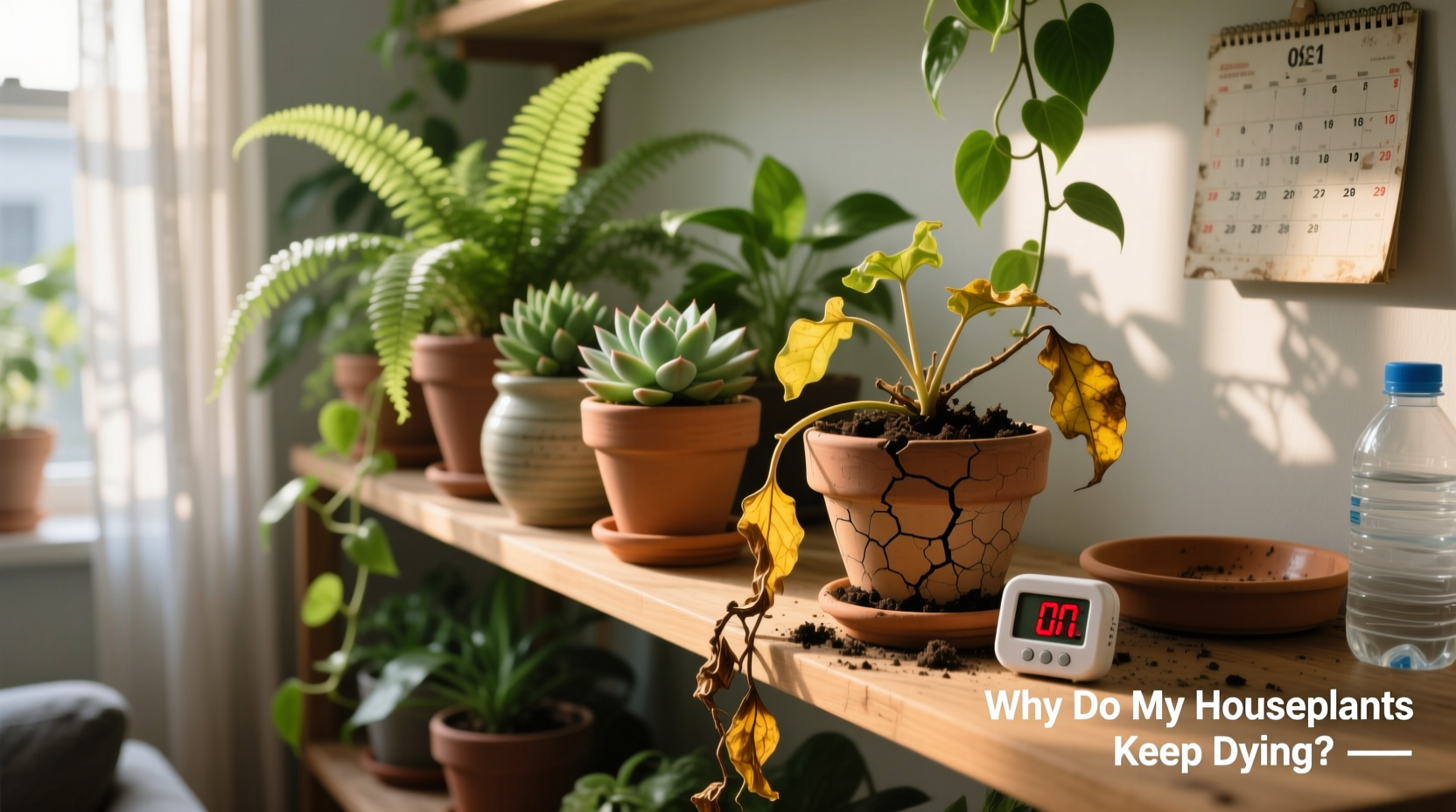
A common misconception among new plant owners is that each species needs watering on a fixed calendar basis—every seven days, every ten days, or “when the top inch of soil dries.” While these guidelines are helpful starting points, they ignore the dynamic nature of plant environments. Temperature, humidity, pot size, soil type, and seasonal changes all influence how quickly a plant uses water. A schedule that works in summer may drown roots in winter.
Overwatering remains the leading cause of houseplant death, often disguised as diligent care. When soil stays consistently wet, oxygen cannot reach the roots, leading to root rot—a condition where roots decay and lose their ability to absorb nutrients and water. Ironically, this causes symptoms like wilting and browning that mimic underwatering, prompting even more watering.
Light: The Invisible Lifeline
No amount of careful watering can compensate for inadequate light. Plants rely on photosynthesis to generate energy, and without sufficient light, their metabolic processes slow or halt entirely. Even if a plant survives in low light, it becomes weak, leggy, and prone to pests and disease.
Many popular houseplants—such as pothos, snake plants, and ZZ plants—are marketed as “low-light tolerant,” but this doesn’t mean they thrive in dim corners. It means they survive longer than others under poor conditions. For true vitality, most indoor plants need bright, indirect light for at least 6–8 hours daily.
East- and north-facing windows typically offer ideal indirect light. South- and west-facing windows may provide too much direct sun, especially in summer, which can scorch foliage. Rotate your plants regularly to ensure even growth and prevent leaning toward the light source.
“Plants don’t die from lack of water—they die from lack of balance. Light, airflow, and drainage are just as critical as hydration.” — Dr. Lena Torres, Urban Horticulturist, Brooklyn Botanic Garden
Soil and Potting: More Than Just Dirt
The medium your plant grows in plays a crucial role in its long-term survival. Standard garden soil is unsuitable for containers—it compacts easily, drains poorly, and restricts root growth. Indoor plants require a well-aerated, porous mix designed for potted environments.
Most tropical houseplants benefit from a blend containing peat moss, perlite, and pine bark. These components retain moisture while allowing excess water to escape and air to circulate around roots. Cacti and succulents need even faster-draining mixes with added sand or pumice.
Pot choice also matters. Non-porous materials like glazed ceramic or plastic retain moisture longer than terracotta, which wicks water through its walls. Ensure every container has drainage holes. If you love a pot without them, use it as a decorative sleeve and remove the plant to water it elsewhere.
Common Potting Mistakes and Their Effects
| Mistake | Consequence | Solution |
|---|---|---|
| Using garden soil | Compaction, poor drainage | Switch to indoor potting mix |
| No drainage holes | Water pooling, root rot | Add holes or double-pot |
| Pot too large | Soil stays wet too long | Repot into appropriately sized container |
| Old, degraded soil | Nutrient depletion, salt buildup | Refresh soil every 1–2 years |
Airflow, Humidity, and Environmental Stress
Indoor environments are often dry and stagnant—especially in heated or air-conditioned homes. Most houseplants originate from humid tropical regions where moisture levels hover between 50% and 70%. In contrast, average home humidity ranges from 30% to 50%, sometimes lower in winter.
Low humidity leads to brown leaf tips, spider mite infestations, and slowed growth. Combat this by grouping plants together to create microclimates, placing trays of water with pebbles beneath pots, or using a small humidifier. Avoid misting leaves frequently, as this provides only temporary relief and can promote fungal diseases if water sits too long.
Lack of airflow is another silent killer. Stagnant air encourages mold, mildew, and pest outbreaks. Gentle air movement helps strengthen stems and discourages pathogens. Open windows when possible or use a small oscillating fan on low setting, ensuring it doesn’t blow directly on foliage.
Root Health: What Lies Beneath
If your plant keeps dying despite consistent care, the problem likely starts underground. Root systems need space, oxygen, and freedom from disease to function properly. Over time, roots can become bound, circling the inside of the pot with no room to expand—a condition known as being “root-bound.” This limits nutrient uptake and stresses the plant.
Check root health during repotting. Healthy roots are firm and white or tan. Soft, dark, or mushy roots indicate rot, usually caused by overwatering or poor drainage. Trim affected roots with sterilized scissors and repot into fresh, well-draining soil.
Some plants prefer to be slightly root-bound (like peace lilies), while others, such as fiddle leaf figs, need regular upsizing. As a general rule, repot every 1–2 years or when roots emerge from drainage holes.
Step-by-Step Guide to Assessing Root Health
- Water the plant lightly a day before inspection to ease removal.
- Gently tip the pot and slide the root ball out.
- Examine the outer roots for color, texture, and density.
- Look for signs of circling, overcrowding, or foul odor.
- If roots are healthy, refresh the top layer of soil. If damaged, prune and repot.
- Choose a new pot only 1–2 inches wider in diameter to avoid water retention.
Mini Case Study: Reviving a Struggling Monstera
Sarah had owned her Monstera deliciosa for nearly a year. She watered it every Saturday, placed it near a south-facing window, and wiped the leaves weekly. Yet, new leaves arrived smaller, with brown edges, and older ones dropped prematurely. After researching, she realized two key oversights.
First, the pot lacked drainage. Though attractive, the sealed concrete planter trapped water at the base. Second, the soil—originally garden compost—had compacted over time, suffocating the roots. Sarah transferred the plant to a terracotta pot with holes, using a custom aroid mix of peat, perlite, and orchid bark. She moved it to an east-facing spot to reduce direct sun exposure and began checking moisture with a moisture meter.
Within six weeks, new growth emerged—larger, fenestrated, and vibrant green. The plant didn’t need more water; it needed better balance. Her experience underscores that visible care routines must be supported by unseen fundamentals.
Hidden Culprits: Pests, Fertilizer, and Seasonal Shifts
Beyond environmental factors, other subtle threats contribute to plant decline. Pests like spider mites, mealybugs, and fungus gnats often go unnoticed until damage is severe. Inspect leaf undersides and stem joints regularly. Isolate infected plants immediately and treat with insecticidal soap or neem oil.
Fertilizer misuse is another frequent issue. Too little leads to nutrient deficiency—pale leaves, stunted growth. Too much causes salt buildup, burning roots and inhibiting water uptake. Feed only during active growing seasons (spring and summer) with a balanced, diluted liquid fertilizer every 4–6 weeks. Flush soil with plain water every few months to dissolve accumulated salts.
Seasonal changes dramatically affect plant needs. In fall and winter, many plants enter dormancy, slowing growth and reducing water consumption. Continuing a summer watering routine during colder months is a fast track to root rot. Adjust frequency based on growth rate, not the calendar.
Plant Care Checklist: Preventing Unnecessary Losses
- ✅ Check soil moisture below the surface before watering
- ✅ Ensure pots have drainage holes
- ✅ Use appropriate potting mix for your plant type
- ✅ Provide adequate bright, indirect light
- ✅ Monitor humidity and improve if below 40%
- ✅ Inspect for pests weekly
- ✅ Fertilize only in growing season
- ✅ Repot every 1–2 years or when root-bound
- ✅ Adjust care routine seasonally
- ✅ Rotate plants for even light exposure
Frequently Asked Questions
Why are my plant’s leaves turning yellow?
Yellowing leaves can signal overwatering, poor drainage, nutrient deficiency, or insufficient light. Start by checking soil moisture and root health. If roots are rotted, trim and repot. If soil is dry and light is adequate, consider a balanced fertilizer after flushing the soil.
Can I save a plant with root rot?
Yes, if caught early. Remove the plant from its pot, trim all mushy, dark roots with sterilized tools, and repot in fresh, well-draining soil. Reduce watering and wait for new growth before resuming feeding. Severely affected plants may not recover.
How do I know if my plant is getting enough light?
Signs of insufficient light include leggy growth (long stems with sparse leaves), smaller new leaves, and lack of flowering in blooming varieties. Move the plant closer to a natural light source or supplement with a grow light for 12–14 hours daily.
Conclusion: Rethink, Don’t Repeat
Your houseplants aren’t failing because you’re careless—they’re struggling because the conditions don’t support life, regardless of your watering discipline. True plant care isn’t about rigid schedules; it’s about observation, adaptation, and understanding the ecosystem you’ve created. By shifting focus from watering alone to holistic plant health—light, soil, airflow, and seasonal rhythms—you transform from a caretaker who reacts to one who anticipates.
Start today: pick one plant showing signs of stress. Examine its roots, test its soil, assess its light. Make one adjustment based on what you find. Small, informed changes lead to lasting results. Your home can be a sanctuary for green life—not a graveyard of good intentions.




 浙公网安备
33010002000092号
浙公网安备
33010002000092号 浙B2-20120091-4
Comments
No comments yet. Why don't you start the discussion?