
For millions of people, dropping temperatures bring more than just the need for extra layers—they also trigger joint pain and stiffness. Whether you're managing arthritis, recovering from an old injury, or simply noticing increased discomfort as winter approaches, you're not alone. Studies suggest that up to two-thirds of individuals with joint conditions report worsening symptoms during colder months. But why does this happen? And more importantly, what can you do about it—without relying solely on medication? This article explores the science behind weather-related joint pain and offers practical, natural strategies to help you stay mobile, comfortable, and active regardless of the forecast.
The Science Behind Cold Weather Joint Pain
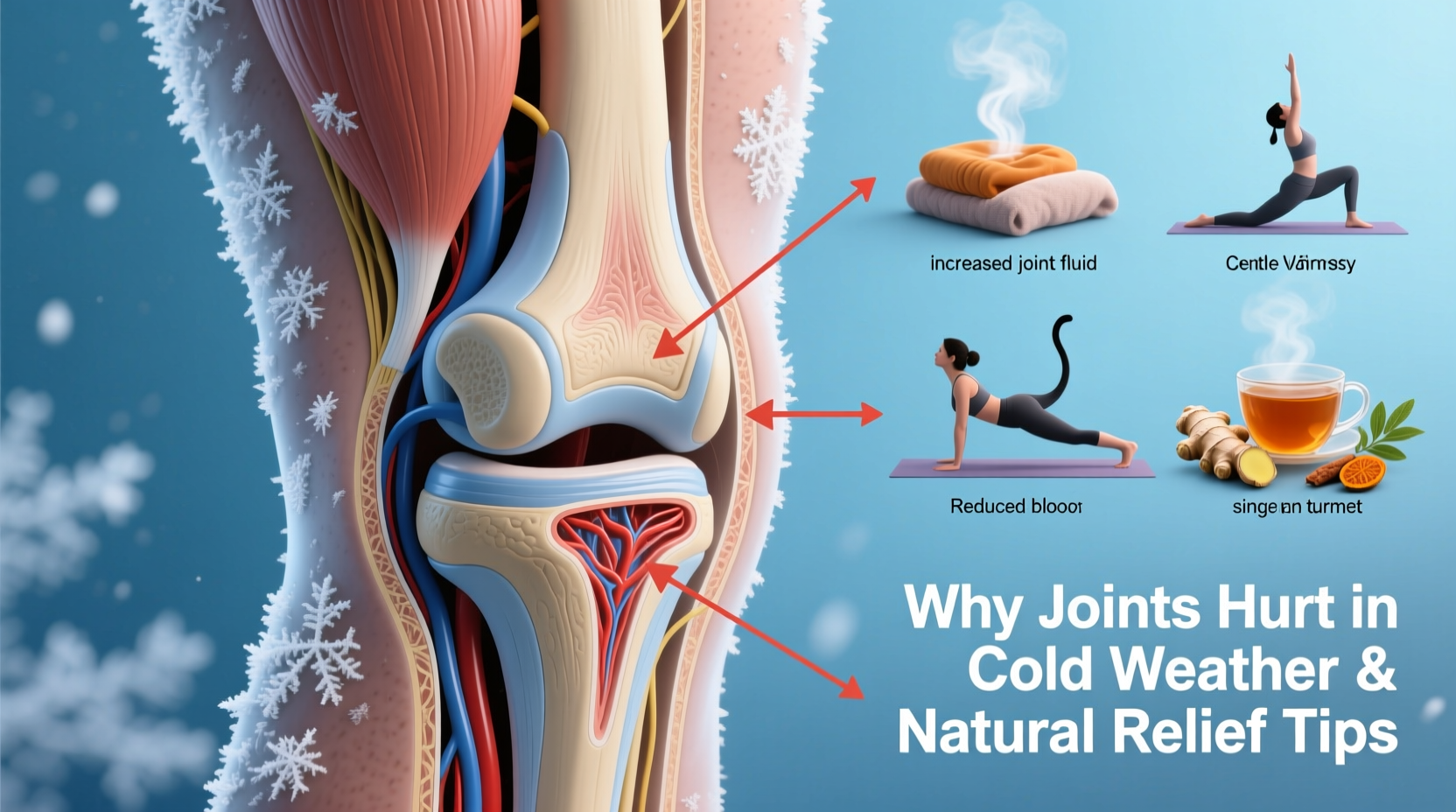
While the exact mechanisms are still being studied, several well-supported theories explain why joint discomfort increases when the temperature drops. The most widely accepted explanations involve changes in barometric pressure, muscle tension, and inflammation levels—all influenced by seasonal shifts.
One key factor is atmospheric pressure. As cold fronts move in, barometric pressure often falls. This drop can cause tissues around joints—including tendons, muscles, and scar tissue—to expand slightly. In sensitive or already inflamed joints, this expansion may press against nerves, triggering pain signals. Think of it like a balloon expanding in lower pressure: even small changes can create noticeable discomfort if the joint capsule is already compromised.
Cold weather also prompts the body to conserve heat by constricting blood vessels, especially in extremities. Reduced circulation means less oxygen and fewer nutrients reach the joints, slowing natural repair processes and increasing stiffness. Additionally, muscles and connective tissues become stiffer in low temperatures, reducing flexibility and amplifying strain during movement.
“Patients consistently report more joint pain during cold, damp weather. While we can't change the weather, we can modify our response to it.” — Dr. Lena Patel, Rheumatologist at Boston Arthritis Institute
Natural Ways to Reduce Joint Stiffness and Discomfort
Medication can help, but long-term reliance isn’t always ideal. Fortunately, many natural methods effectively reduce joint pain and improve function. These strategies focus on improving circulation, reducing inflammation, and maintaining joint mobility—especially crucial when cold weather threatens to slow you down.
Stay Warm with Layered Clothing and Heat Therapy
Maintaining warmth is one of the simplest yet most effective defenses. Wearing thermal base layers, gloves, and insulated socks helps preserve core temperature and keeps extremities functional. For immediate relief, apply dry heat via heating pads or warm baths. Heat relaxes tight muscles, dilates blood vessels, and encourages synovial fluid production—the lubricant within joints that reduces friction.
Move Consistently—Even When It’s Cold
Inactivity worsens joint stiffness. Cold weather often leads people to reduce physical activity, which decreases joint lubrication and weakens supporting muscles. Instead, prioritize low-impact movement such as walking, swimming, or tai chi. Just 20–30 minutes of daily exercise improves circulation, strengthens stabilizing muscles, and reduces inflammatory markers.
Indoor workouts are excellent alternatives during freezing days. Consider yoga routines focused on gentle stretching or resistance bands for strength training. Movement doesn’t have to be intense—consistency matters more than intensity.
Optimize Your Diet for Joint Health
Chronic inflammation underlies many joint issues. Certain foods either fuel or fight this process. A diet rich in anti-inflammatory compounds supports joint resilience year-round, but becomes especially valuable in winter.
- Fatty fish (salmon, mackerel): High in omega-3 fatty acids, proven to reduce joint swelling and morning stiffness.
- Turmeric and ginger: Contain curcumin and gingerols, potent natural anti-inflammatories. Add them to soups, teas, or smoothies.
- Berries and dark leafy greens: Packed with antioxidants that neutralize free radicals linked to cartilage breakdown.
- Nuts and seeds: Provide vitamin E and healthy fats that support connective tissue integrity.
Avoid processed foods, refined sugars, and excessive red meat, which promote systemic inflammation and may exacerbate joint pain.
Step-by-Step Guide to a Joint-Friendly Winter Routine
Creating a sustainable daily routine can dramatically reduce cold-weather joint discomfort. Follow this five-step plan to protect your joints throughout the season:
- Morning Warm-Up (5–10 minutes): Begin with gentle range-of-motion exercises—shoulder rolls, ankle circles, neck tilts. Follow with a warm shower to loosen stiff tissues.
- Layer Up Before Going Out: Wear moisture-wicking base layers, add insulation, and finish with windproof outerwear. Don’t forget hats and gloves—even mild exposure cools the entire body.
- Lunchtime Movement Break: Take a short indoor walk or stretch every few hours if working from home or sitting for long periods.
- Evening Anti-Inflammatory Meal: Prepare a dinner rich in omega-3s and colorful vegetables. Example: baked salmon with roasted sweet potatoes and sautéed kale.
- Nighttime Heat and Relaxation: Apply a heating pad to sore areas for 15–20 minutes. End with light stretching or deep breathing to signal relaxation to the nervous system.
Consistency over weeks builds resilience. Track your pain levels weekly to identify what works best for your body.
Do’s and Don’ts for Managing Cold-Weather Joint Pain
| Do | Don’t |
|---|---|
| Keep moving with regular low-impact exercise | Skip movement because joints feel stiff |
| Dress in layers to maintain body heat | Go outside in thin clothing, even for short trips |
| Use heat therapy before activity and cold after flare-ups | Apply heat continuously for hours without breaks |
| Eat anti-inflammatory foods daily | Overconsume sugar, alcohol, or processed snacks |
| Stay hydrated—even cold air increases fluid loss | Assume thirst isn’t important in winter |
Real-Life Example: Maria’s Winter Mobility Transformation
Maria, a 58-year-old librarian from Vermont, had struggled with knee osteoarthritis for years. Each winter, her pain intensified, limiting her ability to walk even short distances. After two seasons of canceled social plans and increasing reliance on painkillers, she decided to take a proactive approach.
She began wearing thermal leggings under her clothes, started a daily 15-minute chair yoga routine, and swapped her usual lunchtime sandwich for warm lentil soup with turmeric and spinach. She also invested in a heated blanket for evening use and committed to walking indoors at the community center three times a week.
Within six weeks, Maria noticed a significant improvement. Her morning stiffness decreased from 45 minutes to under 10. She was able to attend her granddaughter’s ice skating recital without needing a cane. “I didn’t cure my arthritis,” she says, “but I gave my body the tools to handle winter better. That made all the difference.”
Supplements and Herbal Support for Joint Comfort
While food should be the foundation of any wellness strategy, certain supplements show promise in supporting joint health—especially when combined with lifestyle changes.
- Glucosamine and chondroitin: Naturally found in cartilage, these compounds may help slow degeneration and improve lubrication. Some studies show modest benefits in reducing osteoarthritis pain.
- Vitamin D: Deficiency is common in winter due to reduced sun exposure. Low levels are linked to increased musculoskeletal pain. Consider testing your levels and supplementing if needed.
- Omega-3 fish oil: High-dose EPA and DHA reduce inflammatory cytokines involved in joint degradation.
- Boswellia serrata: An herbal extract used in Ayurvedic medicine, shown in clinical trials to reduce joint swelling and improve mobility.
Always consult your healthcare provider before starting new supplements, especially if you’re on blood thinners or have autoimmune conditions.
FAQ: Common Questions About Cold-Weather Joint Pain
Why do my joints hurt when it rains or snows?
Changes in humidity and barometric pressure—not just temperature—affect joint tissues. Falling pressure before storms may cause expansion of soft tissues around joints, increasing pressure on nerves. High humidity can also increase sensitivity in damaged joints.
Can cold weather damage my joints permanently?
No, cold weather itself does not cause permanent joint damage. However, prolonged inactivity due to pain can lead to muscle atrophy and reduced joint stability over time. Staying active despite discomfort is key to preserving function.
Is there a link between arthritis and weather sensitivity?
Yes. People with osteoarthritis, rheumatoid arthritis, and past joint injuries are more likely to report weather-related pain. This may be due to heightened nerve sensitivity in affected areas and altered fluid dynamics within arthritic joints.
Checklist: Natural Joint Relief Action Plan
Use this checklist weekly during colder months to stay ahead of stiffness and discomfort:
- ✅ Dress in warm, layered clothing—especially protecting knees, hands, and lower back
- ✅ Perform 10 minutes of gentle stretching or mobility exercises each morning
- ✅ Eat at least one anti-inflammatory meal per day (rich in omega-3s, antioxidants)
- ✅ Use a heating pad or warm bath before bedtime
- ✅ Drink at least 8 glasses of water daily
- ✅ Walk or move indoors for 20+ minutes, 3–5 times per week
- ✅ Limit intake of processed foods, sugar, and alcohol
- ✅ Monitor joint pain levels and adjust habits accordingly
Conclusion: Take Control of Your Joint Health This Winter
Cold weather doesn’t have to mean surrendering to stiffness and pain. By understanding the physiological reasons behind increased joint discomfort and applying targeted, natural strategies, you can maintain mobility and comfort all season long. From staying warm and eating smart to moving regularly and using supportive therapies, small consistent actions yield meaningful results. Your joints respond to care—and the choices you make today can shape how you feel tomorrow.




 浙公网安备
33010002000092号
浙公网安备
33010002000092号 浙B2-20120091-4
Comments
No comments yet. Why don't you start the discussion?