
Lips are one of the most sensitive parts of the face, yet they’re often neglected in skincare routines. If you’ve found yourself applying lip balm multiple times a day only to still battle dry, flaky, cracked lips, you're not alone. Millions experience chronic chapping—sometimes even worsening after balm use. The issue isn't just surface-level dehydration; it's often rooted in habits, ingredients, environmental exposure, or underlying health factors. Understanding why your lips won’t heal is the first step toward lasting relief.
This guide dives deep into the science behind persistent lip chapping, reveals common mistakes that sabotage healing, and delivers clinically sound strategies from dermatologists and skincare specialists to restore softness and prevent recurrence.
The Hidden Causes Behind Chronic Lip Chapping
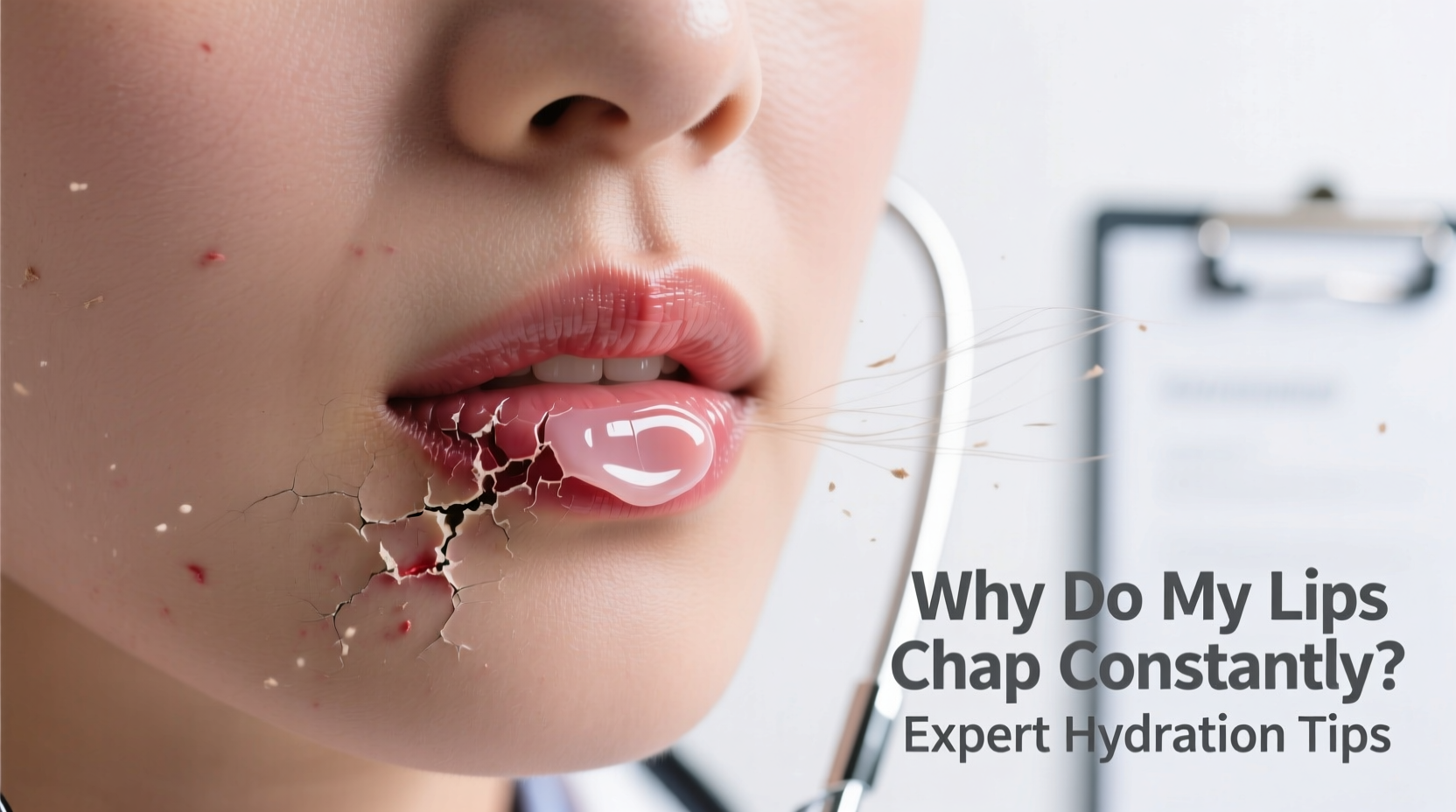
Most people assume chapped lips stem solely from cold weather or dehydration. While those contribute, there’s more beneath the surface. The skin on the lips lacks oil glands (sebaceous glands), which means it can’t produce its own moisture barrier like the rest of your face. This makes lips inherently vulnerable to drying out quickly when exposed to irritants or low humidity.
But why do some people struggle daily, even in mild climates? Consider these lesser-known culprits:
- Overuse of lip balm: Constant reapplication creates dependency, especially if the product contains irritants.
- Irritating ingredients: Fragrances, menthol, camphor, and alcohol can strip moisture over time.
- Lip licking: Saliva evaporates fast, leaving lips drier than before—and enzymes in saliva can cause irritation.
- Allergies or contact dermatitis: Reactions to toothpaste, lipstick, or even food residues may trigger inflammation.
- Dehydration: Even mild fluid deficits impact lip tissue more visibly than other areas.
- Vitamin deficiencies: Low levels of B vitamins (especially B2, B3, B6) and iron are linked to cheilitis (chronic lip inflammation).
- Autoimmune or systemic conditions: Eczema, psoriasis, Crohn’s disease, or Sjögren’s syndrome can manifest as persistent lip issues.
“Patients come in thinking they need more balm, but often they need less—and better-quality products.” — Dr. Lena Patel, Board-Certified Dermatologist
Why Lip Balm Alone Isn’t Enough
Using lip balm feels like treating the problem directly. But many balms act as temporary occlusives—they trap what little moisture exists without adding any themselves. Worse, frequent application of certain formulas can degrade the lip barrier over time.
For example, balms containing menthol or phenol create a cooling sensation that tricks users into believing their lips are healing, while actually increasing irritation and peeling. Similarly, flavored balms often contain citric acid or artificial sweeteners that provoke sensitivity.
Another issue is timing. Applying balm only after lips feel dry is reactive, not preventive. By then, micro-cracks have already formed, making recovery slower.
Expert Hydration Tips for Long-Term Lip Health
To break the cycle of constant chapping, shift from symptom management to root-cause resolution. These evidence-based strategies go beyond slathering on ointment and focus on building resilience.
1. Choose the Right Ingredients
Not all lip products are created equal. Prioritize formulations with proven hydrating and reparative components:
| Beneficial Ingredient | What It Does |
|---|---|
| Petroleum jelly (e.g., Vaseline) | Forms a protective seal to lock in moisture; inert and non-comedogenic |
| Shea butter or cocoa butter | Nourishes with fatty acids; supports barrier repair |
| Hyaluronic acid | Draws water into the skin; effective even in small concentrations |
| Ceramides | Reinforce the skin’s natural lipid layer |
| Squalane | Mimics natural oils; lightweight and non-greasy |
Avoid products listing these irritants high in the ingredients:
- Menthol
- Camphor
- Phenol
- Alcohol (denatured or ethanol)
- Fragrance/parfum
- Artificial flavors
2. Exfoliate Gently—But Sparingly
Dead skin buildup prevents balms from penetrating effectively. However, aggressive scrubbing worsens micro-tears. Use a soft-bristled toothbrush or damp washcloth once every 5–7 days, gently massaging in circular motions after a warm shower when skin is softened.
Alternatively, try a chemical exfoliant like a lactic acid-based toner applied lightly with a cotton swab—less abrasive than physical scrubs.
3. Hydrate from Within
Drinking enough water supports overall skin health, including lips. Aim for at least 2 liters per day, adjusting for activity level and climate. Pair hydration with electrolyte balance by consuming foods rich in potassium and magnesium (bananas, spinach, avocados).
4. Protect Against Environmental Damage
UV radiation contributes significantly to lip damage. Use a lip balm with SPF 30+ daily—even in winter or on cloudy days. Wind and indoor heating also dehydrate; consider using a humidifier during colder months.
5. Break the Lick-Lip Habit
This unconscious behavior affects both children and adults. Awareness is key. Carry a non-irritating balm and apply it whenever you notice the urge to lick. For children, positive reinforcement works better than correction.
Step-by-Step Night Repair Routine
Overnight is prime time for lip regeneration. Follow this nightly ritual to accelerate healing and build long-term strength:
- Remove residue: Gently wipe lips with a damp cloth to clear any food, makeup, or old product.
- Exfoliate (1–2x weekly): Use a sugar-and-honey scrub or soft brush for 10 seconds.
- Apply hydrating serum: Dab on a hyaluronic acid drop or a ceramide-rich treatment if available.
- Seal with occlusive: Layer petroleum jelly or lanolin-based ointment thickly over the top.
- Prevent transfer: Sleep on a clean pillowcase and avoid touching your lips post-application.
Consistency matters. Stick with this routine for at least two weeks to see visible improvement, even if progress seems slow at first.
Real-Life Example: Sarah’s Six-Week Transformation
Sarah, a 34-year-old teacher from Colorado, used medicated mint-flavored lip balm up to 10 times a day. Despite constant care, her lips cracked deeply each winter, sometimes bleeding. She visited a dermatologist after developing painful fissures at the corners of her mouth—a condition known as angular cheilitis.
Testing revealed mild iron deficiency and an allergy to flavoring agents in her balm. Her regimen was overhauled: she switched to fragrance-free Vaseline, started taking a low-dose iron supplement, and began applying balm proactively. Within three weeks, peeling stopped. By week six, her lips were smooth and no longer required hourly reapplication.
“I realized I wasn’t healing them—I was irritating them,” Sarah said. “Now I treat my lips like delicate skin, not something to fix with more product.”
Checklist: Are You Sabotaging Your Lips?
Use this checklist to identify habits that might be prolonging chapping:
- ✅ Do you frequently lick your lips throughout the day?
- ✅ Is your favorite lip balm scented, flavored, or cooling?
- ✅ Do you only apply balm when your lips already feel dry?
- ✅ Have you ruled out allergies to dental products or cosmetics?
- ✅ Are you drinking enough water daily?
- ✅ Do you wear SPF on your lips during daylight hours?
- ✅ Have you considered nutrient deficiencies as a potential cause?
If you answered “yes” to three or more, it’s likely your routine needs adjustment—not just more balm.
When to See a Doctor
Occasional dryness is normal. But chronic chapping lasting more than four weeks, especially with pain, swelling, bleeding, or crusting, warrants medical evaluation. Persistent symptoms could indicate:
- Contact dermatitis from toothpaste (e.g., sodium lauryl sulfate)
- Fungal or bacterial infections (common in angular cheilitis)
- Nutritional deficiencies (B vitamins, iron, zinc)
- Autoimmune disorders such as lupus or Crohn’s
- Actinic cheilitis—a precancerous condition caused by sun damage
A dermatologist may perform patch testing, recommend blood work, or prescribe topical treatments like prescription-strength corticosteroids or antifungals.
“Lips are a mirror of internal health. Don’t dismiss chronic chapping as just ‘dry skin.’ It could be signaling something deeper.” — Dr. Marcus Reed, Clinical Dermatopathologist
FAQ: Common Questions About Chapped Lips
Can drinking more water cure chapped lips?
Hydration helps, but it’s not a standalone solution. While systemic dehydration contributes to dry lips, external protection and proper topical care are equally important. Water supports cellular function, but without occlusion, moisture escapes rapidly from lip tissue.
Is petroleum jelly safe for long-term use?
Yes. Contrary to myths, petroleum jelly is highly refined, non-toxic, and approved by the FDA for wound care and moisturization. It doesn’t clog pores or degrade skin. It simply forms a breathable barrier that reduces transepidermal water loss. Just ensure it’s applied to slightly damp lips for best results.
Why do my lips get worse when I stop using my favorite balm?
This suggests dependency on ingredients like phenol or menthol that cause mild irritation and exfoliation. When you stop, the underlying dryness becomes apparent because healing hasn’t occurred—it was masked. Transition slowly to a bland, healing-focused product like pure lanolin or unscented petrolatum.
Final Thoughts: Healing Lips Starts With Smarter Habits
Chronic lip chapping isn’t a life sentence. The solution lies not in applying more product, but in understanding what’s truly damaging your lips and replacing harmful habits with sustainable ones. From choosing ingredient-conscious balms to addressing nutritional gaps and protecting against environmental stressors, real healing is holistic.
Start tonight: clean your lips, skip the flavored tube, and apply a simple, protective ointment. Repeat consistently. Over time, your lips will regain their natural resilience—not because of a miracle product, but because you gave them the right conditions to heal.




 浙公网安备
33010002000092号
浙公网安备
33010002000092号 浙B2-20120091-4
Comments
No comments yet. Why don't you start the discussion?