
If you’ve found yourself applying lip balm multiple times a day—only to feel dry, tight, or flaky lips return within hours—you’re not alone. Millions deal with chronically chapped lips despite diligent balm use. The frustrating cycle of moisture followed by cracking suggests something deeper is at play. While environmental factors like cold weather or sun exposure contribute, persistent chapping often stems from habits, ingredients, or underlying health conditions that go unnoticed. Understanding the root causes and adopting targeted, sustainable strategies can break the cycle for good.
The Hidden Causes Behind Constant Lip Chapping
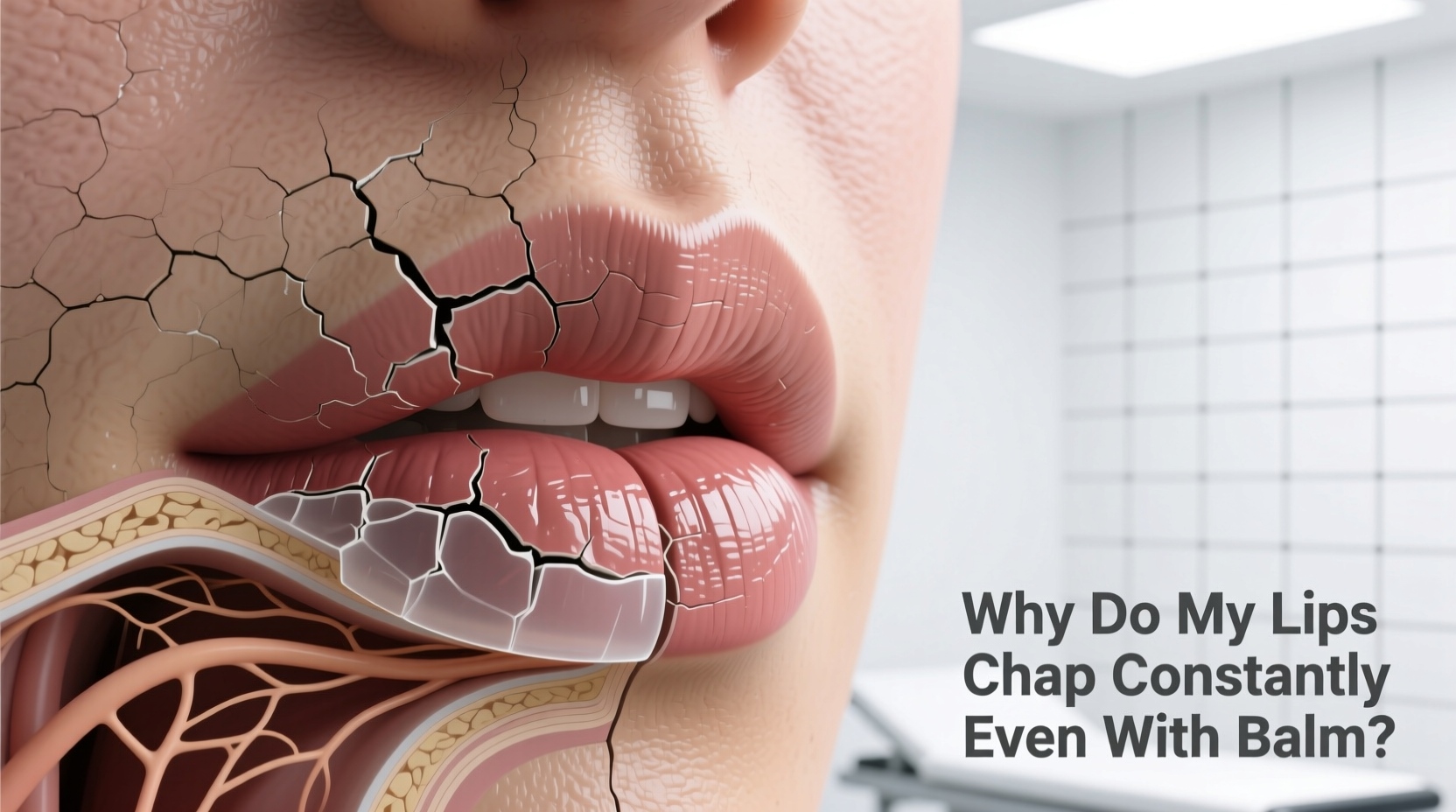
Lips lack oil glands, making them uniquely vulnerable to moisture loss. Unlike the rest of your skin, they can’t produce sebum to form a protective barrier. This biological limitation makes them dependent on external protection. However, relying solely on lip balm without addressing contributing behaviors or irritants can actually worsen the condition over time.
One major but overlooked cause is habitual lip licking. It’s a reflexive response to dryness—yet saliva contains enzymes like amylase and small amounts of acid that break down delicate lip tissue. As saliva evaporates, it draws moisture from the skin, leaving lips drier than before. This creates a self-perpetuating loop: dryness leads to licking, which leads to more dryness.
Another common culprit is the formulation of the lip balm itself. Many popular products contain fragrances, menthol, camphor, or alcohol—all of which provide a temporary cooling sensation but can be highly irritating. These ingredients may trigger low-grade inflammation, leading to increased sensitivity and long-term dependency on balm.
Allergies and Contact Dermatitis
Sometimes, chronic chapping is a sign of allergic contact cheilitis—an inflammatory reaction caused by allergens in cosmetics, toothpaste, or even foods. Common triggers include cinnamon flavoring, citrus oils, lanolin (in some people), and preservatives like parabens or BHT. If your lips swell, burn, or develop tiny bumps alongside dryness, consider patch testing or switching to fragrance-free, hypoallergenic products.
“Many patients come in with ‘treatment-resistant’ chapped lips only to discover their mint-flavored toothpaste is the real offender.” — Dr. Lena Patel, Board-Certified Dermatologist
Why Lip Balm Alone Isn’t Enough
Using lip balm as a quick fix without addressing hydration, environment, or behavior patterns is like mopping a flooded floor without turning off the tap. While balms provide surface-level relief, they don’t resolve internal dehydration, nutritional deficiencies, or mechanical damage.
Some waxy or petroleum-based products create a seal that prevents moisture loss, but if applied too thickly or too frequently, they can interfere with natural exfoliation. Overuse can also lead to psychological dependency—where users feel compelled to reapply every few minutes, mistaking normal texture for dryness.
Moreover, many drugstore balms are formulated for short-term symptom relief, not long-term healing. They lack active ingredients that support barrier repair, such as ceramides, shea butter, or niacinamide. Without these components, the skin remains fragile and prone to cracking.
The Role of Hydration and Nutrition
Dehydration affects the entire body, including the lips. Even mild fluid deficits reduce moisture in mucosal tissues. Pairing topical care with adequate water intake (typically 2–3 liters daily, depending on activity and climate) supports overall skin resilience.
Nutritional deficiencies also play a role. Low levels of B vitamins—especially riboflavin (B2), niacin (B3), and pyridoxine (B6)—are linked to angular cheilitis and chronic cheilitis. Iron deficiency anemia can cause pale, cracked lips and sore corners of the mouth. A balanced diet rich in leafy greens, nuts, eggs, and lean proteins helps maintain healthy lip tissue.
Year-Round Fixes That Actually Work
To stop recurring chapping, shift from reactive balm application to proactive lip health. This means combining gentle care, smart product choices, and lifestyle adjustments tailored to both seasonal and daily challenges.
Step-by-Step Guide to Healing Chronically Chapped Lips
- Stop using irritating products. Eliminate balms with fragrance, menthol, or alcohol. Switch to a simple, hypoallergenic formula with minimal ingredients.
- Break the licking habit. Become aware of when you lick your lips. Keep a mirror nearby or set reminders to check your behavior.
- Exfoliate gently once weekly. Use a soft toothbrush or warm washcloth to remove dead skin after bathing, when lips are moist.
- Apply occlusive moisturizers at night. Use pure shea butter, petroleum jelly, or a healing ointment to lock in moisture while you sleep.
- Protect against environmental stressors. Wear SPF-infused lip balm during the day, even in winter. Wind and UV rays damage lip tissue year-round.
- Check your oral hygiene routine. Switch to SLS-free, non-mint toothpaste if irritation persists.
- Assess your diet. Include foods high in omega-3s, vitamin E, and B-complex vitamins to support skin repair.
Choosing the Right Products: What to Look For and Avoid
Not all lip balms are created equal. The key is selecting formulations that nourish rather than merely coat the surface. Below is a comparison of common ingredients and their effects.
| Ingredient | Benefit | Risk |
|---|---|---|
| Petroleum jelly (Vaseline) | Forms a strong moisture barrier | Inert; doesn’t nourish, but safe and effective |
| Shea butter | Rich in fatty acids, anti-inflammatory | Rare allergy risk |
| Ceramides | Rebuilds skin barrier | Usually well-tolerated |
| Menthol/camphor | Creates cooling sensation | Irritating; increases blood flow and sensitivity |
| Fragrance (natural or synthetic) | Improves scent | Common allergen; disrupts healing |
| Beeswax | Provides structure and mild protection | May clog pores in sensitive individuals |
Opt for products labeled “fragrance-free” (not just “unscented”), and avoid anything that tingles, burns, or feels “refreshing.” True healing feels neutral—no sensation at all.
Real-Life Case: Sarah’s Breakthrough After Years of Frustration
Sarah, a 34-year-old teacher from Colorado, used lip balm up to ten times a day. Despite carrying three different tubes in her purse, her lips were perpetually cracked, especially at the corners. She tried expensive organic brands, medicated ointments, and even stopped wearing lipstick—but nothing worked.
After consulting a dermatologist, she discovered two issues: her favorite “minty fresh” toothpaste contained cinnamon derivatives, a known allergen, and she had developed a compulsive lip-licking habit due to stress. By switching to a bland, SLS-free toothpaste and using plain petroleum jelly at night, her symptoms improved within two weeks. Adding a humidifier to her bedroom during dry winters completed the transformation. Six months later, she uses balm only occasionally and no longer experiences bleeding cracks.
“It wasn’t about finding the perfect balm—it was about removing what was harming my lips all along.” — Sarah T., patient testimonial shared with permission
Seasonal Strategies for Year-Round Protection
Chronic chapping isn’t limited to winter. Each season presents unique challenges:
- Winter: Cold air holds less moisture, and indoor heating dries out skin. Use thicker balms and run a humidifier at home.
- Spring: Allergens like pollen can settle on lips, causing irritation. Rinse lips after being outdoors and avoid touching your face.
- Summer: UV radiation damages lip tissue. Always use SPF 30+ lip balm and reapply after eating or swimming.
- Fall: Wind and fluctuating temperatures increase trans-epidermal water loss. Begin preventive care early in the season.
When to See a Doctor
Most cases of chapped lips resolve with lifestyle changes. However, persistent cracking, pain, bleeding, or white patches may signal something more serious, such as:
- Actinic cheilitis: A precancerous condition caused by long-term sun exposure, typically on the lower lip.
- Fungal infections: Especially common in angular cheilitis, where yeast thrives in moist corners of the mouth.
- Autoimmune disorders: Conditions like lupus or Crohn’s disease can manifest with oral symptoms.
If your lips haven’t improved after four weeks of consistent care, consult a dermatologist or healthcare provider for evaluation and possible patch testing.
FAQ: Common Questions About Chronic Lip Chapping
Can drinking more water cure chapped lips?
While hydration supports overall skin health, drinking water alone won’t fix chapped lips. Topical protection and avoiding irritants are equally important. However, chronic dehydration can exacerbate the issue, so maintaining fluid balance is essential.
Is it bad to peel flaky skin off my lips?
Yes. Picking or peeling can cause micro-tears, leading to bleeding, infection, or scarring. Instead, soften flakes with a warm compress and gently buff them away with a damp cloth.
Are there any medications that cause dry lips?
Yes. Common culprits include acne treatments (like isotretinoin), antihistamines, diuretics, and certain antidepressants. These reduce oil production or cause systemic dryness. If you suspect a medication, talk to your doctor—don’t discontinue it without medical advice.
Conclusion: Heal Your Lips for Good
Constantly chapped lips aren’t just uncomfortable—they’re a signal that your current routine isn’t working. The solution isn’t more balm, but smarter care. By identifying hidden irritants, choosing the right products, and supporting your lips with proper hydration and nutrition, you can end the cycle of dryness for good. Healing takes consistency, not perfection. Start with one change today—swap your toothpaste, ditch the minty balm, or simply become aware of how often you lick your lips. Small steps lead to lasting results.




 浙公网安备
33010002000092号
浙公网安备
33010002000092号 浙B2-20120091-4
Comments
No comments yet. Why don't you start the discussion?